

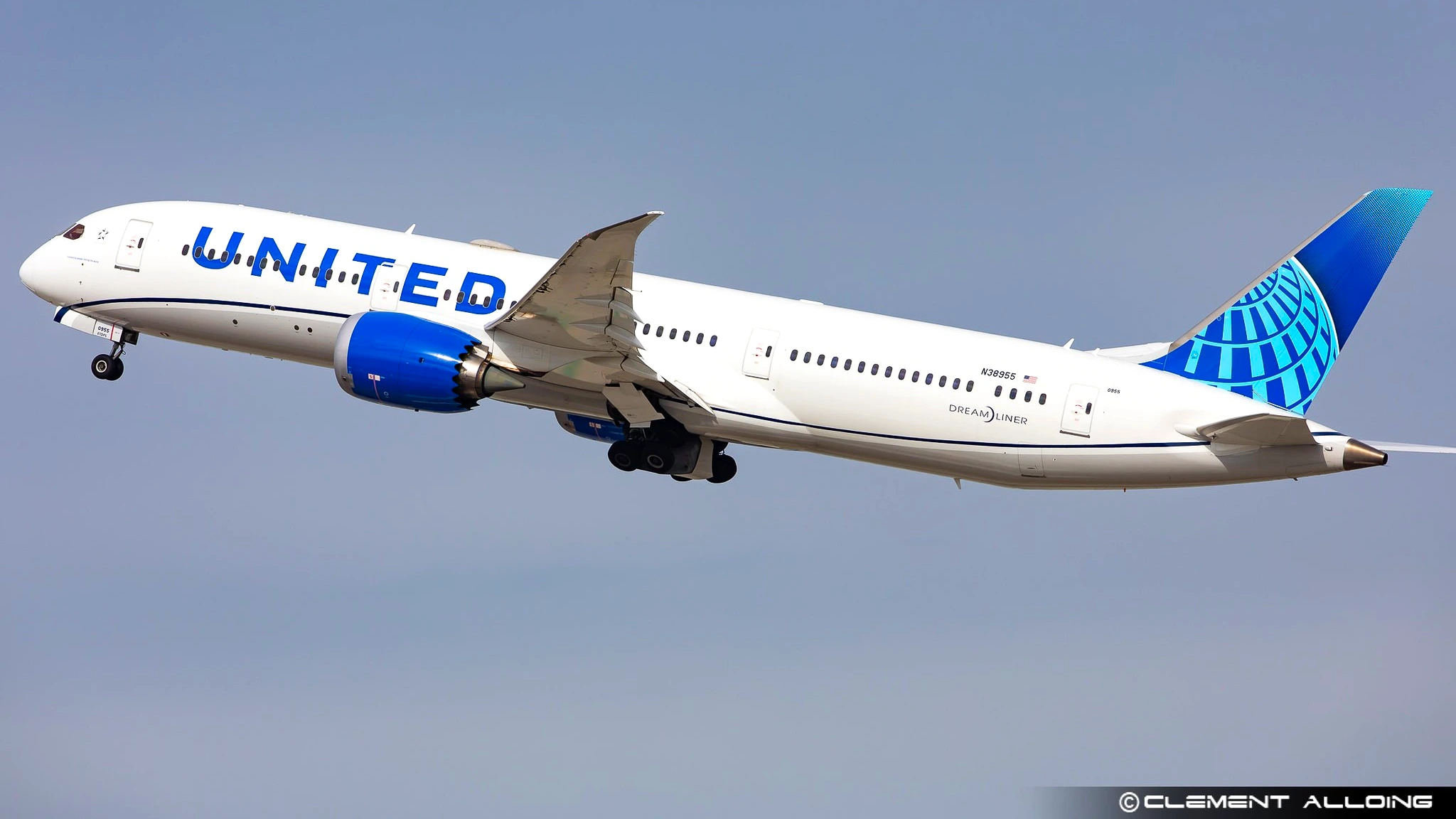
CHICAGO— United Airlines (UA) has filed a motion in a San Francisco federal court to dismiss a lawsuit alleging it misled passengers by charging extra for “window seats” that, in some cases, had no actual windows.
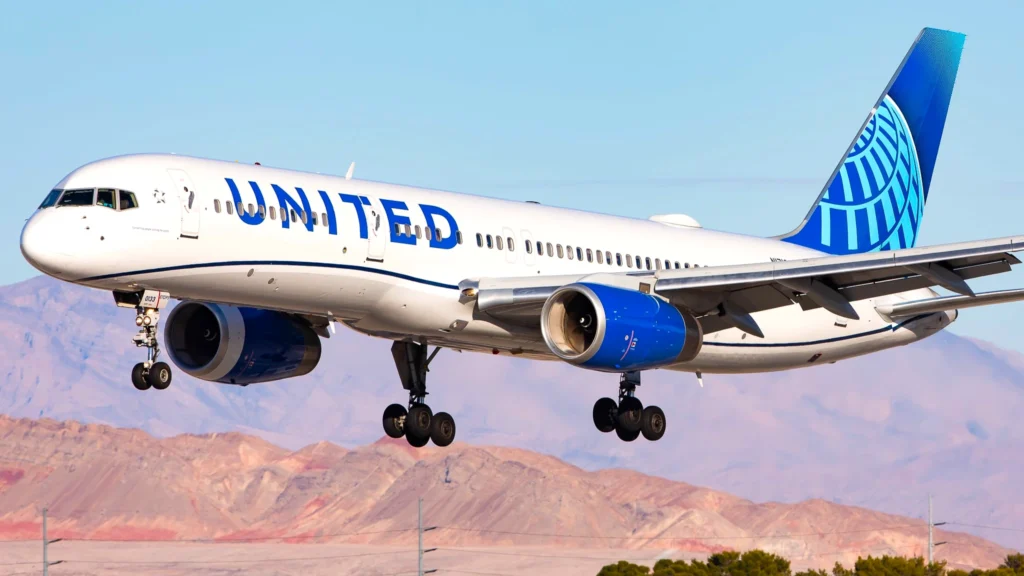
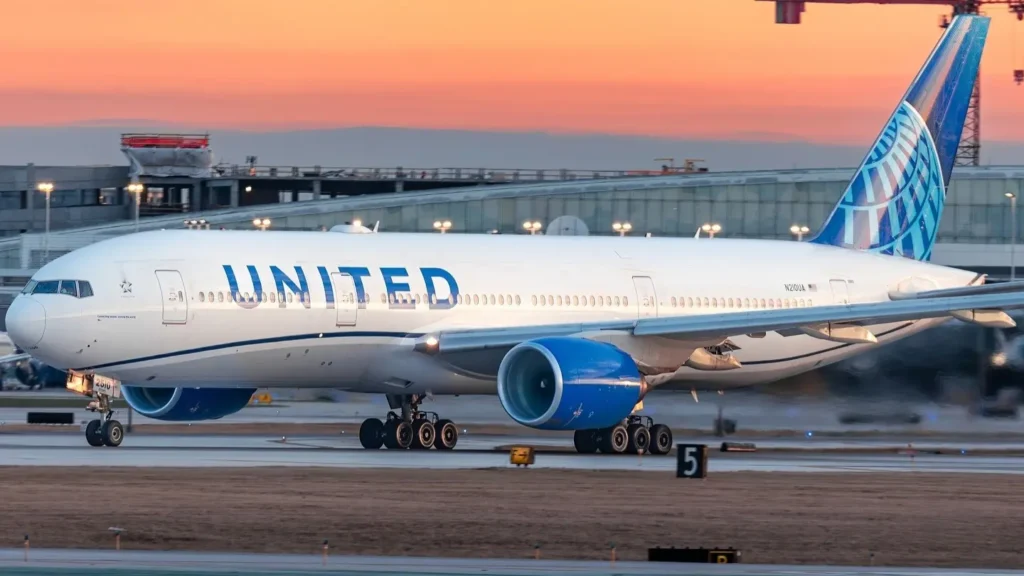
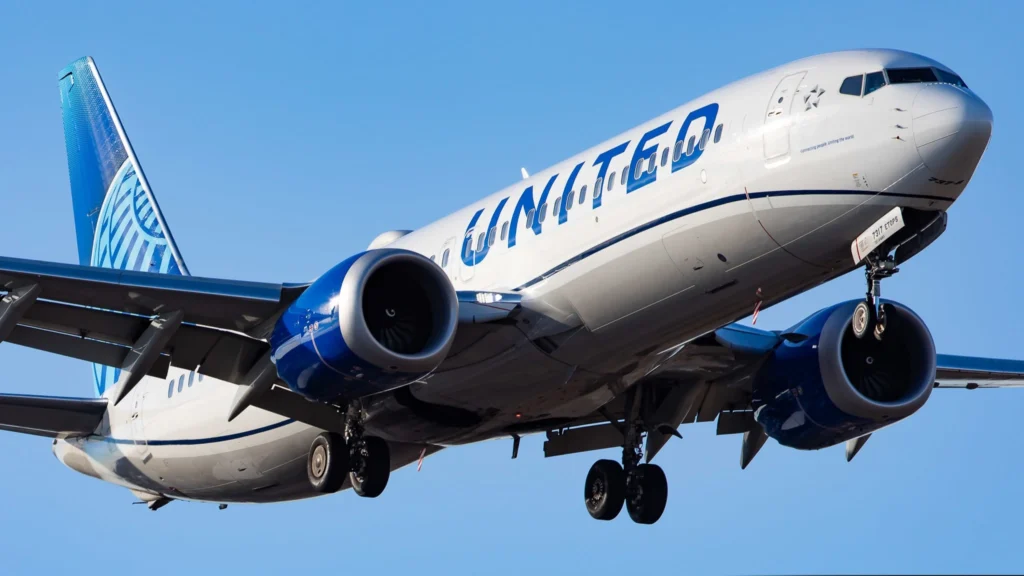
The lawsuit, filed in August, claims that travelers on certain Boeing 737, Boeing 757, and Airbus A321 aircraft were not informed during booking that their so-called “window seats” lacked exterior views. A similar case was filed against Delta Air Lines (DL) in Brooklyn, New York.
United Defends Its ‘Window Seat’ Label
In its response, United Airlines argued that labeling a seat as “window” refers only to its position along the aircraft wall, not a guarantee of an exterior view.
The airline stated that passengers could not reasonably interpret the word “window” as a contractual promise of visibility.
United’s filing cited prior rulings that restrict passengers from pursuing breach of contract claims related to airline seat fees and surcharges, which are regulated under federal aviation law.
The airline emphasized that these optional charges, part of the industry’s ancillary revenue strategy, help maintain competitive base fares while offering travelers the choice to pay for preferred seating.
Plaintiffs Challenge United’s Interpretation
Attorney Carter Greenbaum, representing the plaintiffs, criticized United’s stance as misleading and contrary to passengers’ reasonable expectations.
He argued that travelers paid extra based on the assumption that “window seats” provided an outside view—something many value to ease anxiety, reduce motion sickness, or simply enjoy the scenery.
The lawsuit claims that more than a million passengers collectively paid millions of dollars for these seats, only to find themselves facing a solid cabin wall. The plaintiffs say they would have chosen different seats or not paid extra had the absence of windows been disclosed upfront.
Broader Implications for Airlines
The dispute highlights growing scrutiny of airline seat classifications and transparency in ancillary fees.
As airlines increasingly monetize seat selection, passengers and regulators have pushed for clearer labeling and communication regarding what each paid option entails.
If the court allows the case to proceed, it could set a precedent for how airlines describe seat features in online booking systems. For now, United maintains that its seat labels comply with both industry norms and federal standards.
Stay tuned with us. Further, follow us on social media for the latest updates.
Join us on Telegram Group for the Latest Aviation Updates. Subsequently, follow us on Google News
