

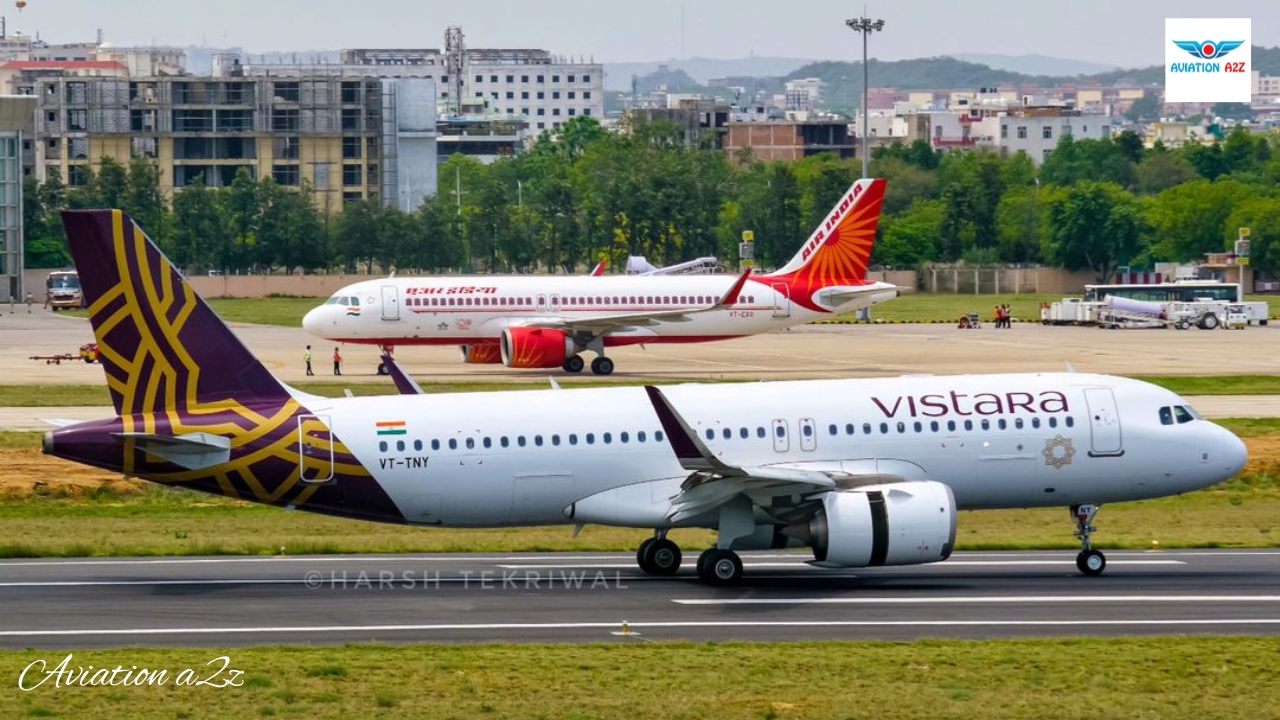
NEW DELHI- A year after merging with Vistara (UK), Air India (AI) is reinforcing its customer-first strategy and redefining its corporate culture.
The airline, based at Indira Gandhi International Airport (DEL), continues to adjust operations amid challenges such as the Ahmedabad (AMD) air crash and Pakistan’s airspace closure, which have impacted costs and flight frequency.
Despite these obstacles, the merger has enabled Air India to streamline operations, enhance service quality, and work toward a unified brand identity.
The management’s renewed focus on passenger satisfaction and internal cohesion marks a significant phase in the Tata Group’s aviation restructuring.
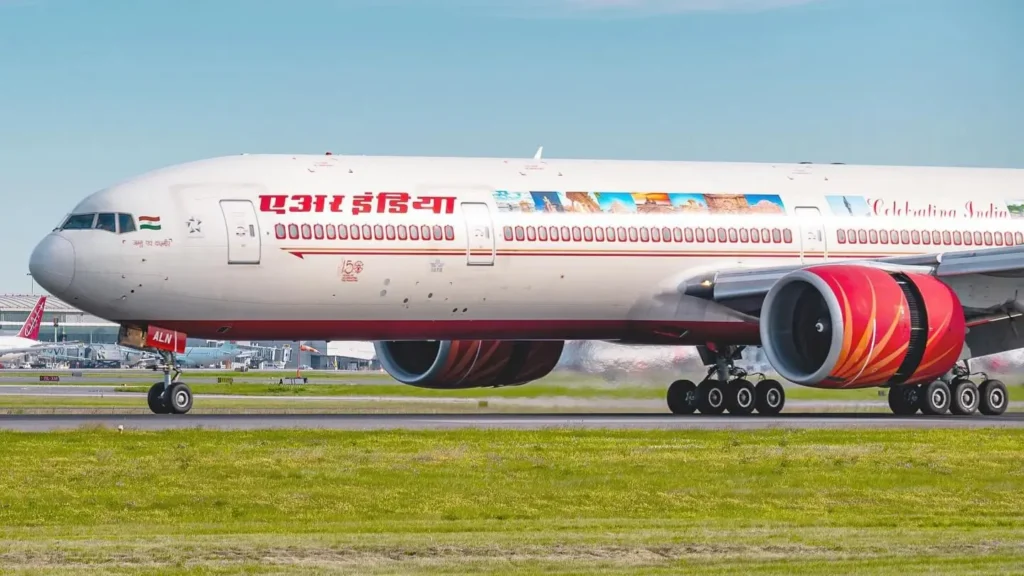
Air India Vistara Merger
Since the completion of the merger on November 12, Air India has emphasized consistency in service and improved communication with passengers.
The airline has reduced its weekly flights from 5,600 to 4,700 due to aircraft retrofits, lease returns, and route transfers to Air India Express (IX). The fleet now stands at 187 aircraft, covering 82 destinations worldwide.
The airline’s premium economy offering remains under review. Despite competitive pricing, bookings in this class lag behind expectations, leading to frequent upgrades from economy.
Air India noted that the number of aircraft equipped with premium economy has risen from 25 to 108, including former Vistara planes.
The carrier is now working with corporate clients and government bodies to integrate premium economy into travel policies to boost adoption, The HinduBusinessLine reported.
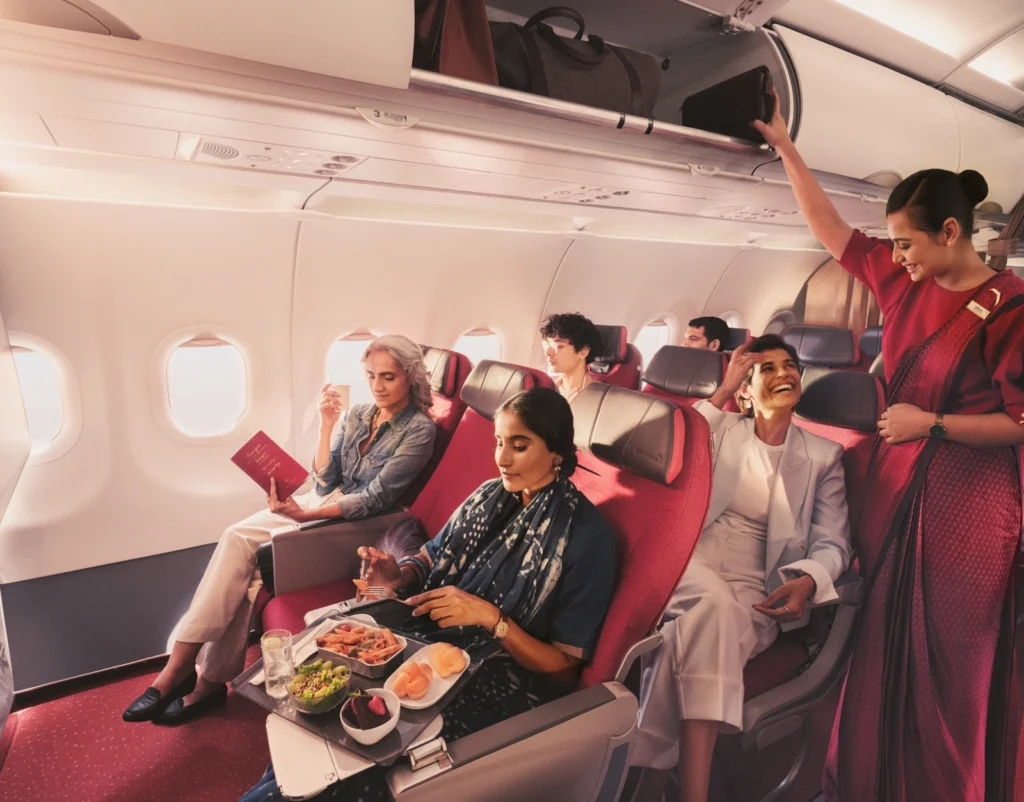
In-Flight Enhancements and Brand Consistency
Air India has implemented new service protocols and standardized crew interactions to ensure a consistent passenger experience. Cabin crew engagement, uniform announcements, and proactive communication regarding flight disruptions have improved customer satisfaction.
A refreshed bar menu is also in development, offering curated selections tailored to specific routes.
The airline aims to differentiate offerings between first and business classes to enhance perceived value.
Crew feedback highlights ongoing efforts to upgrade aircraft interiors and entertainment systems, essential for maintaining premium service levels.
According to company data, the Net Promoter Score (NPS) of the merged airline in the domestic market has reached an all-time high, surpassing pre-merger performance metrics of Vistara.
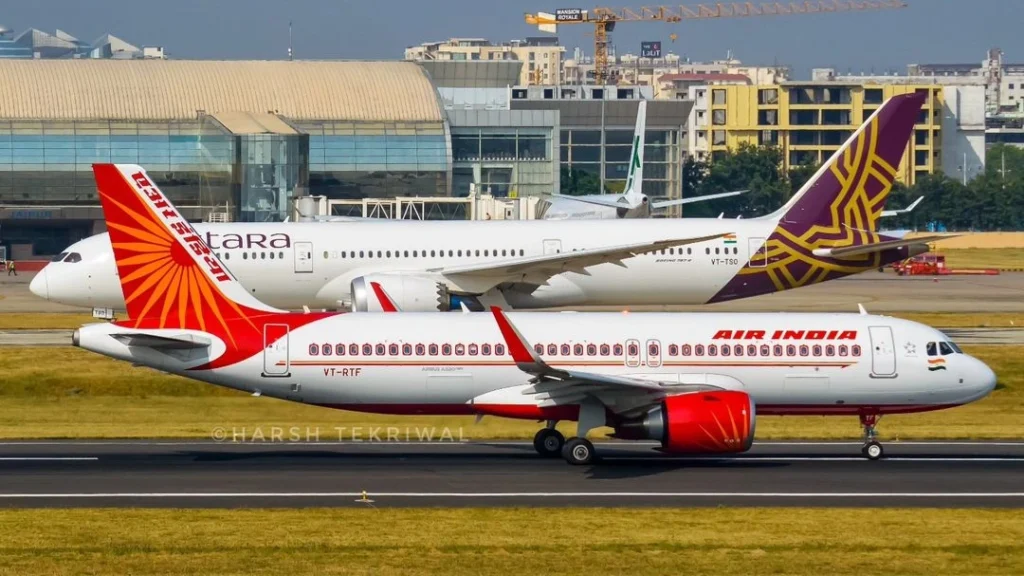
Building a Unified Organizational Culture
Air India is now shaping a shared company culture combining legacy employees, Vistara personnel, and new recruits from post-privatization hiring.
An organization-wide employee survey has contributed to defining this culture, fostering collaboration and inclusivity.
A common seniority list has been finalized for pilots, with one for cabin crew underway. Some employees have expressed concerns regarding roster management and scheduling.
However, executives note that Air India’s culture is gradually adopting Vistara’s agile, first-name-based communication style, marking a departure from the traditional hierarchical structure once prevalent in the airline.
Looking Ahead
The first anniversary of the merger marks a pivotal point in Air India’s transformation journey. The airline is balancing operational restructuring with a renewed customer focus and internal cultural evolution.
As it continues to modernize its fleet and refine service delivery, Air India aims to establish itself as a globally competitive, customer-centric carrier.
Stay tuned with us. Further, follow us on social media for the latest updates.
Join us on Telegram Group for the Latest Aviation Updates. Subsequently, follow us on Google News
