

The Middle East and Africa have emerged as pivotal regions in global aviation, bridging East and West while serving millions of passengers across continents.
Over the past decade, major airports in the Gulf, North Africa, and Sub-Saharan Africa have grown into key transfer points, supported by strong home carriers with extensive international networks.
In 2025, the list of the ten most connected airports (published by OAG) in the region showcases a blend of mega-hubs and regional gateways that link continents and drive air travel growth.

Middle East Mega-Hubs
The Middle East is home to some of the fastest-growing aviation hubs in the world. Powered by strategic geographic locations, strong national carriers, and major infrastructure investments, these airports have become central players in global connectivity.
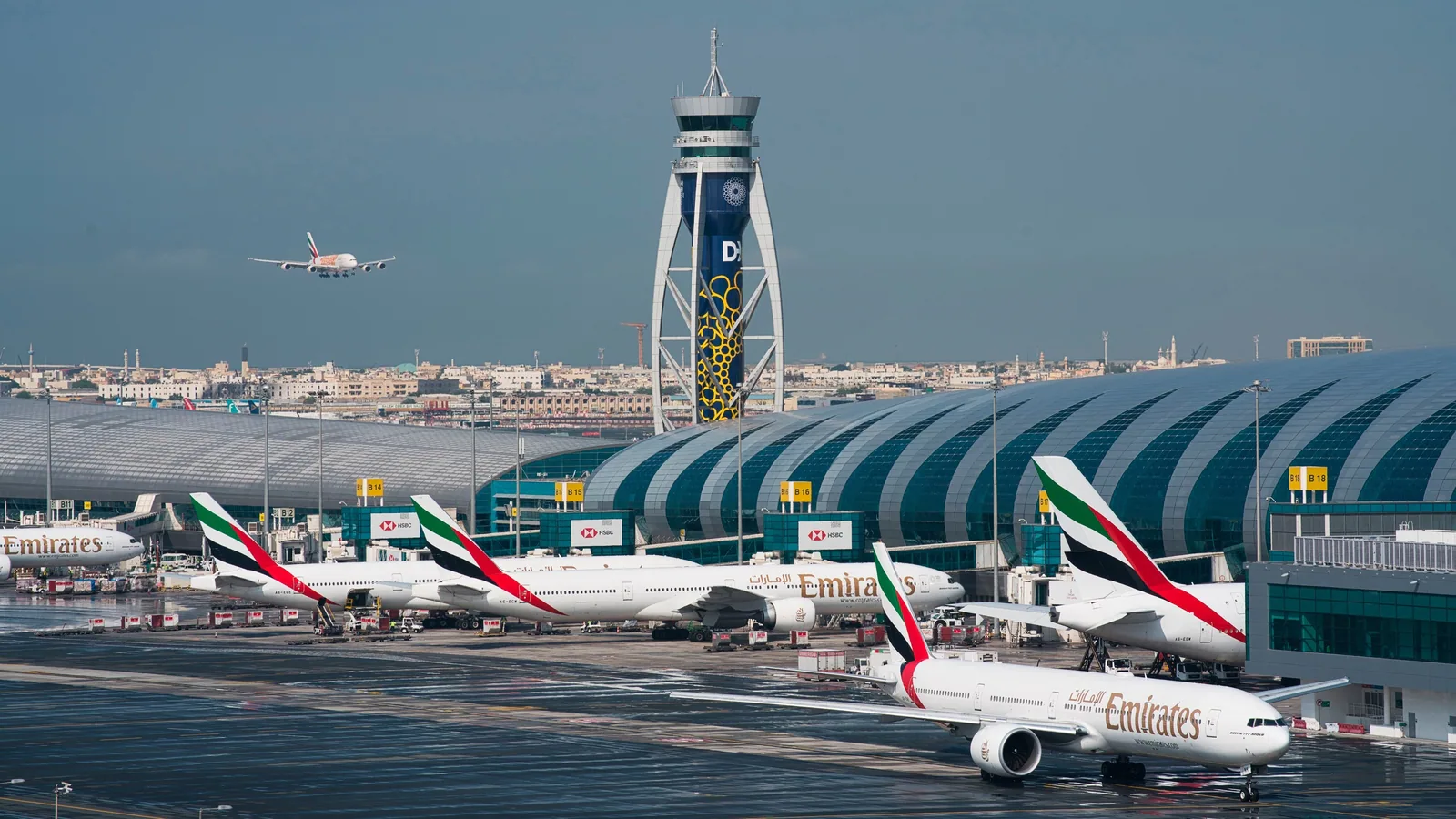
The Middle East dominates the connectivity landscape, with airports like Dubai (DXB), Doha (DOH), Abu Dhabi (AUH), and Sharjah (SHJ) serving as global transfer points.
Their geographic position at the crossroads of Europe, Asia, and Africa has turned them into natural hubs for long-haul travel.
Dubai International Airport (DXB) continues to lead the region, with Emirates (38% share of flights) serving as its dominant carrier. DXB connects passengers to more than 200 destinations worldwide, offering one of the most extensive international networks.
Despite new competition from regional players, Dubai remains unmatched in scale and passenger traffic.
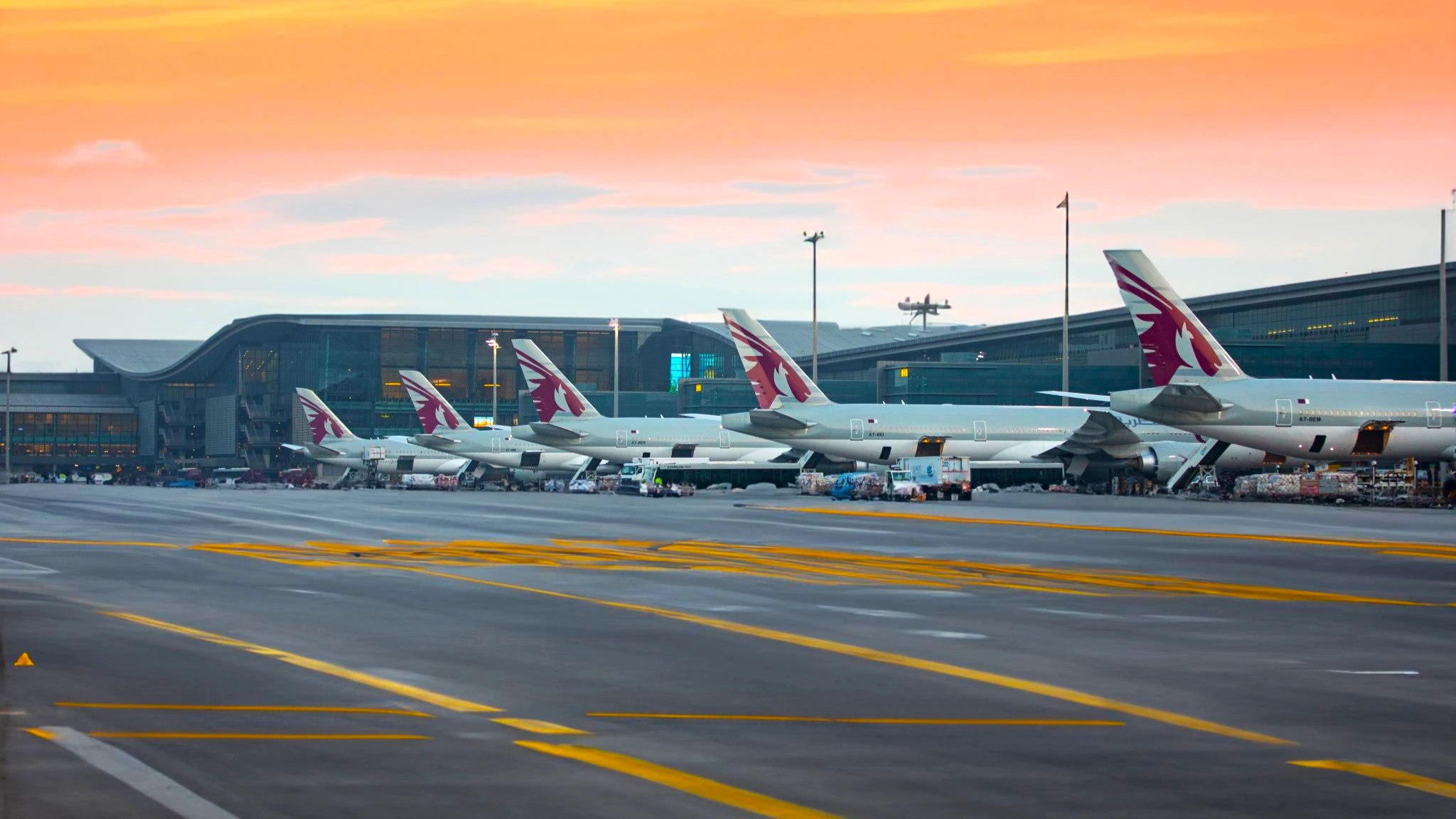
Hamad International Airport (DOH) in Qatar is another global leader, with Qatar Airways (77% share) making it one of the most centralized hubs in the world.
Known for its world-class facilities and rapid expansion, DOH has become a major rival to Dubai, particularly for passengers traveling between Asia and Europe.
Abu Dhabi International Airport (AUH) remains a strong competitor, powered by Etihad Airways (57% share). While not as dominant as Dubai or Doha, AUH has carved out its niche with a growing long-haul network and expanding terminal capacity.
Its continued investments are designed to strengthen the UAE’s aviation competitiveness as a whole.
Sharjah International Airport (SHJ), dominated by Air Arabia (75% share), plays a different but vital role.
As the main hub for one of the largest low-cost carriers in the Middle East, SHJ ensures millions of budget-conscious travelers can access affordable connections across the region, Europe, and Asia.
Kuwait International Airport (KWI) also stands out with Jazeera Airways (33% share) and Kuwait Airways expanding their presence. Positioned between the Gulf and South Asia, Kuwait is investing heavily in airport modernization to attract more regional and international traffic.
Africa’s Regional Air Travel
Africa’s most connected airports highlight the importance of regional carriers that provide vital links across a continent where air travel infrastructure is still developing.
Johannesburg (JNB), Addis Ababa (ADD), Cairo (CAI), and Addis Ababa (ADD) are central nodes for both continental and international flights.
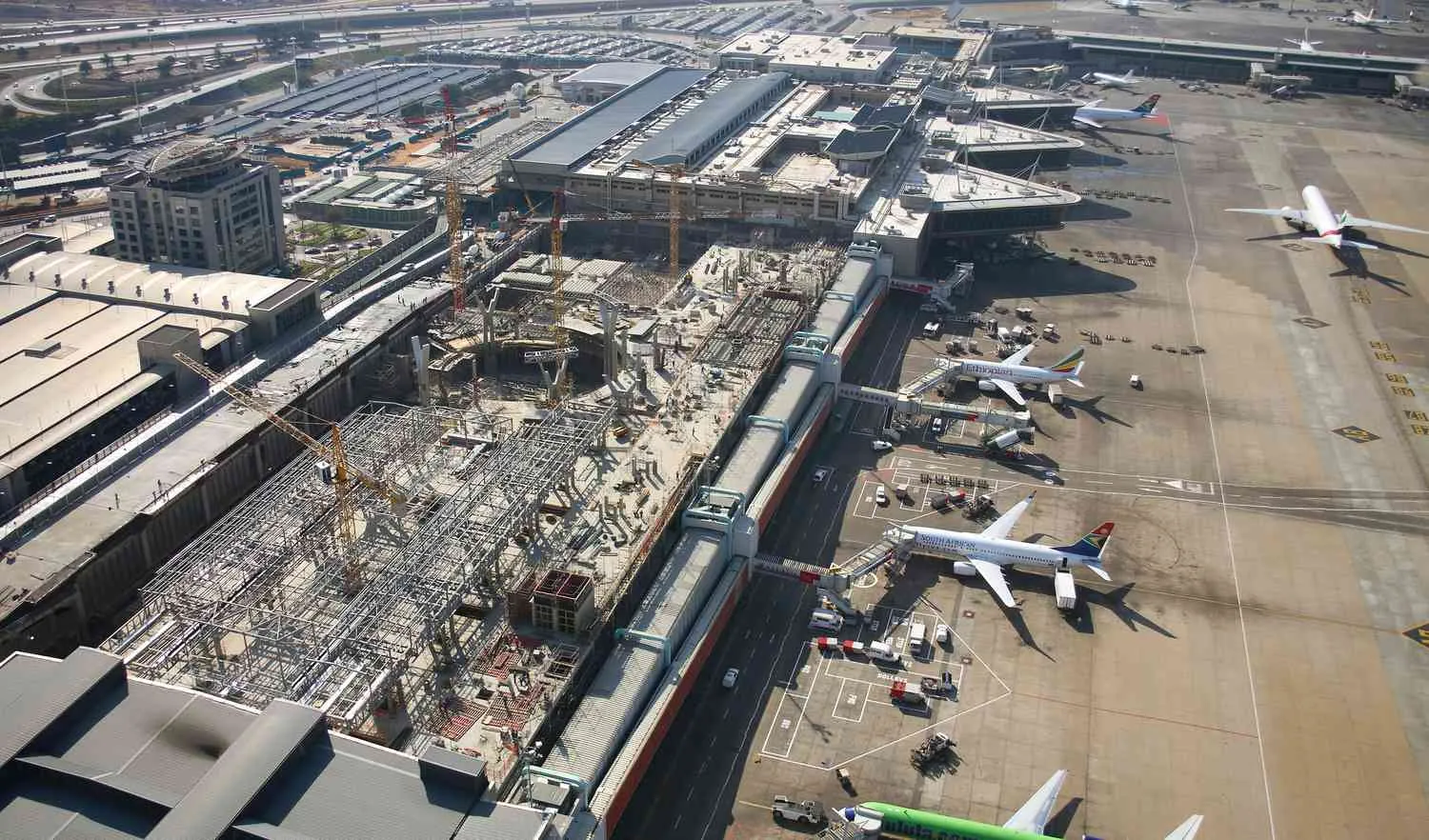
O.R. Tambo International Airport (JNB) in South Africa, with Airlink as the dominant carrier (35% share), is Sub-Saharan Africa’s leading hub.
It links Africa’s southern region with Europe, Asia, and the Americas. With Johannesburg’s status as a financial hub, JNB serves both business travelers and tourists heading to South Africa’s world-renowned destinations.
Addis Ababa Bole International Airport (ADD) has become one of the fastest-growing hubs in Africa, with Ethiopian Airlines holding a commanding 95% share of flights.
As the largest airline in Africa, Ethiopian uses ADD as its gateway to over 60 African cities and many intercontinental destinations. Its network strategy has positioned Addis Ababa as a critical stopover point for African passengers traveling to Europe, Asia, and the Americas.
Cairo International Airport (CAI), with Egyptair (40% share), continues to serve as North Africa’s busiest hub.
Its location makes it a strategic link between Africa, Europe, and the Middle East.
Cairo benefits not only from strong airline partnerships but also from Egypt’s growing tourism industry, which ensures a steady flow of both regional and long-haul traffic.
Expanding Gulf and Saudi Connectivity
Saudi Arabia is playing an increasingly significant role in reshaping the region’s aviation map. Both Riyadh (RUH) and Jeddah (JED) are expanding capacity and networks as part of Saudi Arabia’s broader strategy to become a global travel and tourism hub under Vision 2030.
King Khalid International Airport (RUH), dominated by Saudia (41% share), is the central hub in the Saudi capital.
With strong government backing, RUH is undergoing expansions to handle more long-haul and transit passengers. Its ambition is not just to serve domestic and religious traffic but also to compete directly with Dubai and Doha for global connectivity.
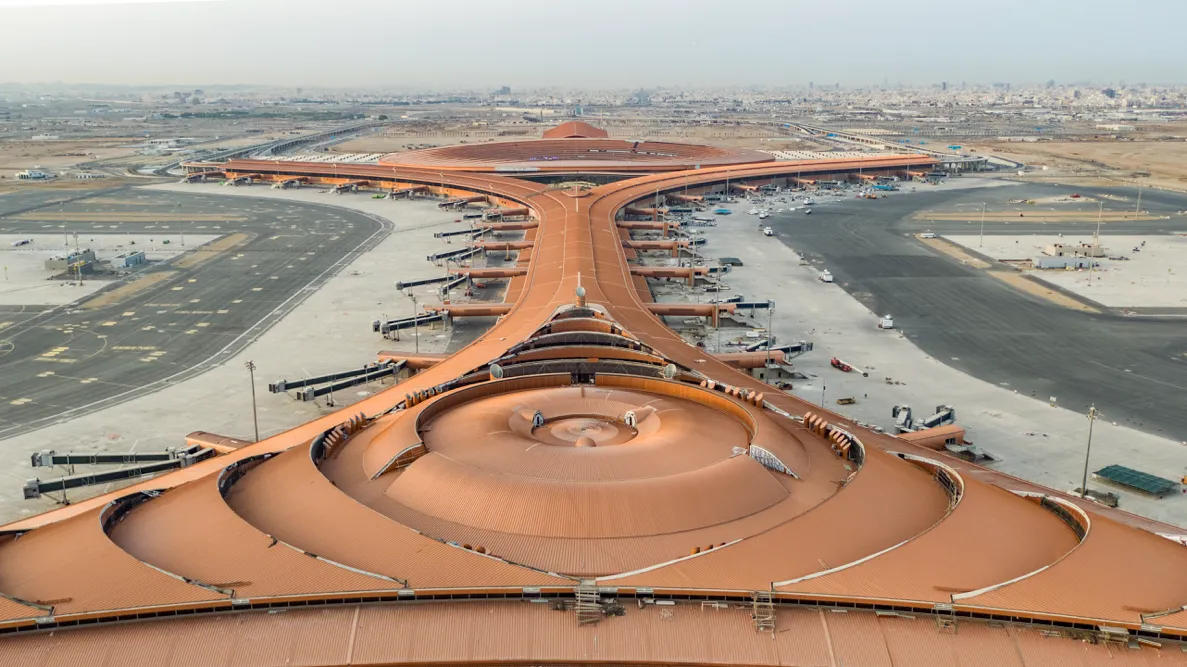
King Abdulaziz International Airport (JED) in Jeddah also plays a unique role. While Saudia accounts for 38% of flights, JED is best known as the gateway for millions of religious pilgrims traveling to Mecca.
In addition to its spiritual importance, Jeddah has expanded its commercial role, connecting Africa, Asia, and Europe.
Together, RUH and JED demonstrate Saudi Arabia’s aggressive push to increase its aviation footprint, with both airports investing heavily in infrastructure and services to attract international passengers.

| Rank | Airport | Country | Dominant Carrier | Share of Flights |
|---|---|---|---|---|
| 1 | DXB – Dubai International Airport | United Arab Emirates | Emirates | 38% |
| 2 | RUH – King Khalid International Airport | Saudi Arabia | Saudia (Saudi Arabian Airlines) | 41% |
| 3 | DOH – Hamad International Airport | Qatar | Qatar Airways | 77% |
| 4 | JNB – O.R. Tambo International Airport | South Africa | Airlink | 35% |
| 5 | ADD – Addis Ababa Bole International Airport | Ethiopia | Ethiopian Airlines | 95% |
| 6 | AUH – Abu Dhabi International Airport | United Arab Emirates | Etihad Airways | 57% |
| 7 | CAI – Cairo International Airport | Egypt | Egyptair | 40% |
| 8 | JED – King Abdulaziz International Airport | Saudi Arabia | Saudia (Saudi Arabian Airlines) | 38% |
| 9 | KWI – Kuwait International Airport | Kuwait | Jazeera Airways | 33% |
| 10 | SHJ – Sharjah International Airport | United Arab Emirates | Air Arabia | 75% |
Bottom Line
The ten most connected airports in the Middle East and Africa for 2025 reveal a dynamic mix of mega-hubs and regional players.
From Dubai’s dominance and Doha’s rise to Addis Ababa’s African leadership and Saudi Arabia’s growing influence, these airports reflect the region’s transformation into one of the most critical aviation zones in the world.
With carriers like Emirates, Qatar Airways, Ethiopian Airlines, and Saudia at the center, these hubs are more than transit points — they are engines of economic growth, cultural exchange, and tourism development.
Stay tuned with us. Further, follow us on social media for the latest updates.
Join us on Telegram Group for the Latest Aviation Updates. Subsequently, follow us on Google News
