

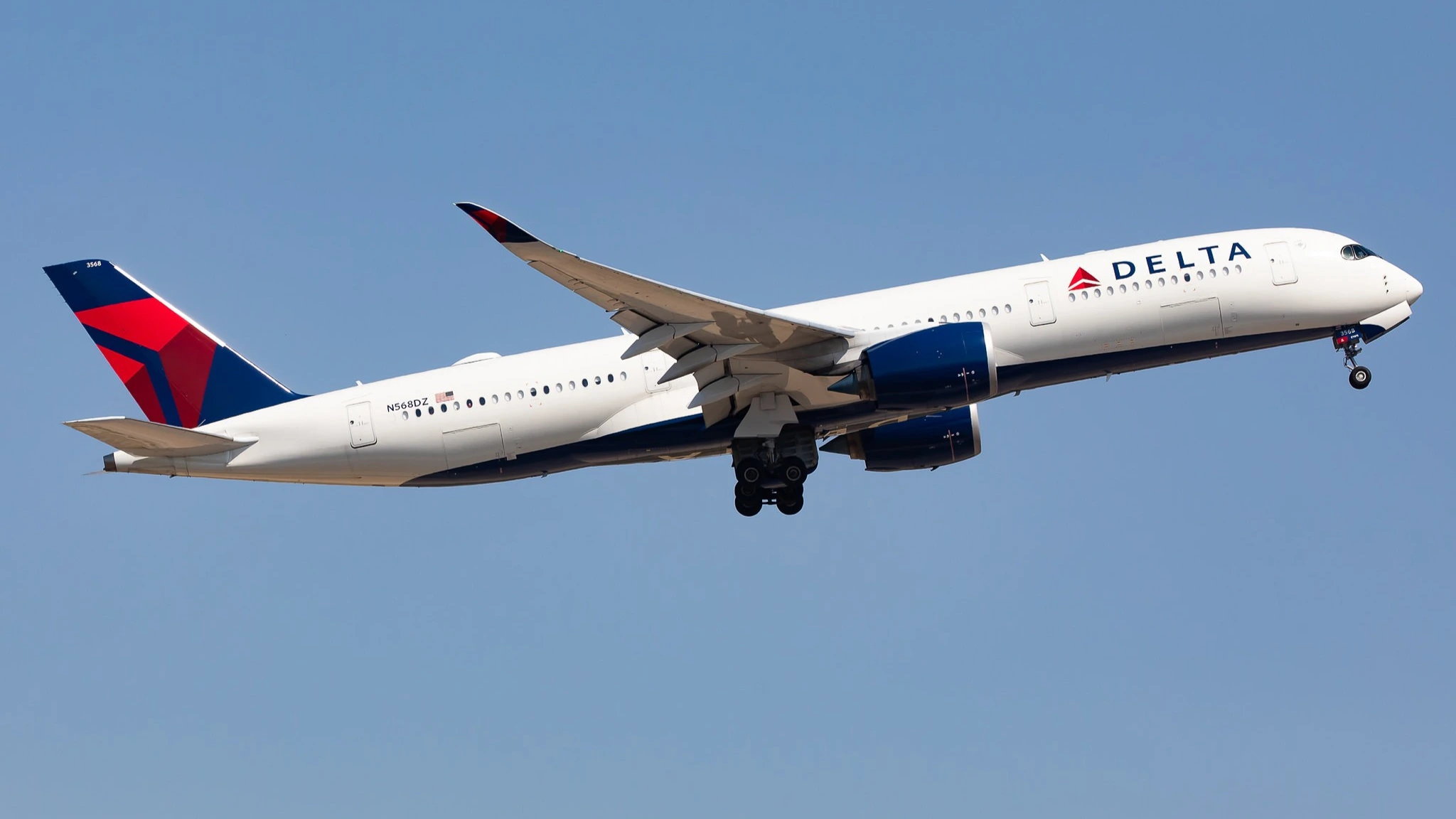
ATLANTA— Delta Air Lines (DL) is preparing a significant push into Asia, with new long-haul routes planned to Singapore (SIN), Manila (MNL), and enhanced connectivity to Seoul Incheon (ICN). The move follows recent announcements of flights to Hong Kong (HKG) and Riyadh (RUH), signaling the airline’s renewed focus on high-demand international markets.
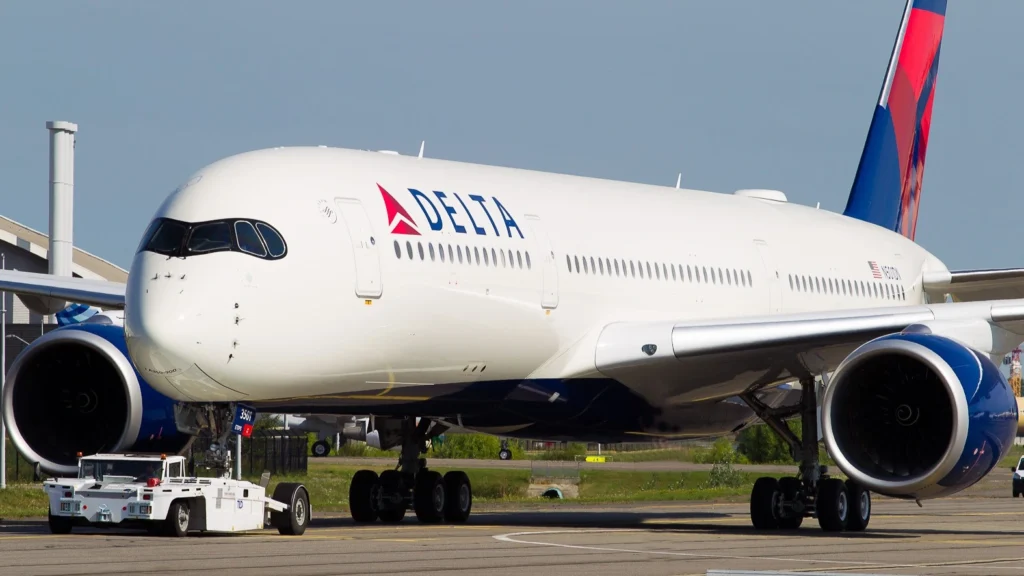
Executives say the carrier’s European network is near capacity, and future growth will hinge on expanding into Asia, the Middle East, and Africa. According to internal discussions, Delta’s (DL) next phase of long-haul growth will rely heavily on its upcoming fleet of Airbus A350s, including the new A350-1000 flagship.
Delta Eyes Asia Expansion
Delta’s long-term international growth is now centered on Asia. With its European routes largely saturated, the airline sees greater potential in markets like Southeast Asia and the Pacific Rim.
As reported by OMAAT, Delta is actively planning new routes to Singapore (SIN) and Manila (MNL), although the exact U.S. departure cities have not yet been finalized.
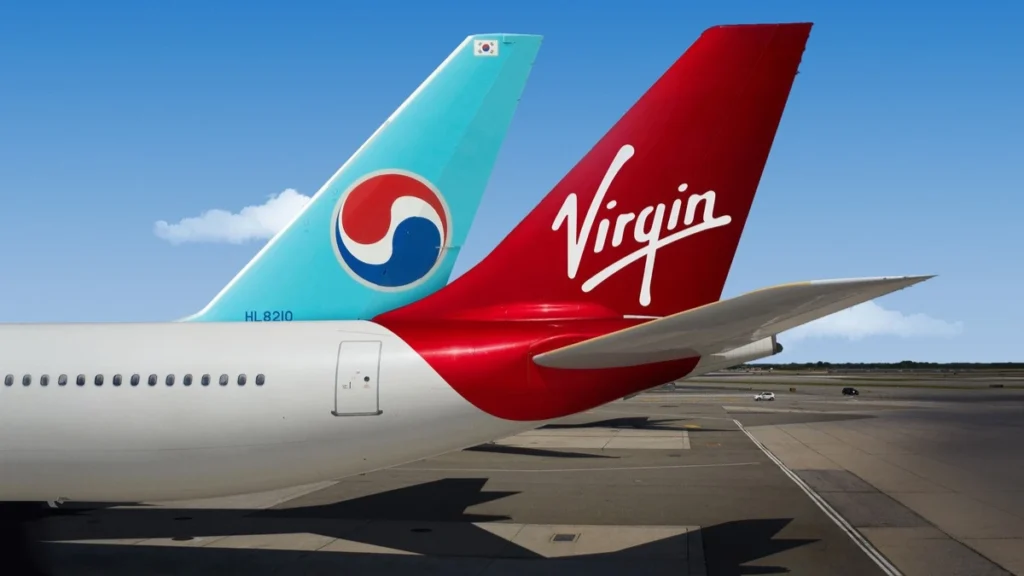
The carrier is also working to connect its Los Angeles (LAX) and New York (JFK) hubs directly to Seoul Incheon (ICN), the hub of its joint venture partner, Korean Air (KE).
This would strengthen Delta’s transpacific operations by streamlining connections across Asia and improving its competitiveness against United Airlines, which currently dominates the region among U.S. carriers.
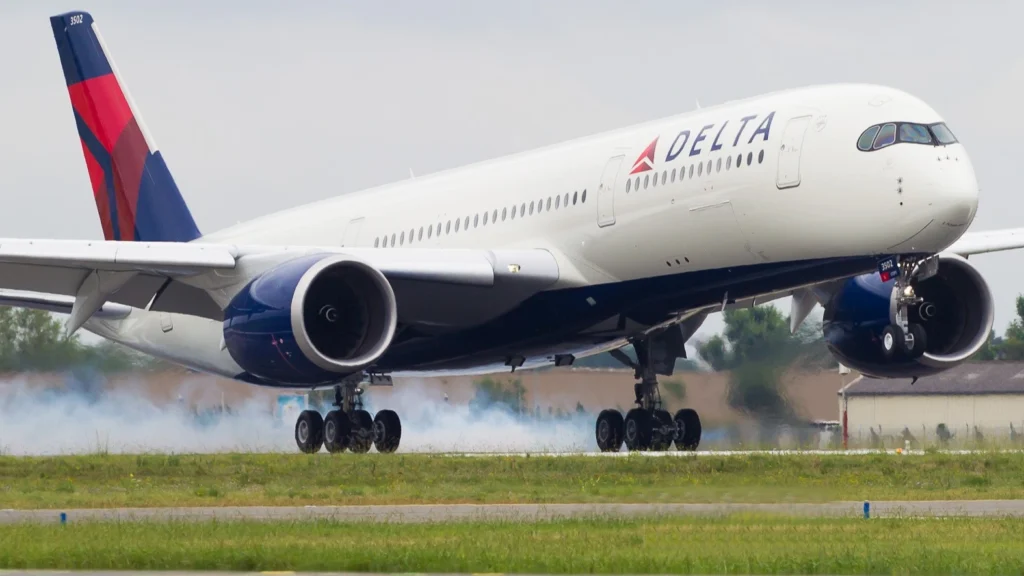
Delta currently operates a modern long-haul fleet of Airbus A350-900s for its Pacific services, with six more on order. The addition of 20 A350-1000s will further enhance range and efficiency, allowing the airline to operate longer, more profitable routes.
Catching Up to United in the Asia Market
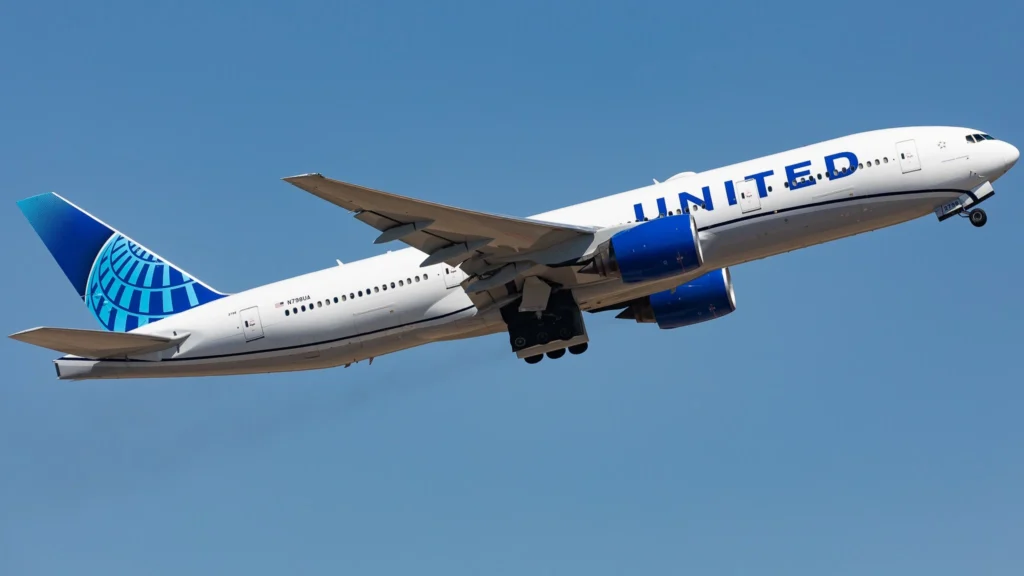
United Airlines has long led the U.S.–Asia segment, and Delta’s latest network adjustments aim to close that gap. Historically, Delta has taken a cautious approach to ultra-long-haul operations due to high labor costs and limited profitability outside joint venture hubs.
With the return of service to Hong Kong (HKG) from Los Angeles (LAX), Delta appears to be shifting its transpacific focus southward rather than relying solely on its Seattle (SEA) gateway. This could hint that future Singapore (SIN) and Manila (MNL) flights may also originate from Los Angeles, where demand and connecting traffic are stronger.
Meanwhile, the addition of routes from both New York (JFK) and Los Angeles (LAX) to Seoul Incheon (ICN) would fill long-standing network gaps, giving Delta more control over its own transpacific capacity.
While Korean Air covers much of that flying under the joint venture, many Delta customers prefer to stay on Delta-operated aircraft, especially since Korean Air lacks in-flight Wi-Fi on most long-haul routes.
Fleet Expansion Enables New Opportunities
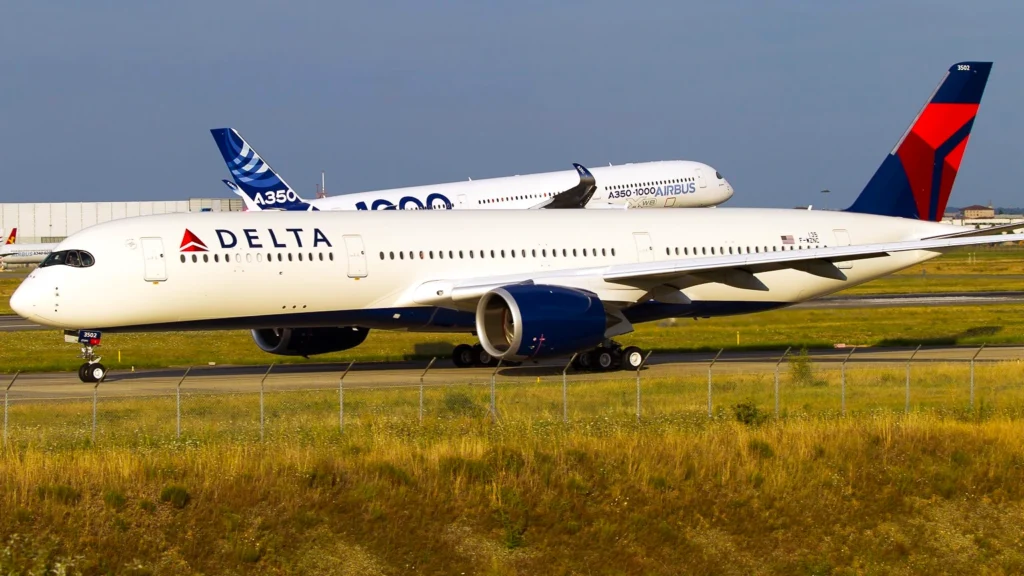
Delta’s expansion strategy hinges on the continued delivery of its Airbus A350 family. The A350-1000s, in particular, will serve as the airline’s new flagship, capable of operating nonstop missions to Southeast Asia and beyond.
These aircraft offer better fuel efficiency, lower maintenance costs, and improved passenger comfort—key advantages for long-haul profitability.
Once deliveries ramp up, Delta is expected to phase in additional ultra-long-haul flights to Asia, the Middle East, and Africa. Though exact launch timelines remain unconfirmed, the network changes reflect a deliberate shift in Delta’s global strategy toward underserved and high-growth markets.
Expert Views on Hub Choices and Strategy
Analysts and frequent flyers are divided on where Delta will base its new Asia routes. Some believe Los Angeles (LAX) will serve as the main base, citing its larger local market and better product alignment.
One aviation analyst said, “I think these will launch from LAX, not because of Seattle’s hub strength, but because LAX has the larger origin and destination market. Plus, LAX offers Delta One service to JFK, BOS, and DCA, giving business travelers continuity across their journey.”
Others argue that Seattle (SEA) still has a role to play. Delta established an A350 base there, suggesting at least one of the new routes could depart from Seattle. As another expert noted, “Otherwise, why open an A350 base in Seattle? It would make sense for at least one of the Asia flights to operate from there.”
Still, the trend appears to favor Los Angeles. Industry observers point out that Delta’s decision to relaunch Hong Kong (HKG) from LAX instead of Seattle signals a possible strategic pivot away from its Pacific Northwest hub.
One expert summarized the shift clearly: “If these new flights aren’t out of Seattle, it’ll be telling. Alaska Airlines’ growing presence and ten new 787s are making Seattle increasingly competitive. Delta’s focus could be moving south.”
The JFK Factor and SkyTeam Coordination
Questions also surround Delta’s operations at New York (JFK), where infrastructure challenges persist. Korean Air currently operates from Terminal 1, while Delta and other SkyTeam partners are based at Terminal 4.
An industry expert commented, “It’s confusing. There’s no airside transport between T1 and T4, and immigration lines at T1 are notoriously long. For SkyTeam to strengthen its presence at JFK, carriers should consolidate in T4 or improve the airside connectivity.”
A unified terminal presence would make connections smoother and enhance Delta’s competitiveness in one of its most important global hubs.
Competitive Landscape in the Pacific
United Airlines continues to dominate the transpacific market through its San Francisco (SFO) hub. As one expert noted, “UA wins the Pacific because it has the best U.S. gateway to Asia in SFO. They’re getting 29 more 787s by next year, totaling 109. That scale advantage lets them connect nearly every major Asian city directly.”
Despite United’s strength, Delta maintains a significant presence and passenger volume at LAX, with experts ranking it among the airline’s top four hubs after Atlanta (ATL), New York (JFK), and either Minneapolis (MSP) or Detroit (DTW). The airline’s Asia routes from LAX would leverage this strength, targeting both premium and leisure travelers.
Passenger Perspectives on Korean Air Partnership
Not all passengers view Delta’s joint venture with Korean Air as an equal experience. Some travelers actually prefer flying Korean Air metal.
One frequent flyer shared, “I take Delta codeshares on Korean Air whenever possible. The crew service, even in economy, is far superior to what Delta offers. The long-haul business class on Korean, ANA, Singapore, or EVA is also on another level.”
That sentiment reflects a broader challenge for Delta: maintaining consistency in service standards across its joint venture routes while expanding its own long-haul operations.
Bottom Line
Delta Air Lines (DL) is preparing a renewed Asia expansion, with plans to launch flights to Singapore (SIN), Manila (MNL), and Seoul Incheon (ICN), following recent announcements for Hong Kong (HKG) and Riyadh (RUH).
The strategy underscores the carrier’s long-term focus on Asia and its commitment to strengthening transpacific connectivity as new A350 aircraft enter service.
Stay tuned with us. Further, follow us on social media for the latest updates.
Join us on Telegram Group for the Latest Aviation Updates. Subsequently, follow us on Google News
