


When it comes to air travel in 2025, one region stands out for its resilience, growth, and increasing stability: Southeast Asia.
While other parts of the world face geopolitical tensions, rising costs, and economic slowdowns, the 10 member countries of the Association of Southeast Asian Nations (ASEAN) are building a strong, interconnected travel network — largely powered by regional travel.
As international aviation struggles to reach pre-pandemic levels, intra-ASEAN travel is steadily bouncing back. With 46 million scheduled seats available in Summer 2025 for travel between ASEAN countries, regional travel has grown 7% compared to Summer 2024.
Although still 6% below Summer 2019’s peak of 50 million seats, this steady recovery shows clear signs that Southeast Asia could become the most stable air travel region in the world.

ASEAN’s Network of Neighbors
The ASEAN region includes Brunei Darussalam, Cambodia, Indonesia, Laos, Malaysia, Myanmar, the Philippines, Singapore, Thailand, and Vietnam.
These countries have long benefited from close cultural, economic, and geographic ties, and now, their air travel connections are catching up.
In 2019, intra-ASEAN travel accounted for 37% of international arrivals, according to OAG. Fast forward to 2024, and that share has grown to 45%. As long-haul travel faces headwinds, this strong focus on regional connections helps shield Southeast Asia from global disruptions.
Despite the impact of COVID-19, which temporarily reduced seat capacity and international connections, ASEAN’s regional routes have made a strong comeback.
Airlines are now working hard to reconnect cities, add new routes, and meet the growing demand for short-haul travel within the region.
Vietnam Surges Ahead
In Summer 2025, Malaysia took the lead with 19.3 million scheduled seats connecting to other ASEAN countries.
While that figure is still 5.5% below its Summer 2019 numbers, it shows a strong return to form. Singapore, long considered Southeast Asia’s aviation hub, follows closely with 19 million seats (10% behind 2019 levels).
Even though Malaysia now has a slight lead in seat numbers, Singapore remains critical to the region. In fact, six of the ten busiest intra-ASEAN routes either start or end in Singapore.
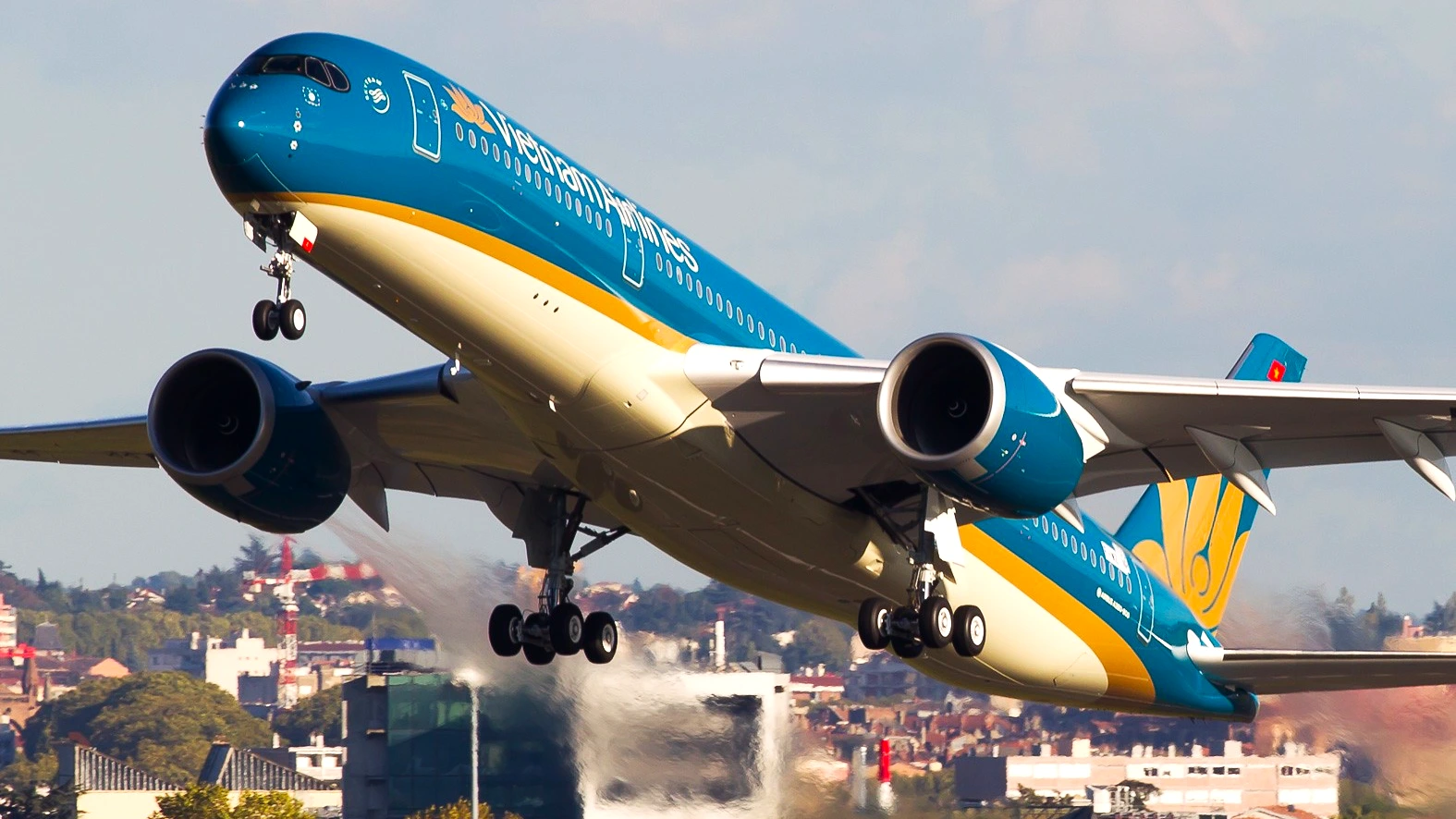
But the fastest growth story belongs to Vietnam. The country has expanded its intra-ASEAN seat capacity by 21.8% compared to Summer 2024 and is now 8.5% ahead of its 2019 capacity. Vietnam’s number of regional routes has jumped from 45 in 2019 to 51 in 2025.
Secondary cities like Danang and Phu Quoc are helping lead this growth. Danang added five new intra-ASEAN routes, while Phu Quoc added three — connecting to key cities like Bangkok and Jakarta.

Connections Between Secondary Cities
Southeast Asia is no longer just about capital-to-capital travel. A new trend is emerging: more flights between secondary cities. This shift opens up new travel options for tourists and business travelers alike.
In Summer 2025, seat capacity on routes between secondary cities within ASEAN grew by 18% compared to Summer 2024. Airport pair analysis shows that there are now 50 new intra-ASEAN connections compared to 2019 — the majority between lesser-known airports.
Notably, 22 of these new routes are to and from Indonesia, a country with vast geography and a growing domestic aviation market.
Malaysia also saw ten new connections, including four from Kuala Lumpur to Indonesian secondary cities and three from Kota Kinabalu. Bali, Indonesia’s top leisure destination, added new links to Hanoi and Phuket.
These new routes show that passengers are increasingly looking beyond traditional gateways and exploring other regional cities — creating a broader and more stable network.
Another driving factor behind the region’s aviation stability is the continued rise of low-cost carriers (LCCs).
Airlines such as AirAsia, VietJet, and Lion Air have aggressively expanded their networks within ASEAN, offering affordable fares that encourage more frequent travel among locals and tourists alike.
These budget carriers have also been instrumental in opening up routes to smaller cities that were previously underserved, helping to spread tourism and economic benefits beyond major hubs.
The Expanding ASEAN Network
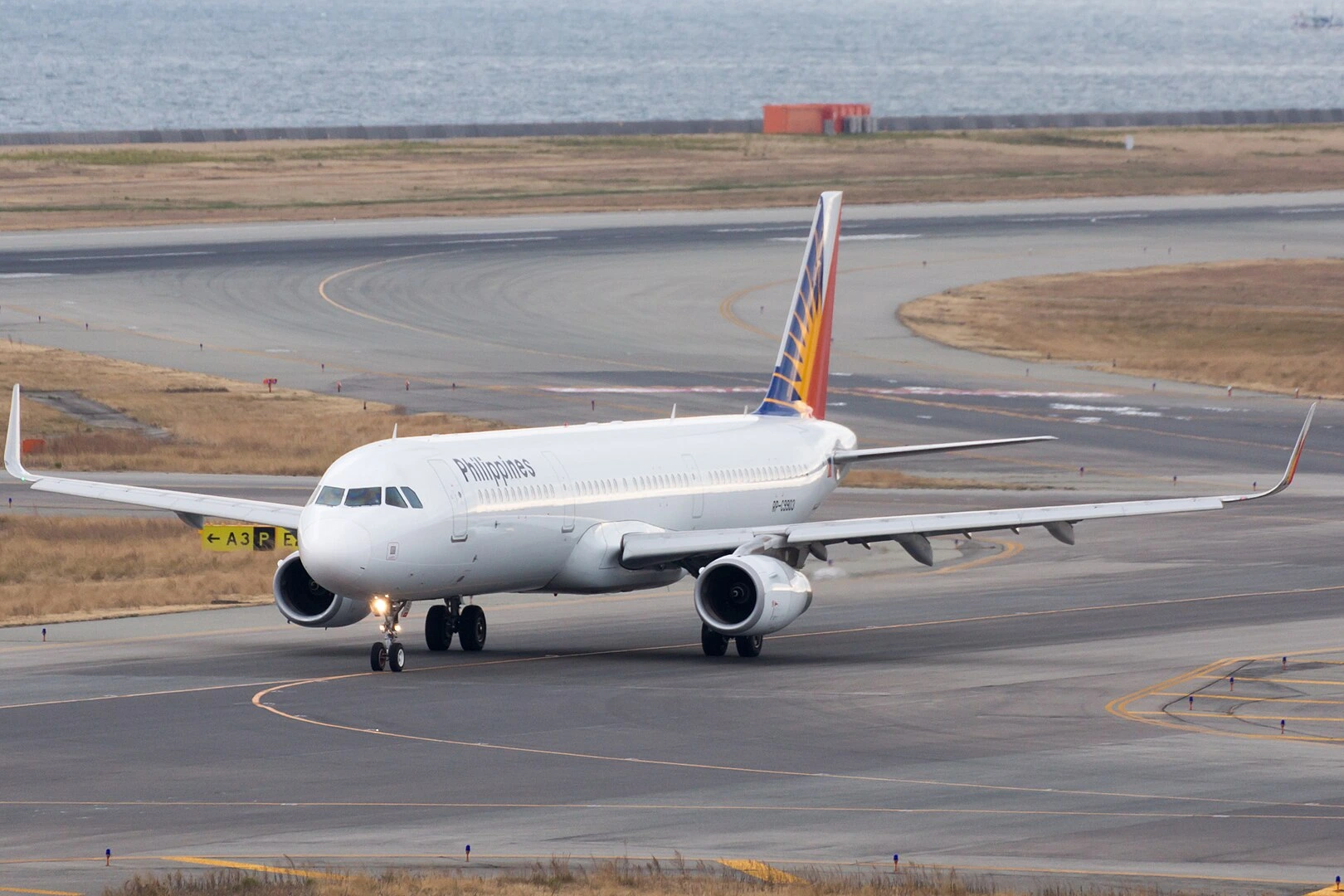
Timor-Leste, expected to join ASEAN by the end of 2025, is already seeing more regional airline activity. Batik Air Malaysia began flying from Kuala Lumpur to Dili, the capital, in June 2025.
Singapore-Timor-Leste seat capacity saw an incredible increase of 2,697%, rising from 354 seats in Summer 2019 to 9,900 in Summer 2025. While the total number is still low, this growth marks an important step in connecting newer or smaller markets to the ASEAN travel web.
Vietnam’s Rising Star
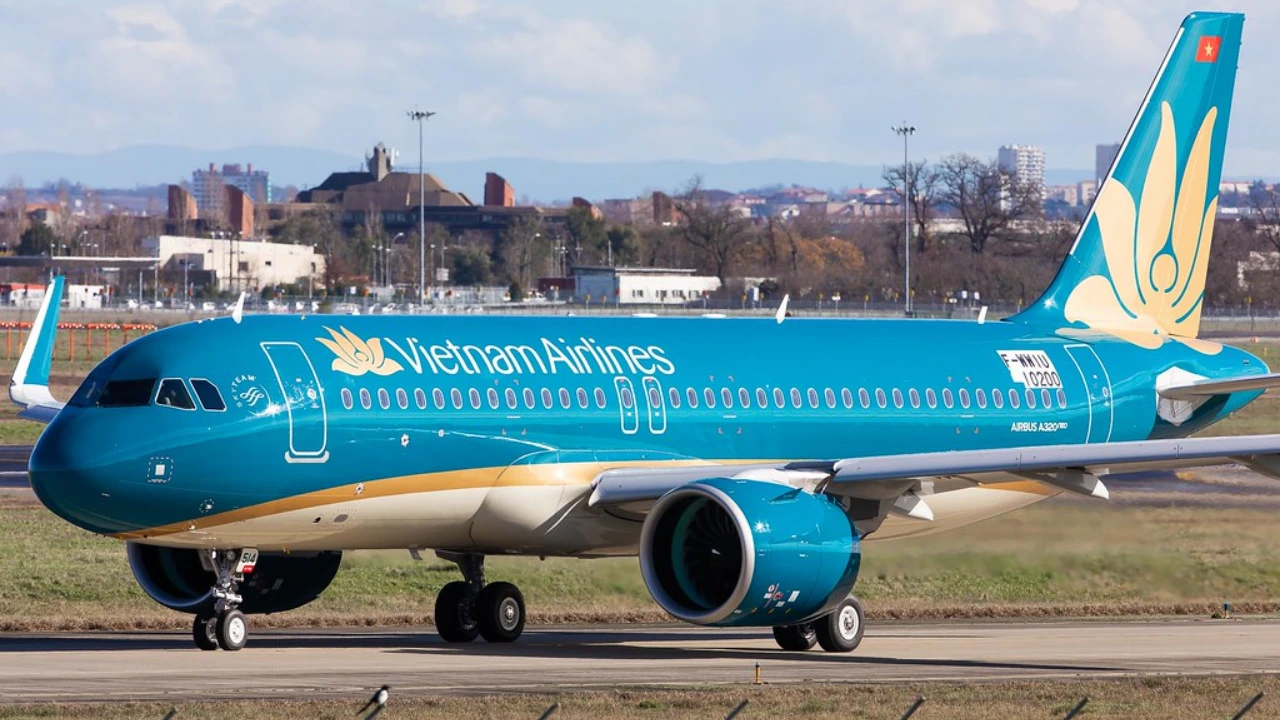
One of the standout examples of new growth is Phu Quoc, a resort island in southern Vietnam. The route between Phu Quoc and Bangkok’s Suvarnabhumi Airport grew by 265% in seat capacity since 2019.
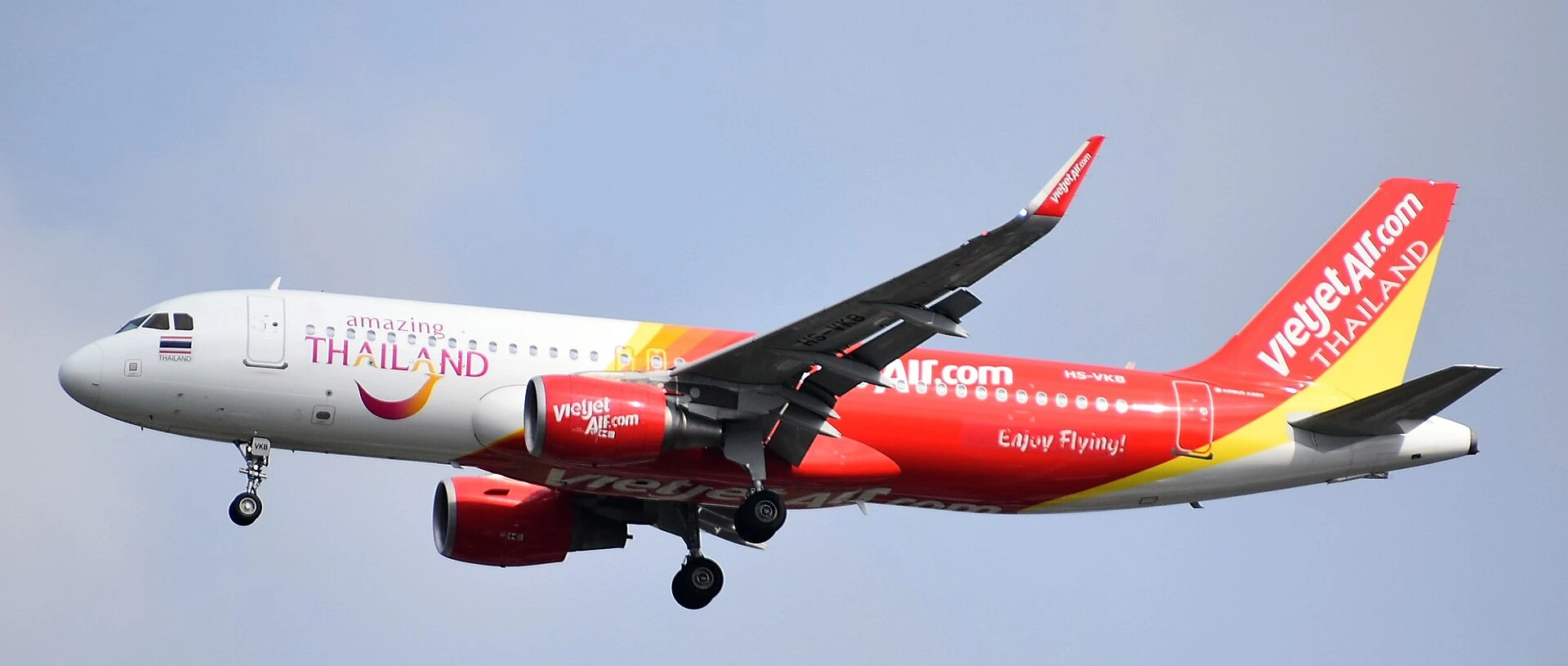
While Bangkok Airways first operated the route, Thai Vietjet now leads, increasing seat availability from 56,880 in Summer 2024 to 107,368 in April 2025.
Other airlines, like Thai AirAsia and Thai Lion Air, have also launched new routes from Bangkok Don Mueang Airport to Phu Quoc, pushing total seat capacity to 183,403.
This shows how leisure travel is playing a big role in Southeast Asia’s aviation recovery, particularly between vacation-friendly secondary cities.
The Case for More Regional Focus
With rising global tensions, inflation, and protectionist trade and tourism policies affecting long-haul travel, Southeast Asia has good reason to keep looking inward.
In June 2025, for example, a border dispute between Thailand and Cambodia caused land border closures — forcing travelers to use air travel instead. Events like this show the importance of strong, reliable air routes within the region.
Intra-ASEAN air travel could be the key to long-term aviation growth. It offers flexibility, stability, and strong demand — especially as middle-class populations grow and budget airlines increase affordable options.
Bottom Line
While many regions are still facing a tough road to recovery, Southeast Asia’s aviation market is flying forward.
With growing intra-regional routes, expanding connections between secondary cities, and rising capacity led by Malaysia, Vietnam, and Indonesia, ASEAN is building a strong foundation for future growth.
As more people travel within the region, Southeast Asia might just become the world’s most stable — and possibly most successful — air travel region in the years to come.
Stay tuned with us. Further, follow us on social media for the latest updates.
Join us on Telegram Group for the Latest Aviation Updates. Subsequently, follow us on Google News
