


CHICAGO- The pilot shortage may have faded from headlines, but it continues to challenge major U.S. carriers such as United Airlines (UA) and American Airlines (AA). Despite record passenger demand and expanding fleets, airlines still lack enough qualified pilots to meet operational goals.
At airports from Atlanta (ATL) to Dallas/Fort Worth (DFW), schedules are trimmed, fares are higher, and route expansion plans are often delayed. The FAA and industry analysts warn that the shortage—while less visible—remains one of the most pressing structural problems in U.S. aviation.
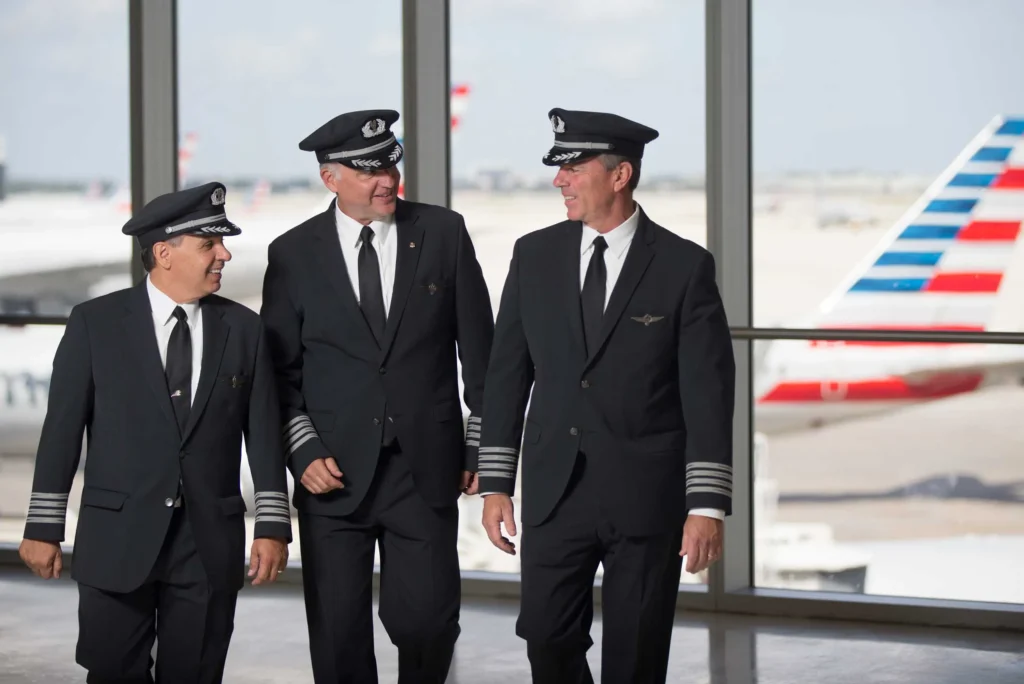
US Pilot Shortage
Even with travel rebounding sharply since 2022, the supply of certified pilots has not caught up. Consulting firm Oliver Wyman projects that North American carriers will require about 120,000 new pilots over the next two decades. The U.S. alone could face a deficit exceeding 24,000 pilots by 2032 if training output does not accelerate.
This imbalance stems from multiple factors. A large number of baby-boomer pilots are retiring upon reaching the mandatory age of 65. At the same time, training costs have surged—often reaching six figures—and the process takes years. As fleets expand, the demand for qualified crews grows faster than the supply of new entrants.
Flight academies such as Epic Flight Academy report record enrollment, yet the system remains constrained by limited simulators, instructors, and training slots. The result is a bottleneck that prevents new pilots from entering the workforce quickly enough to offset retirements.
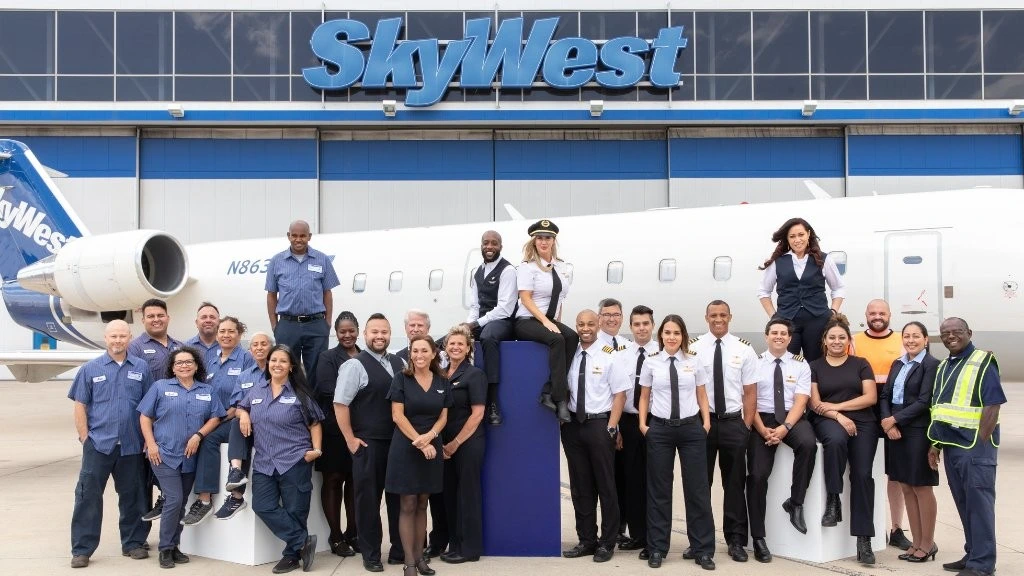
Regional Airlines Hit Hardest
Regional carriers like SkyWest Airlines (OO) and Envoy Air (MQ) face the sharpest pressure. They serve as entry points for new pilots but also operate on thinner margins and tighter schedules.
Many regional routes have been cut or consolidated, particularly in smaller markets where pilot shortages make operations uneconomical.
The ripple effect reaches passengers directly—fewer available flights, reduced connectivity, and rising ticket prices, especially in secondary cities. For airlines, the problem translates into higher recruitment costs, increased bonuses, and the need to launch in-house training programs.
Airlines Respond with Training Pipelines
To combat the gap, United Airlines (UA) established its Aviate Academy, while Delta Air Lines (DL) and American Airlines (AA) have introduced similar programs.
These schools aim to streamline pilot development and secure a more predictable talent pipeline. However, results take years to materialize, and the industry’s structural challenges persist.
In early 2025, the FAA reiterated that the shortage remains a long-term concern. Regional route planning, aircraft utilization, and expansion timelines continue to be shaped by pilot availability rather than passenger demand.
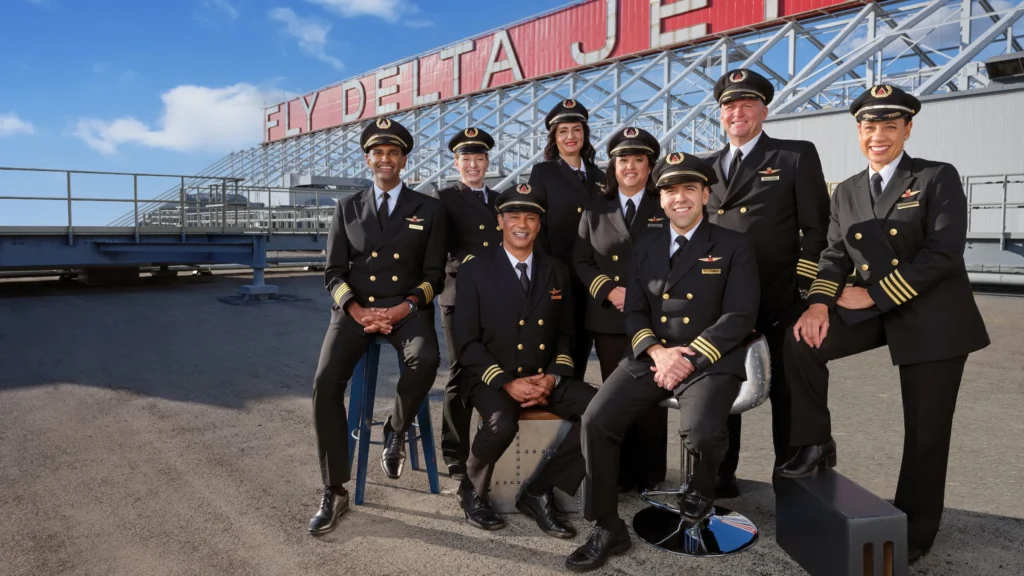
A Persistent Challenge for U.S. Aviation
The ongoing pilot shortage highlights a simple truth: planes and passengers alone cannot sustain an airline.
Skilled professionals are the core of safe and reliable air travel. Until training capacity expands and career pathways become more accessible, the shortage will remain a defining factor in the industry’s growth potential.
Stay tuned with us. Further, follow us on social media for the latest updates.
Join us on Telegram Group for the Latest Aviation Updates. Subsequently, follow us on Google News
