


DELHI- India’s aviation industry is growing rapidly, with airlines like IndiGo(6E) and Air India (AI) investing billions in new aircraft and infrastructure. However, the problem of large-scale recruitment of Indian pilots and engineers by foreign airlines, particularly those in the Gulf, has emerged.
Speaking to The Hindu, IndiGo CEO Pieter Elbers recently said that the mass poaching of Indian aviation professionals would be “disturbing” at a time when both public and private players are working to build a stronger aviation ecosystem.
Elbers explained that while some movement of talent is natural, large-scale losses could hurt long-term planning for airlines that are investing for the next two decades.

India Complaints to ICAO
To address this issue, the Indian government submitted a working paper to the International Civil Aviation Organization (ICAO) in August. The paper, titled “Practices Impacting Orderly Conduct of International Civil Aviation,” urged ICAO member states to consider a code of conduct to manage cross-border hiring.
The document argued that aggressive recruitment by foreign carriers disrupts the growth of Indian airlines by taking away skilled workers like pilots, technicians, and maintenance engineers.
It also pointed out that training replacements for such roles can take months or even years, leading to operational and financial strain on domestic airlines.
India’s submission claimed this practice created an “unfair competitive disadvantage,” as Indian airlines effectively subsidize the training costs of foreign carriers when their staff leave for better-paying jobs abroad.

Pushback at ICAO
Despite India’s efforts, the proposal received little support at ICAO’s General Assembly in late September. Most member countries felt the proposed measures could interfere with the principles of free labor movement and open market competition.
The International Federation of Air Line Pilots Associations (IFALPA) also submitted a counter-paper, emphasizing that restricting pilots from seeking jobs abroad could violate basic labor rights.
Pilot groups argued that instead of focusing on foreign recruitment, India should examine why aviation professionals are choosing to leave in the first place.
Many pilots have cited dissatisfaction with working conditions, pay disparities, and limited career growth opportunities as major reasons for moving to Gulf carriers, where tax-free salaries and better benefits are offered.
Some have also reported delays in getting official clearances from Indian authorities when switching jobs, which they say hints at hidden resistance to international mobility.
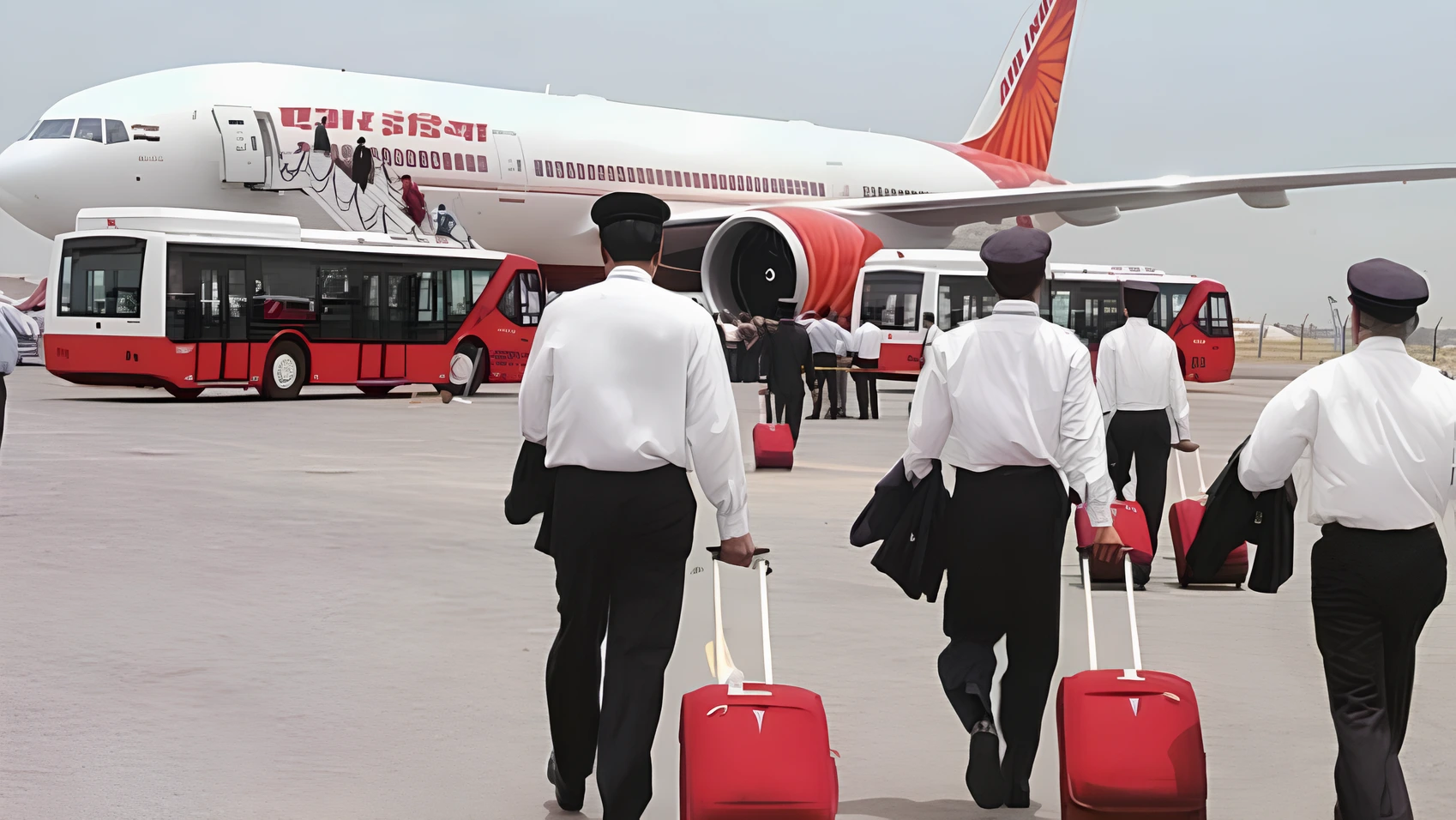
A Limited Domestic Market
The collapse of Jet Airways and Go First has further limited career options for Indian pilots. With IndiGo and Air India now controlling over 90% of the domestic market, pilots often find themselves stuck between two dominant employers with little room for negotiation.
Pilot unions have warned that imposing hiring restrictions could lead to “bonded labor” conditions, where pilots are tied to one airline without fair terms or pay progression.
They argue that any sustainable solution must come from improving local job satisfaction, not by blocking overseas opportunities.

Bottom Line
India’s call to regulate the poaching of aviation talent highlights a genuine concern — the need to balance rapid industry expansion with workforce stability. Yet, the rejection of its proposal by ICAO shows how complex the issue is in a globalized labor market.
For now, the onus remains on Indian airlines and regulators to make domestic aviation jobs more appealing.
Better working conditions, transparent contracts, and clear career paths could help retain talent without restricting individual freedom — ensuring that India’s skies remain both ambitious and fair.
Stay tuned with us. Further, follow us on social media for the latest updates.
Join us on Telegram Group for the Latest Aviation Updates. Subsequently, follow us on Google News
