


The Airbus A220 was designed to be a breakthrough in short-haul flying. Airlines praised its roomy cabin, pilots liked its smooth handling, and passengers enjoyed its quiet, comfortable ride. But the aircraft has run into a challenge as more than one-fifth of its fleet has been grounded.
Industry data shows that roughly 22% of all Airbus A220 jets are currently out of service because of problems with their Pratt & Whitney PW1500G engines. For a jet marketed on efficiency and reliability, that number is raising alarms across the aviation sector.
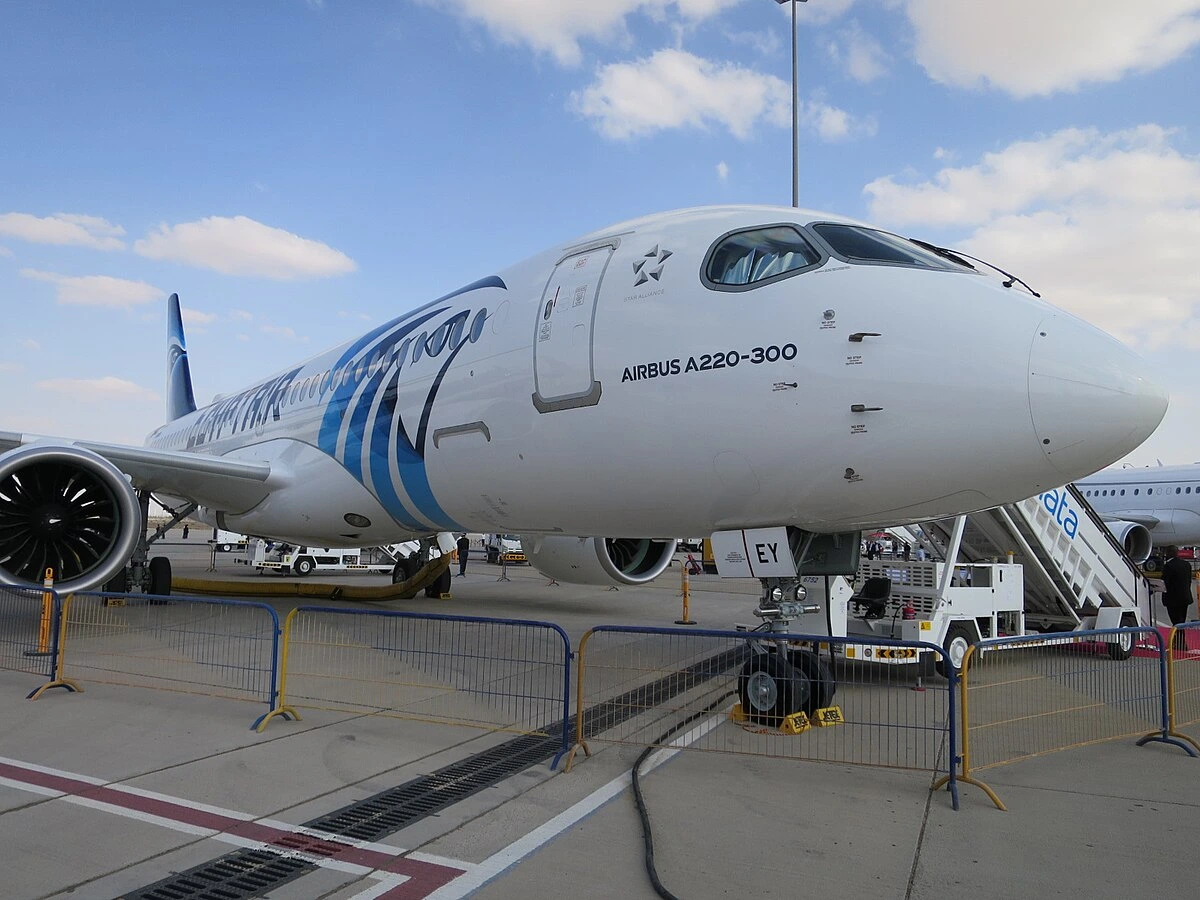
A220 Fleet Grounded Over Engine Problems
The heart of the A220’s trouble lies in the PW1500G geared turbofan. The engine, developed for better fuel efficiency and lower emissions, has shown weaknesses in long-term durability.
Airlines have reported cases of premature wear, corrosion in internal components, and cracking linked to powder-metal manufacturing defects. These problems have forced many engines into early maintenance, cutting short the time they can remain on the wing.
For operators, this means constant juggling of maintenance schedules and flight planning. Engines that were expected to last several years between overhauls are now being removed far sooner, leaving airlines short on spare parts and backup engines.
Maintenance facilities are overwhelmed, and the delays have led to long aircraft downtimes. The result is a ripple effect across global schedules, with smaller carriers feeling the impact the most.
Fleet-wide impact
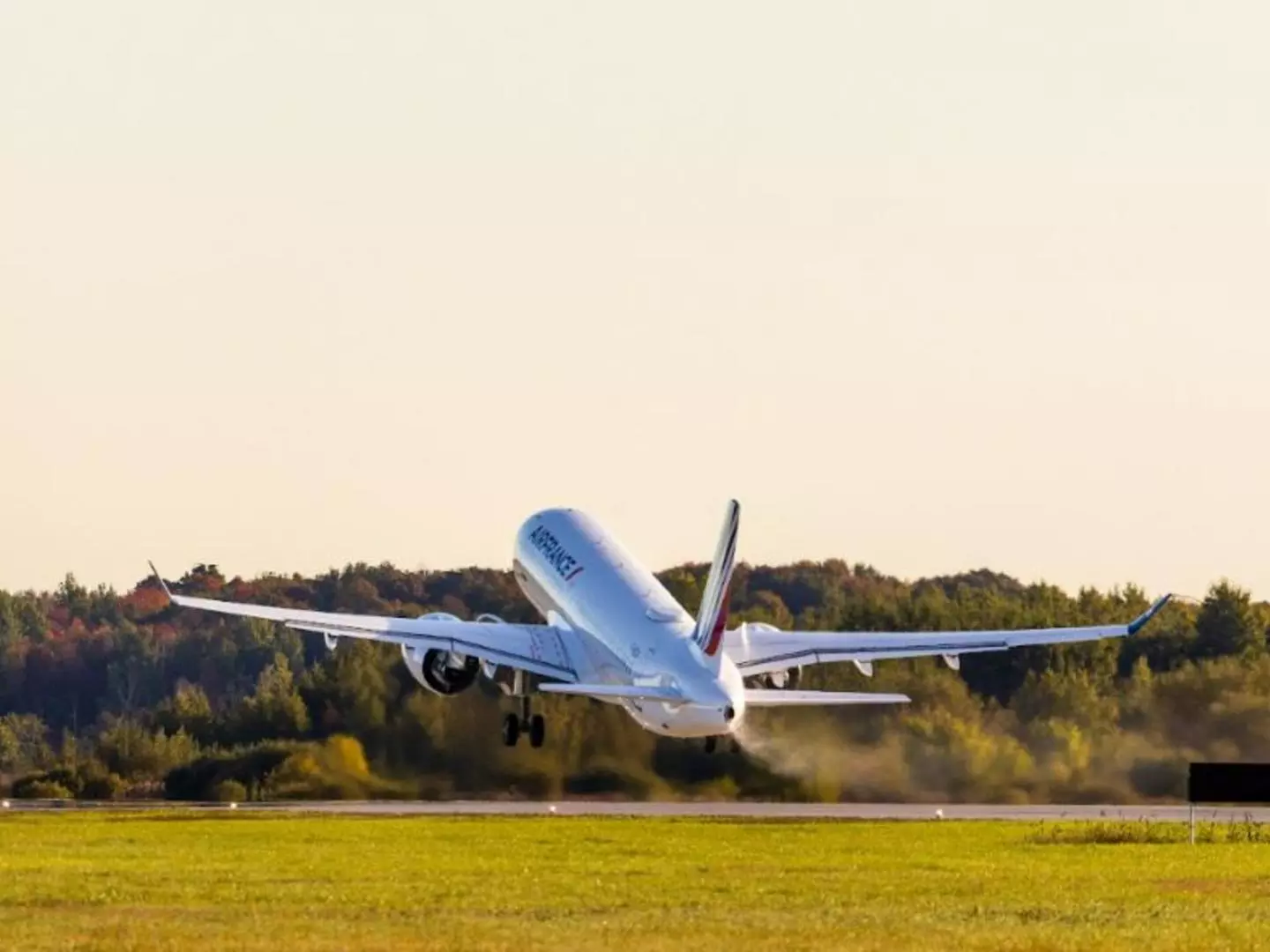
Out of roughly 367 Airbus A220s delivered worldwide, about 79 are parked and awaiting engine work — nearly 22% of the total fleet, reported Live and Let’s Fly.
Even more concerning, analysts believe as much as 40% of the fleet may face inspection or repair cycles over the coming year as engines reach the age where wear problems appear.
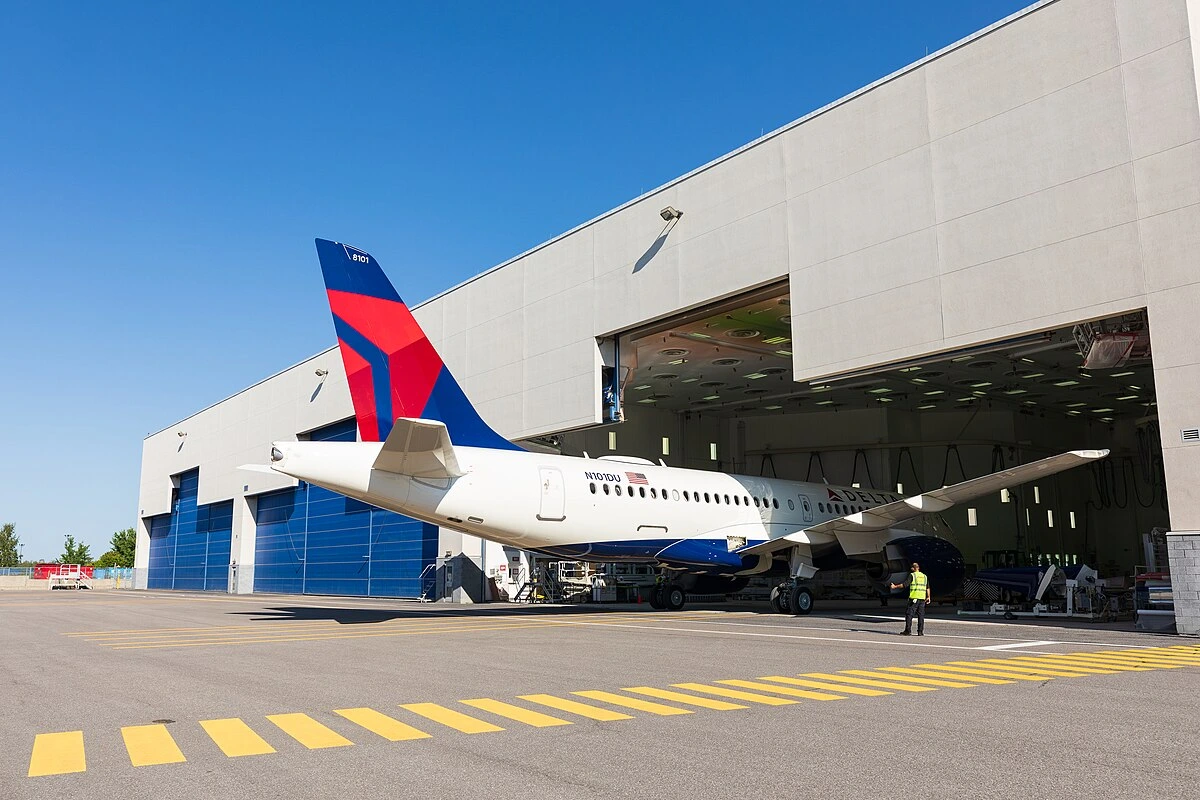
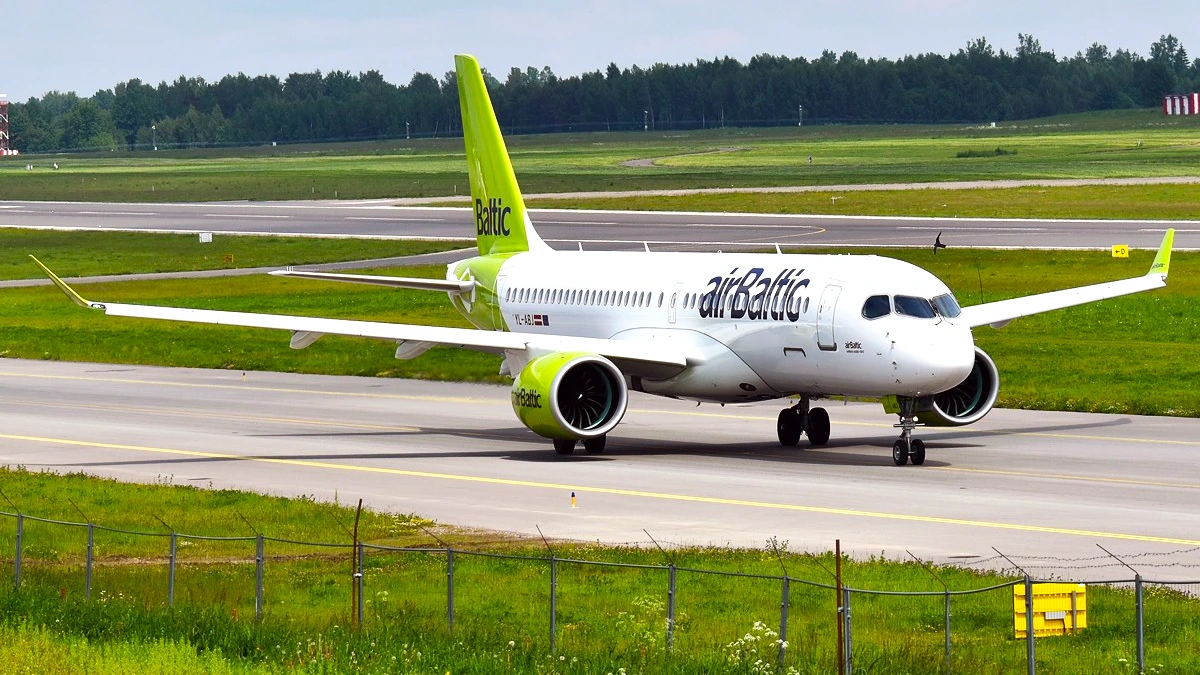
For airlines that rely heavily on the A220, this is a major challenge. Carriers such as Swiss, Delta (DEL), Breeze, and airBaltic have built key parts of their short-haul networks around the jet.
With aircraft grounded, they have been forced to adjust flight schedules, swap in older models, or reduce frequencies. Smaller operators, such as Air Austral and EgyptAir, have even withdrawn their A220s entirely after long maintenance delays and high operating costs.
Industry response
Airbus and Pratt & Whitney are working on multiple fixes to improve engine durability and reduce turnaround times in repair shops. New hardware designs and improved coatings are being developed, but the rollout is slow.
Airlines are also modifying maintenance programs, increasing inspection intervals, and seeking creative solutions like engine-sharing agreements to keep their fleets flying.
However, the supply-chain challenges that affect aviation globally are slowing recovery.
Spare-part shortages and a lack of maintenance capacity mean that even with technical fixes, many A220s will remain grounded for months. Industry experts expect disruptions to continue into 2026 before stability returns.
Bottom Line
With about one in five aircraft grounded and more inspections ahead, airlines face an uphill battle to maintain schedules and profitability.
For passengers, the aircraft still offers a great flying experience — when it’s available. The long-term solution will depend on engineering improvements and stronger supply chains.
Until then, the A220’s promise of quiet, efficient travel will continue to clash with the harsh realities of keeping it in the air.
Stay tuned with us. Further, follow us on social media for the latest updates.
Join us on Telegram Group for the Latest Aviation Updates. Subsequently, follow us on Google News
