

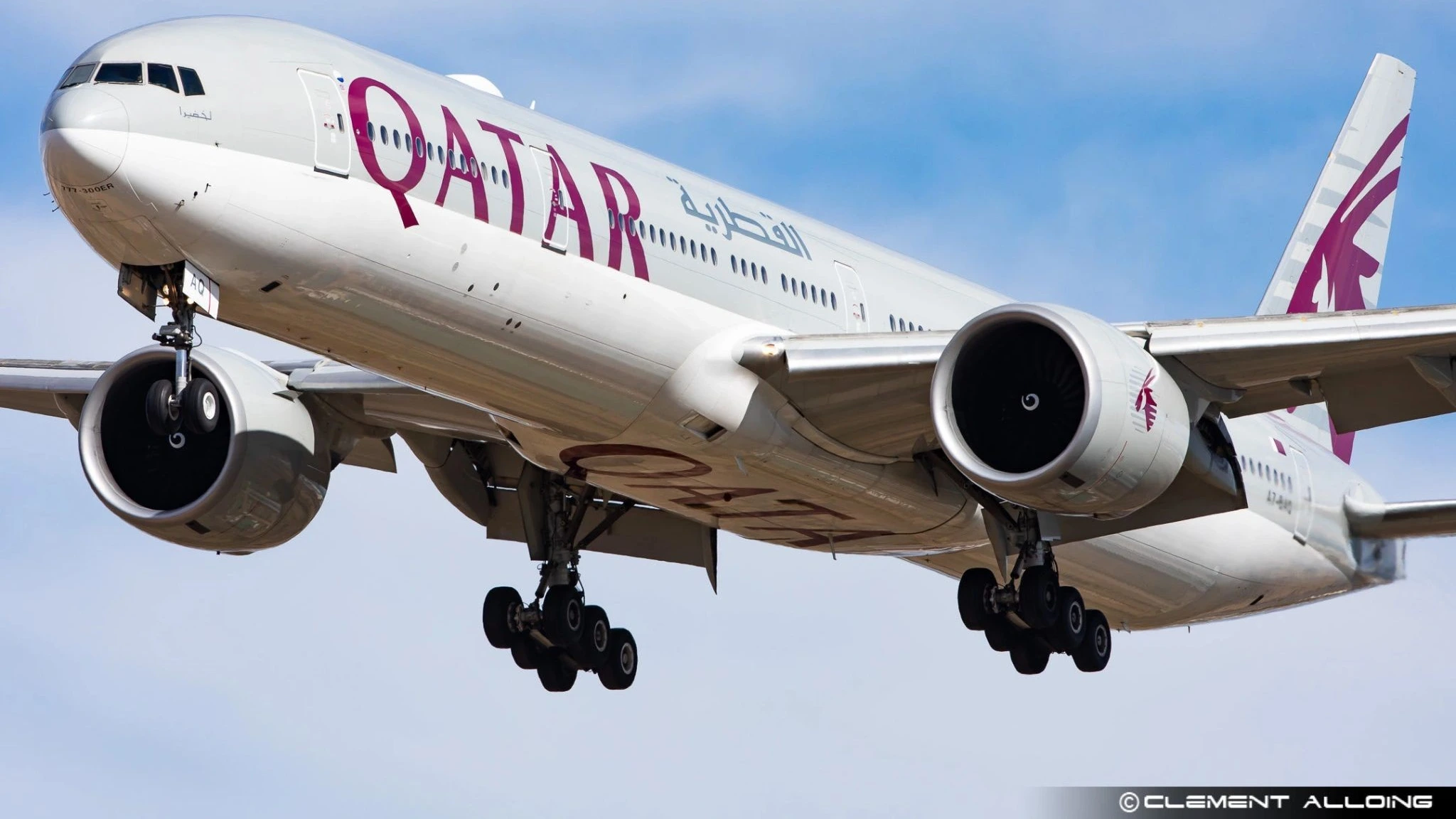
AHMEDABAD- A major emergency was declared at Sardar Vallabhbhai Patel International Airport (AMD) on Tuesday afternoon (October 14, 2025) after a Qatar Airways (QR) flight from Doha (DOH) to Hong Kong (HKG) reported a sudden cabin pressure loss while flying over Indian airspace.
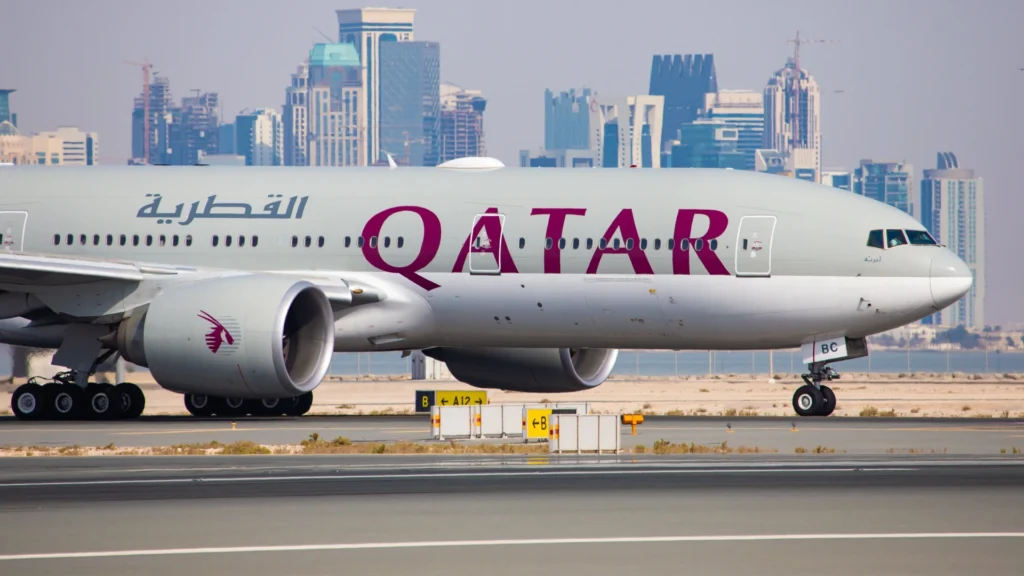
The Boeing 777, operating as flight QR816, made a priority landing in Ahmedabad following the malfunction of all cabin pressure systems. Airport emergency teams were mobilized immediately, and the aircraft landed safely with no injuries reported among passengers or crew.
Qatar Airways 777 Emergency Landing
The alert was raised at 2:12 pm when the crew declared a full emergency, prompting Ahmedabad Air Traffic Control (ATC) to grant immediate landing clearance.
Fire tenders, ambulances, and rescue teams were positioned along the runway as a precaution, with additional support from the Chandkheda fire station.
At 2:32 pm, the aircraft—registration A7-BOB—touched down safely and was directed to Stand 36. Within minutes, all passengers were deplaned and served refreshments. The full emergency status was withdrawn at 2:38 pm after preliminary inspections confirmed the aircraft was secure.
Airport sources reported that the pilot initiated an emergency descent after detecting a sharp drop in cabin pressure readings. The diversion to Ahmedabad was made in line with safety protocols to ensure passenger safety and minimize risk.
Passenger Safety and Airline Statement
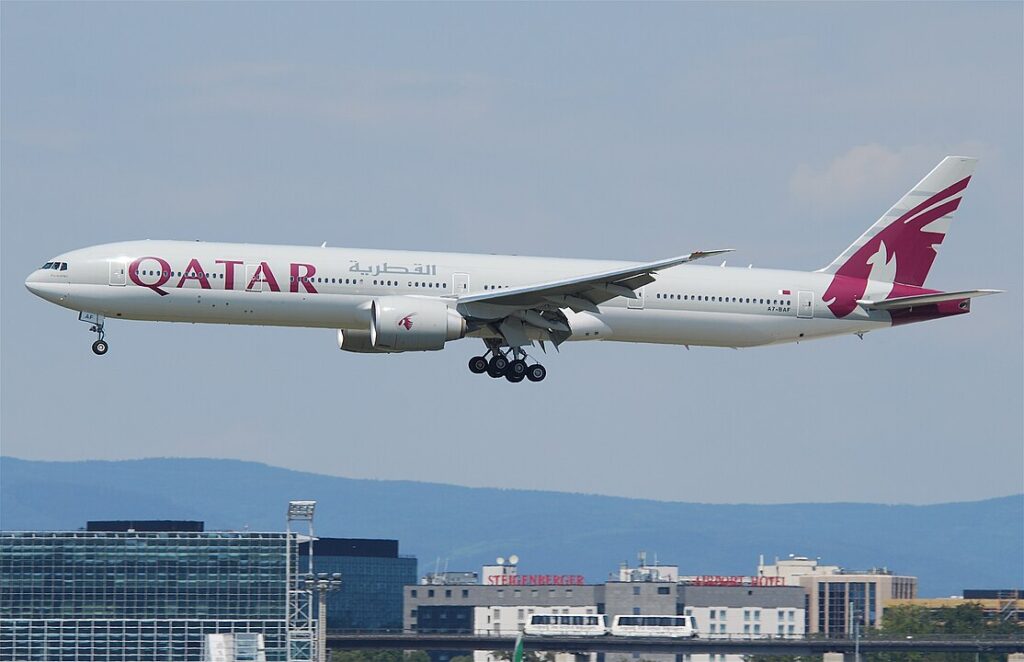
All passengers and crew were confirmed safe, and none required medical attention. Qatar Airways arranged assistance for onward travel and ensured passengers were comfortable during the delay.
In a statement to ANI, Qatar Airways confirmed that flight QR816 from Doha (DOH) to Hong Kong (HKG) was diverted to Ahmedabad (AMD) on 14 October due to a technical issue. The airline described the diversion as a standard precautionary measure, emphasizing that safety remains its highest priority.
Following the safe landing, technical teams began a detailed inspection of the aircraft to identify the cause of the pressure malfunction. While this led to a temporary alert at Sardar Vallabhbhai Patel International Airport, flight operations resumed normally soon after the emergency was lifted.
Airport officials stated that the response was executed swiftly under established emergency protocols, highlighting effective coordination between ATC, airport fire services, and Qatar Airways’ ground teams.
Similar Incident
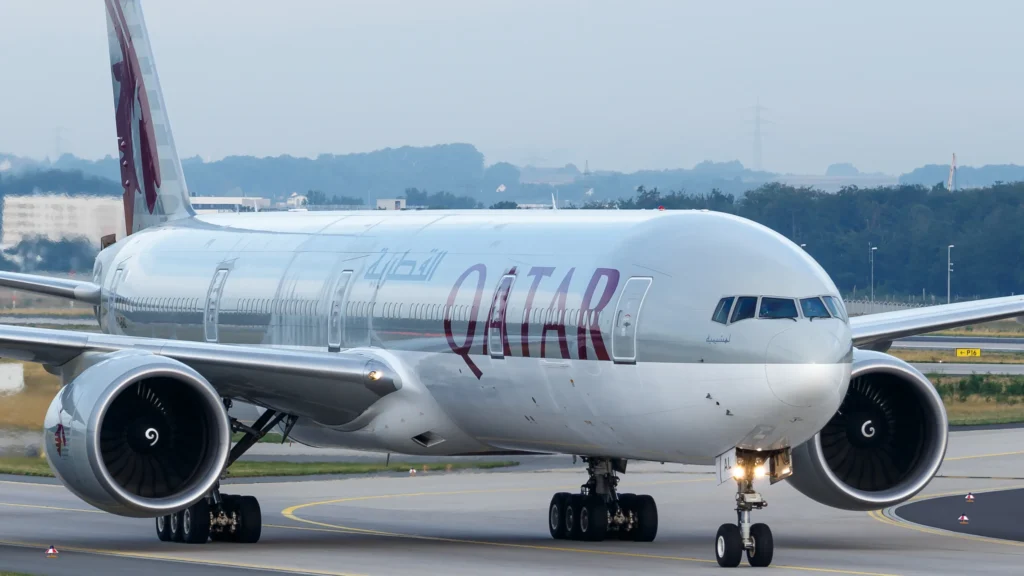
A Qatar Airways (QR) Boeing 777-300 operating flight QR853 from Kuala Lumpur International Airport (KUL) to Hamad International Airport (DOH) was diverted to Kempegowda International Airport (BLR) after a cracked windshield was detected mid-flight.
The aircraft, registered A7-BAC, was flying at cruising altitude when the cockpit crew identified the damage. Following standard safety procedures, the pilots coordinated with air traffic control and made a precautionary diversion to Bengaluru, where emergency crews were ready on standby.
Flight QR853 departed Kuala Lumpur at 8:22 PM local time on September 22 and was cruising at flight level FL360 when the crew noticed a crack on the windshield.
The aircraft was approximately 100 nautical miles northeast of Bengaluru when the decision to divert was made. It landed safely on runway 27L at BLR about 30 minutes later.
Qatar Airways confirmed the diversion was a safety precaution. The Boeing 777-300ER involved has been in service since 2008 and is 17.2 years old. Data from planespotters.net indicates that Qatar Airways operates 57 Boeing 777-300ER aircraft, with an average fleet age of 12.4 years.
Aircraft windshields are built from multiple layers of thick glass and acrylic, designed to withstand cabin pressure and environmental stress. The combined thickness often exceeds 1.5 inches, and each layer can independently sustain pressure if one pane fails.
Even with these design safeguards, pilots may choose to divert if a crack appears. A cracked windshield, though rarely catastrophic, can compromise visibility or structural integrity over time, making immediate inspection necessary.
Stay tuned with us. Further, follow us on social media for the latest updates.
Join us on Telegram Group for the Latest Aviation Updates. Subsequently, follow us on Google News
