

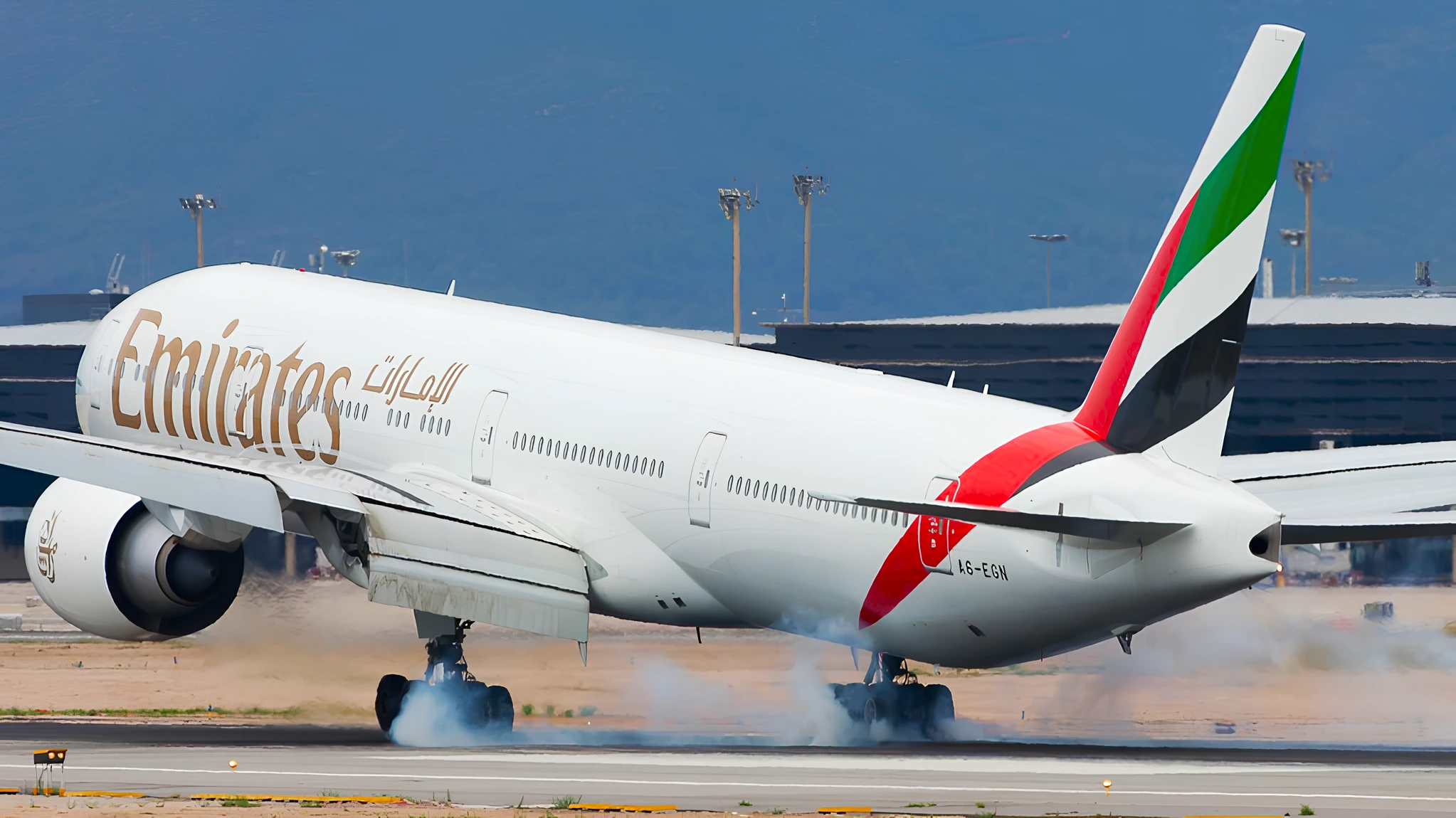
DUBAI- Emirates Airline (EK) has suspended all flights between Dubai International Airport (DXB), Seychelles (SEZ), and Madagascar’s capital, Antananarivo (TNR), citing ongoing civil unrest in Madagascar. The decision takes effect immediately and will remain until further notice.
The airline confirmed on October 12 that services between Dubai (DXB) and Antananarivo (TNR) are canceled, impacting its usual multi-stop route via Seychelles (SEZ), which operated from Tuesday to Sunday.
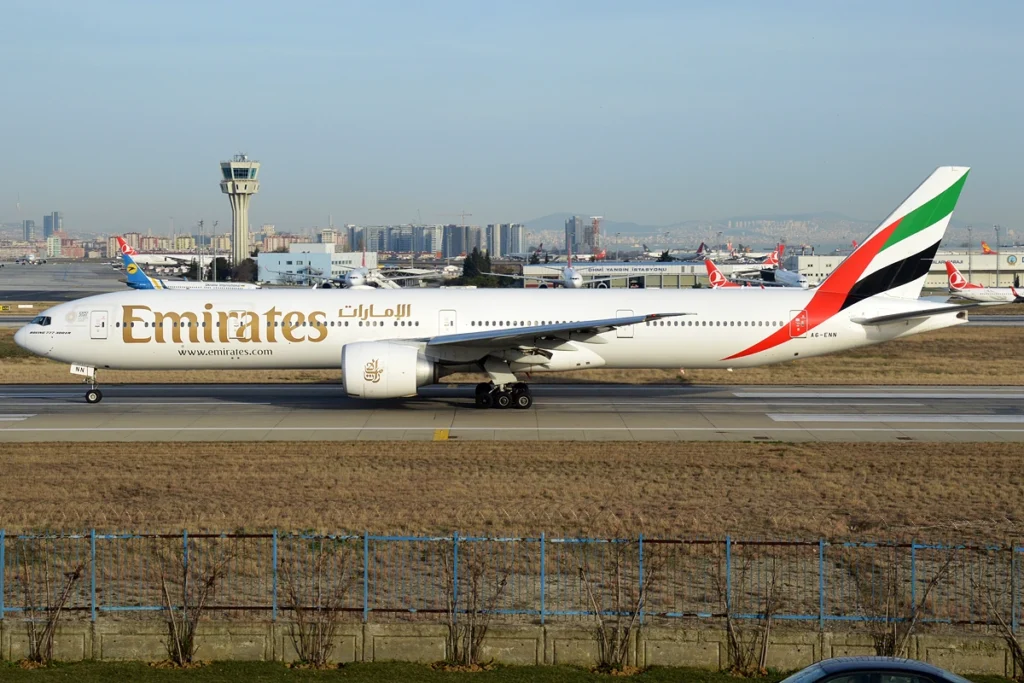
Emirates Cancels Flights to These Cities
Emirates’ decision affects one of its key regional connections linking Dubai, Seychelles, and Madagascar. The airline stated that the suspension was necessary due to safety and operational challenges caused by the unrest in Antananarivo.
Flights between Dubai and Antananarivo typically transit through Seychelles, serving both business and leisure travelers across the Indian Ocean.
With the suspension, passengers traveling between Seychelles and Madagascar are also impacted, halting an essential link for trade and tourism.
The airline has not announced a specific date for resuming operations, but noted that flights will restart once conditions in Madagascar stabilize. Emirates emphasized that safety remains its top priority.
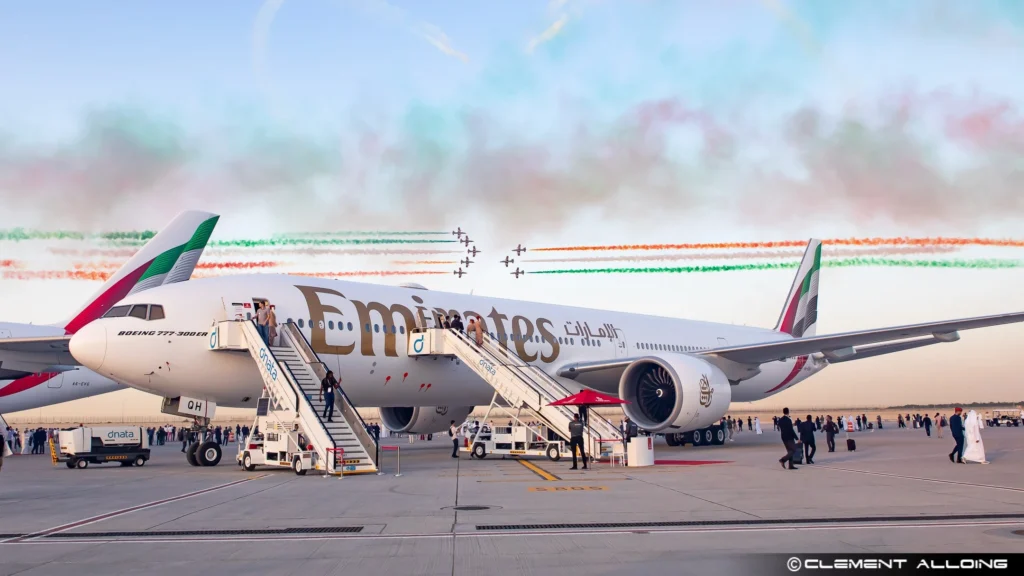
Passenger Advisory and Support
Emirates has advised passengers booked on affected routes to contact their travel agents or reach out directly to the airline for rebooking or refund options.
Customers are encouraged to update their contact information through the ‘Manage Your Booking’ section on the Emirates website to receive real-time updates.
The airline clarified that passengers with final destinations in Antananarivo (TNR) will not be accepted for travel from any origin point until flights resume. Emirates apologized for the inconvenience and said it continues to monitor the situation closely in coordination with local authorities.

Regional Operations and Broader Impact
Before the suspension, Emirates operated regular services connecting Dubai (DXB) to Antananarivo (TNR) via Seychelles (SEZ), facilitating trade, tourism, and cargo movement in the region.
The temporary halt disrupts connectivity not only between Dubai and Madagascar but also between Seychelles and Madagascar, affecting both leisure travel and essential logistics routes.
While no timeline has been confirmed for resumption, the airline is expected to review the situation regularly and update travelers accordingly. The move reflects Emirates’ precautionary approach to ensure the safety of passengers and crew as instability in Madagascar continues to affect transport and security conditions.
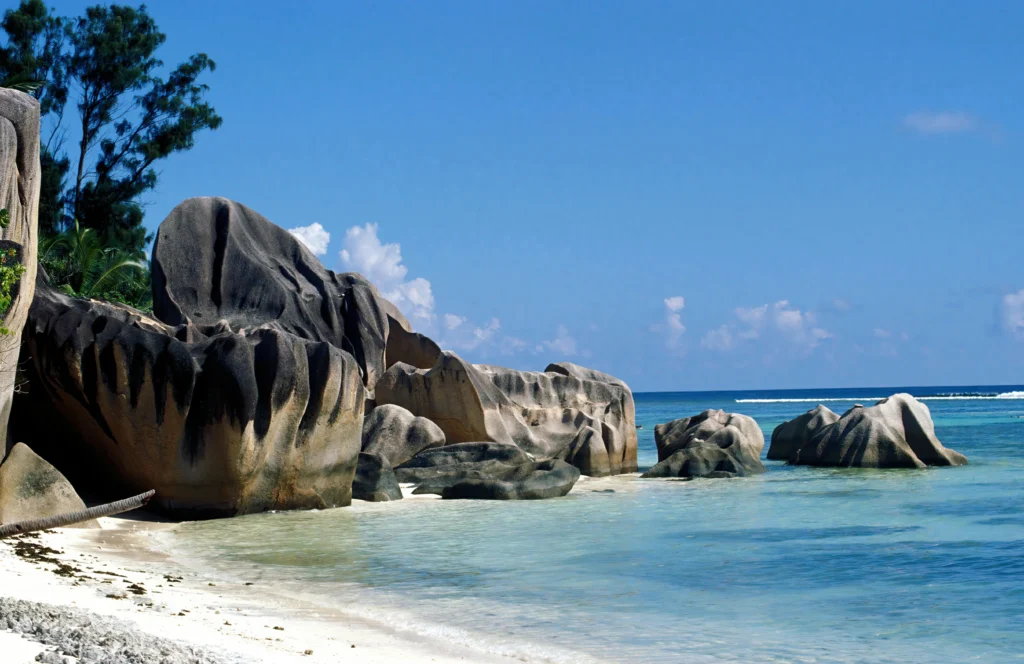
Seychelles Travel Guide
The Seychelles, an island nation in the Indian Ocean, is home to 115 islands scattered across pristine turquoise waters. Known for its coral reefs, marine life, and world-class beaches, it’s a favorite among luxury travelers and nature lovers alike.
Reaching Seychelles is easy via Seychelles International Airport (SEZ) on Mahé Island, with major carriers like Air Seychelles (HM) connecting it to key global hubs. Despite its reputation for luxury, affordable guesthouses and local dining make it accessible to budget travelers too.
Exploring the Islands Beyond the Postcards
Seychelles’ beauty extends far beyond its beaches. The archipelago sits 2,000 kilometers off Kenya’s coast and boasts two UNESCO World Heritage Sites — Vallée de Mai on Praslin and Aldabra Atoll. Mahé, Praslin, and La Digue are the main inhabited islands, each offering a distinct rhythm and charm.
On Praslin, Vallée de Mai’s ancient palm forest shelters the rare Coco de Mer and diverse wildlife. La Digue’s laid-back vibe invites visitors to cycle between beaches like Anse Source d’Argent and Anse Severe. Mahé, the largest island, combines mountainous trails, vibrant Creole markets in Victoria, and a thriving local food scene.
Adventure seekers can hike Morne Blanc in Morne Seychellois National Park, explore coral reefs while snorkeling at Beau Vallon, or dive at sites like Shark Bank and Marianne Island. For bird enthusiasts, Cousin Island Reserve is home to over 300,000 native birds, while the Veuve Nature Reserve on La Digue protects the endangered Black Paradise Flycatcher.
Cost, Budget, and Where to Stay
Seychelles isn’t known for being cheap, but smart planning helps stretch the budget. Accommodation ranges from guesthouses starting at 1,000 SCR per night to mid-range hotels around 4,500 SCR. Meals at casual takeout spots cost between 50–175 SCR, while restaurant dining can reach 580 SCR.
Guesthouses like Seashell (Praslin), Liane de Mai (La Digue), and Villa Kayola (Mahé) offer affordable stays with local charm. On a backpacker budget of about 2,000 SCR per day, travelers can enjoy local food, beaches, and short hikes. Mid-range travelers (4,100 SCR/day) can include some paid excursions, while luxury stays average around 7,900 SCR/day.
To save money, stick to public buses (5–10 SCR per ride), cook your own meals, and travel slowly between islands using ferries like Cat Cocos and Cat Rose.
Top Experiences and Must-See Spots
- Anse Source d’Argent – Iconic pink granite boulders and crystal waters.
- Aldabra Atoll – The world’s largest raised coral atoll and home to 125,000 giant tortoises.
- Morne Seychellois National Park – Forest trails with panoramic views over Mahé.
- Bazaar Labrin (Beau Vallon) – A lively weekly market with Creole food, crafts, and traditional music.
- Natural History Museum (Victoria) – Exhibits on local ecology and environmental challenges.
Watersports, hiking, and local food — coconut curries, grilled fish, and banana chips — round out the island experience.
When to Visit Seychelles
The best times to visit are April–May and September–October, when seas are calm, and winds are light — ideal for snorkeling and diving. Temperatures hover around 30°C year-round. For wildlife enthusiasts, turtle nesting runs from October to March, with hatchlings emerging early in the year.
Avoiding peak winds (May–November on east coasts and December–March on west coasts) ensures a smoother beach experience.
Safety and Travel Tips
Seychelles remains one of Africa’s safest destinations. Petty theft is rare, but basic precautions apply — secure valuables, avoid leaving items unattended, and check swimming conditions for riptides. Roads can be narrow and winding, so drive cautiously.
Emergency assistance is available at 112. Travel insurance is strongly advised, especially for diving and adventure activities.
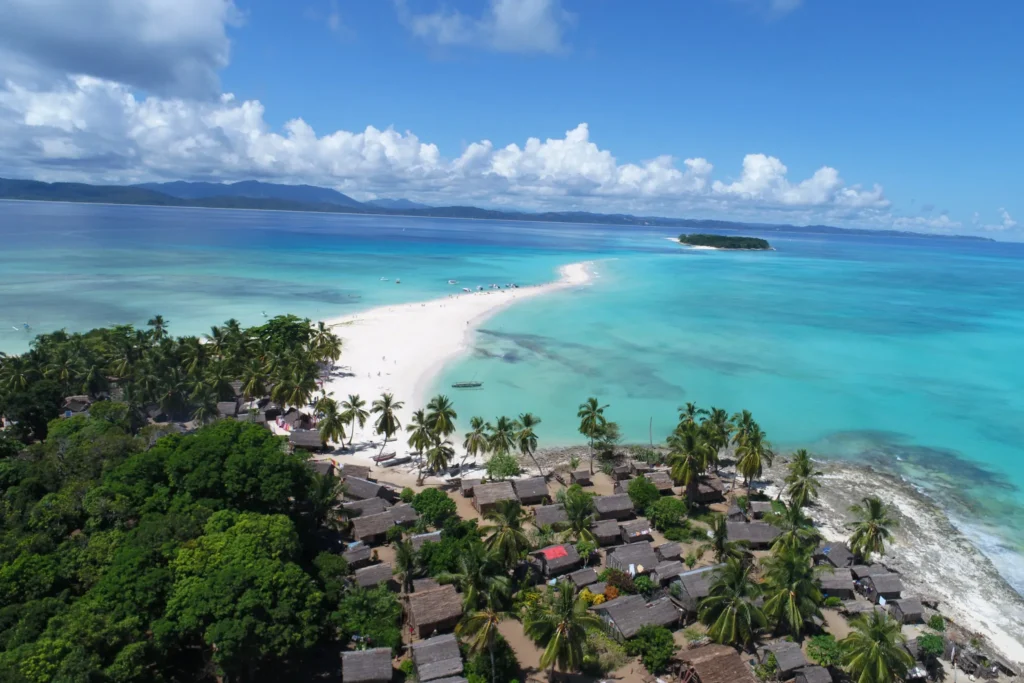
Madagascar Travel Guide
Visiting Madagascar feels like stepping into another world. From luxury beach resorts to remote forest trails, the island offers a mix of untouched nature, cultural depth, and wildlife found nowhere else on Earth.
Served by Air Madagascar (MD) through Ivato International Airport (TNR), the country’s vast landscapes range from sunny coasts to misty highlands. Its diverse ecosystems, unique species, and local traditions make it a destination that rewards those who plan carefully.
Madagascar’s isolation has made it one of the planet’s richest biodiversity hotspots. About 95% of its amphibians and reptiles and 90% of its mammals are endemic.
From the lemur-filled rainforests of Andasibe to the otherworldly baobab avenues near Morondava, each region reveals a distinct face of the island. But to experience it fully, timing, logistics, and preparation are crucial.
Choosing the Right Time to Visit
Weather shapes every trip to Madagascar. The island’s climate varies sharply by region: the south stays warm and dry, while the central highlands can turn cold. Cyclone season runs from January to April, often disrupting travel. The best time for most activities—like hiking or whale watching—is between June and September, while December offers excellent diving conditions. Travelers should plan around their interests and be flexible with itineraries.
Road Travel and Accessibility
Madagascar’s road network is challenging. Long drives can take hours due to uneven terrain and potholes, especially in rural areas. Even main routes between cities can be slow, so pacing itineraries is key. Travelers are advised not to overpack schedules; it’s better to explore fewer regions thoroughly than to rush across the island.
Wildlife Watching and National Parks
Wildlife enthusiasts should research both the timing and location of their visits. Lemur sightings, for instance, depend on specific parks. The indri can be heard in Andasibe-Mantadia National Park, while Ranomafana offers the widest range of lemur species. Kirindy Forest near Morondava is known for spotting the elusive fossa. Seasonal guides help travelers match their timing with breeding, migration, and visibility periods.
Culinary Discoveries
Madagascar’s cuisine blends African, Asian, and French influences. Coastal towns serve fresh seafood—octopus salad and foza sy hena-kisoa are local favorites—while the highlands feature zebu beef dishes like romazava. In Antananarivo, known for its pastry shops and French-inspired cafes, dining is an experience in itself. Restaurants such as La Varangue (Antananarivo), Le Tsara Be Vaovao (Antsiranana), and Mad Zebu (Belo-sur-Tsiribihina) highlight the country’s evolving food scene.
Local Etiquette and Customs
Respect for cultural norms goes a long way. Many regions observe fady (taboos) related to food or behavior. Travelers should ask local guides for guidance and avoid photographing ceremonies without permission. A warm greeting, a handshake, or bringing small gifts like rice or rum when visiting homes reflect local courtesy.
Safety and Travel Updates
While Madagascar is generally safe, conditions can change. Visitors should check travel advisories issued by France, the U.S., or the U.K. for real-time updates on road safety and local unrest. Working with reputable tour operators ensures better awareness of local developments.
Entry and Money Tips
Most travelers can obtain a visa on arrival at Ivato International Airport (TNR) or other entry points for stays of 15, 30, or 60 days. Fees must be paid in cash (euros or U.S. dollars). Credit cards are accepted in upscale hotels and restaurants, but cash remains essential for daily expenses. Carrying mixed denominations of foreign currency helps when banks or ATMs are unavailable.
Stay tuned with us. Further, follow us on social media for the latest updates.
Join us on Telegram Group for the Latest Aviation Updates. Subsequently, follow us on Google News
