

ATLANTA- Delta Air Lines (DL) has made its strategic direction unmistakably clear: the carrier is prioritizing affluent travelers who value comfort and premium service over mass-market appeal.
In its Q3 2025 earnings call, Delta executives reinforced that the airline’s focus is no longer on capturing every passenger but on deepening loyalty among higher-income customers.
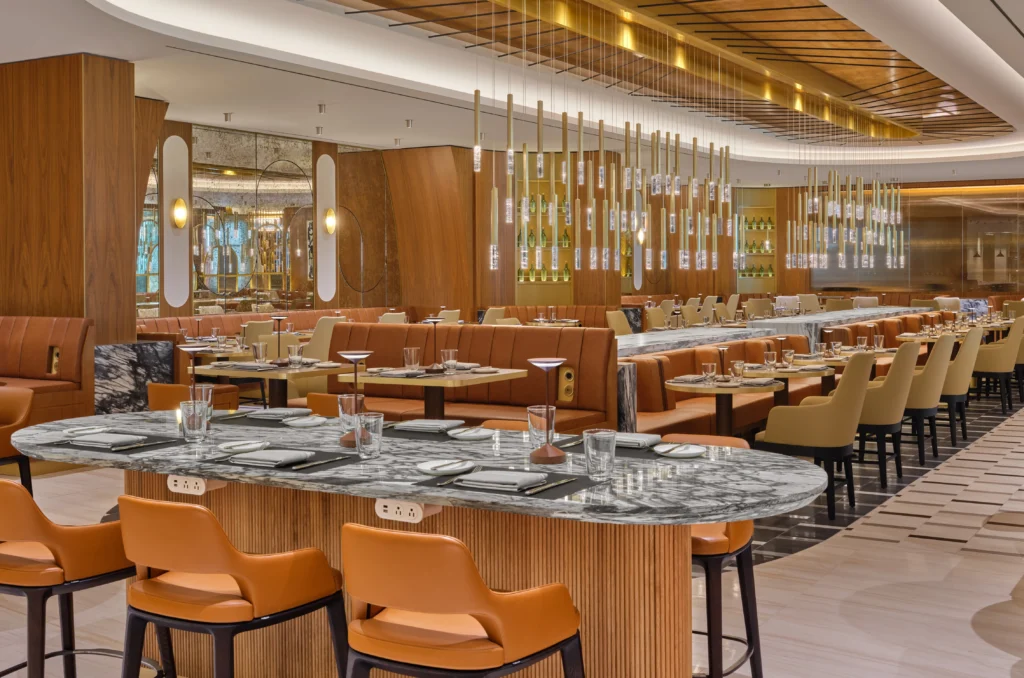
The strategy centers around premium seating, exclusive lounges, and corporate travel hubs like New York (JFK), Los Angeles (LAX), and Boston (BOS).
Delta’s Premium Travel
Delta Air Lines’ leadership emphasized that the company’s growth will primarily come from its premium offerings.
President Glen Hauenstein acknowledged that Delta’s customer base skews toward higher income households, giving the airline a distinct advantage over competitors chasing cost-sensitive markets.
According to Live and Let’s Fly, Delta’s approach reflects a deliberate pivot to long-term profitability rather than market share. By catering to travelers less impacted by economic swings, Delta is stabilizing its revenue streams and improving yield per seat.
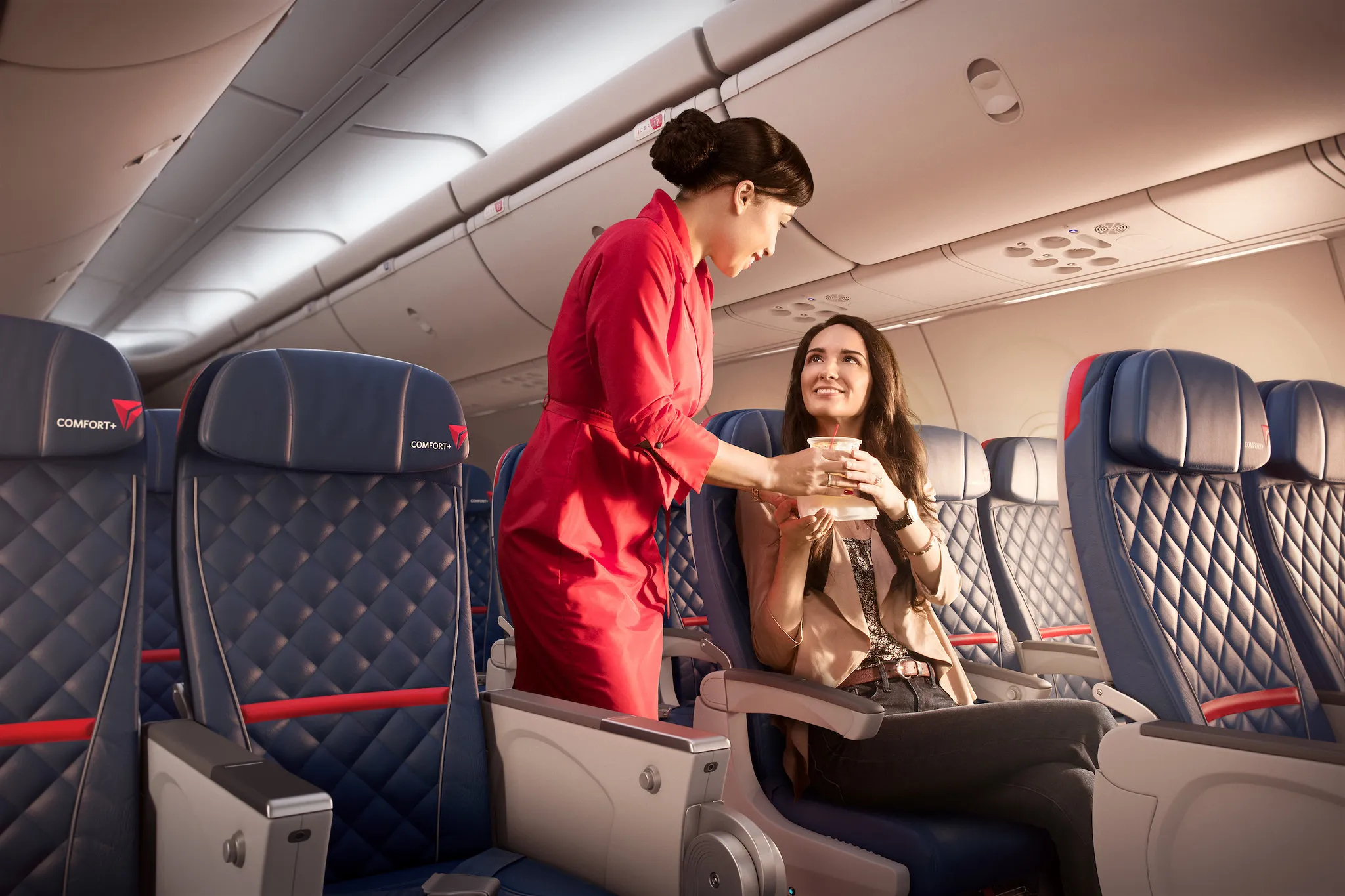
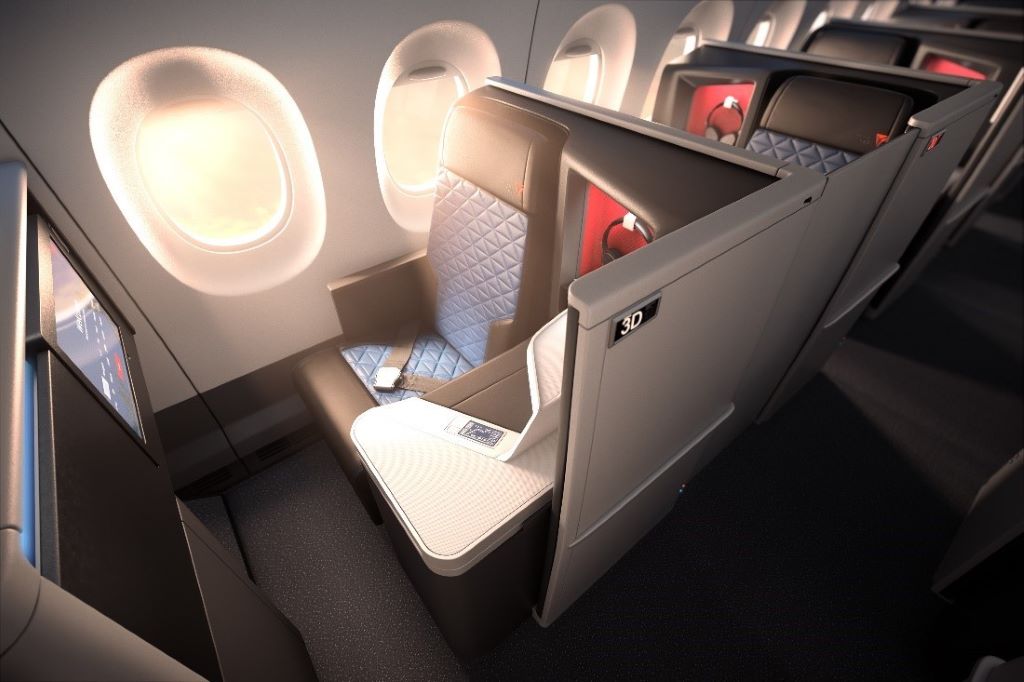
The airline continues to expand its Delta One lounges and premium check-in areas while introducing aircraft designed with more Delta One, Premium Select, and Comfort+ seats.
About 25–30% of this premium growth comes from retrofitted planes, with the remainder from new deliveries optimized for premium layouts.

Rising Premium Revenues
Delta’s premium revenue growth outpaced its main cabin by 13% in the latest quarter, setting a record gap.
Hauenstein attributed this to customer behavior: once travelers experience an upgraded product, they rarely return to standard seating. Delta reports retention rates in the mid-80% range among these passengers.
This phenomenon mirrors luxury consumer psychology, similar to upgrading from a standard car to a high-end model.
Once accustomed to superior quality, customers tend to maintain that preference. This loyalty ensures sustained, high-margin returns and reinforces Delta’s premium strategy.
Market Dynamics
Delta’s investments in coastal hubs, particularly Los Angeles (LAX), Seattle (SEA), Boston (BOS), and New York (JFK), align with regions boasting dense populations of affluent travelers. These markets offer the strongest pricing power and steady demand for premium products.
Corporate travel remains central to Delta’s business, accounting for roughly 30-40% of premium revenue.
However, Hauenstein noted that high-yield leisure travel has now become an equally vital segment, with some routes experiencing shortages in premium seats due to individual travelers booking higher fares.
Main Cabin Rationalization
While premium growth accelerates, Delta is intentionally keeping its main cabin capacity flat. The airline is focusing on margin optimization rather than passenger volume, a strategy known internally as “rationalization.”
This approach enables Delta to sustain profitability without competing in price wars.
By refining its fleet and optimizing route structures, Delta aims to maintain strong yields, even as economic conditions fluctuate.
The message is clear: Delta’s future lies in serving fewer passengers, but at a significantly higher value per seat.
Conclusion
Delta Air Lines (DL) is redefining its business model around premium travel. From product design and customer targeting to network investments, every decision now supports a high end experience.
When asked whether premium revenue could soon surpass main cabin earnings, Hauenstein confidently replied, “I think you will.” For Delta, the premium era isn’t approaching; it has already arrived.
Stay tuned with us. Further, follow us on social media for the latest updates.
Join us on Telegram Group for the Latest Aviation Updates. Subsequently, follow us on Google News
