

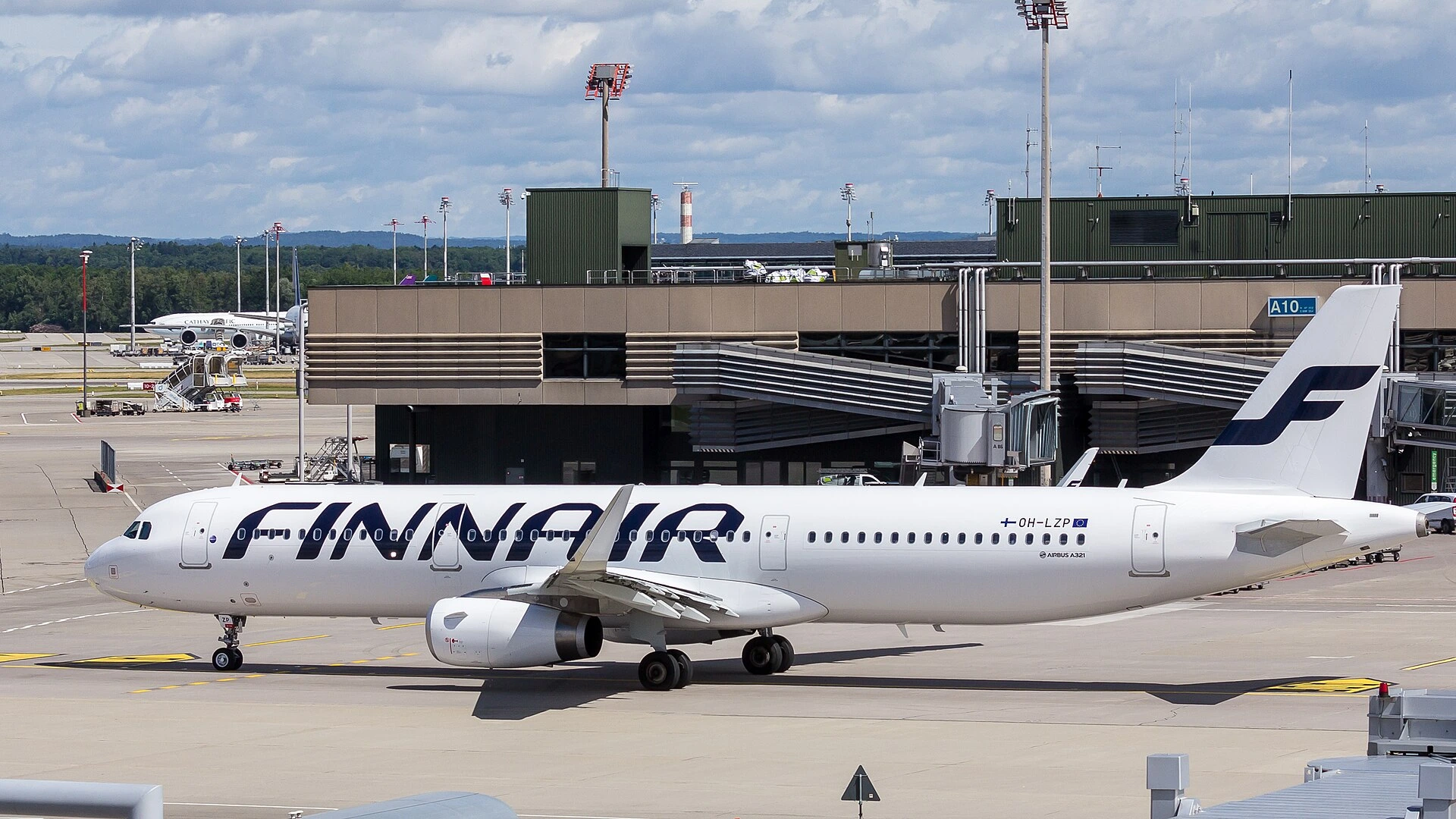
HELSINKI- Thousands of passengers were stranded on Monday evening (October 13, 2025) after Finnair (AY) grounded several aircraft due to concerns that cleaning crews had compromised a special fire-retardant coating on seat covers.
The airline halted operations of eight Airbus A321s at Helsinki Airport (HEL) after learning that water-based cleaning could damage the protective layer, prompting urgent safety inspections and flight cancellations.
Finnair Grounds Eight A321s
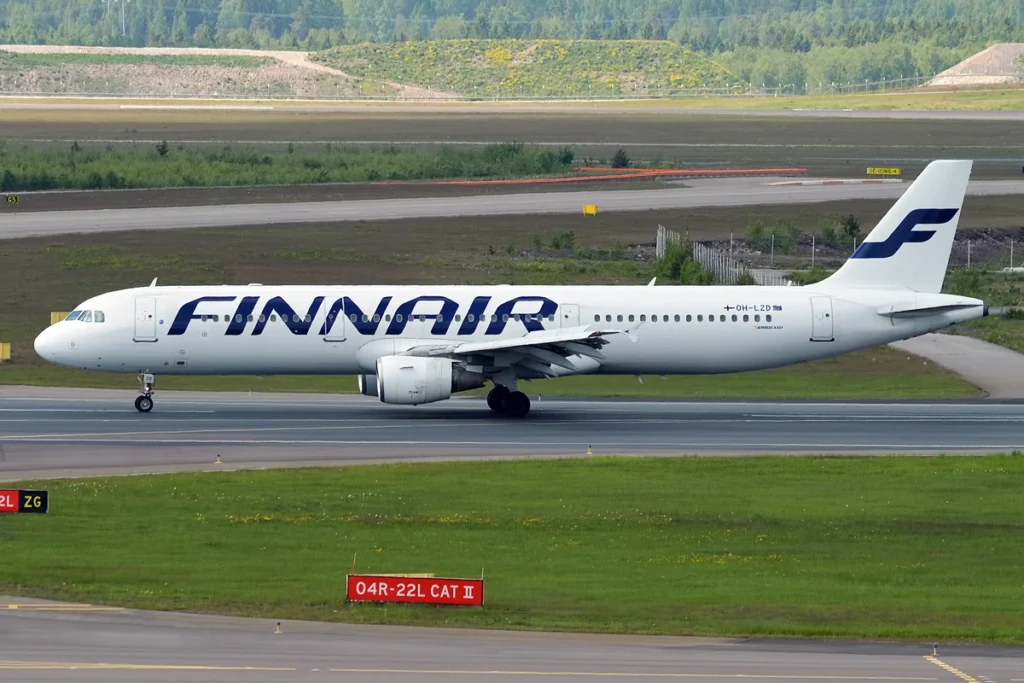
Finnair’s attempt to maintain spotless cabin interiors backfired when the seat manufacturer warned that using water on the seat covers might reduce fire protection. By then, cleaners had already washed the seats on eight single-aisle aircraft—more than a quarter of Finnair’s short and medium-haul fleet.
The airline stated that safety remains its top priority, and it consistently follows manufacturers’ and authorities’ maintenance instructions.
However, the seat manufacturer later clarified that the effects of water cleaning on fire-retardant materials had not been fully tested or verified. This uncertainty left Finnair with no option but to ground the affected aircraft until the coatings’ integrity can be confirmed.
In response, Finnair temporarily suspended operations of the affected aircraft, which carry registrations OH-LZM, OH-LZN, OH-LZO, OH-LZP, OH-LZR, OH-LZS, OH-LZT, and OH-LZU. Each aircraft will undergo detailed inspections to confirm whether the protective coating has been weakened.
According to PYOK, the grounding led to roughly 40 flight cancellations between Monday evening and Tuesday.
These aircraft operate about 20 flights daily, connecting Helsinki to major European destinations such as Rome (FCO), Paris (CDG), and Brussels (BRU). The disruption affected an estimated 5,000 passengers.
Finnair expressed regret for the disruption and assured travelers that it is working to minimize delays and rebook passengers where possible.
Why Fire Resistance in Aircraft Seats Matters
Fire protection standards in aviation were overhauled in the late 1980s after two fatal cabin fires—Air Canada Flight 797 in Cincinnati and British Airtours Flight 28M in Manchester—exposed the dangers of combustible cabin materials.
The incidents showed that many fatalities were caused not by flames but by toxic smoke from flammable seat and wall materials.
Since then, all commercial aircraft have been required to use seat cushions and covers made from fire-retardant materials. Any potential compromise to that standard, no matter how small, demands immediate action—hence Finnair’s swift decision to ground its A321s.
Potential Outcomes for Finnair
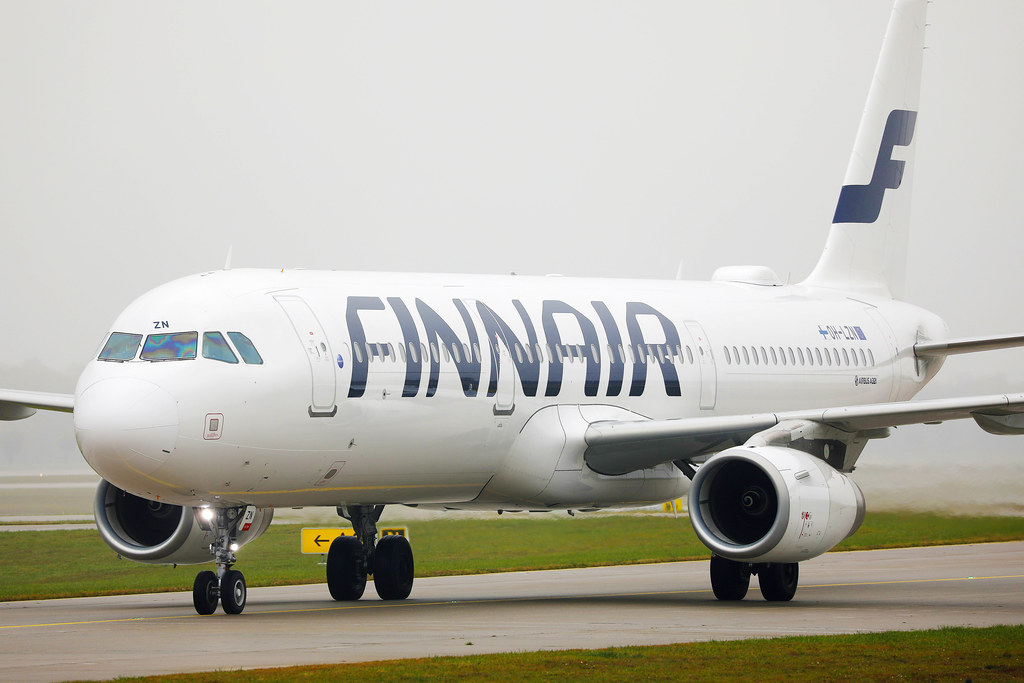
If further testing confirms that water cleaning did not weaken the fire protection, Finnair could resume operations quickly.
However, if the coating has been damaged, the airline may face a costly replacement of seat materials across the affected aircraft.
For now, the carrier is working with the manufacturer and aviation authorities to assess the situation and ensure all safety certifications remain valid before returning the planes to service.
Stay tuned with us. Further, follow us on social media for the latest updates.
Join us on Telegram Group for the Latest Aviation Updates. Subsequently, follow us on Google News
