

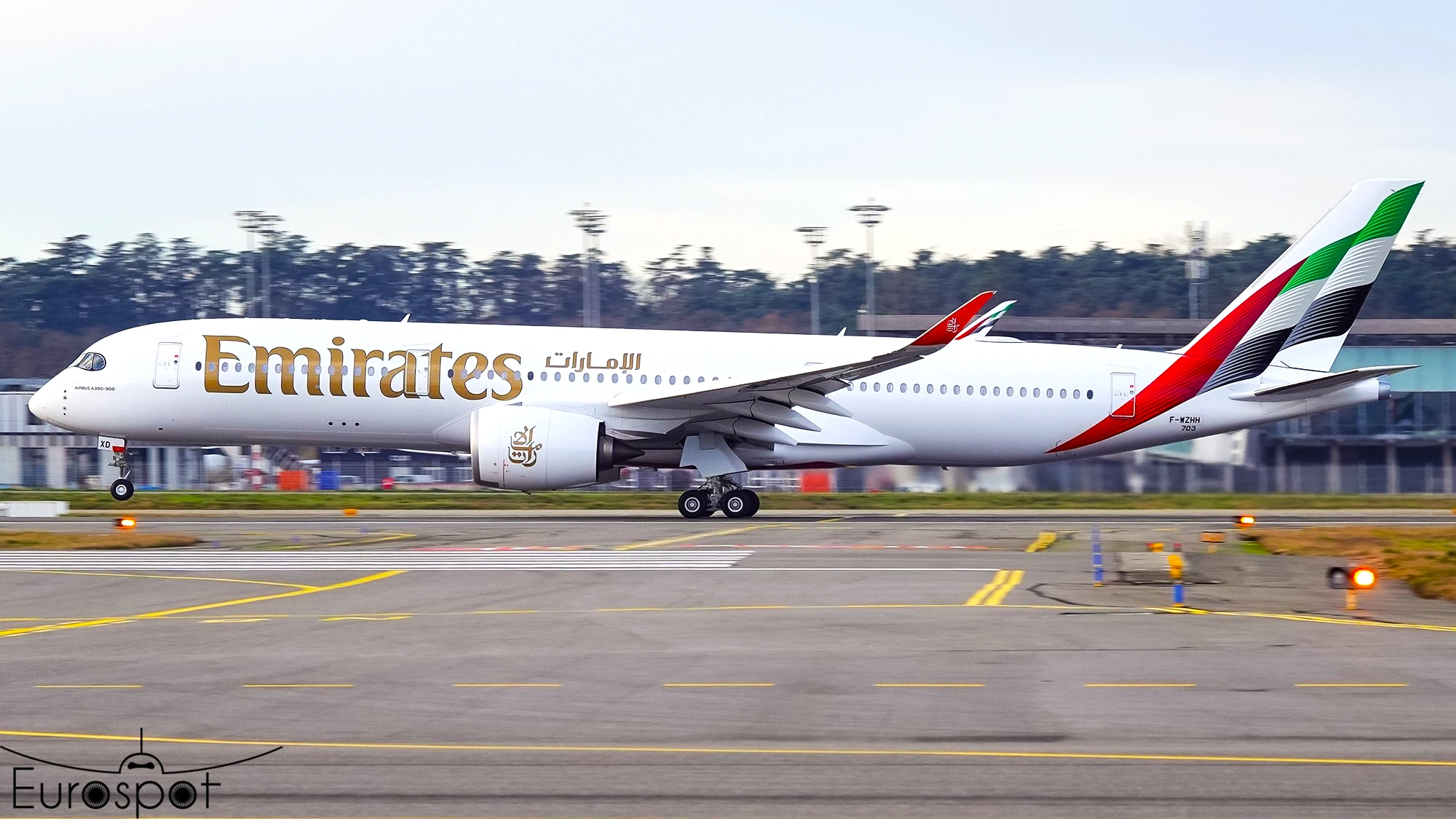
DUBAI- Emirates Airline (EK) President Sir Tim Clark has called on both Airbus and Boeing to develop larger, next-generation long-haul aircraft capable of replacing the Airbus A380.
Clark emphasized the urgent need for a widebody jet with greater passenger capacity, citing limited airport slot availability at major global hubs such as London Heathrow (LHR) and Dubai International (DXB).
Emirates Eyes New A350 and 777X Variants
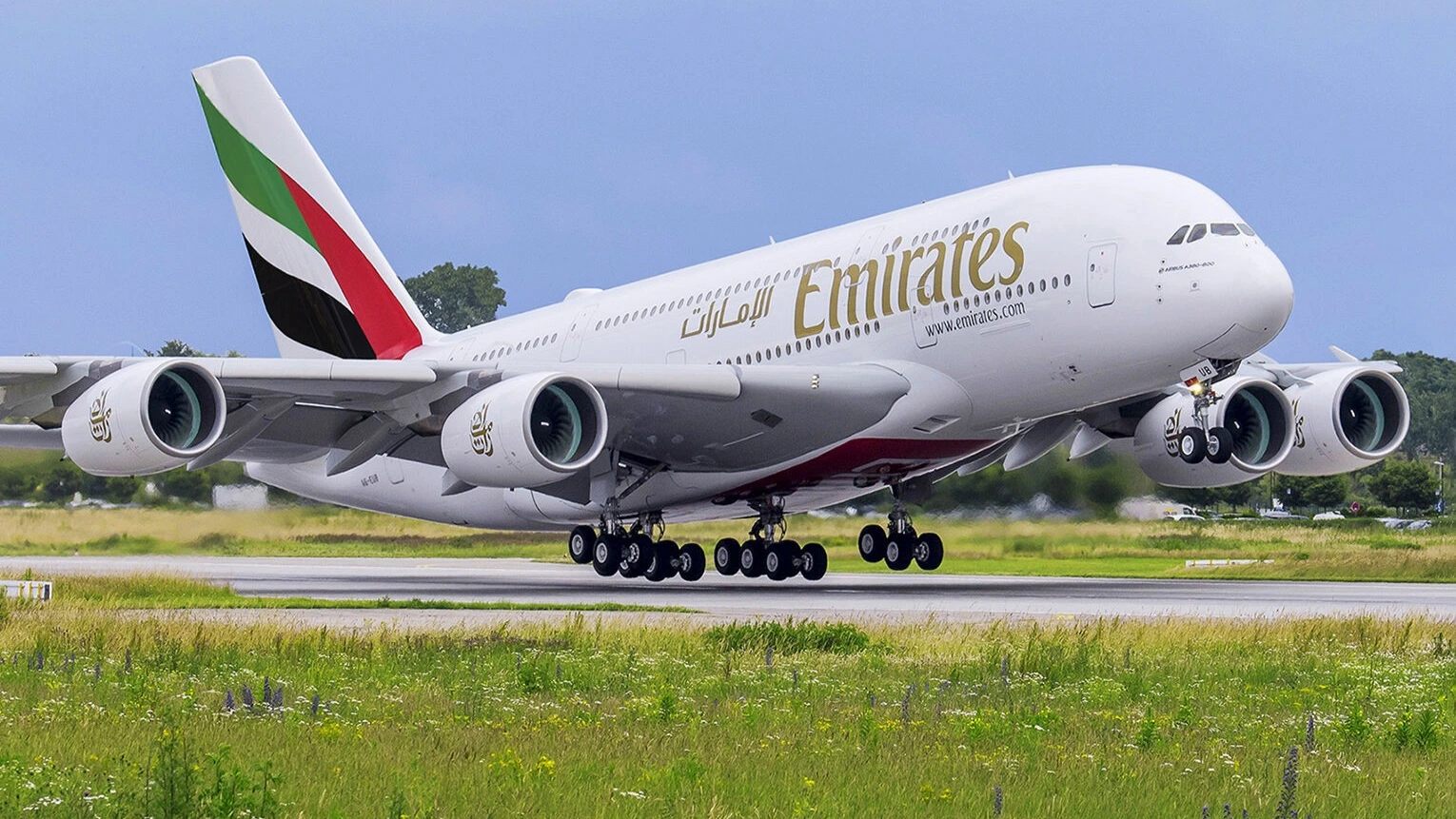
As the world’s largest operator of the Airbus A380, Emirates faces a significant capacity gap as the superjumbo nears the end of its production life.
Clark said the Airbus A350-1000 is “too small” to replace the A380, noting that the airline requires an aircraft that can seat more passengers without increasing flight frequencies. “We need something bigger,” he said.
Tim Clark’s latest remarks reflect Emirates’ long-standing position that a new generation of high-capacity jets is vital to meet future passenger demand.
While Airbus currently offers the A350-1000 as its largest twinjet, the aircraft seats roughly 350 passengers—far fewer than the 484-seat A380.
Clark believes Airbus should pursue a stretched version of the A350 with improved wings, a lighter composite structure, and modern engines.
He noted that without a larger model, airlines operating from slot-restricted airports will struggle to expand capacity in the next two decades.
Airbus Chief Executive Guillaume Faury has hinted at a possible “natural progression” of the A350 family. A longer variant could potentially rival Boeing’s 777X in range and capacity, though such a development is unlikely before the 2030s, following the A350F freighter and A220-500 programs.

Expanding the 777X Family
Emirates’ demands are not limited to Airbus. Clark also pressed Boeing to develop a stretched version of its 777X series. The Boeing 777-9, the largest model currently under development, offers around 346 seats—still well short of the A380’s total.
According to Clark, Emirates faces a shortfall of roughly 140 seats per aircraft as it gradually phases out its A380s.
To maintain efficiency on high-density routes such as Dubai–London and Dubai–Sydney (SYD), the airline argues that larger widebodies are essential.
He added that high-capacity aircraft would be crucial for carriers facing airport slot limitations, ensuring growth without increasing flight frequencies.
A380s flying until 2041?
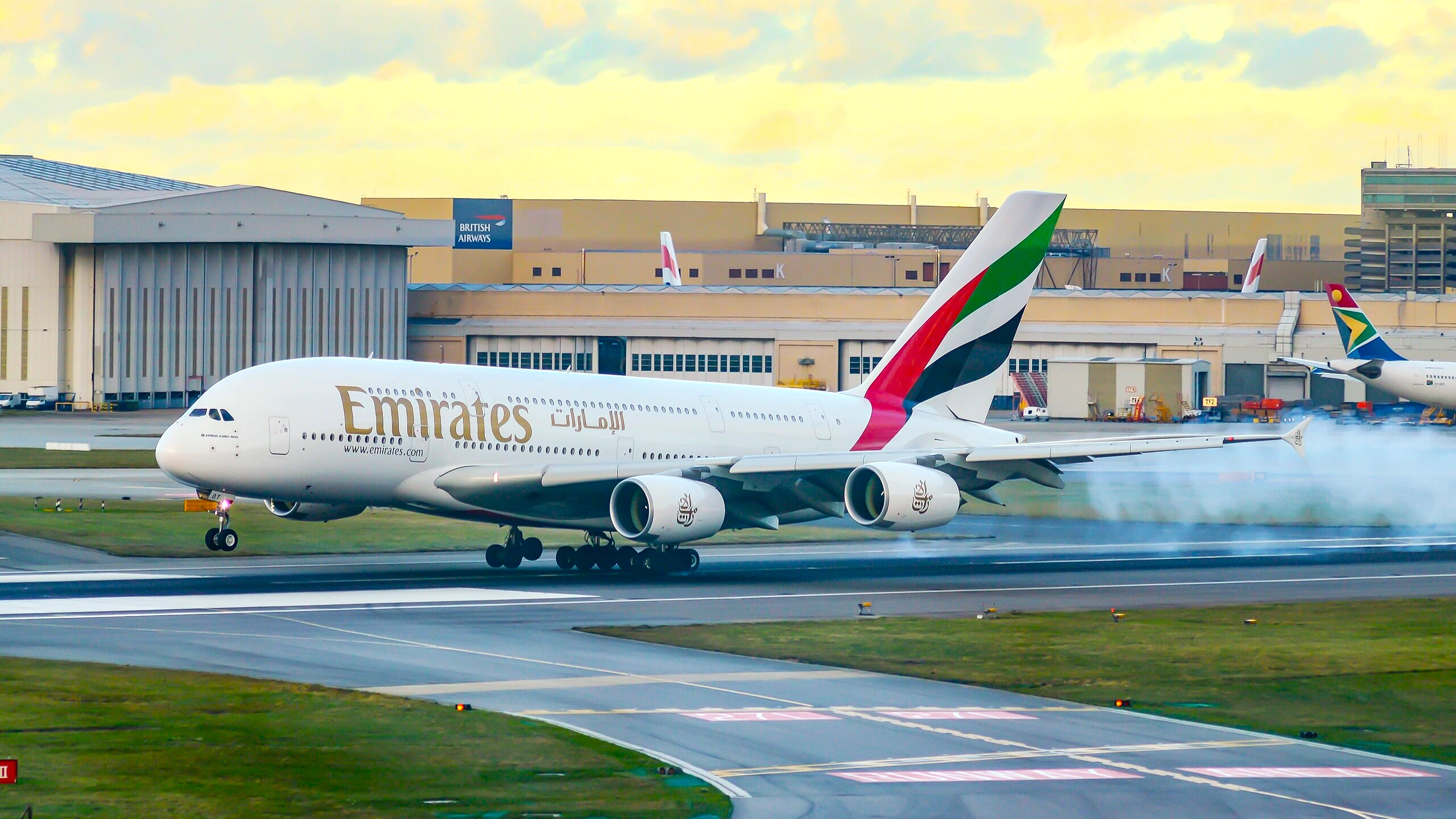
Despite the challenges, Emirates plans to operate its Airbus A380 fleet until at least 2041. The airline has invested heavily in refurbishment programs to extend the lifespan of its flagship aircraft.
However, Clark acknowledged the hurdles in maintaining the aging fleet, particularly regarding engine support and spare parts availability, and was quoted in Aero Telegraph as having said:
The supply chain has to work…Rolls-Royce and Engine Alliance must remain engaged to ensure the A380 continues to fly. It will be difficult, but our plan is to keep the A380 alive.
As the aviation industry shifts toward sustainability and efficiency, Emirates’ demand for larger aircraft signals that ultra-high-capacity travel remains relevant in the long term.
Whether Airbus or Boeing will respond with next-generation designs remains to be seen—but the pressure from one of the world’s most influential airlines is growing.
Bottom Line
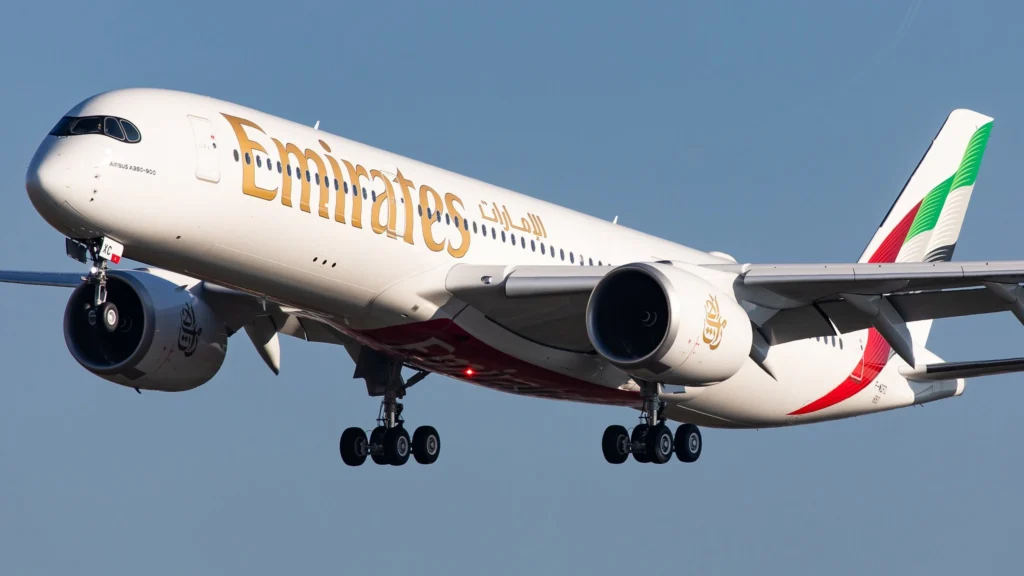
Emirates’ call for larger versions of the Airbus A350 and Boeing 777X highlights a critical issue facing the future of global aviation—capacity growth amid infrastructure limits.
As major airports reach saturation and sustainability pressures rise, airlines like Emirates are looking for efficient yet spacious aircraft to sustain long-haul demand.
Stay tuned with us. Further, follow us on social media for the latest updates.
Join us on Telegram Group for the Latest Aviation Updates. Subsequently, follow us on Google News
