


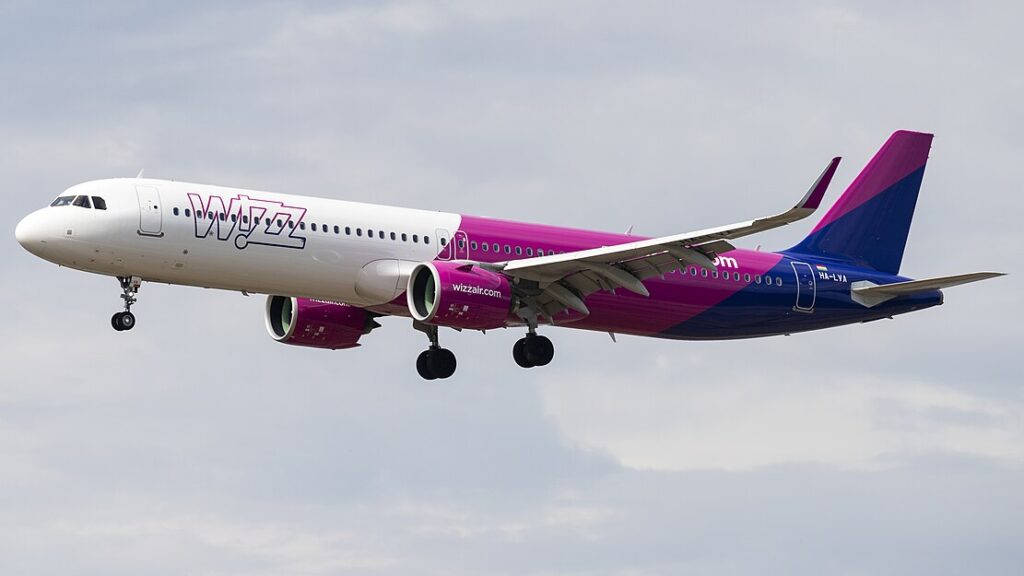
BUDAPEST— Wizz Air (W6) reported a 66.6% decline in net profit to €108.1 million for the six months ended September 30, 2026, despite increasing passenger traffic by 26.2% to 46.1 million. Higher fuel costs, Middle East disruptions and grounded aircraft affected its financial performance.
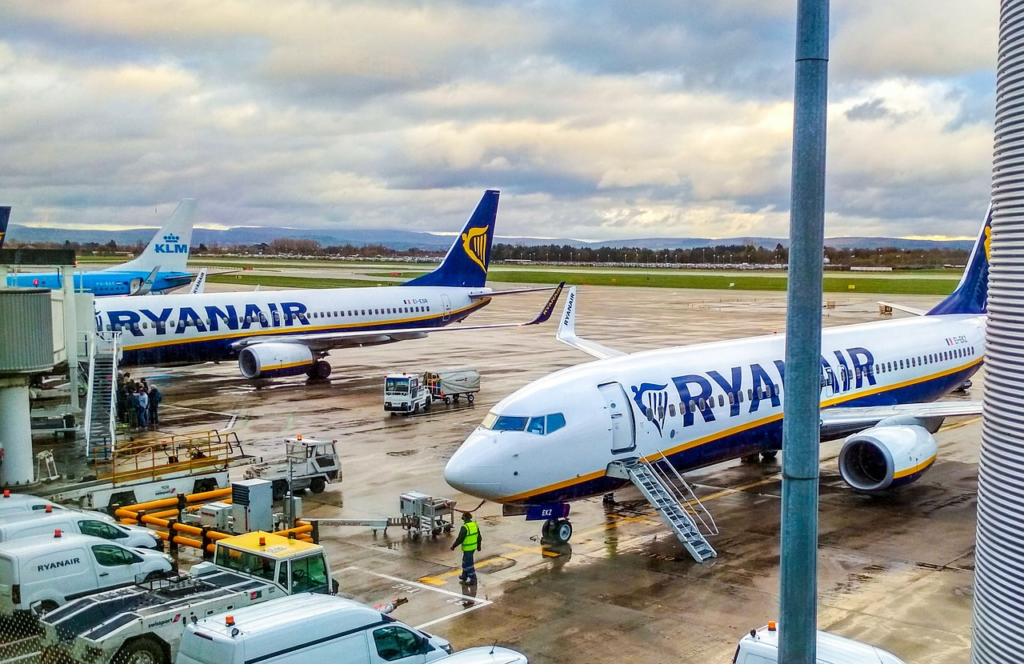
By comparison, Dublin (DUB)-based Ryanair (FR) reported a 15% decline in half-year profit after tax to €2.15 billion, as passenger traffic increased 6% to 125.8 million. Earlier fuel hedging and better fleet availability helped the Irish airline absorb rising operating costs more effectively.
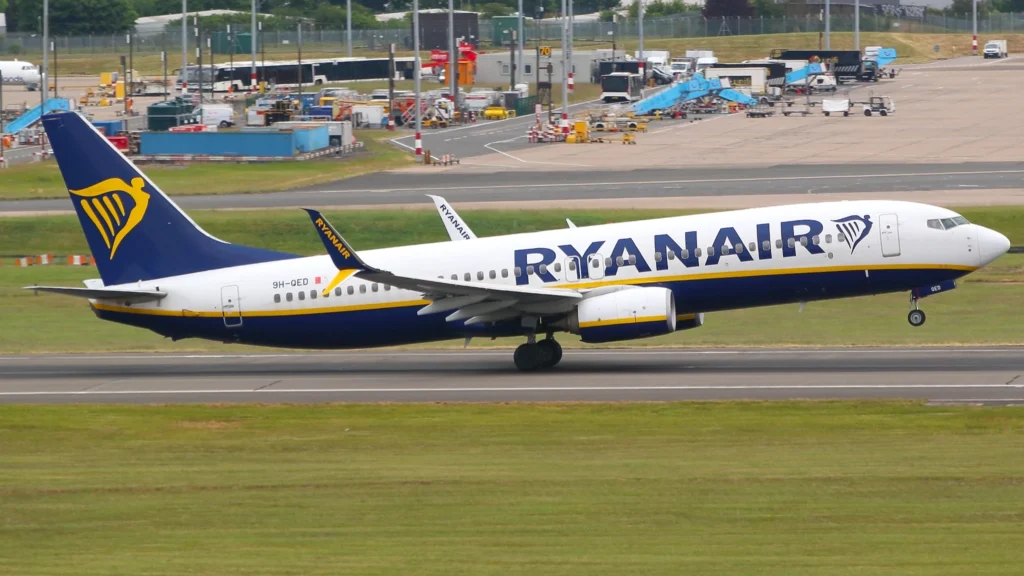
Fuel Costs Expose a Growing Financial Gap Between Ryanair and Wizz Air
Wizz Air announced its first-half financial results on November 12, 2026, covering the six months from April to September. Total revenue increased 13.8% to €3.8 billion, but operating profit dropped 39.8% to €264.5 million.
Its net profit declined from €323.5 million in the corresponding period last year to €108.1 million. This represented a 66.6% reduction despite substantial passenger growth.
Wizz Air carried 46.1 million passengers, compared with 36.5 million a year earlier. Its load factor also remained strong at 92.5%, slightly higher than the previous year’s 92.4%.
However, strong passenger demand did not translate into comparable profit growth. Fuel-related expenses and operational challenges significantly affected its earnings.
Ryanair experienced a different financial outcome during the same six-month period. The airline reported €2.15 billion in profit after tax, compared with €2.54 billion in the previous year.
Its revenue increased 3% to €10.08 billion, supported by 6% passenger growth to 125.8 million. However, average fares declined 4% to €55.70.
Ancillary revenue increased 6% to €3.08 billion, helping the airline maintain revenue growth despite lower ticket prices.
Ryanair also announced an additional €800 million share buyback programme, scheduled to begin in February 2027.
The difference between the two airlines becomes clearer when comparing their profit retention. Ryanair retained approximately 85% of its previous year’s first-half profit, while Wizz Air retained only around one-third, Live and Let’s Fly reported.
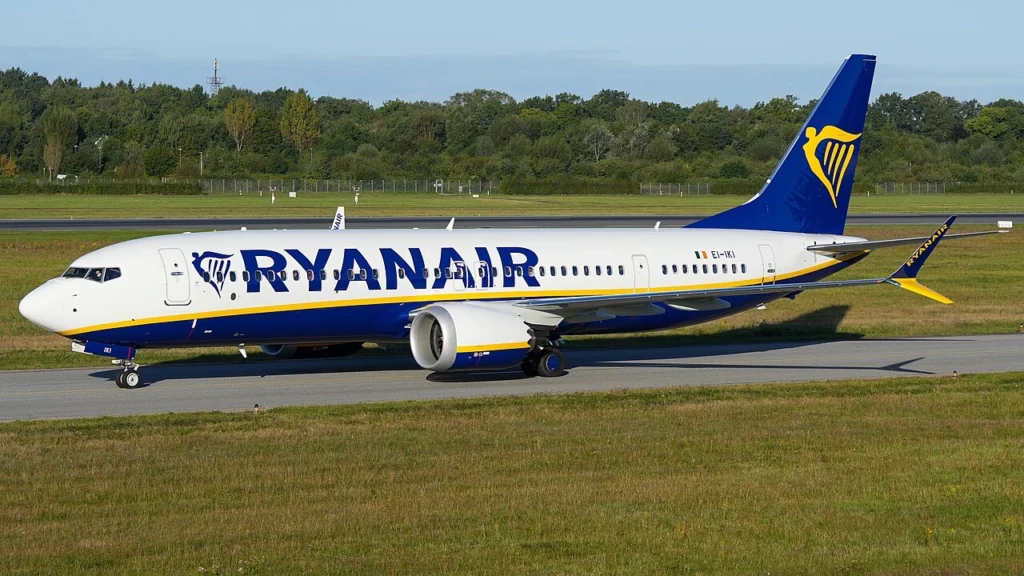
Ryanair’s Earlier Fuel Hedging Provided a Major Advantage
Fuel hedging played an important role in separating the financial performance of the two airlines.
Ryanair secured approximately 80% of its fiscal 2027 jet fuel requirements at around $67 per barrel. This protected most of its fuel consumption from the subsequent market price increases.
The remaining 20% of its fuel requirements remained exposed to market prices. Ryanair reported that prices for this unhedged portion doubled to approximately $130 per barrel.
Consequently, the airline’s unit costs increased 5%, but its earlier hedging arrangements limited the overall financial impact.
Wizz Air entered the period with a different fuel-hedging position. Its fuel cost per available seat kilometre increased 14.5% during the first half, rising from 1.38 euro cents to 1.58 euro cents.
The airline’s total fuel expenses increased 33.7% to €1.24 billion, compared with €928.3 million in the previous year.
As of November 6, 2026, Wizz Air had secured hedging coverage for 82% of its second-half fiscal 2027 fuel requirements through zero-cost collars. Its disclosed hedge levels were $860/$794 per metric tonne.
For fiscal 2028, its coverage stood at 41%, with hedge levels of $1,009/$900 per metric tonne.
Wizz Air Chief Executive Officer József Váradi said the airline’s second-half hedging position was working as intended.
However, the timing and pricing of the contracts created a different level of protection compared with Ryanair’s earlier arrangements.
The quoted hedge prices also use different units. Ryanair reports its position per barrel, while Wizz Air reports jet fuel hedge levels per metric tonne through zero-cost collars. Therefore, the figures should not be compared directly without accounting for those differences.
Nevertheless, Ryanair’s lower-priced fuel coverage helped protect its earnings during the first half, while Wizz Air faced a much larger increase in fuel-related unit costs.
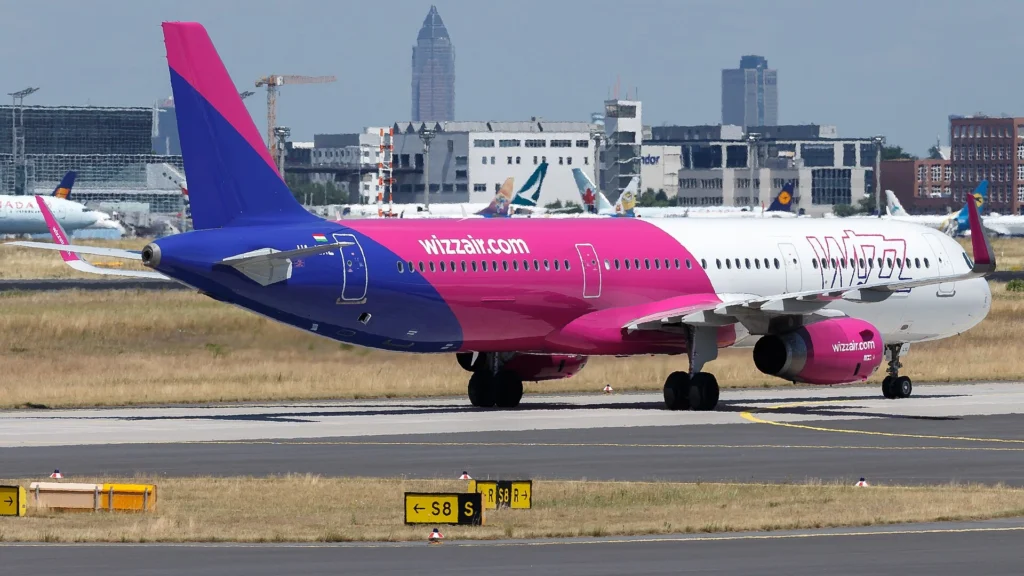
Pratt & Whitney Engine Groundings Add Pressure on Wizz Air
Fuel was not the only problem affecting Wizz Air. The airline continued to face aircraft availability issues because of Pratt & Whitney GTF engine inspections.
As of September 30, 2026, Wizz Air had 22 aircraft grounded because of GTF engine-related inspections. This was an improvement from the 35 grounded aircraft reported a year earlier.
However, the company expected between 15 and 20 aircraft to remain grounded at the end of fiscal 2027. It continues to target zero GTF-related groundings by the end of calendar year 2027.
These restrictions create additional pressure on Wizz Air’s operations because grounded aircraft cannot generate revenue while continuing to contribute to the airline’s fleet-related costs.
Wizz Air operates an Airbus-focused fleet, including A320neo-family aircraft equipped with Pratt & Whitney GTF engines.
Ryanair, meanwhile, operates a Boeing 737 fleet and does not face the same GTF inspection-related groundings. Its financial disclosures reported an overall fleet of 620 Boeing 737 aircraft.
This difference gives Ryanair an advantage in avoiding the specific engine-related availability problem affecting Wizz Air.
Although Boeing has faced its own aircraft delivery, certification and technical challenges, the Pratt & Whitney GTF inspections have created a distinct operational burden for Airbus operators such as Wizz Air.

Wizz Air Faces Higher Operating Costs Despite Strong Demand
Wizz Air’s financial results also highlight the challenges of expanding capacity while managing operational expenses.
The airline’s first-half ex-fuel cost per available seat kilometre decreased 0.3% to 3.07 euro cents. However, management now expects this measure to increase by a mid-single-digit percentage during fiscal 2027.
The company attributed the expected increase to transitional costs, while describing its underlying operational performance as broadly flat.
Wizz Air also plans to maintain substantial capacity growth during the winter season.
For the third quarter, the airline expects available seat kilometres to increase approximately 12% year-on-year, while seat capacity is expected to grow around 19%.
However, its load factor is forecast to decline by a low-single-digit percentage. Revenue per available seat kilometre is expected to increase by a low-single-digit percentage.
This combination indicates that Wizz Air intends to continue expanding its network despite a more challenging cost environment.
The airline’s second-quarter performance offered some encouragement. Net profit increased 7.4% to €306.3 million, while operating profit rose 8.8% to €447.8 million.
These improvements came despite fuel costs increasing 28.7% during the quarter.
Wizz Air also reported that its first-half operating profit was affected by disruptions during the first quarter, suggesting that its performance improved as the summer progressed.
Nevertheless, the company expects fiscal 2027 to represent the peak year of its network rebuilding programme, with growth expected to moderate afterwards as it focuses on improving route maturity, flight frequency and ancillary revenue.
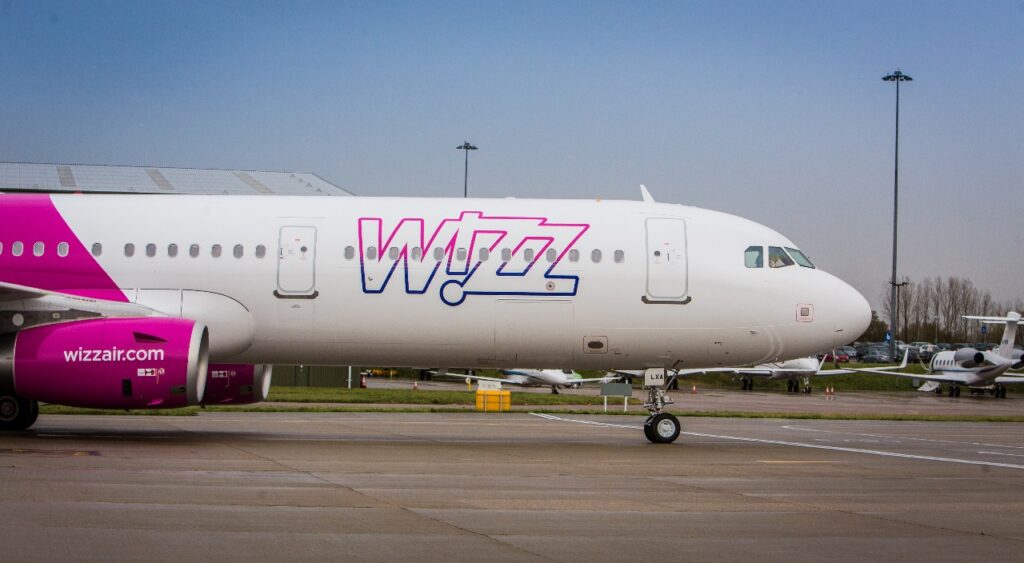
Middle East Disruptions Further Complicate Wizz Air’s Recovery
Geopolitical developments created another challenge for Wizz Air during the reporting period.
The airline experienced disruptions during the first quarter because of the Middle East conflict and associated airspace restrictions.
Wizz Air postponed the planned resumption of flights to destinations including Abu Dhabi (AUH) and Dubai (DXB). The restrictions required aircraft to follow significantly longer routes, increasing flight times and operating expenses.
The company also continued monitoring developments in the Middle East and Ukraine.
These disruptions affected its operating schedule and contributed to the weaker first-quarter financial performance.
By comparison, Ryanair also acknowledged that the Middle East conflict affected passenger booking behaviour and contributed to lower average fares.
However, the two airlines entered the period with different cost structures and fuel-hedging positions, resulting in substantially different financial outcomes.
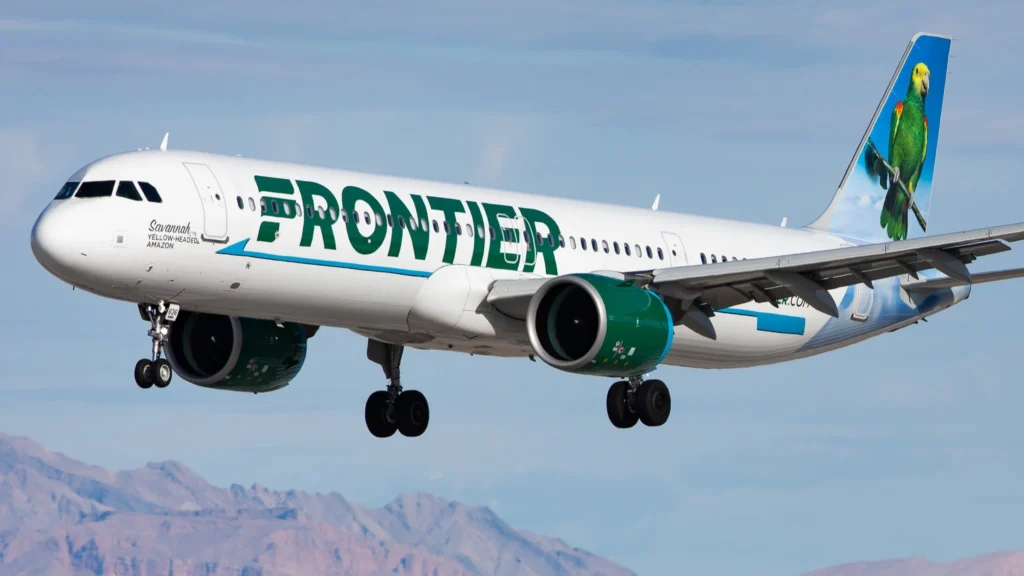
Frontier Airlines Adds a US Dimension to Wizz Air’s Challenges
The performance difference between Wizz Air and Ryanair also offers an interesting comparison for the American ultra-low-cost airline market.
Frontier Airlines recently appointed Michael Delehant as its new Executive Vice President and Chief Operating Officer, with the appointment effective November 30, 2026.
Delehant previously worked at Wizz Air from April 2021 to August 2026. He most recently served as Group Managing Director, overseeing operational and commercial activities. He had earlier served as the airline’s Group Chief Operations Officer.
The appointment connects Wizz Air’s European operational experience with Frontier’s efforts to strengthen its management team.
However, Delehant’s operational and commercial responsibilities at Wizz Air should be distinguished from the airline’s fuel-hedging and aircraft procurement decisions.
Frontier is also dealing with its own financial pressures. The airline reported a GAAP net loss of $104 million for the third quarter of 2026, even as revenue increased to approximately $1.36 billion.
Its fuel expenses reached $425 million, representing a 56% increase compared with the same quarter last year.
Although Frontier reported adjusted net income of $40 million, the higher fuel bill highlights the pressure that rising energy prices can place on low-cost airline business models.
European Airfares Could Face Further Pressure in 2027
The fuel-hedging positions of Ryanair and Wizz Air will remain important as their existing contracts expire and the airlines secure additional fuel requirements.
Ryanair has hedged approximately 25% of its fiscal 2028 fuel requirements at around $95 per barrel.
Wizz Air has secured coverage for 41% of its fiscal 2028 fuel requirements through zero-cost collars.
Both airlines therefore retain exposure to future fuel prices, although their coverage levels and contractual structures differ.
Ryanair’s average fares already declined 4% during the first half of fiscal 2027. However, its management has indicated that fares could increase when its existing lower-priced fuel hedges expire.
Wizz Air, meanwhile, expects revenue per available seat kilometre to improve by a low-single-digit percentage in the third quarter.
The financial outlook suggests that maintaining extremely low fares could become more difficult if fuel prices remain elevated and airlines lose the protection of existing hedging contracts.
This situation could also affect other ultra-low-cost carriers, including Frontier, particularly those operating with limited financial flexibility.
However, future ticket prices will depend on fuel market developments, competition, passenger demand and each airline’s ability to manage its operating costs.
Bottom Line
The first-half results demonstrate how two major European low-cost airlines can experience substantially different financial outcomes despite operating in the same challenging market.
Wizz Air continued to attract passengers, increased capacity, and maintained a 92.5% load factor. However, higher fuel expenses, Pratt & Whitney GTF engine groundings, and Middle East disruptions significantly affected its profitability.
Ryanair also experienced lower fares and higher fuel expenses, but its earlier fuel hedging arrangements and different fleet composition helped limit the financial impact.
The comparison reinforces an important principle of the low-cost airline business: filling aircraft is not enough to guarantee profitability. Airlines must also control fuel expenses, maintain aircraft availability and manage capacity growth.
For now, Ryanair retains a clear cost advantage over Wizz Air. The challenge for Wizz Air will be converting its strong passenger growth into sustainable profitability while resolving its fleet availability problems and managing future fuel expenses.
Stay tuned with us. Further, follow us on social media for the latest updates.
Join us on Telegram Group for the Latest Aviation Updates. Subsequently, follow us on Google News
