


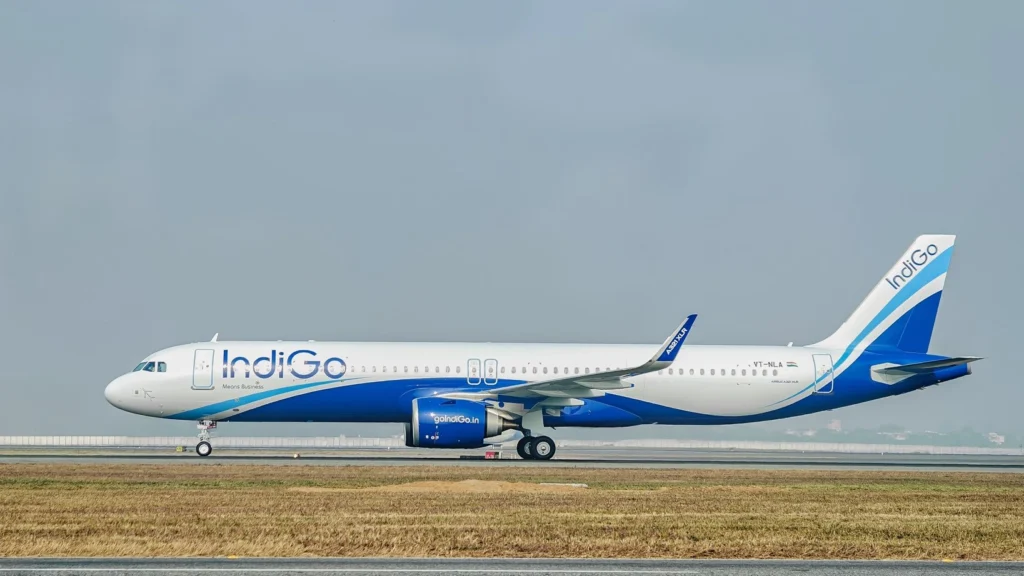
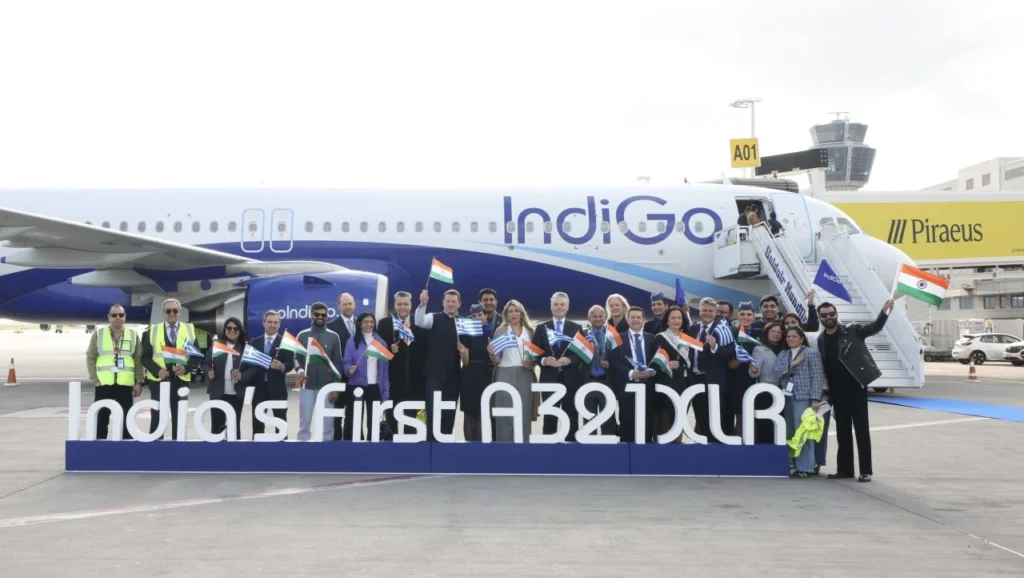
MUMBAI- IndiGo (6E) is reshaping its long-haul European operations by replacing leased Boeing 787-9 Dreamliners with smaller Airbus A321XLR aircraft on its Mumbai–Amsterdam route. The change follows the planned end of its damp-lease agreement with Norse Atlantic Airways (Z0) on October 31, 2026, as the Indian carrier adjusts capacity and operating costs while continuing nonstop services to Europe.
The transition will reduce the number of seats available on each departure but allow IndiGo to maintain its Amsterdam connection without relying on leased widebody aircraft. The airline has also suspended its London Heathrow (LHR) service until its own Airbus A350-900 aircraft become available, marking a transitional phase in its ambition to expand its international network.
Why IndiGo Is Switching Aircraft
IndiGo launched its European long-haul services in 2025 using six Boeing 787-9 aircraft under a damp-lease agreement with Norse Atlantic Airways.
The arrangement allowed IndiGo to provide its own cabin crew while Norse supplied the aircraft and pilots, helping the Indian carrier establish a presence in Europe before receiving its own widebody fleet.
However, geopolitical tensions and airspace restrictions have made flights between India and Europe more expensive and operationally challenging.
Longer routings have increased fuel consumption, while higher fuel prices and currency pressures have further weakened the economics of IndiGo’s leased widebody operations.
The Airbus A321XLR offers a smaller-capacity alternative with lower overall operating costs and commonality with IndiGo’s existing A320-family fleet.
This allows the airline to continue serving Amsterdam without deploying a larger aircraft when its operating economics are under pressure.
IndiGo has also adjusted its Mumbai–Amsterdam schedule for the winter 2026 season. Although it previously considered reducing the service to three flights per week, its October schedule update retained daily flights, with the A321XLR replacing the Dreamliner from October 25.

Capacity and Passenger Experience
The aircraft change represents a significant reduction in passenger capacity on each departure. Based on the configurations provided, the Boeing 787-9 accommodates 338 passengers, compared with 195 on IndiGo’s A321XLR, a reduction of approximately 42%.
| Specification | Boeing 787-9 | Airbus A321XLR |
|---|---|---|
| Cabin | Twin-aisle | Single-aisle |
| Total seats | 338 | 195 |
| Advertised range | 14,010 km | 8,700 km |
| Premium seats | 56 | 12 |
| Economy seats | 282 | 183 |
The figures reflect the configurations cited in the supplied reference, rather than a universal seating arrangement for either aircraft type.
Passengers will also notice differences in cabin space and onboard amenities. The Dreamliner offers a wider cabin, two aisles and larger windows, while IndiGo’s A321XLR features a single aisle, six-abreast economy seating and 12 IndiGoStretch premium seats.
The airline’s A321XLR does not have an installed in-flight entertainment system, meaning passengers on the long journey will need to plan their own entertainment.
Economy seating also offers less space than the premium cabin, making the aircraft a different experience from the larger Dreamliner.
IndiGo’s wider strategy remains focused on expanding international operations. The airline has ordered 40 A321XLRs and 60 Airbus A350-900s, with A350 deliveries expected to begin in 2028.
Bottom Line
Until its own widebody fleet arrives, the A321XLR will support selected longer routes, while London Heathrow (LHR) remains suspended.
The shift highlights IndiGo’s decision to prioritise operating economics while preserving its European presence.
Although the smaller aircraft reduces seats per departure, it allows the airline to continue nonstop Mumbai–Amsterdam services while preparing for a later return to widebody long-haul operations.
Stay tuned with us. Further, follow us on social media for the latest updates.
Join us on Telegram Group for the Latest Aviation Updates. Subsequently, follow us on Google News
