

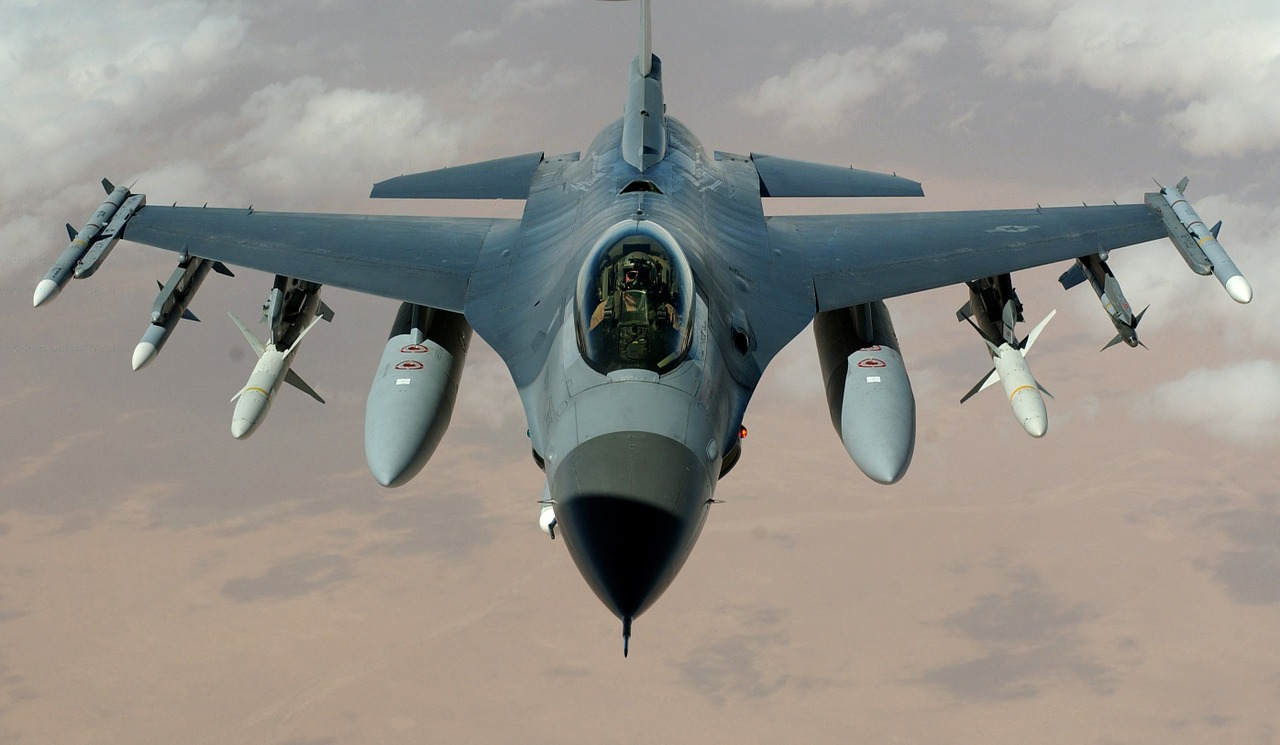
TEIPEI- Taiwan is considering extending the retirement age for experienced military pilots to 58 as its air force prepares to operate a new fleet of F-16V Block 70 fighter jets. The proposal aims to retain skilled aviators who might otherwise leave the military for better-paid opportunities with commercial airlines.
The plan follows the arrival of the first two aircraft from Taiwan’s order of 66 advanced F-16Vs at Chihhang Air Base in Taitung (TTT) on October 2, 2026. As the island expands its fighter fleet, the defence ministry is seeking to ensure that it has enough experienced pilots to operate the aircraft and maintain combat readiness.
Taiwan Pilot Retirement Plan Proposal Ahead
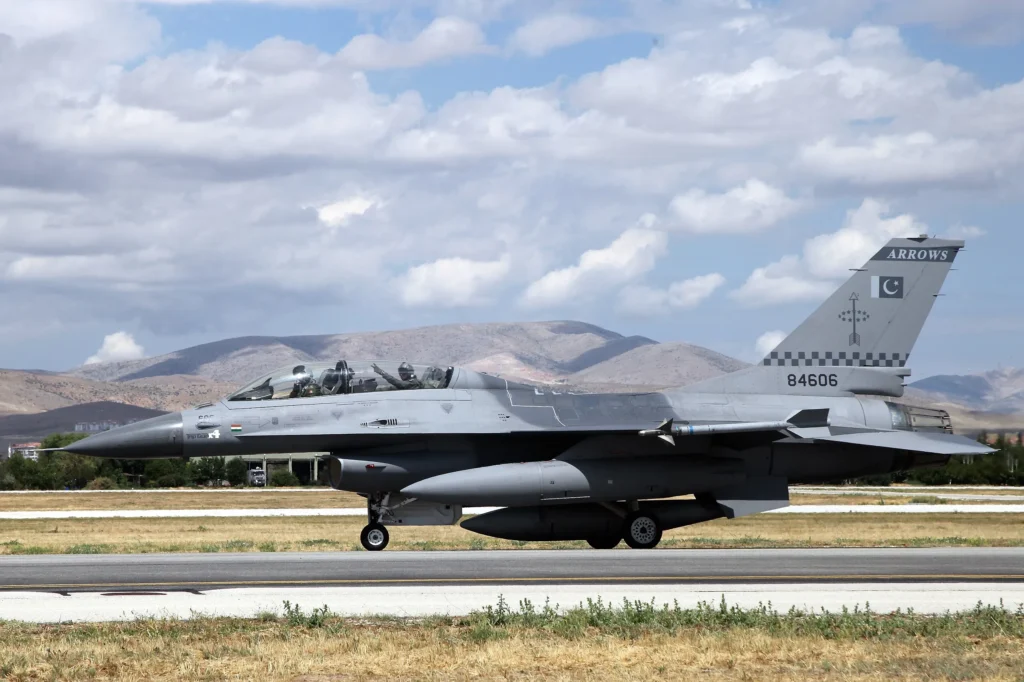
Taiwan’s Ministry of National Defense has proposed allowing selected lieutenant colonels and colonels to continue flying until age 58.
Under the existing rules, lieutenant colonels generally face retirement at around 48, while colonels can serve until approximately 52, subject to their respective service limits.
The proposed scheme would create 72 additional positions for experienced pilots who have completed at least 14 years of service. These officers could retain their existing ranks and concentrate on flying duties instead of moving into command or administrative roles.
Defence Minister Wellington Koo Li-hsiung said the initiative would help the air force retain valuable personnel whose training requires years of investment.
The proposal was submitted to Taiwan’s cabinet on September 4 for approval, with the ministry estimating that it would cost more than NT$40 million (approximately US$1.3 million).
Eligible pilots would also continue receiving aviation-duty allowances and retention bonuses, provided they meet the required physical standards. They would help train and mentor younger aviators, strengthening the air force’s experience base while continuing operational duties.
F-16V Fleet Expansion Programme Gains Momentum
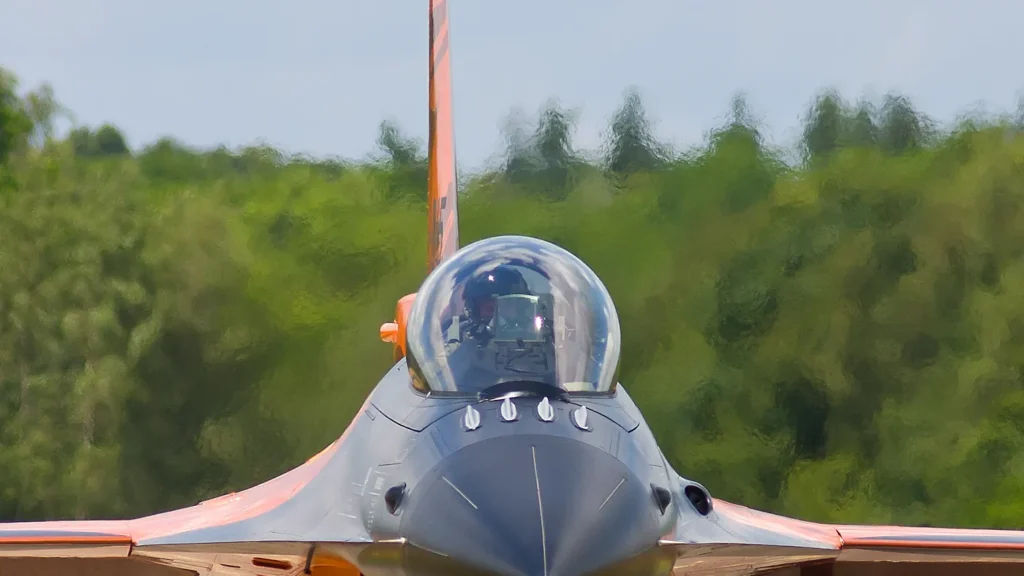
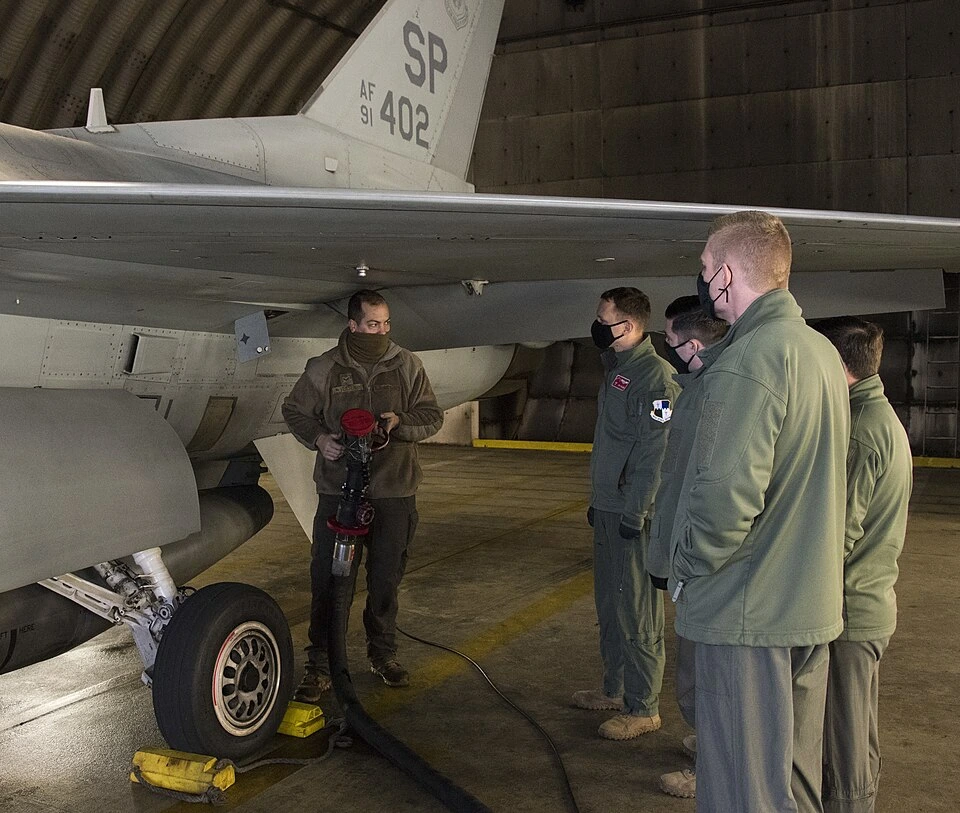
The retention proposal coincides with Taiwan’s efforts to introduce 66 newly manufactured F-16V Block 70 fighters purchased from the United States. The first two aircraft landed at Chihhang Air Base on October 2, marking the beginning of deliveries after delays affected the programme.
According to Koo, 63 of the 66 aircraft had entered production, with six reaching the flight-test stage. Two aircraft had arrived in Taiwan, while two were designated to remain in the United States for training and another two were undergoing acceptance procedures.
The new fighters will supplement approximately 140 older F-16A/B aircraft that Taiwan has already upgraded to the F-16V standard.
The expanded fleet will require additional trained personnel, with the air force preparing more than 100 pilots for the additional fighter units.
The ministry reported a pilot staffing rate of 87.8 per cent and expected it to rise to 91.3 per cent after personnel undergoing training qualified in January. However, officials have not guaranteed that all 66 new aircraft will arrive by the end of 2027.
Electronic Warfare Challenges Remain Under Review
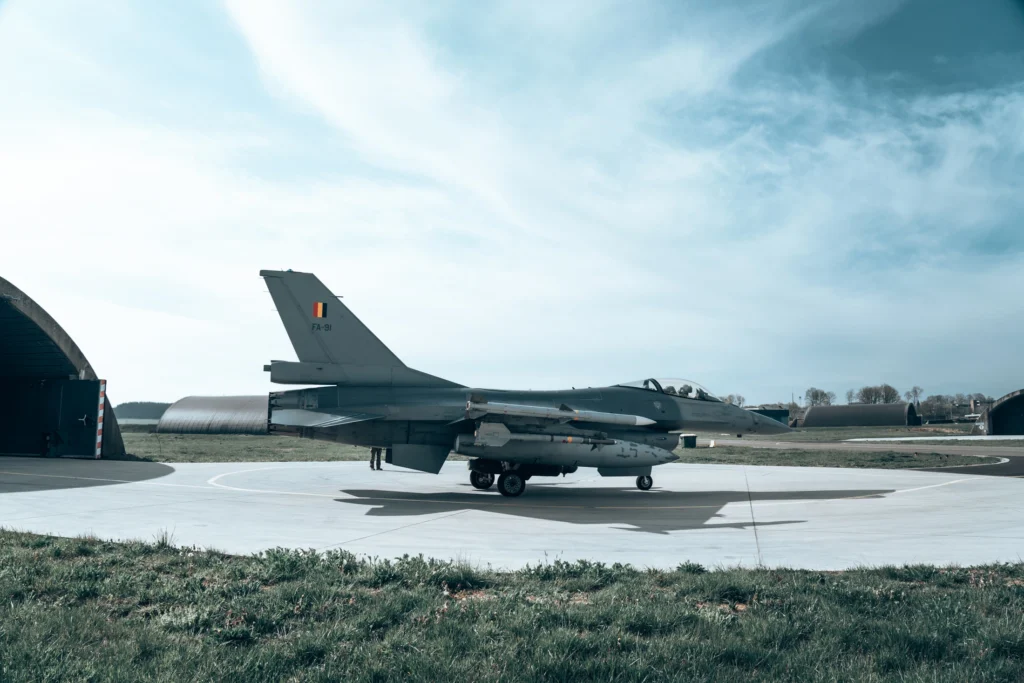
Taiwan’s new F-16V fighters also face questions about the readiness of their electronic warfare systems.
Air Force Chief of Staff Lieutenant General Lee Ching-jan said some hardware for the AN/ALQ-254 Viper Shield electronic warfare suite had been installed, but its software remained under development, SCMP reported.
The system is designed to detect and counter hostile radar and other electromagnetic threats, providing protection in contested airspace. Defence officials said integration with the aircraft’s other systems remained in progress according to the programme schedule.
Meanwhile, Taiwan’s air force has adjusted its response to frequent Chinese military aircraft activity around the island.
Rather than sending fighters to shadow every Chinese aircraft individually, it increasingly uses a combination of patrol aircraft, naval vessels and land-based missile systems to monitor activity and reduce pressure on pilots.
Bottom Line
The proposed retirement extension would therefore address an important personnel challenge as Taiwan modernises its air force.
Final implementation will depend on cabinet approval, while aircraft deliveries and pilot training remain central to bringing the expanded F-16V fleet into operational service.
Stay tuned with us. Further, follow us on social media for the latest updates.
Join us on Telegram Group for the Latest Aviation Updates. Subsequently, follow us on Google News
