

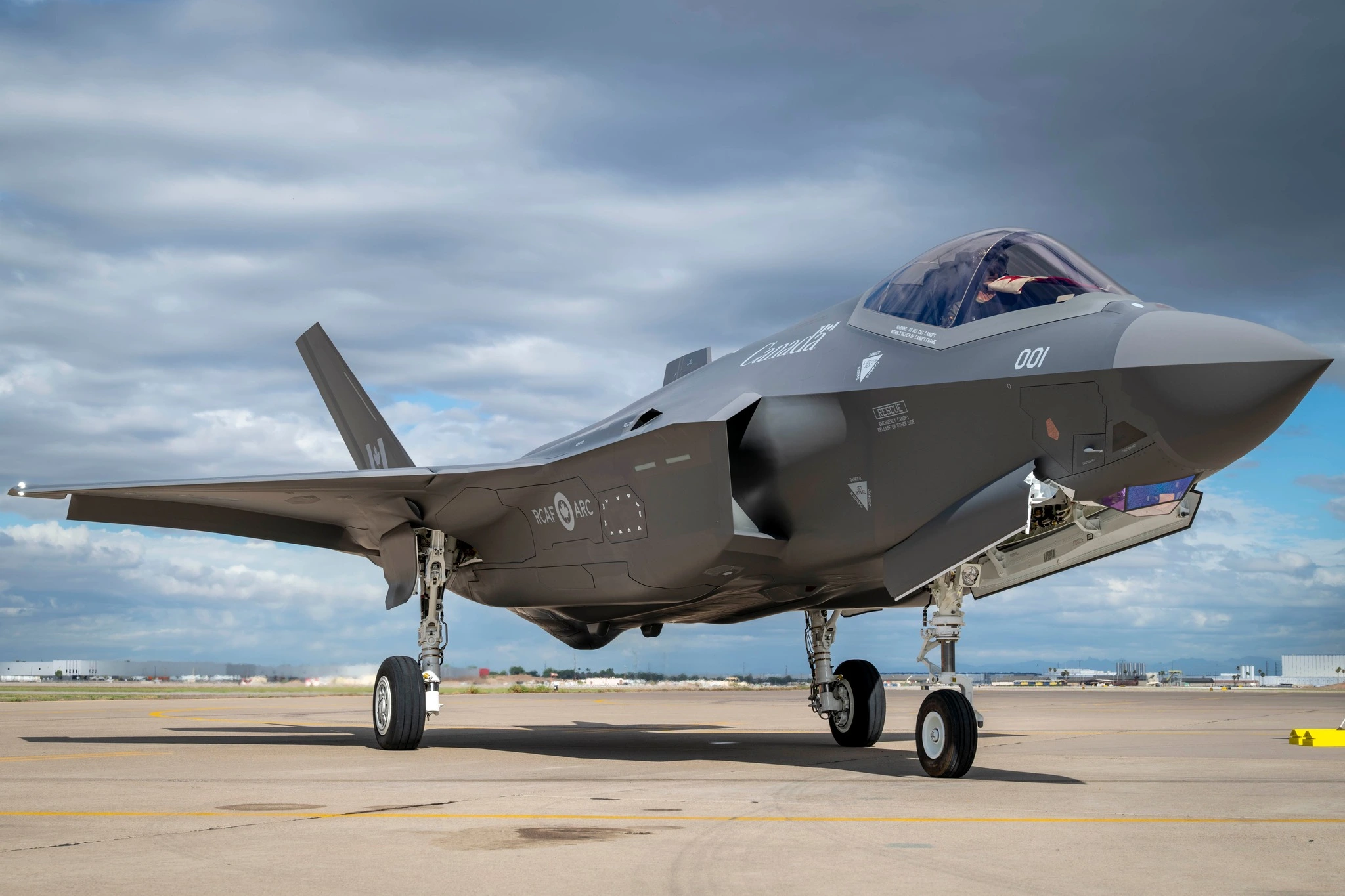
OTTAWA- Canada has received its first 2 Lockheed Martin CF-35A Lightning II fighter jets at Luke Air Force Base, near Phoenix, Arizona.
The Royal Canadian Air Force accepted the aircraft on October 22, 2026, while the federal government continues to review the planned purchase of 88 F-35 fighters.
First F-35 Advances Canada’s Modernization Program
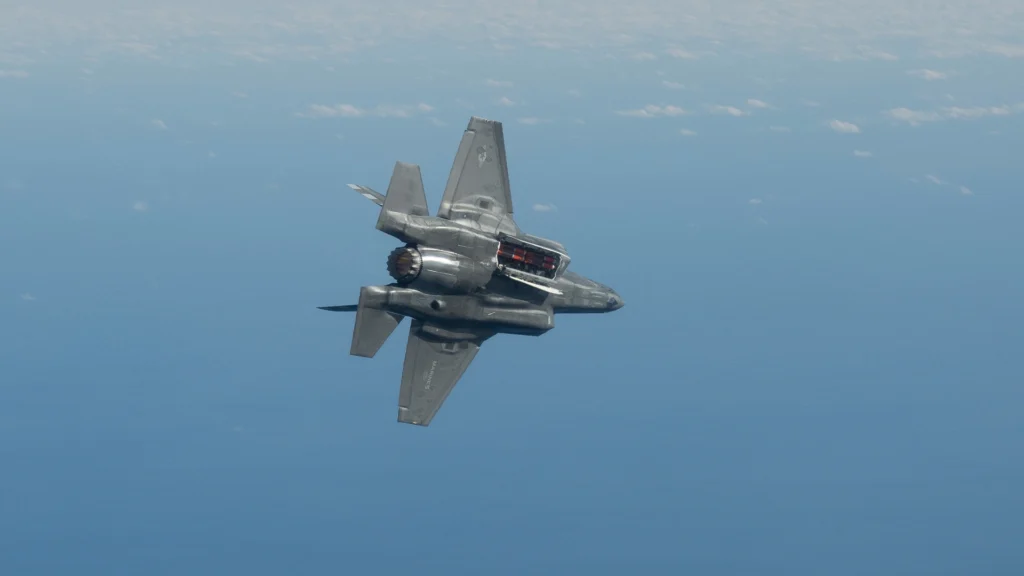
The Royal Canadian Air Force announced the arrival of its first two Lockheed Martin F-35 aircraft on social media following their acceptance at Luke Air Force Base in Arizona.
The announcement included a photograph of one fighter displaying Canada’s maple-leaf roundel, identifying it as part of the Canadian military’s incoming fleet.
The delivery represents progress in a procurement program intended to replace Canada’s ageing CF-18 fighter fleet. The F-35A Lightning II is a fifth-generation multirole combat aircraft designed to combine stealth characteristics, advanced sensors, data sharing and precision-strike capabilities.
However, accepting the first two aircraft does not mean that Canada’s new fighter fleet is ready for operational deployment. The aircraft form part of a broader introduction program that includes pilot training, maintenance preparation, infrastructure development and technical support.
The Royal Canadian Air Force had not immediately confirmed when pilot training would begin using the newly accepted aircraft. That distinction matters because aircraft acceptance, training commencement and operational readiness are separate stages of a military procurement program.
Canada must establish the personnel, facilities and support arrangements needed to operate the aircraft effectively before it can rely on the F-35 fleet for its intended defence missions.
Aircraft Will Support Initial Training Program
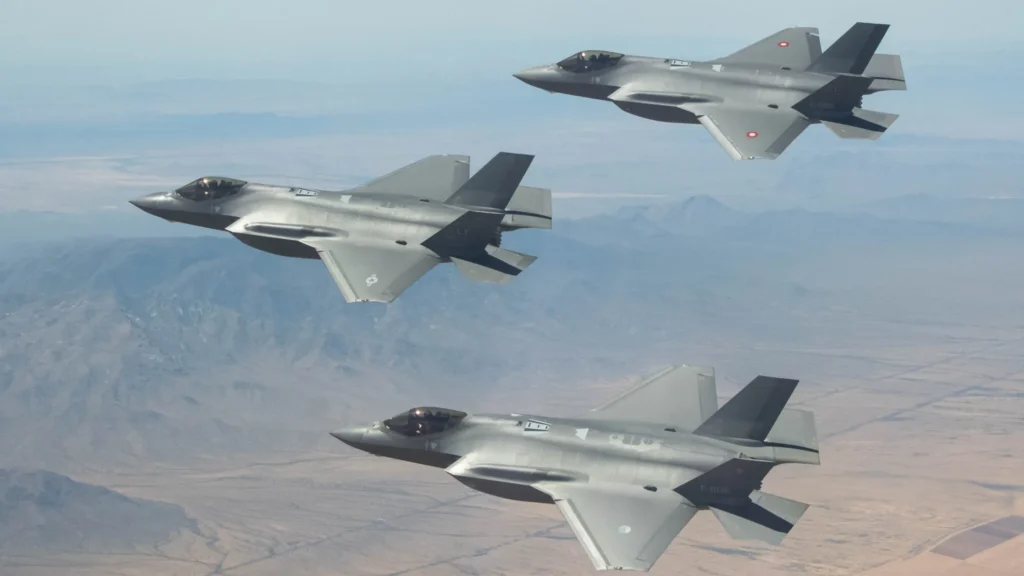
Canada’s published fighter procurement plan places the first eight F-35A aircraft at the F-35A Pilot Training Center at Luke Air Force Base.
The initial overseas location is intended to support Royal Canadian Air Force pilot training while Canada prepares the infrastructure required to receive and operate the aircraft domestically.
According to the Department of National Defence, the first aircraft were expected to be delivered to Luke Air Force Base in 2026, with the first aircraft scheduled to arrive in Canada in 2028.
The published project timeline lists initial operational capability for 2029 to 2030 and full operational capability for 2032 to 2034.
The planned fleet is expected to remain in service beyond 2060. These dates describe the established program schedule and could be affected by subsequent procurement decisions or implementation changes.
The distinction between training in the United States and eventual operations from Canadian bases is important. The initial training phase allows personnel to become familiar with the aircraft and its support systems while Canada develops the infrastructure required for long-term operations.
The planned domestic introduction also requires suitable maintenance facilities, secure information systems, equipment, spare parts and trained technical personnel. These requirements form part of the wider fighter capability program rather than being separate from the aircraft purchase.
The first two aircraft therefore represent the beginning of a larger transition. Their acceptance advances the program, but the next milestones will depend on training progress, infrastructure readiness and the government’s decisions about the total number of aircraft it will acquire.
Why Canada Is Reviewing the Planned 88-Jet Purchase
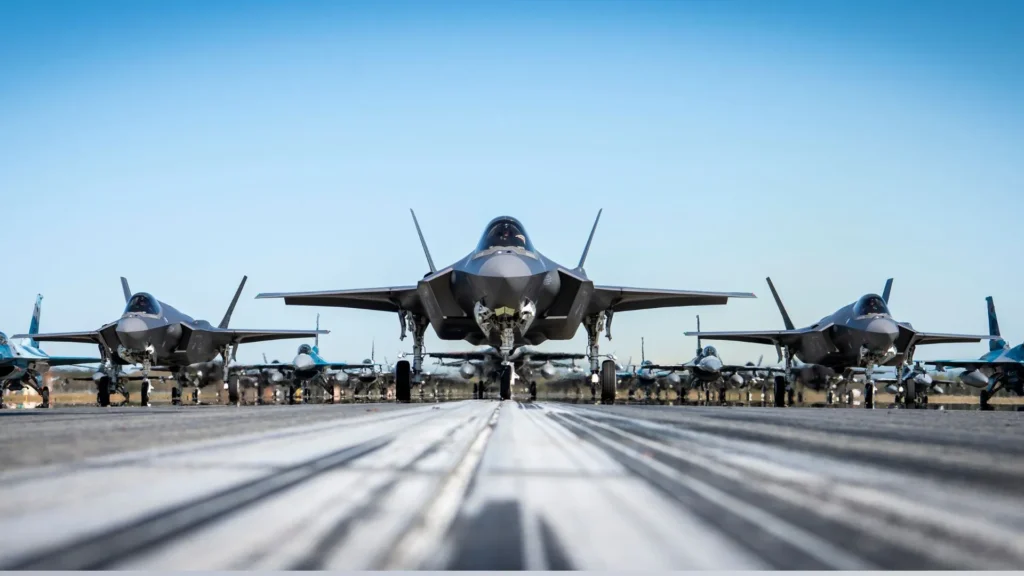
On January 9, 2023, the Canadian government confirmed that it would acquire 88 F-35A fighter aircraft.
The planned purchase was intended to strengthen the Royal Canadian Air Force and support Canada’s defence responsibilities, including its commitments to the North American Aerospace Defense Command (NORAD) and the North Atlantic Treaty Organization (NATO).
The acquisition covers more than the aircraft themselves. Canada’s published project scope includes associated equipment, weapons, infrastructure, information technology, training and sustainment support.
The program also aims to use Canadian industrial capabilities and support domestic aerospace and defence businesses.
In March 2025, Prime Minister Mark Carney directed a review of the F-35 purchase to determine whether the aircraft remained the best choice for Canada. The government continued preparations for receiving the aircraft while reconsidering whether to proceed with the full order.
By the time the first two fighters were accepted in October 2026, the decision remained unresolved. The original news report noted that the review was supposed to have concluded approximately a year earlier, making the delay an important part of the procurement story.
The government’s position leaves two separate issues in play. Canada has proceeded with initial aircraft deliveries and preparations, but it has not settled the question of how many F-35s it will ultimately purchase.
Continuing the initial program while reviewing the larger order allows the country to advance some preparations without treating the full procurement decision as final. It also means that the eventual fleet size and composition remain central questions for Canadian defence planning.
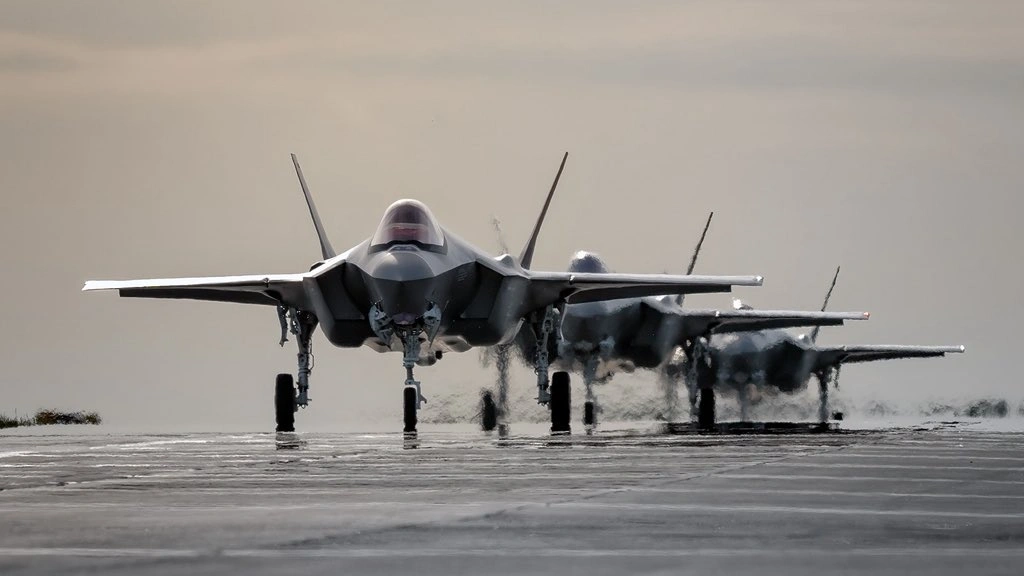
Trade Tensions and Relations With Washington
The review has taken place amid repeated trade disputes and annexation-related threats from US President Donald Trump. These tensions have added a political dimension to Canada’s reliance on American defence equipment.
The F-35 is developed by US defence manufacturer Lockheed Martin and operates within an international program involving multiple partner countries and suppliers.
The aircraft’s maintenance, software, technical updates and support arrangements are therefore relevant to questions about long-term dependence on foreign suppliers.
For Canada, the debate is not limited to comparing aircraft performance. The government must also consider the implications of relying on American technology, the durability of defence cooperation, the costs of sustaining the fleet and the country’s ability to meet its operational requirements over several decades.
The review does not itself establish that the F-35 is unsuitable for Canada. Instead, it reflects a government reassessment of a major, long-term defence investment during a period of heightened uncertainty in relations with the United States.
That distinction remains important. Political tensions may influence procurement priorities, but a final decision must also account for operational capability, training, costs, maintenance, interoperability and the time required to introduce a different aircraft.
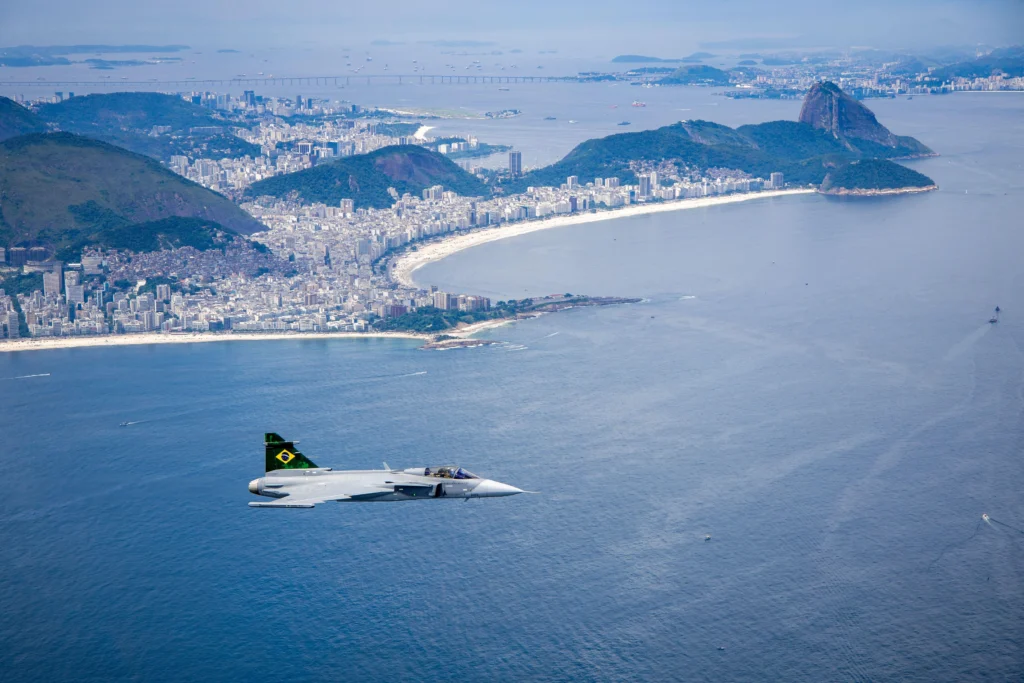
Saab Gripen Emerges as Potential Alternative
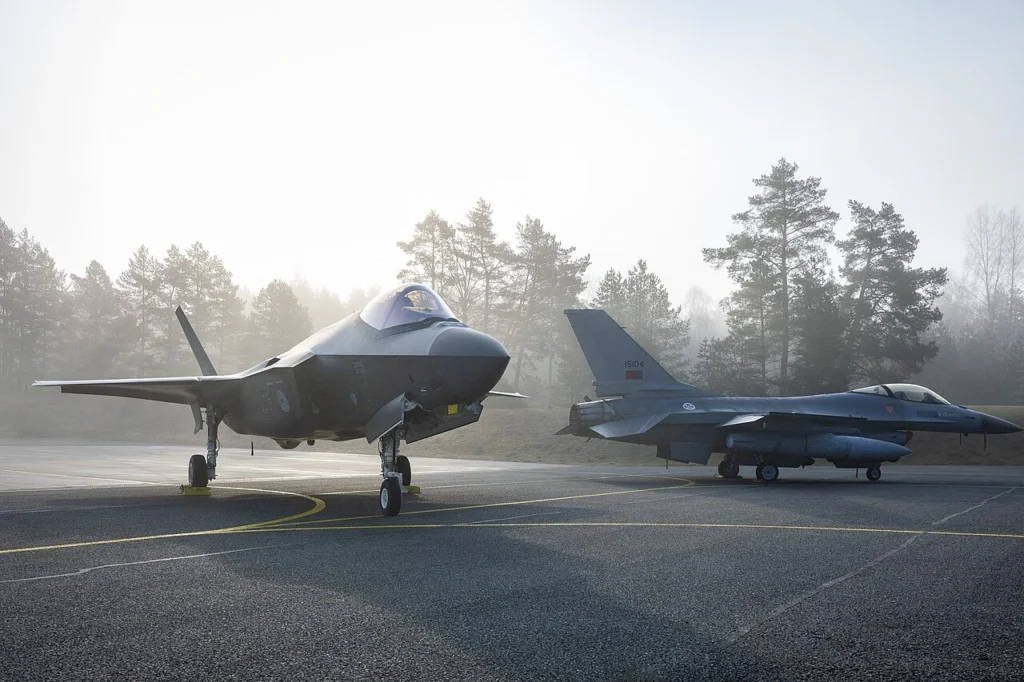
One option under consideration is a mixed fleet combining F-35 aircraft with Gripen fighters developed by Swedish defence company Saab. The possibility has become part of the broader debate over whether Canada should complete its original order or change the planned composition of its future fighter force.
A mixed fleet could provide Canada with an additional aircraft supplier. It could also give defence planners more flexibility when comparing procurement options, industrial partnerships and long-term support arrangements.
However, introducing 2 fighter types would create additional requirements. Each aircraft would need its own training arrangements, maintenance procedures, spare-parts supply, technical support and operational planning. Managing those requirements could add complexity to the air force’s logistics and personnel systems.
The government would therefore need to evaluate the total cost and practical implications of operating a mixed fleet rather than comparing the aircraft only on their individual capabilities.
The F-35 and Gripen are different aircraft developed by different manufacturers, and their suitability depends on the missions, infrastructure, personnel and support systems Canada requires. Procurement decisions must account for how a platform performs within the full defence system, not only for its specifications.
The available reporting does not establish that Canada has selected the Gripen or made a final decision to divide future purchases between the two types. The mixed-fleet option remains part of the discussion while Ottawa reviews the original 88-aircraft plan.
Cost and Complexity
Changing a major fighter procurement plan involves more than selecting another aircraft. The government must consider the investments already made, the work required to prepare facilities, the availability of trained personnel and the support arrangements associated with each platform.
Canada’s established F-35 program includes aircraft, infrastructure, weapons, information technology and sustainment. A decision to reduce the planned order or introduce another fighter would need to address how these elements fit into a revised acquisition strategy.
The timing of any change would also matter. The government has planned the first aircraft deliveries in Canada for 2028, followed by initial operational capability in 2029 to 2030. A change to the procurement plan could require adjustments to the existing schedule, although the scale of any effect would depend on the decision taken.
A mixed fleet is consequently an option with potential advantages and practical trade-offs, not an automatically simpler or less expensive alternative. The final assessment would need to establish whether its benefits justified the additional requirements.
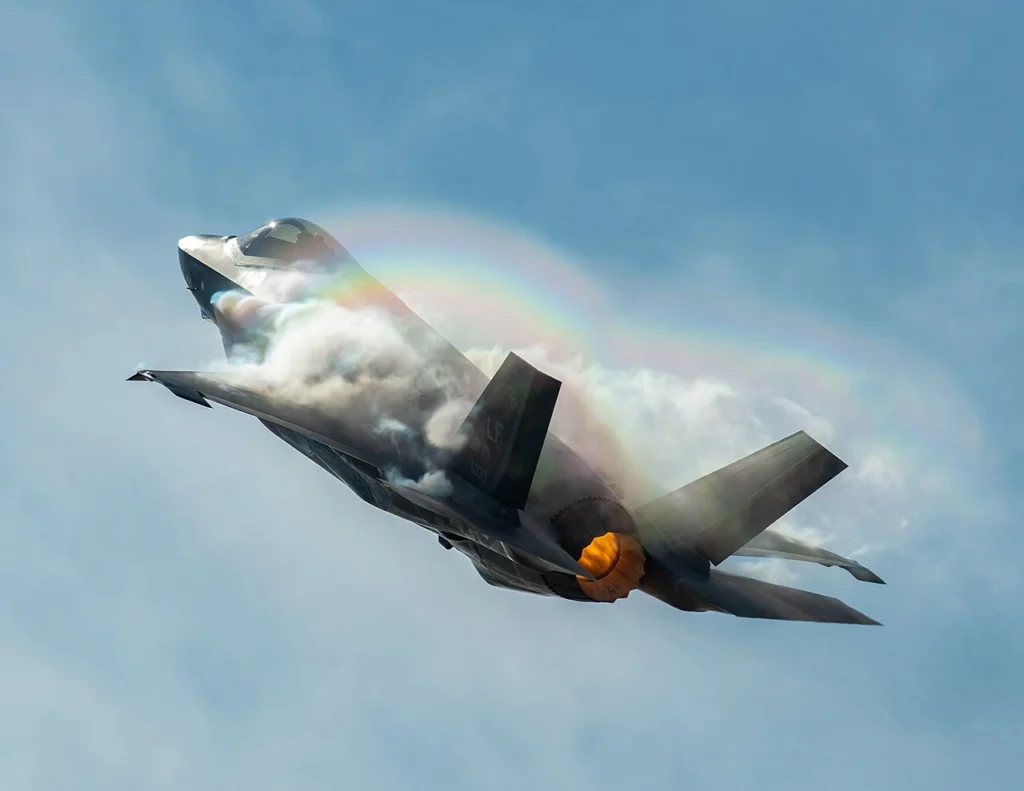
Software Control Raises Questions
Former Canadian foreign minister Lloyd Axworthy has raised concerns about the United States’ control over software used by F-35 aircraft. In a blog post published on the Saturday before the October 25 report, Axworthy warned that Washington controls software on which the aircraft depend.
His concern adds a technological dimension to the procurement debate. Modern fighter aircraft rely on software and integrated electronic systems for important functions, including mission management, sensor processing, communication and maintenance support.
For a country purchasing an advanced aircraft from a foreign manufacturer, access to software, updates, technical information and support can influence long-term operating independence. These questions become particularly important when the aircraft is expected to serve for decades.
Axworthy’s warning raises a policy question for Canada: how much control would the country have over the operation and support of its aircraft if its relationship with the United States became strained?
That question is separate from whether the F-35 meets Canada’s military requirements. An aircraft may provide important operational capabilities while still creating dependencies that policymakers must evaluate.
However, the warning should be attributed to Axworthy rather than treated as proof that the United States has disabled Canadian aircraft, restricted their use or denied Canada access to essential software. The supplied reporting does not establish that any such action has occurred.
The relevant issue is whether the terms of purchase and long-term support arrangements provide Canada with the access, assurances and operational options it requires. Those questions form part of the wider assessment of procurement risk and national defence independence.
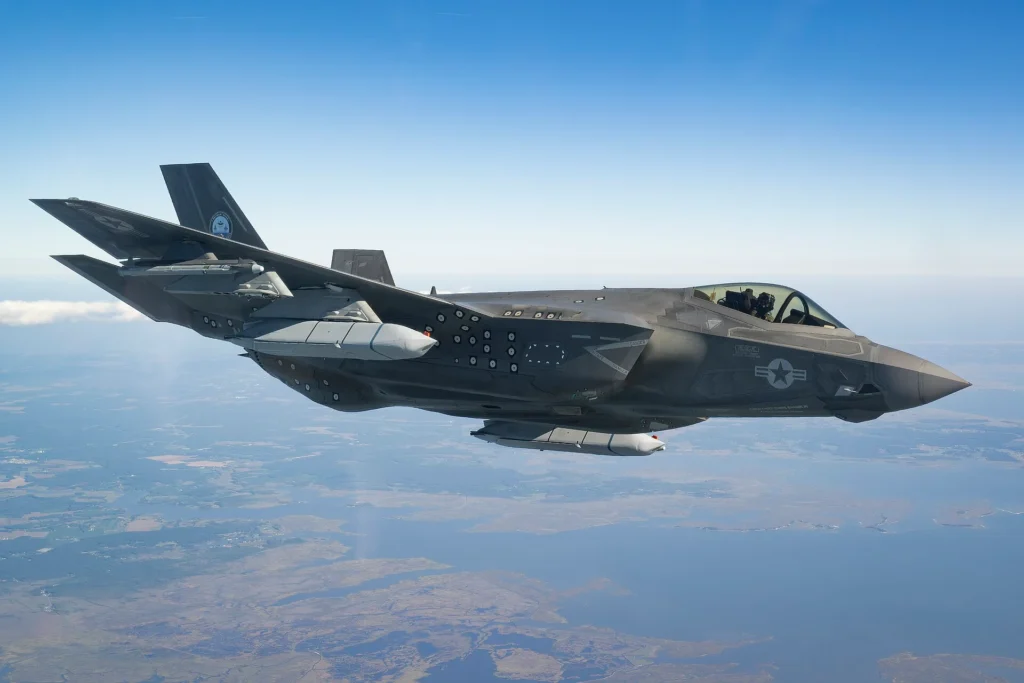
Trump’s Earlier Comments About Allied Aircraft
The debate has also been influenced by Trump’s comments the previous year about supplying allies with fighter jets that had limited capabilities in order to preserve American military supremacy.
The remarks contributed to concerns about the degree to which other countries may depend on US decisions when operating American-built military equipment. In the Canadian context, those concerns overlap with the questions Axworthy has raised about software control and operational independence.
The available report does not establish that Trump issued a specific order to limit the capabilities of Canada’s F-35 aircraft. His comments were presented as part of the broader political context surrounding the purchase.
That distinction matters because a stated concern about possible limits is not equivalent to evidence that a particular aircraft has been restricted.
Canadian defence planners must evaluate the actual contractual and technical arrangements alongside the political risks associated with depending on another country for advanced military systems.
Together, the comments and software concerns help explain why the procurement debate extends beyond the performance of the aircraft itself.
US Ambassador Praises F-35 as Debate Continues
US Ambassador to Canada Pete Hoekstra recently described the F-35 as “the best fighter in the world.” His assessment reflects strong U.S. support for the aircraft, but it remains an opinion rather than a substitute for Canada’s own procurement evaluation.
The government must assess the aircraft against national requirements, defence commitments, costs and the long-term ability to sustain operations. A positive assessment from a U.S. official does not resolve the questions surrounding the full order, the possible inclusion of Saab Gripen fighters or concerns about software dependence.
The source material also directed readers to a CNBC report featuring a trade and defence expert who argued that substantial disinformation surrounded Canada’s potential F-35 deal. The segment provides additional context for the public debate, in which competing claims about aircraft capabilities, procurement choices and foreign dependence have attracted attention.
The existence of disputed claims makes accurate attribution particularly important. Statements from officials, political leaders and defence commentators should be distinguished from confirmed government decisions and documented program milestones.
For Canada, the central question remains whether the F-35 alone, or a combination of fighter types, offers the most suitable long-term solution for the Royal Canadian Air Force.
What Happens Next for Canada’s Fighter Fleet?
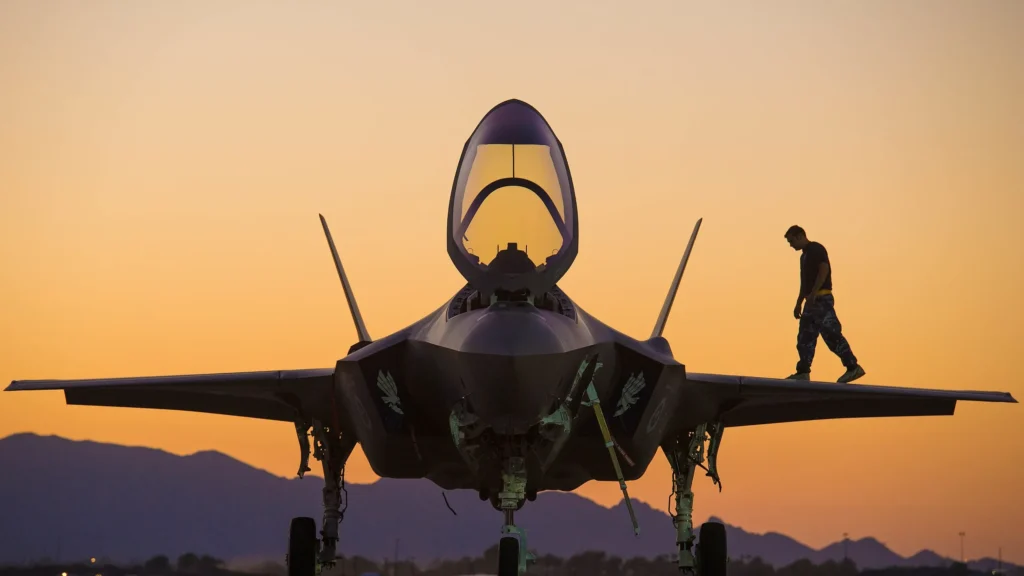
The immediate priority is to continue the implementation work associated with the accepted aircraft, including preparations for training and the wider introduction of the F-35 capability. Canada’s established schedule places the initial training aircraft in the United States and expects the first aircraft to arrive in Canada in 2028.
At the same time, Ottawa must resolve whether to continue with the planned 88-aircraft purchase or revise the future fleet. That decision will affect procurement expenditure, training requirements, technical support, industrial participation and the structure of Canada’s long-term fighter capability.
The government must also weigh concerns about dependence on U.S. technology against the operational benefits of acquiring the F-35. Any consideration of Saab’s Gripen would require a comparable assessment of capability, cost, support and the complexity of introducing a second aircraft type.
The first two deliveries establish that Canada’s F-35 program has entered a new stage. They do not settle the wider procurement debate, and the uncertainty surrounding the full order remains unresolved.
Canada’s eventual decision will shape the Royal Canadian Air Force for decades. The outcome will depend on the government’s assessment of defence requirements, international commitments, affordability, operational independence and the practical demands of supporting a modern fighter fleet.
Until Ottawa announces its decision on the full order, the first two F-35 aircraft mark a significant but limited milestone in a broader and still-evolving defence procurement program.
Stay tuned with us. Further, follow us on social media for the latest updates.
Join us on Telegram Group for the Latest Aviation Updates. Subsequently, follow us on Google News
