

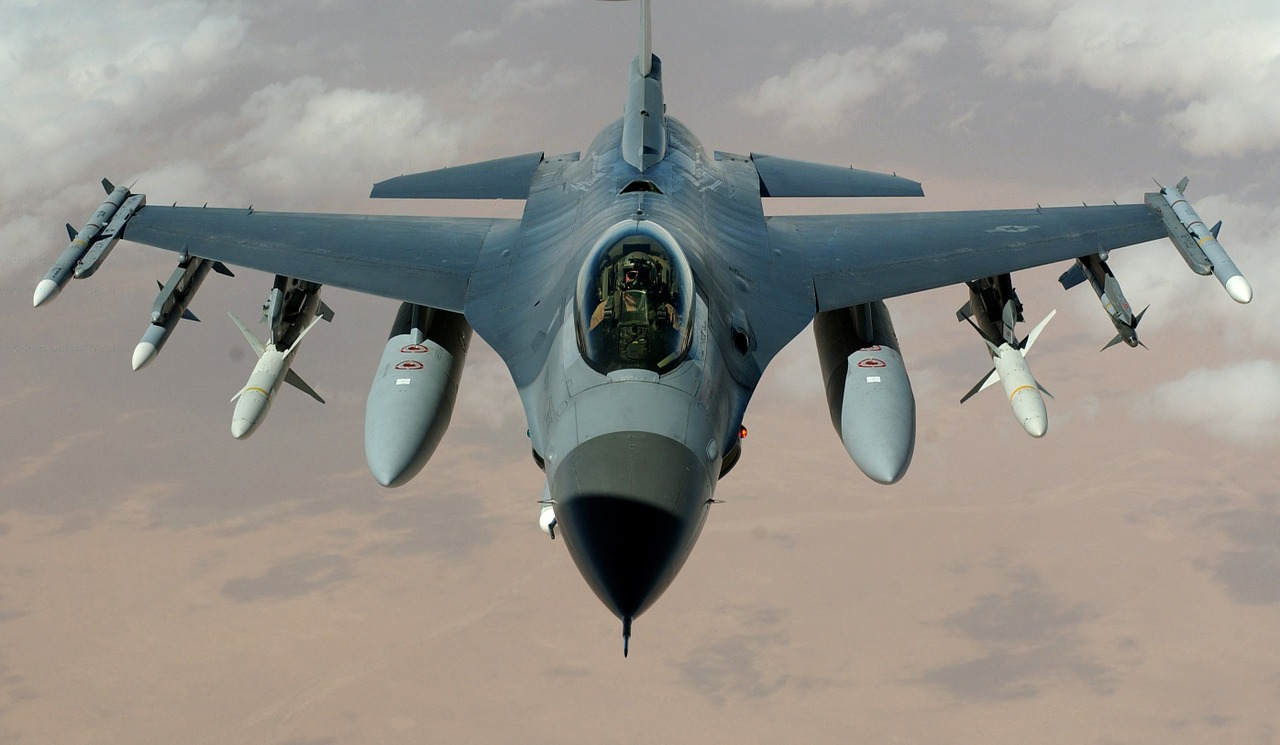
DAYTON, OHIO— The U.S. Air Force is preparing to replace the mission computer aboard its older F-16 Fighting Falcon fighter jets, as it seeks to keep the aircraft operational into the 2040s.
The service’s F-16 program office will meet defence industry representatives on October 20 and 21 at the Hope Hotel and Conference Center near Wright-Patterson Air Force Base to discuss the Next-Generation Mission Compute programme.
The planned upgrade targets the F-16 Block 40, 42, 50 and 52 variants, which form a major part of the Air Force’s existing fighter fleet.
The new computer is intended to support future radar, weapons, targeting and cockpit-display capabilities without requiring major changes to the aircraft’s structure.
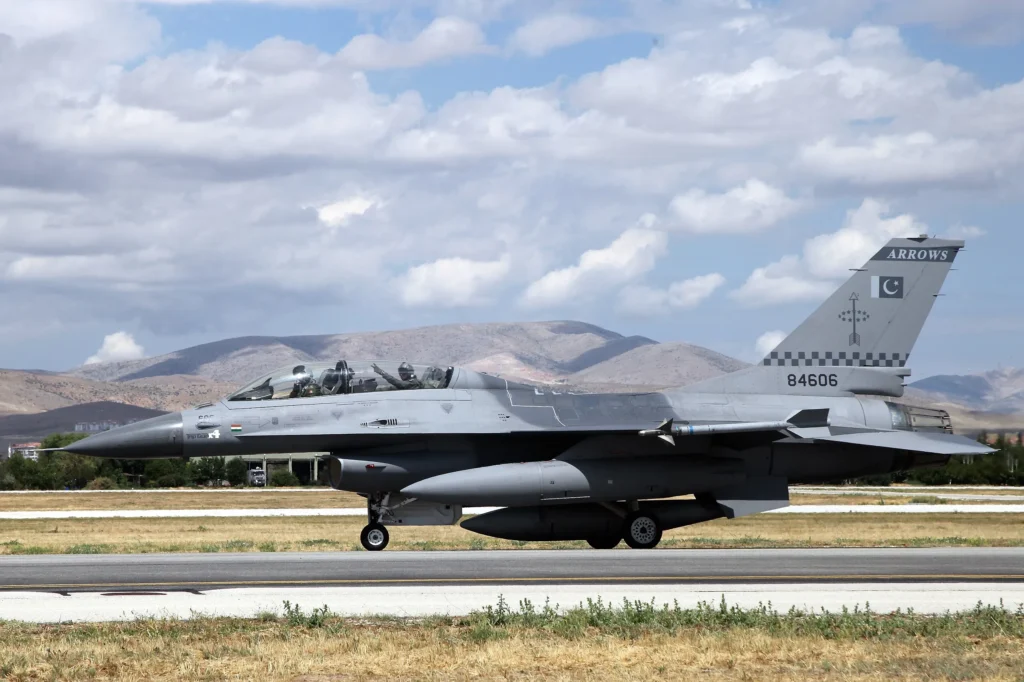
USAF F-16 Gets a Computer Upgrade
The Next-Generation Mission Compute programme will replace the existing Modular Mission Computer, which manages key combat systems and processes information needed by pilots during missions.
A more capable computing system could give the Air Force greater flexibility to introduce new software and capabilities as operational requirements change.
The current computer configuration traces its origins to the Common Configuration Implementation Program, which standardised the avionics of approximately 650 Block 40, 42, 50 and 52 aircraft between 2000 and 2010.
Replacing that system would provide a new computing foundation for fighters that the service intends to operate for decades longer.
The programme also has implications for international operators of the same F-16 variants.
Developing a computer suitable for foreign customers could support broader adoption of the upgrade, although the final configuration and procurement arrangements have not yet been specified.
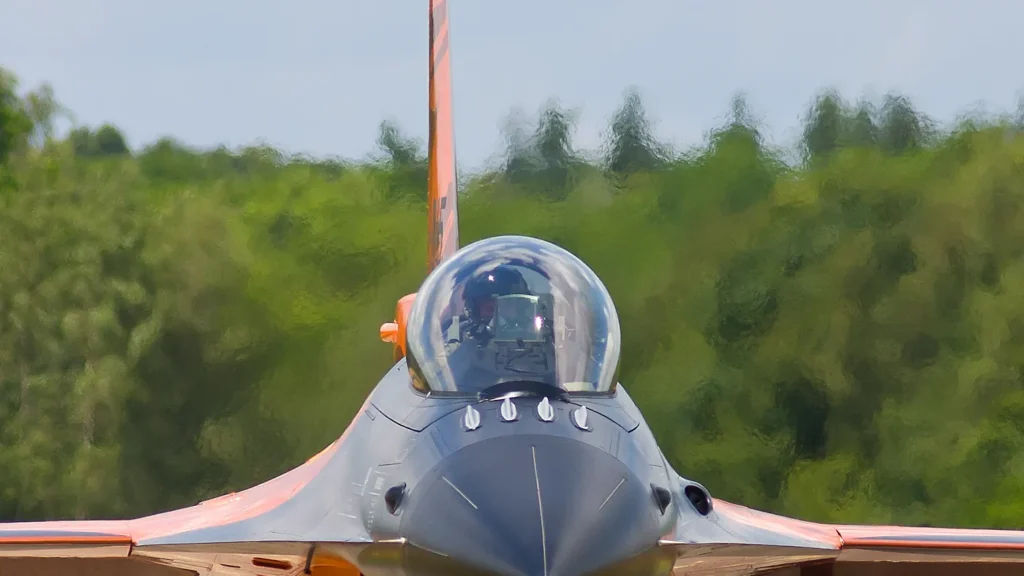
Industry Day Requirements
The Air Force Life Cycle Management Center’s F-16 program office has scheduled the industry event to explain its acquisition strategy, anticipated schedule and technical requirements.
The first day will include briefings on hardware, software and outstanding questions, followed by individual meetings between companies and programme officials.
According to an October 8 update, all 24 available 25-minute one-on-one meeting slots had been reserved by September 24. Attendance is capped at 80 people, with a maximum of two representatives per company, and registration closes on October 14.
Although the event itself is unclassified, access to Controlled Unclassified Information and sessions discussing such material is restricted.
Companies must hold active Joint Certification Program registration under the DD Form 2345 process, which enables eligible US contractors to receive export-controlled technical data.
These requirements establish limits on which companies can participate in sensitive discussions while allowing the Air Force to share information needed for the proposed acquisition.
The industry day is expected to help officials engage potential suppliers before the programme advances further.
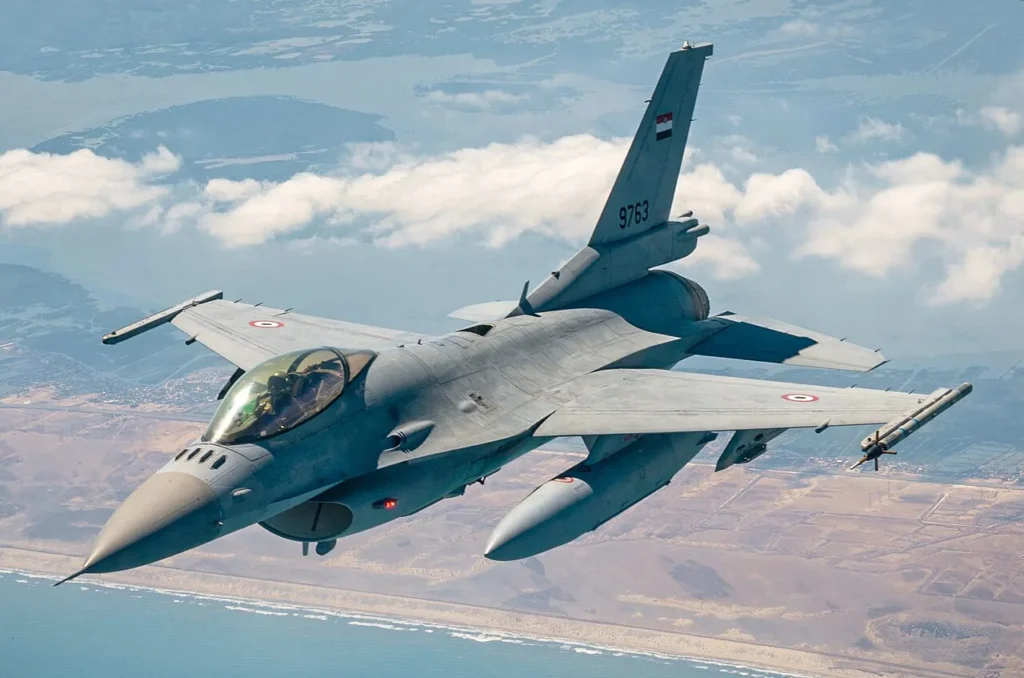
F-16 Modernization Plans of US Air Force
The computing project forms part of a broader effort to extend the service life of the F-16 fleet.
In 2022, the Air Force launched the Post-Block Integration Team programme, a separate modernization effort covering 608 aircraft with an estimated value approaching $6.3 billion.
The two programmes address different aspects of keeping older fighters relevant as technology and mission requirements evolve.
The Next-Generation Mission Compute initiative specifically focuses on the computing architecture that connects and manages the aircraft’s combat systems.
One of the new computer’s stated objectives is to separate safety-critical, real-time functions from mission software.
The programme office has also called for software to follow the Agile Mission Suite government reference architecture, an open framework intended to make it easier to integrate new applications.
By updating the computer rather than undertaking major airframe changes, the Air Force aims to create a more adaptable platform for future upgrades.
The industry discussions will help shape the acquisition approach, but the available information does not yet establish a final contract award, supplier selection or delivery schedule.
Stay tuned with us. Further, follow us on social media for the latest updates.
Join us on Telegram Group for the Latest Aviation Updates. Subsequently, follow us on Google News
