

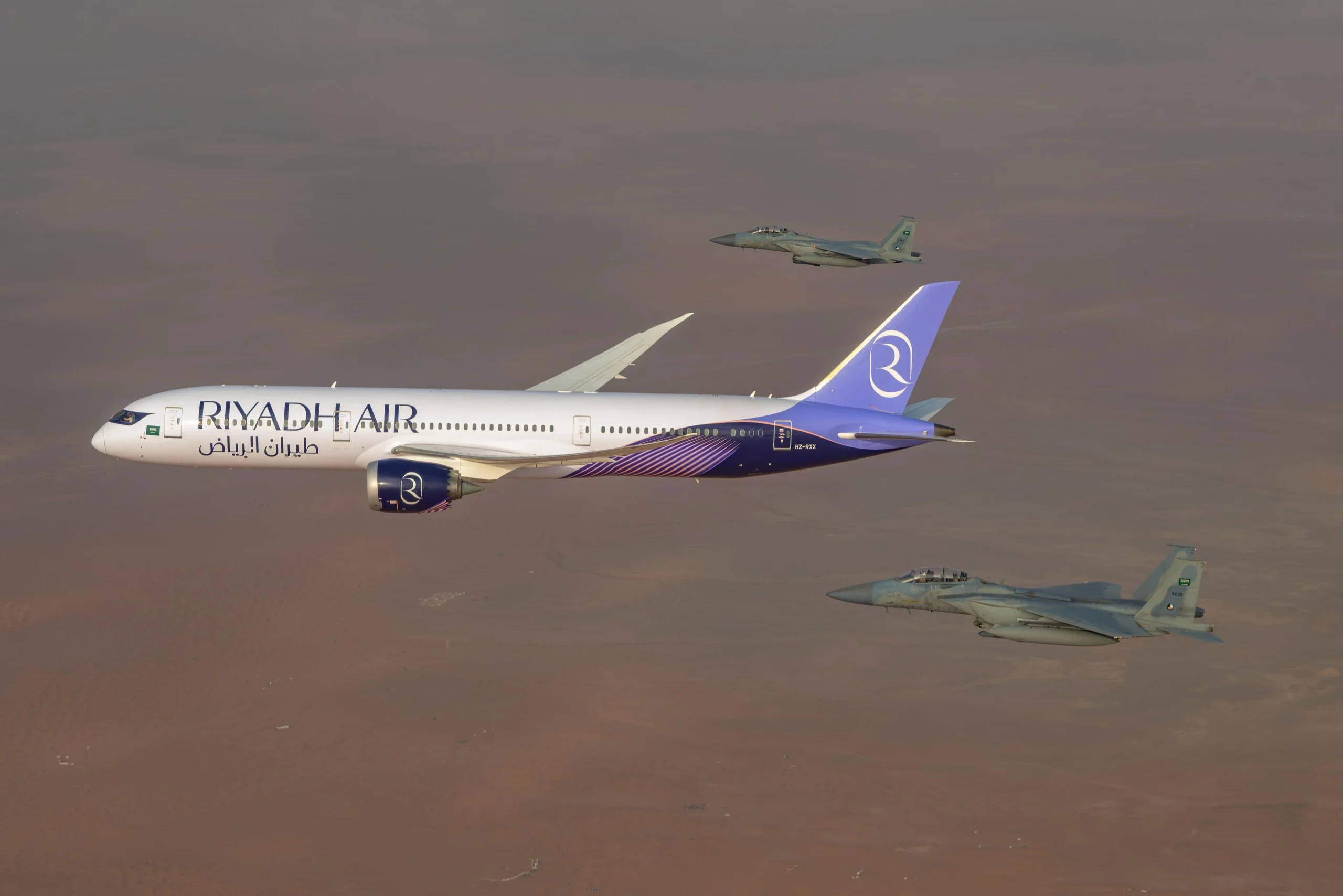
RIYADH- Riyadh Air (RX) has repositioned several Boeing 787-9 Dreamliners away from King Khalid International Airport, Riyadh (RUH), following repeated missile attacks claimed by Yemen’s Houthi movement.
The reported aircraft movements include flights to Al Ula (ULH) and Medina (MED), as well as a relocation from Jeddah (JED) to Lahore (LHE). The airport closure has been extended through October 17, 2026, disrupting the airline’s operations.
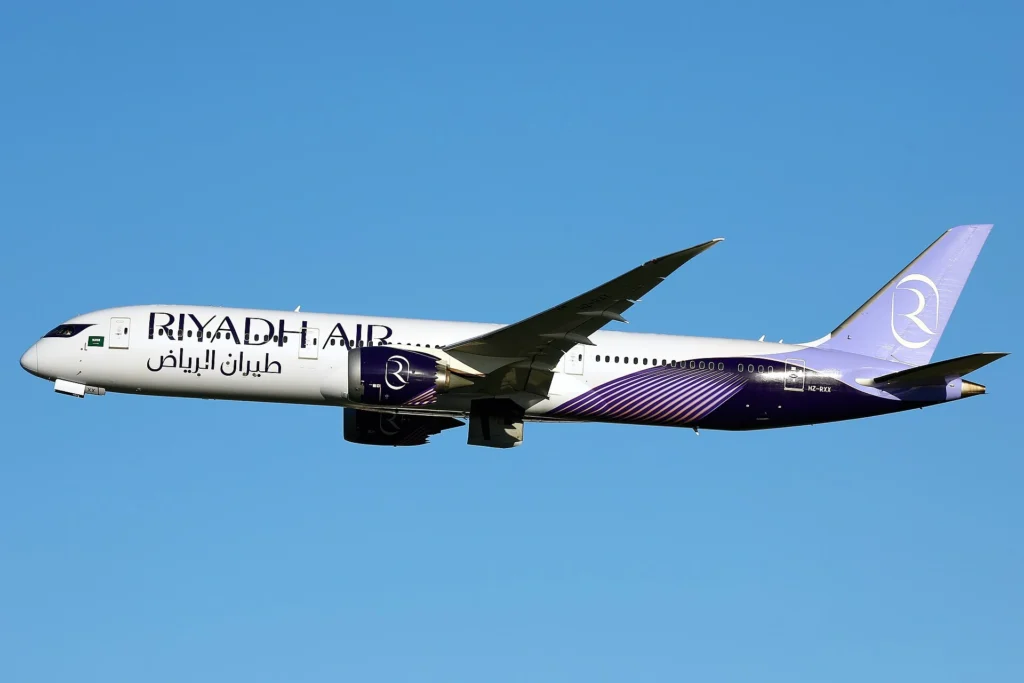
Why Riyadh Air Is Moving Its Dreamliners
The relocation follows a series of attacks on Riyadh’s main airport that damaged facilities, caused casualties, and disrupted commercial aviation. Riyadh Air is moving aircraft away from the affected hub while airport operations remain suspended.
The airline is backed by Saudi Arabia’s Public Investment Fund (PIF) and is building an international network around a new fleet of Boeing 787-9 Dreamliners. The disruption comes at an important stage in its expansion, as it works to establish Riyadh as a major international aviation hub.
On October 8, 2026, attacks targeting King Khalid International Airport and a parked Saudia (SV) aircraft killed three Saudi citizens, including Captain Hamoud Ali Alkalthami, a pilot with the national carrier. Saudia confirmed that its aircraft was damaged while parked on the ground and had no passengers aboard at the time.
The attacks escalated on October 10, when a strike killed 12 people and injured 309 others, according to Saudi authorities. The victims included Azza Ramzy, a 28-year-old Egyptian flight attendant employed by flynas (XY). She died from injuries sustained during the attack.
Another projectile struck an airport passenger terminal on October 11, killing one person and injuring 11. The repeated attacks caused further damage to airport facilities and raised concerns about the safety of passengers, airport employees and aircraft. Reuters subsequently reported that the series of strikes had killed at least 18 people and injured more than 300.
Saudi aviation authorities suspended airport operations while the security situation and damage were assessed. A subsequent aviation notice extended the closure through October 17. The Houthis also warned airlines against using Saudi airports, increasing uncertainty for carriers operating in the region.
Four Dreamliners Reportedly Relocated on October 13
According to the aircraft movements reported on Tuesday, October 13, Riyadh Air moved four Boeing 787-9 Dreamliners away from Riyadh and other affected operating locations.
| Aircraft registration | Reported movement |
|---|---|
| HZ-RXAA | Riyadh to Al Ula (ULH) |
| HZ-RXAG | Riyadh to Al Ula (ULH) |
| HZ-RXAC | Riyadh to Medina (MED) |
| HZ-RXAE | Jeddah (JED) to Lahore (LHE) |
Flight-tracking records independently confirm that HZ-RXAA flew from Riyadh to Al Ula and HZ-RXAC flew from Riyadh to Medina on October 13.
The reported account also stated that the repositioning flights operated under fighter-jet escort, although flight-tracking records alone cannot verify the escort.
Moving aircraft away from an airport facing security threats can reduce their exposure to potential damage and give an airline more flexibility during a shutdown. However, repositioning requires coordination of flight crews, maintenance arrangements and future schedules.
Four Other Aircraft Remain Reported at Jeddah
The report also identified four Riyadh Air aircraft that had remained at Jeddah after earlier movements or diversions.
| Aircraft registration | Reported status |
|---|---|
| HZ-RXAB | At Jeddah since October 10 |
| HZ-RXAD | Diverted to Jeddah on October 10 |
| HZ-RXAF | Diverted to Jeddah on October 10 |
| HZ-RXX | At Jeddah since October 8 |
These details provide a snapshot of the fleet during the disruption, rather than a live record of its present location. Aircraft positions can change as flight restrictions, airport access and operating plans evolve.
Together, the eight aircraft identified in the report show how the closure has affected Riyadh Air’s initial Dreamliner operations. The airline must coordinate its aircraft and crews around the reopening of its main hub.
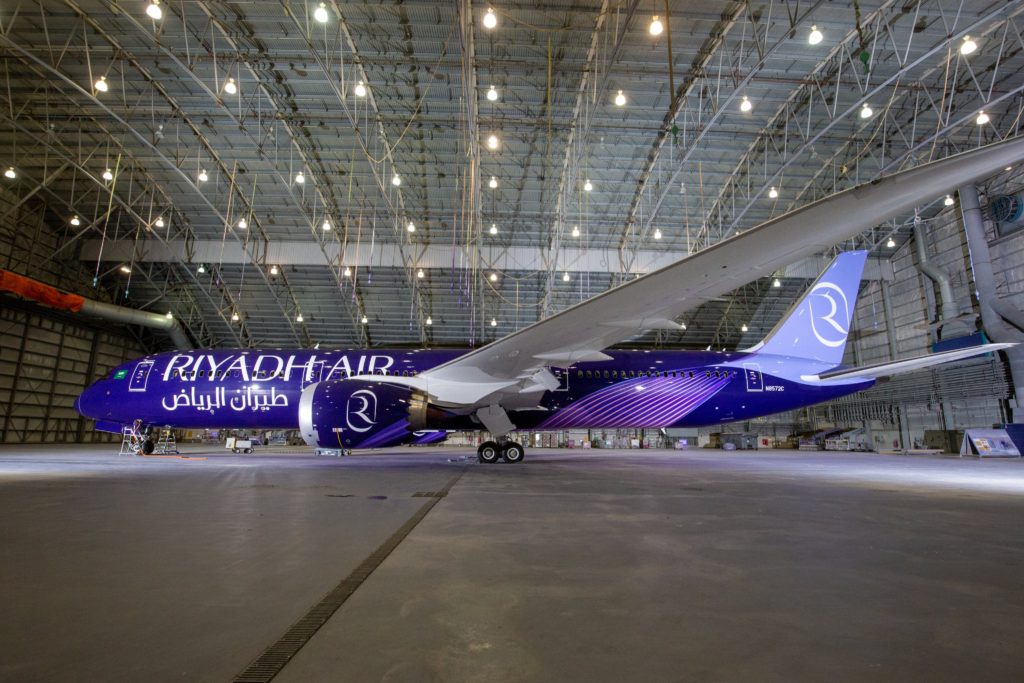
Riyadh Air’s Expansion Plans
Riyadh Air was announced in 2023 with the backing of Saudi Arabia’s Public Investment Fund. The airline initially targeted commercial operations in late 2024, but aircraft-delivery delays pushed its launch timeline back.
In June 2026, the carrier introduced public ticket sales for new routes after receiving its first Boeing 787-9 Dreamliners. Its initial destinations included Cairo, Dubai, Jeddah, Madrid and Manchester, alongside its London service.
By the time of the October aircraft relocations, the report counted eight delivered Dreamliners. Boeing had confirmed six deliveries by July 20, when it also announced that Riyadh Air would exercise options for 28 additional 787 aircraft, including a conversion of 20 options to the larger 787-10 variant. The airline’s planned Dreamliner fleet consists of 72 aircraft.
Riyadh Air aims to serve more than 100 destinations by 2030. The route network described in the report included Manchester, London Heathrow, Madrid, Cairo, Islamabad, Lahore, Mumbai, Dhaka, Kuala Lumpur, Milan, Jakarta, Dubai, Bangkok, Manila and Jeddah.
The airport closure interrupts services that depend on Riyadh as their operating base. It can also affect aircraft utilization, passenger bookings, crew schedules and the timing of planned route launches. The longer the disruption continues, the more complex it becomes to restore normal operations across the network.
Nikkei Asia has also covered Saudi Arabia’s broader aviation ambitions, which provide context for Riyadh Air’s role in the kingdom’s effort to strengthen international air connectivity.
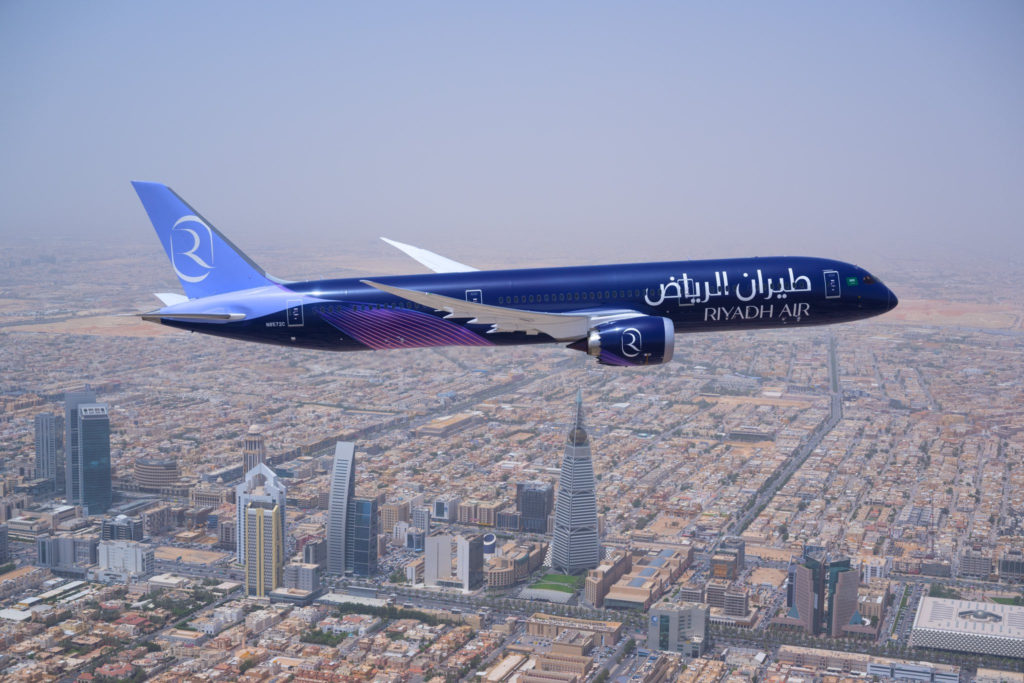
Recruitment and International Cabin Crew
Riyadh Air’s expansion depends on recruiting and retaining employees who can support a growing international network. Its recruitment strategy includes attracting cabin crew from Western and European markets, with the aim of building an internationally diverse workforce comparable in profile to those of established Gulf carriers such as Emirates and Etihad Airways.
The recent attacks could complicate that effort. International recruits may consider personal safety, travel access, family circumstances and working conditions when deciding whether to accept or remain in overseas positions.
However, there is not yet sufficient evidence to determine whether the attacks will materially affect Riyadh Air’s recruitment or staff-retention rates. Those consequences remain possible risks, not established outcomes.
For now, the airline must focus on communicating operational changes clearly to employees and passengers, managing disrupted schedules and preparing its workforce for the resumption of flights.
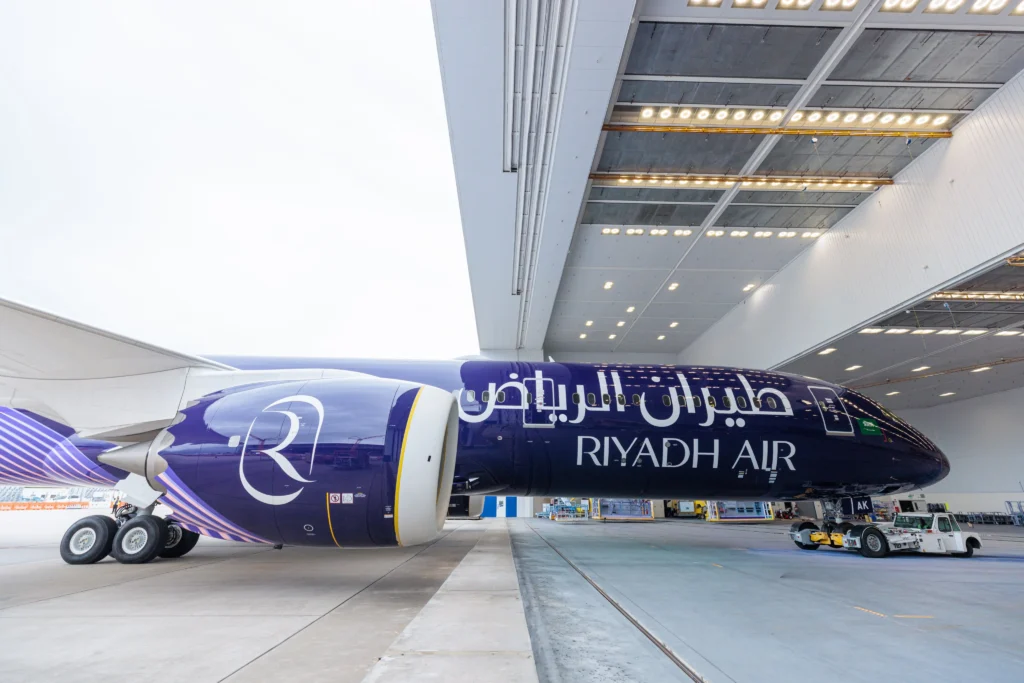
Riyadh Air Airport Closure
Riyadh Air’s immediate challenge is to protect its aircraft and coordinate operations while its main hub remains closed.
The reported relocations demonstrate the practical impact of the security situation on a new airline that is still building its network.
The longer-term effect will depend on how quickly airport operations resume and whether the regional security situation stabilizes.
Riyadh Air’s expansion targets remain ambitious, but achieving them will require reliable airport access, effective operational planning and sustained passenger confidence.
Stay tuned with us. Further, follow us on social media for the latest updates.
Join us on Telegram Group for the Latest Aviation Updates. Subsequently, follow us on Google News
