

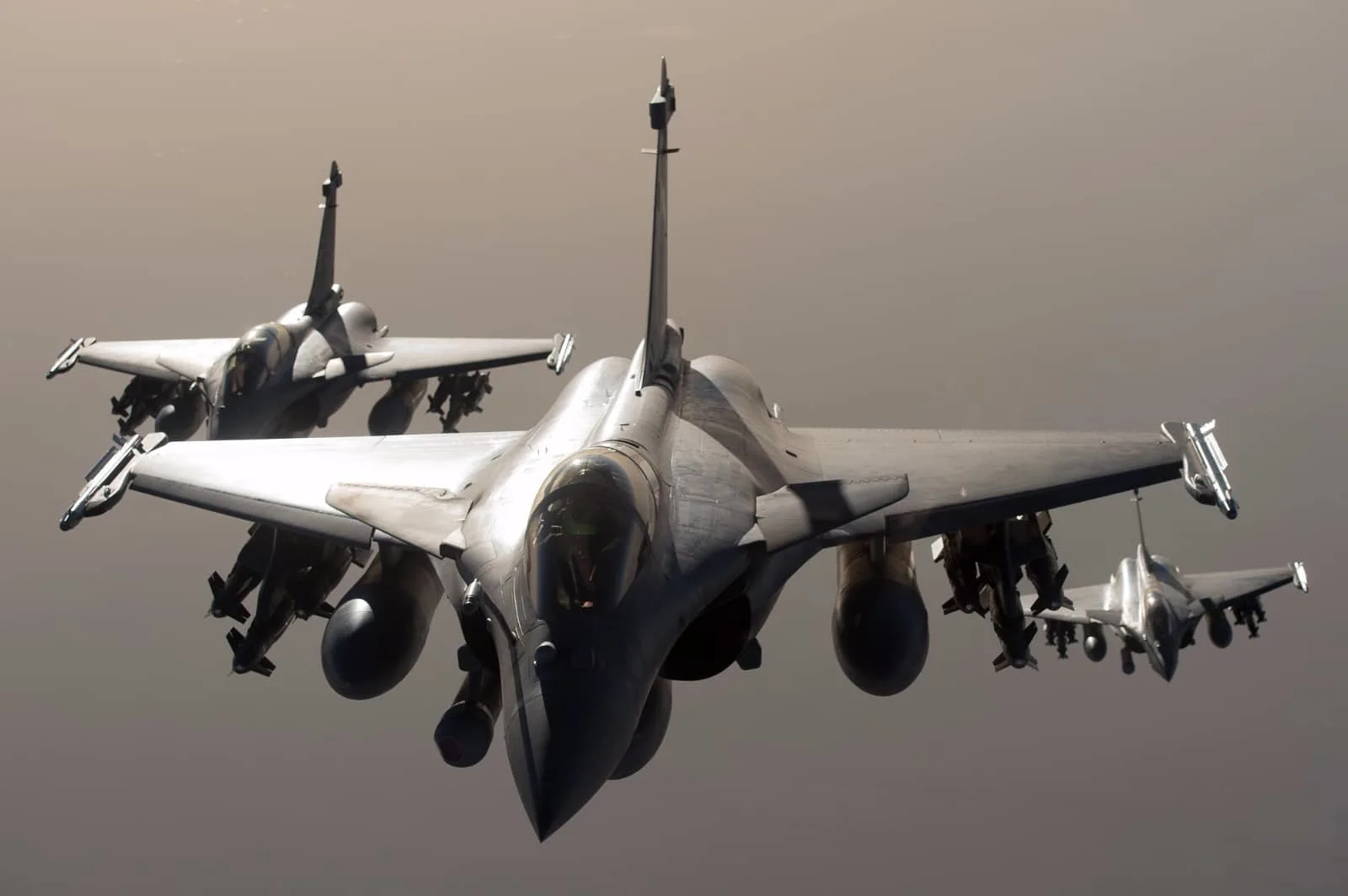
PARIS— France is moving towards an independent sixth-generation fighter programme while preparing a major upgrade to its Rafale combat aircraft, following the breakdown of the joint Future Combat Air System (FCAS) project with Germany and Spain. The strategy aims to strengthen France’s ability to develop advanced combat aircraft and integrate artificial intelligence (AI) into military operations.
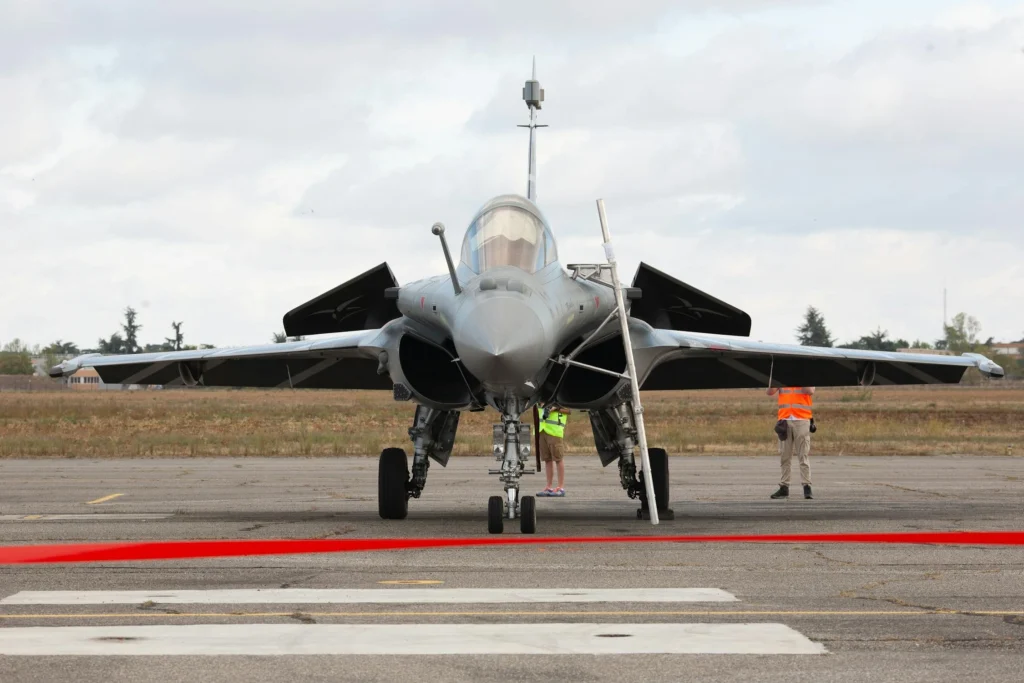
French Air and Space Force Chief of Staff General Jérôme Bellanger outlined the country’s plans to accelerate future fighter development and expand existing combat capabilities. France intends to pursue the Avion de Combat du Futur (ACF) programme independently while preparing the Rafale F5, widely referred to as the “Super Rafale,” with upgraded engines, advanced sensors, AI technologies and next-generation weapons.
France Develops Sixth-Generation Fighter
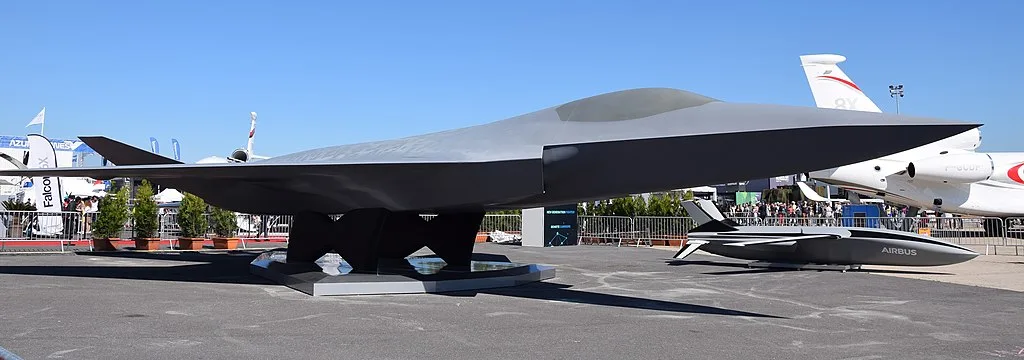
France’s decision to pursue the ACF follows the breakdown of the Franco-German FCAS partnership, which was intended to develop Europe’s next-generation air combat capabilities. The multinational initiative included Spain and sought to combine a new fighter aircraft with unmanned systems, advanced sensors and a connected combat network.
The programme encountered repeated disagreements over industrial responsibilities, technological control and the distribution of development work.
Dassault Aviation, France’s principal fighter manufacturer, and Airbus, which represents major German and Spanish industrial interests, differed over the leadership and management of the New Generation Fighter (NGF) component.
These disagreements created uncertainty over whether the partners could agree on a common aircraft design and development structure. France’s decision to advance its own fighter programme reflects its preference for maintaining greater national control over critical combat aviation technologies.
The ACF designation identifies France’s future combat aircraft effort, replacing the previously planned NGF concept within the original collaborative framework.
The aircraft is intended to represent a technological step beyond the Rafale, although detailed specifications, performance targets and the final configuration have not been established publicly in the supplied reporting.
According to the reported development schedule, work is expected to progress towards a flying prototype in 2027, followed by the start of development of an operational version in 2029.
These milestones indicate France’s intended timetable rather than confirmed delivery dates, and the programme will require sustained technical work and government funding.
France’s independent approach also raises questions about the cost and complexity of developing an advanced fighter without sharing the entire programme with European partners.
However, national control could give French authorities and industry greater freedom to establish design priorities around the country’s specific operational requirements.
Super Rafale Adds AI
Before the future fighter enters service, France plans to improve the capabilities of its existing Rafale fleet through the Rafale F5 standard.
The government is expected to formally launch development of the upgrade in December 2026, according to the reported roadmap.
The Super Rafale is expected to introduce a new engine, improved sensors, AI-enabled capabilities and advanced weapons. These upgrades are intended to improve the aircraft’s combat effectiveness while allowing it to operate in increasingly complex air defence environments.
One of the programme’s important elements is a high-speed missile designed for France’s airborne nuclear deterrent.
The weapon is intended to support the country’s strategic strike capabilities, although the supplied reporting does not establish its final specifications, range or operational introduction date.
The Rafale F5 will also help France develop technologies that could support the future ACF fighter. Improvements in sensors, computing, weapons integration and coordination with unmanned aircraft could provide experience that informs the design of a more advanced combat system.
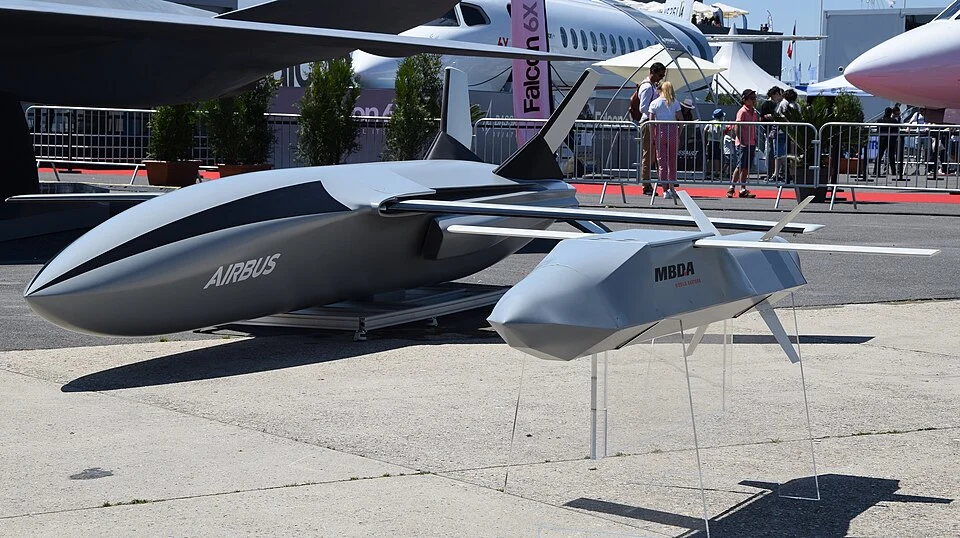
France is already testing AI technologies intended to support cooperation between crewed fighters and unmanned aircraft. Under the HypAIRion programme, two Mirage 2000 fighters have been converted into flying laboratories to evaluate AI systems in a realistic flight environment.
Les Echos reported that Dassault Aviation had tested two AI algorithms aboard a Rafale and simulated a firing engagement involving a drone developed by Harmattan AI. The work is intended to help aircraft process information, identify threats and coordinate engagements more effectively.
France is targeting a first coordinated flight involving a Rafale and an accompanying drone in 2028. If development proceeds as planned, this testing could help establish how crewed aircraft and unmanned platforms share information and operate together during combat missions.
Such cooperation is increasingly important as air forces adapt to the use of attack drones, missiles and integrated air defence systems.
Rather than relying exclusively on the capabilities of an individual fighter, France is seeking to develop a broader combat network in which aircraft and unmanned systems can perform complementary tasks.
France Expands Fighter Fleet
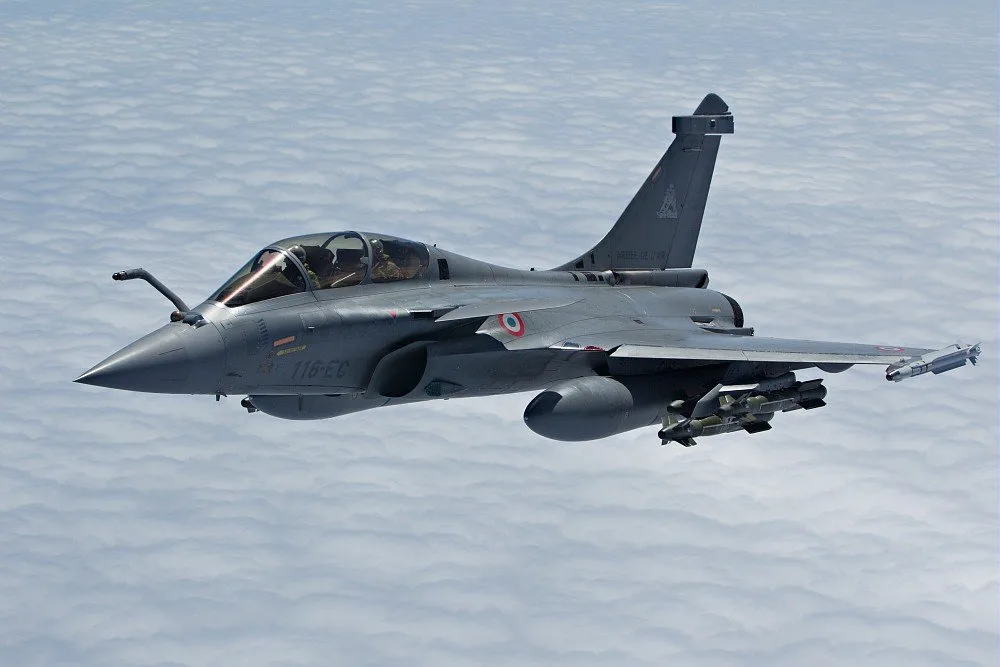
Alongside its technological programmes, France plans to expand its fighter inventory from approximately 170 aircraft to at least 230 by 2035.
The proposed increase of 60 aircraft represents growth of more than 35% and would provide a larger fleet to support training, readiness and operational deployments.
Bellanger said the current fleet was already operating at utilisation rates more than 15% above normal levels. Sustained high utilisation can place additional demands on aircraft maintenance, personnel and availability, making fleet expansion an important part of France’s wider military planning.
The French Air and Space Force is also establishing two new squadrons at Cazaux Air Base. One will focus on reconnaissance and strike drones, while the other will concentrate on high-altitude threats, including ballistic missiles and surveillance balloons.
These developments indicate that France’s modernisation plans extend beyond the introduction of a new fighter aircraft.
The service is also preparing to operate additional unmanned platforms and respond to threats that require improved surveillance, interception and coordination between different military systems.
Funding will play a central role in determining whether France can deliver its planned capabilities on schedule. According to the reported proposals, the country’s 2027 defence budget includes up to €3 billion in procurement authorisations for the Rafale F5 programme and another €2.7 billion for the ACF fighter.
The proposed allocations total €5.7 billion across the two programmes, but they remain subject to parliamentary budget approval.
Procurement authorisations also should not be confused with completed expenditure or a guarantee that the entire amount will be spent within a single year.
The modernisation effort comes as European air forces reassess their requirements following Russia’s war against Ukraine, which has highlighted the importance of attack drones, missile defence, intelligence gathering and the ability to operate under sustained pressure.
Bottom Line
For France, the immediate priority is to maintain the combat effectiveness of the Rafale while developing the technologies required for its future fighter, United 24 Media reported.
The Rafale F5 is intended to strengthen near-term capabilities, while the ACF programme represents a longer-term effort to preserve national control over advanced military aviation.
The collapse of FCAS has complicated Europe’s plans for a jointly developed next-generation fighter, but France is seeking to maintain momentum through parallel investment in aircraft, weapons, AI and unmanned systems.
Whether the country can meet its proposed development milestones will depend on technical progress, industrial coordination and continued political support.
Stay tuned with us. Further, follow us on social media for the latest updates.
Join us on Telegram Group for the Latest Aviation Updates. Subsequently, follow us on Google News
