

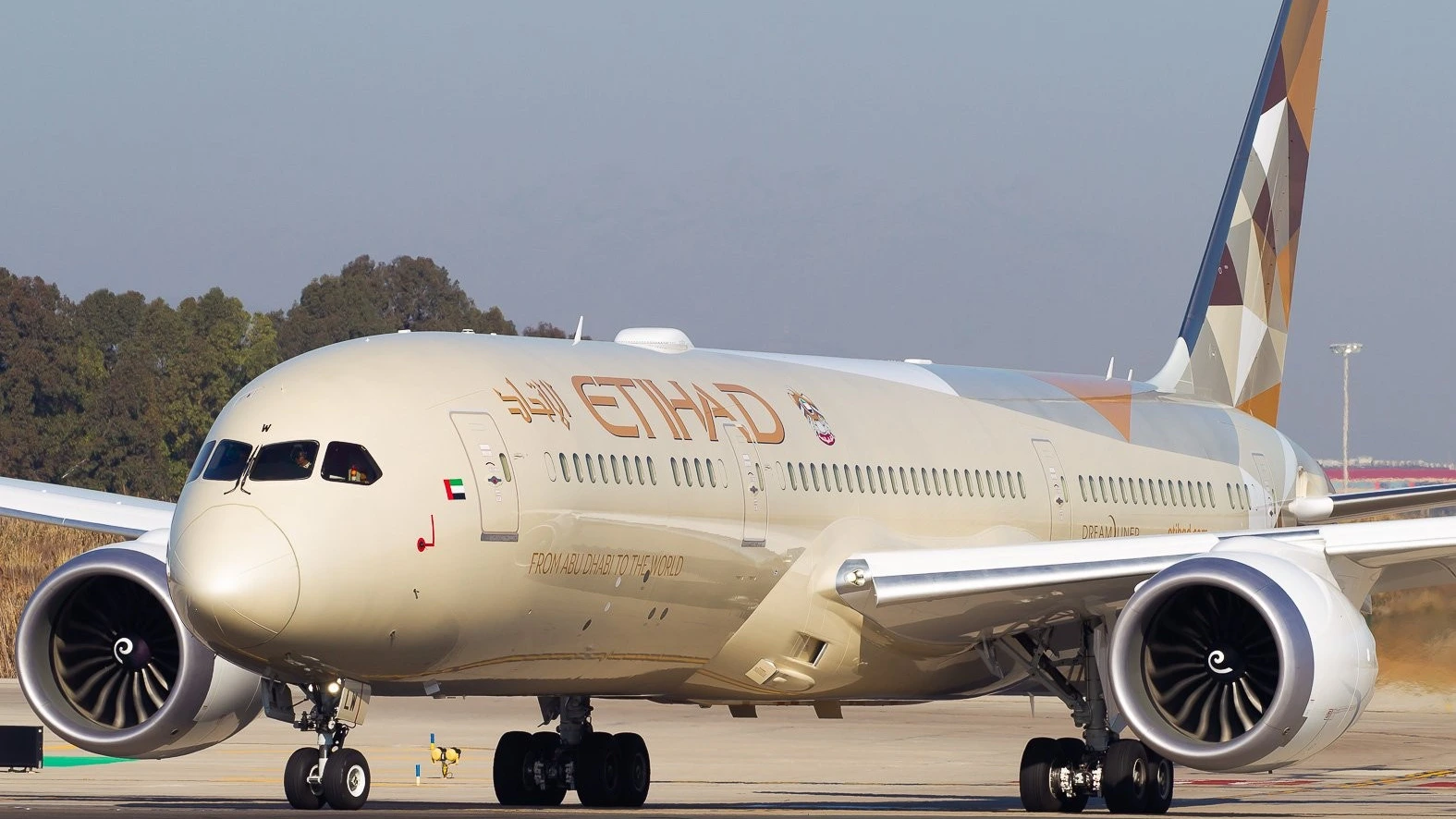
ABU DHABI- Etihad Airways (EY) has undergone significant commercial and financial changes in recent years. Arik De, the airline’s Chief Revenue & Commercial Officer, has left with immediate effect.
His departure comes amid questions about the circumstances of the exit, his leadership tenure, and the next steps for Etihad’s commercial management.
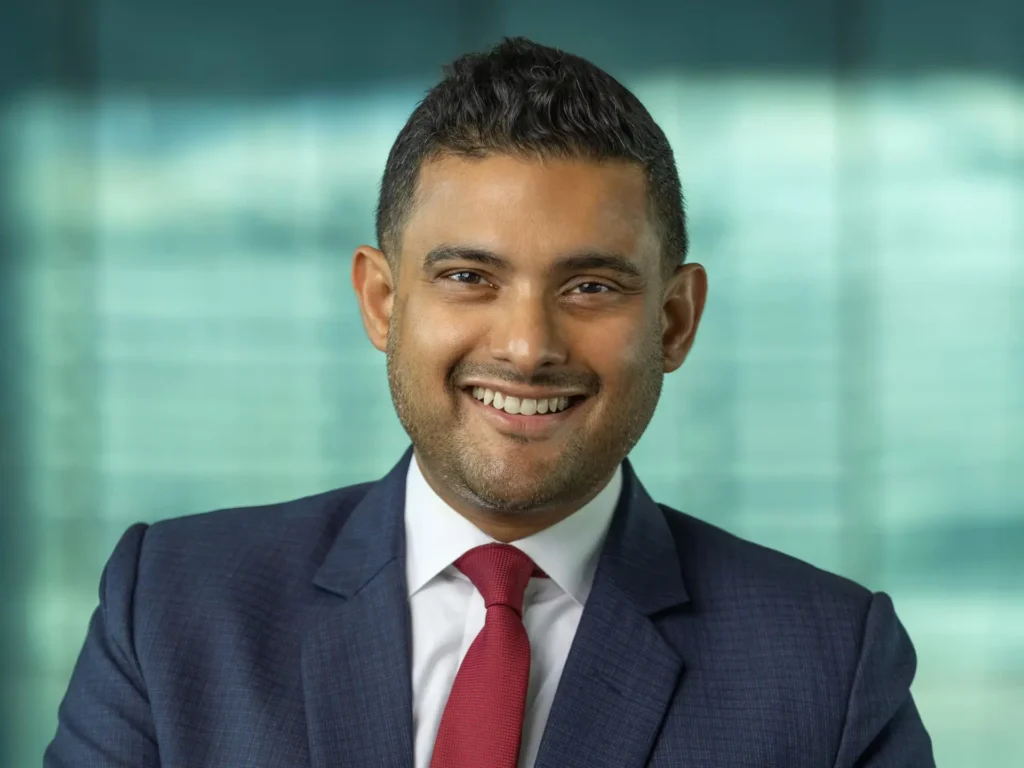
Why Arik De’s Departure Has Drawn Attention
De’s departure became public after his profile was removed from Etihad’s leadership page. According to OMAAT’s report, the profile was still visible when the news first emerged but disappeared shortly afterward.
De subsequently confirmed his departure in a LinkedIn announcement. He described his time at Etihad as a successful chapter in his career and highlighted the transformation the airline had experienced during his tenure.
His announcement did not explain why he was leaving or whether the decision was voluntary. At the time of the report, Etihad had not announced a replacement for the position.
The timing attracted attention because the departure appeared unexpected. The report’s author said contacts had not identified signs of an imminent change, apart from awareness at the most senior level. The circumstances led to speculation that the decision may have come from the airline’s leadership, although no official confirmation established the reason.
What De Said in His Farewell Message
De described Etihad’s development as one of the main achievements of his tenure. He said the airline’s revenue had increased from approximately US$3 billion to nearly US$10 billion and that the business was moving along a sustainable path to profitability.
He also described the airline as fundamentally different from the organization he had joined. He highlighted greater diversity across leadership positions and credited his colleagues for the progress made during his time there.
His message placed particular emphasis on the team he was leaving behind. He thanked Abu Dhabi and the United Arab Emirates for providing the platform that supported the airline’s development and said he was looking forward to his next professional role.
However, the announcement did not identify his next employer or provide a detailed explanation for the departure. The message also did not specifically thank Chief Executive Antonoaldo Neves, an omission that contributed to speculation about the circumstances surrounding the exit.
That omission does not prove a dispute between the two executives. Without statements from De or Etihad, the reason for the departure remains unconfirmed.

Arik De’s Role in Etihad’s Commercial Transformation
De joined Etihad’s revenue leadership team in April 2022 as Vice President of Revenue & Commerce. The airline announced his appointment as Chief Revenue Officer on January 4, 2023, before he became Chief Revenue & Commercial Officer in December 2023.
His responsibilities covered several core business functions, including revenue management, distribution, e-commerce, network planning, airline alliances, joint ventures, aeropolitical affairs, and the Etihad Guest loyalty programme.
These functions influence ticket pricing, sales performance, route development, commercial partnerships, and customer retention. Together, they form a central part of an airline’s approach to generating revenue and expanding its network.
Before Etihad, De held senior roles at WestJet, AirAsia, Aeroméxico, and TAP Air Portugal. He brought more than 20 years of finance and aviation experience to Etihad, having started his career at the International Monetary Fund.
His appointment coincided with the arrival of Antonoaldo Neves as Etihad’s chief executive. Both executives had connections to TAP Air Portugal, making De part of the broader management transition associated with Neves’s appointment.
Why the Position Matters
The Chief Revenue & Commercial Officer’s role extends beyond ticket sales. Revenue management determines how ticket inventory and fares respond to demand, while network planning helps align destinations and flight frequencies with commercial objectives.
Distribution and e-commerce shape how customers access the airline’s products. Partnerships and joint ventures can extend connectivity, while loyalty programmes encourage repeat travel and strengthen customer relationships.
A change at this level therefore creates a leadership vacancy across several connected functions. The immediate question is how Etihad will manage those responsibilities while deciding who will lead its commercial organization next.
The departure alone does not establish that the airline will change its strategy, but the appointment of a successor would provide a clearer indication of its management priorities.
Workplace Culture Concerns and Earlier Controversy
The report also discussed concerns about the workplace culture associated with De’s leadership. Its author said he had not met De in person and had interacted with him only through one email exchange. He added that he had heard negative accounts of the executive’s management style.
The author contrasted those concerns with De’s public image as a charismatic executive who regularly praised colleagues and presented himself as a team-oriented leader.
These observations formed part of the author’s interpretation of the departure, but they were not presented as findings from an independent workplace investigation. The article did not provide documentary evidence establishing the allegations or a formal response from De addressing them.
The distinction matters because an executive’s public image, personal accounts from colleagues, and verified evidence are different sources of information. Concerns about management style may provide context for a leadership change, but they do not establish why the airline ended the executive’s tenure.
The Reference to the Ivander Sebastian Controversy
The report also referred to a May 2024 controversy involving an accusation by a former airline executive that another executive had allegedly used an online persona named “Ivander Sebastian” to praise himself.
The allegation was discussed as an earlier example of controversy involving airline executives and online professional profiles. However, the reference should not be treated as proof of misconduct by De or as confirmation of a connection between him and the individual involved in that earlier allegation.
The earlier dispute formed part of the report’s broader commentary about executive image and professional conduct. Its relevance to De’s departure remains a matter of interpretation rather than an established explanation for the management change.
Etihad’s Revenue Growth and Financial Position
De’s claim that Etihad’s revenue had grown from approximately US$3 billion to nearly US$10 billion provides an indication of how he viewed his contribution to the airline’s transformation.
His farewell message also referred to a sustainable profit trajectory. These statements reflect his own assessment of the airline’s development and should be distinguished from independently reported financial results.
The airline’s commercial performance depends on multiple factors, including passenger demand, fares, capacity growth, cargo operations, network expansion, operating costs, and fleet investment. Revenue growth alone does not establish the level of profitability or the long-term sustainability of an airline’s finances.
What Etihad’s Published Results Show
Etihad’s official 2025 financial results provide additional context. In February 2026, the airline reported revenue of AED 30.7 billion, equivalent to approximately US$8.4 billion, and profit after tax of AED 2.6 billion, or about US$698 million. It also reported a fourth consecutive year of profitability.
These figures indicate that Etihad recorded strong financial results in 2025. They provide relevant context for De’s comments about the airline’s progress, although they do not explain his departure or establish how later developments may affect performance.
The departure report also questioned whether the airline’s confident public messaging fully reflected the challenges it faced during the ongoing war. That concern was presented as the author’s observation, not as evidence that Etihad’s finances were deteriorating.
The published 2025 results and the questions raised about the subsequent operating environment address different periods. Assessing Etihad’s current financial position would require more recent information on revenue, profitability, costs, and the effect of changing operating conditions.

What Happens Next for Etihad Airways?
The immediate priority is leadership continuity across Etihad’s commercial functions. The airline must maintain oversight of revenue management, route planning, distribution, partnerships, and loyalty operations while the vacancy is addressed.
An announcement naming a successor would clarify who will assume responsibility for these areas and whether the airline intends to maintain its existing organizational structure.
Further clarification from Etihad or De could also establish whether the departure was voluntary, mutually agreed, or directed by the airline. Until such information becomes available, the suspected circumstances should remain clearly distinguished from confirmed facts.
The leadership change comes at a time when Etihad is continuing to develop its international network and build on its reported financial performance. Whether De’s departure leads to wider management changes remains unknown.
Conclusion
Arik De’s sudden departure marks a significant change in Etihad Airways’ commercial leadership. His tenure coincided with a period of revenue growth and organizational transformation, while his responsibilities covered several functions central to the airline’s commercial performance.
The departure has also prompted questions about workplace culture, management relationships, and the reasons behind the decision. However, the available reporting does not establish that De was dismissed or identify a confirmed cause for his exit.
Etihad’s next leadership announcement and any further explanation from the parties involved will be important in determining how the airline manages the transition. Until then, the departure remains a confirmed executive change surrounded by unresolved questions.
Stay tuned with us. Further, follow us on social media for the latest updates.
Join us on Telegram Group for the Latest Aviation Updates. Subsequently, follow us on Google News
