

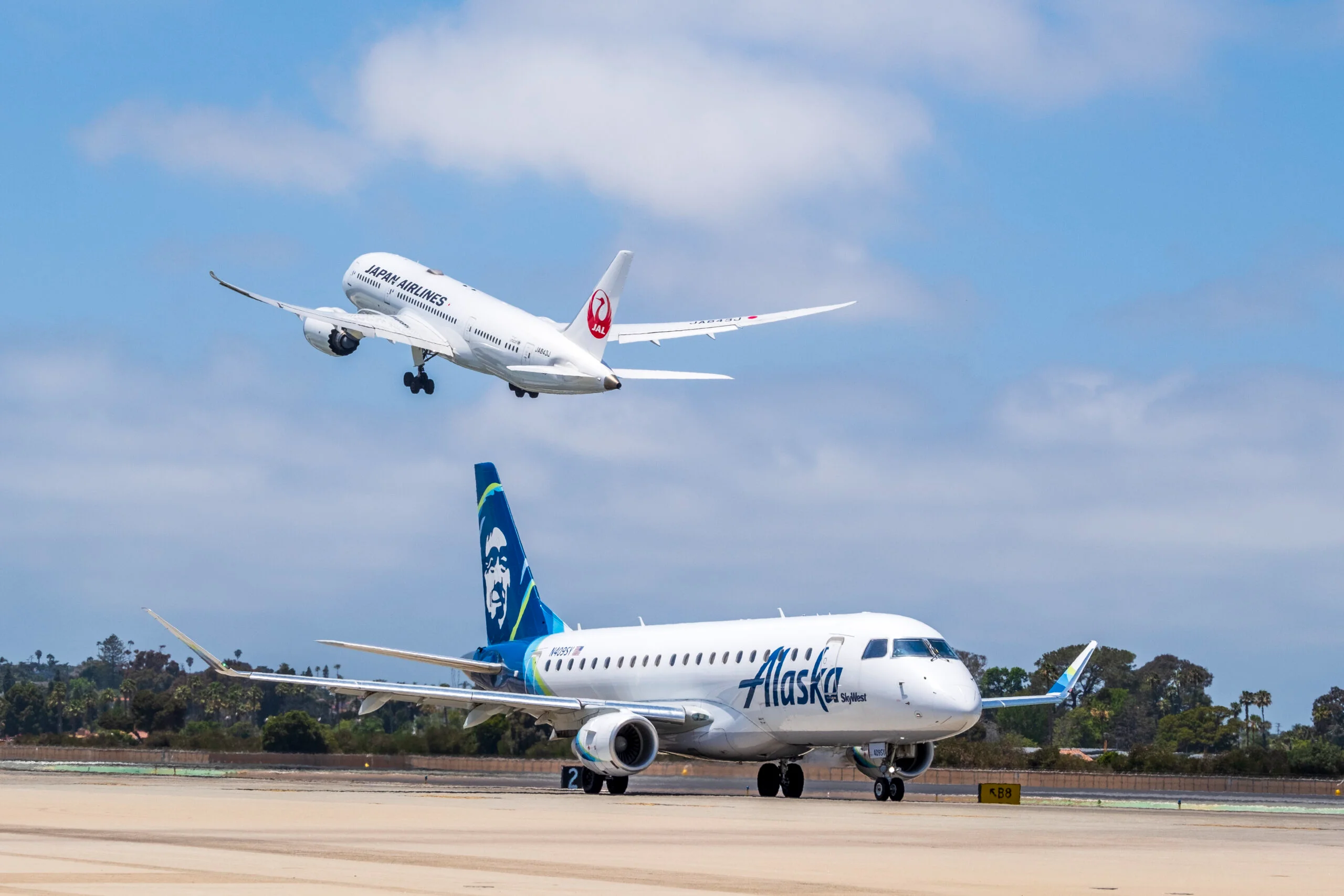
SEATTLE— Alaska Airlines (AS) is preparing for a major expansion of its international network, targeting at least 15 long-haul destinations from Seattle-Tacoma International Airport (SEA) by 2030.
The plan would significantly increase the carrier’s long-haul presence as it uses its partnership with Japan Airlines (JAL) to strengthen connections across Asia and other international markets.
The expansion marks a shift for Alaska Airlines, which has historically built its network around the US West Coast and domestic flying.
Chief Executive Officer Ben Minicucci said the airline expects Seattle to remain at the centre of its international growth, with new routes, wider partnerships and additional long-haul capacity supporting the strategy.
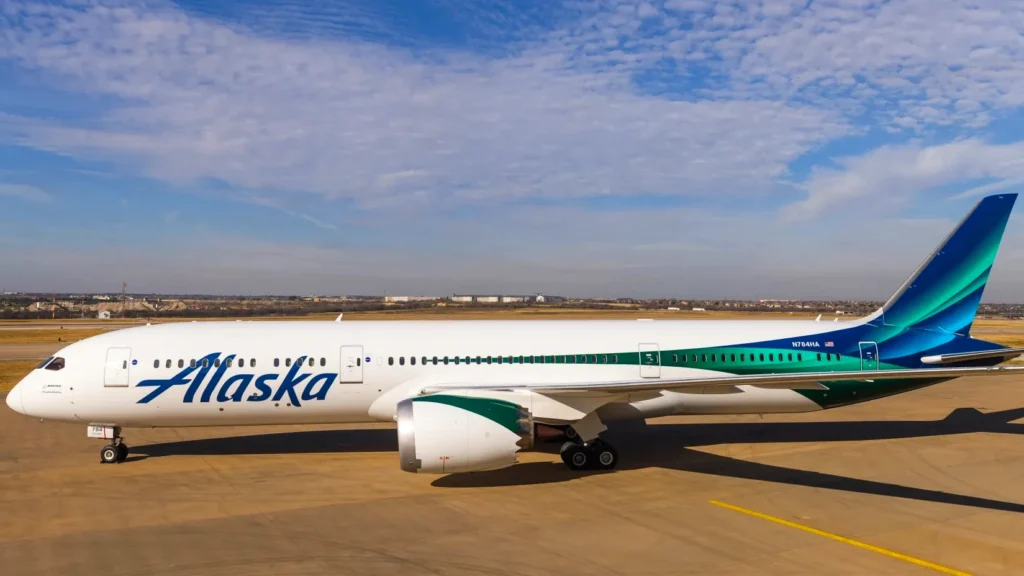
Alaska Airlines Targets 15 Routes
Seattle is the key focus of Alaska Airlines’ international expansion, with the carrier aiming to operate at least 15 long-haul international destinations from the airport by 2030.
The target would give Alaska a considerably larger international footprint than it has traditionally maintained.
The airline has already expanded beyond its earlier network model by launching long-haul services to destinations including Tokyo and Seoul. It has also added European routes to London, Rome and Reykjavik, while Paris and Athens are planned for 2027.
The acquisition of Hawaiian Airlines in 2024 has also strengthened Alaska’s long-haul capabilities.
Hawaiian’s widebody aircraft provide Alaska with additional capacity for international services, particularly across the Pacific, while the combined network gives the group a broader platform for overseas growth.
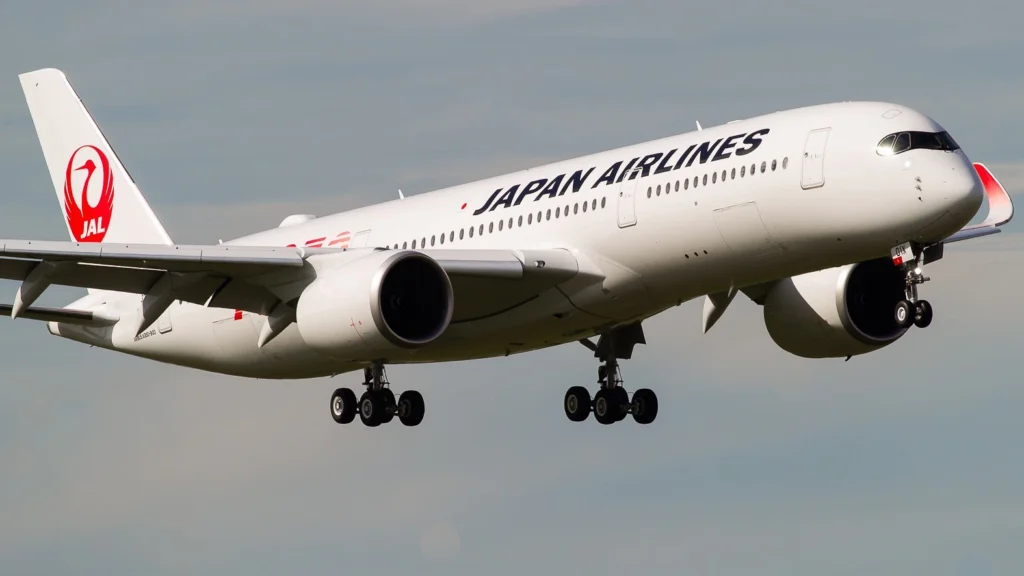
JAL Expands Asia Access
Japan Airlines is expected to remain an important part of Alaska’s international strategy.
Both airlines are members of the oneworld alliance, allowing Alaska customers to connect onto JAL services in Japan and access a much larger network across Asia without Alaska having to operate every route itself.
This partnership is particularly important as Alaska develops Seattle as a connecting point for international passengers.
Instead of relying solely on its own aircraft, the carrier can combine its transpacific services with partner connections to extend the reach of its network.
Alaska joined oneworld in 2021 and has since expanded its international connectivity through partnerships, Asia Business Outlook reported.
The airline is also seeking deeper relationships with other carriers across the Atlantic and Pacific as it looks beyond its traditional US-focused network.

Seattle Drives Global Growth
Alaska’s international strategy also includes investment in premium cabins, lounges and long-haul aircraft as it seeks to attract more high-value international passengers.
These investments are intended to support the airline’s expansion while strengthening the overall experience for customers travelling on longer routes.
The strategy puts Alaska in closer competition with major international carriers operating from Seattle, including Delta Air Lines.
A larger long-haul network could also increase Seattle’s role as a gateway between North America, Europe and Asia.
If Alaska reaches its target of at least 15 long-haul international destinations by 2030, the airline will have substantially expanded its role beyond its traditional West Coast market.
Its combination of own-operated routes, Hawaiian’s widebody fleet, and partnerships such as JAL could allow Alaska to build a broader global network without operating every international connection itself.
Stay tuned with us. Further, follow us on social media for the latest updates.
Join us on Telegram Group for the Latest Aviation Updates. Subsequently, follow us on Google News
