

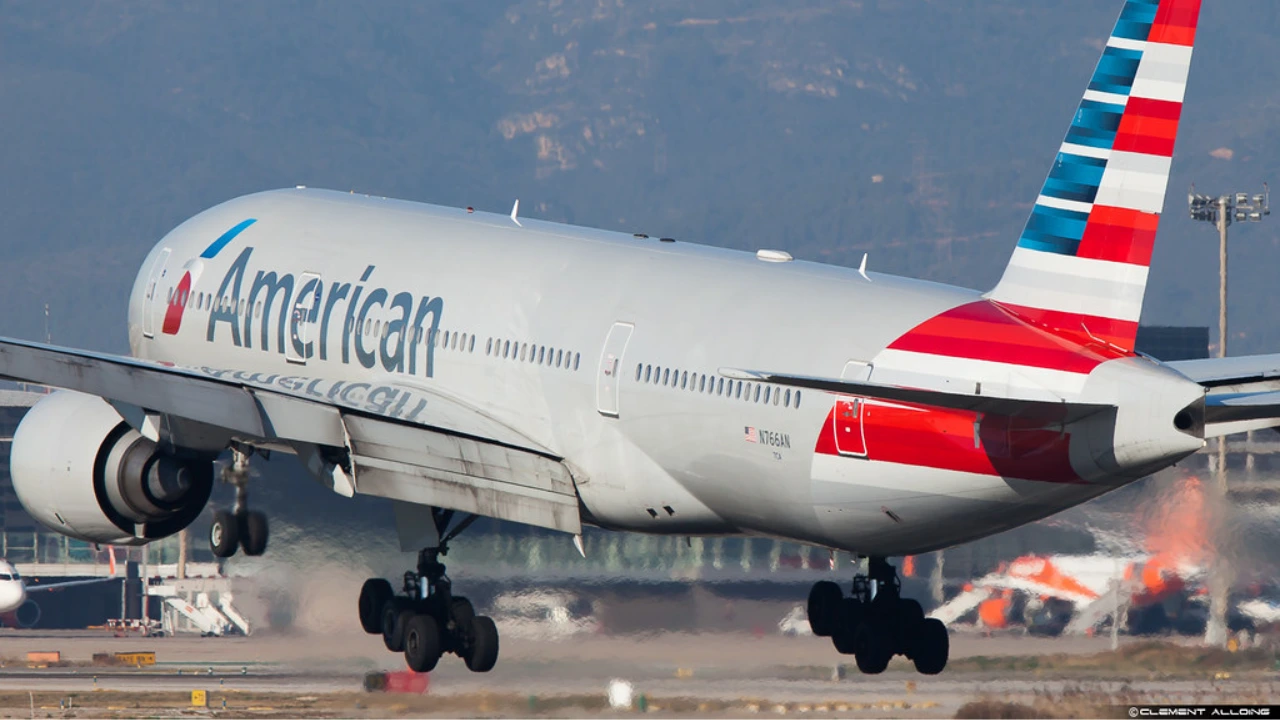
NEW YORK- American Airlines (AA) Flight 37 from Madrid (MAD) to Dallas-Fort Worth (DFW) was diverted to New York after six of the Boeing 777’s eight lavatories stopped working during the transatlantic flight.
The aircraft, carrying 287 passengers and crew, landed safely at John F. Kennedy International Airport (JFK) after pilots reported an “inadequate number of operational lavatories” to the Federal Aviation Administration (FAA).
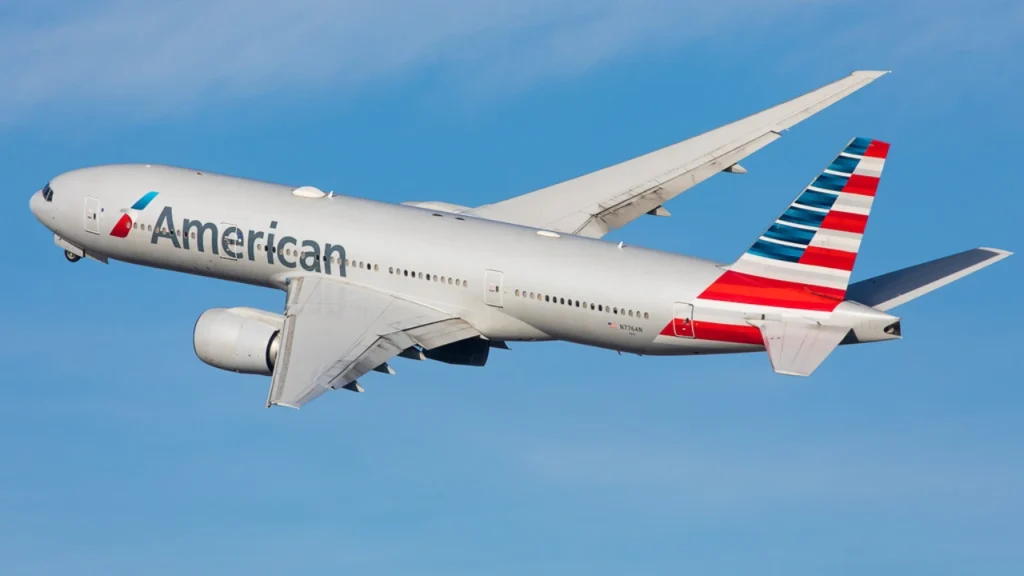
American Airlines Flight 37 Diverts to JFK
American Airlines Flight AA37 was operating a scheduled service from Adolfo Suárez Madrid-Barajas Airport (MAD) to Dallas Fort Worth International Airport (DFW) when the lavatory failures forced an unscheduled diversion.
The nearly 10-hour flight had only two operational bathrooms remaining when the crew decided that continuing to Dallas was not practical. The Boeing 777 therefore diverted to John F. Kennedy International Airport (JFK) in New York.
The Federal Aviation Administration confirmed that the aircraft had an inadequate number of operational lavatories. The FAA did not indicate that the aircraft experienced a mechanical problem affecting its flight systems or propulsion.
The incident involved the loss of six of the aircraft’s eight bathrooms, leaving only two available for the 287 people onboard.
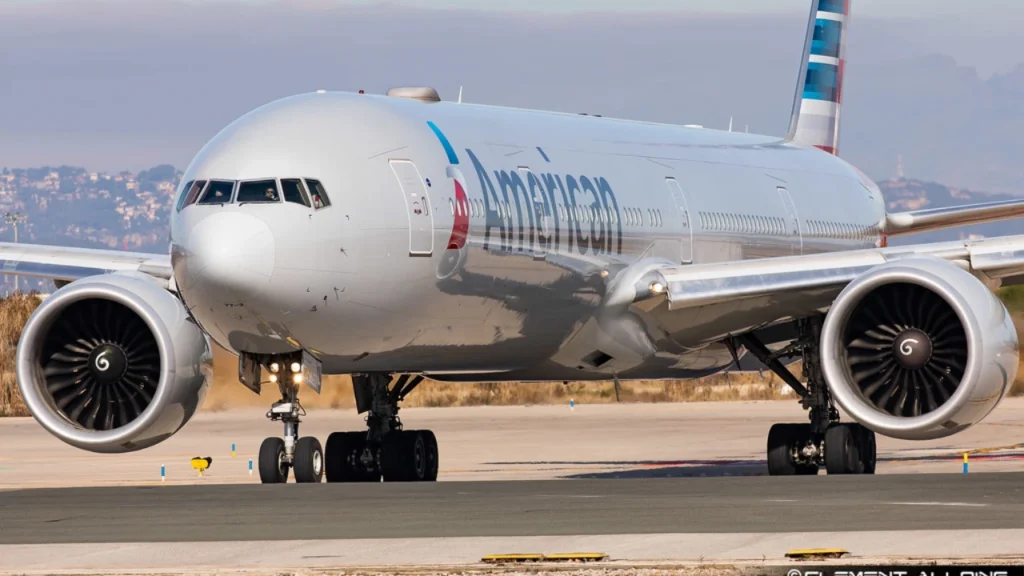
Pilot Reports Only Two Lavatories Working
As American Airlines Flight 37 approached JFK, the pilot informed air traffic control about the situation.
According to CNN, the pilot told controllers, “We have only two potties operating on board for American 37.”
The air traffic controller then confirmed the report, asking whether only two lavatories were operational. The pilot responded in the affirmative.
The crew subsequently declared a pan-pan alert.
A pan-pan is an international aviation urgency signal used when an aircraft faces a situation requiring attention but does not involve an immediate threat to life. It is less severe than a mayday declaration.
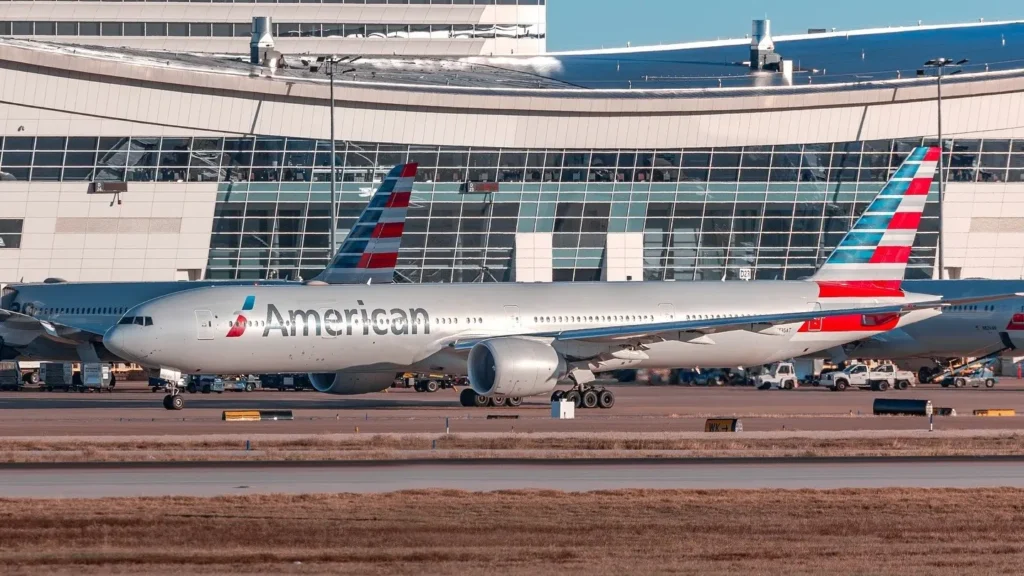
Boeing 777 Lands Safely at JFK
The aircraft had more than four hours of fuel remaining when it diverted to New York. The additional fuel meant the Boeing 777 was heavier than it would normally be during landing.
A heavier landing weight can increase operational considerations for the crew, including greater braking requirements and the possibility of higher brake temperatures.
Despite those factors, the aircraft landed safely at JFK.
The Boeing 777 remained at John F. Kennedy International Airport for more than three hours before continuing its journey to Dallas-Fort Worth, according to FlightAware tracking data.
The diversion therefore added a substantial delay to the transatlantic service, but the flight ultimately continued to its scheduled destination.

Six of Eight Bathrooms Failed During Flight
The incident highlights the operational importance of lavatory availability on long-haul aircraft.
The Boeing 777 involved in the flight had eight lavatories, but six became unavailable during the journey. With only two bathrooms still functioning, the crew determined that an unscheduled landing was necessary.
The situation was particularly significant because Flight 37 had already spent several hours crossing the Atlantic. Continuing for the remaining portion of the journey with only two operational lavatories would have placed additional pressure on the available facilities.
The diversion to JFK provided the crew with an opportunity to address the situation before continuing to Dallas.
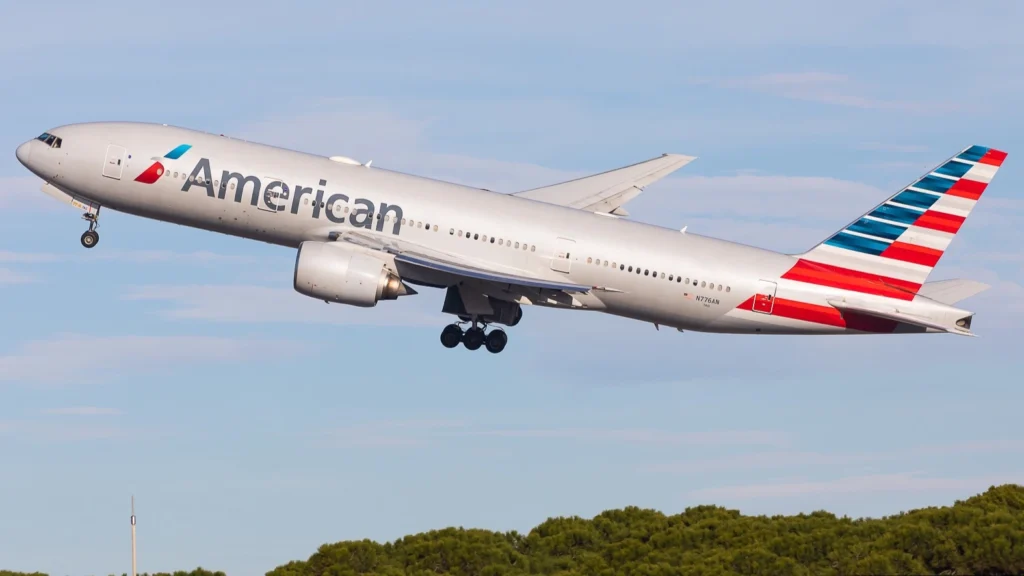
American Airlines Flight Continues to Dallas
After spending more than three hours at JFK, American Airlines Flight 37 departed New York and continued toward Dallas-Fort Worth.
The aircraft completed the diversion without a reported safety incident, and the flight eventually proceeded to its intended destination.
The incident also demonstrates how an aircraft can safely divert for an operational issue that does not directly affect its engines, flight controls, or other primary systems. In this case, the lavatory failures were sufficient for the crew to determine that an unscheduled stop was appropriate.
Stay tuned with us. Further, follow us on social media for the latest updates.
Join us on Telegram Group for the Latest Aviation Updates. Subsequently, follow us on Google News
