

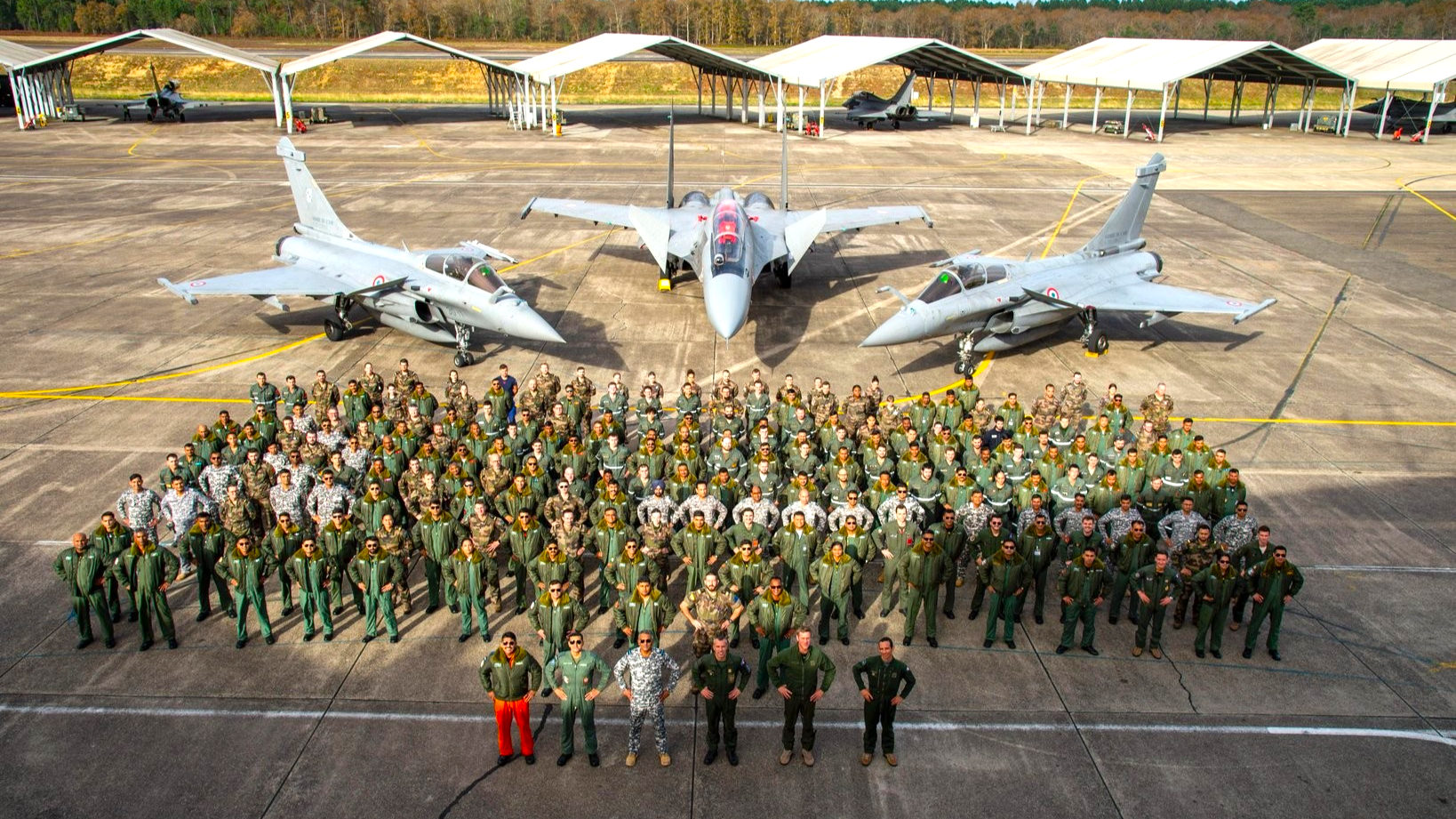
NEW DELHI- Indian Air Force (IAF) chief Air Chief Marshal Amar Preet Singh has warned that prolonged delays in fighter aircraft induction are weakening the force’s numerical strength, with the service now requiring 36-40 new combat aircraft every year for the next few years.
Speaking at his final press conference before retiring on October 31, Singh said the IAF’s fighter squadron strength has fallen to 29 from an ideal level of 42.5.
The IAF chief said the decline became more pronounced following the retirement of the MiG-21 fleet, while delays in newer programmes have made it difficult to replace the aircraft at the required pace.
However, Singh stressed that lower numbers do not mean the IAF is weak and argued that faster induction remains essential to prevent the gap from widening.
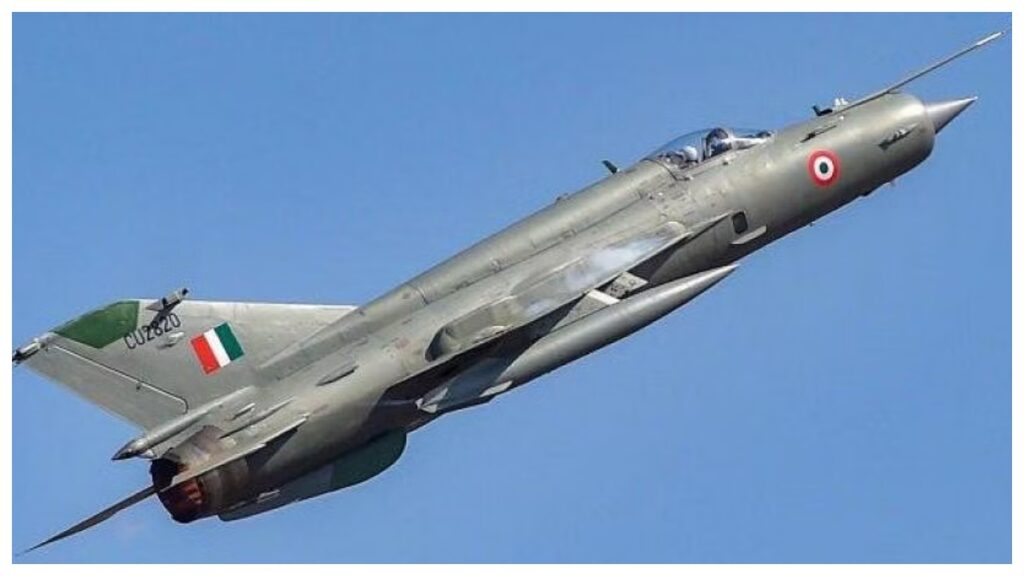
Indian Air Force Fighter Shortfall
Singh said the force needs to add the equivalent of roughly two fighter squadrons each year, translating to 36-40 aircraft annually.
He also indicated that the IAF’s requirement could exceed the officially sanctioned 42.5 squadrons because of the country’s evolving security environment and the need to replace aircraft that will leave service in the coming years.
The chief described the prolonged delays as a serious concern and repeated his warning that “technology delayed is technology denied.”
The immediate challenge is therefore not limited to increasing squadron numbers but also ensuring that the IAF receives modern aircraft before existing fleets reach the end of their operational lives, TOI flagged.
Rafale And Tejas Plans
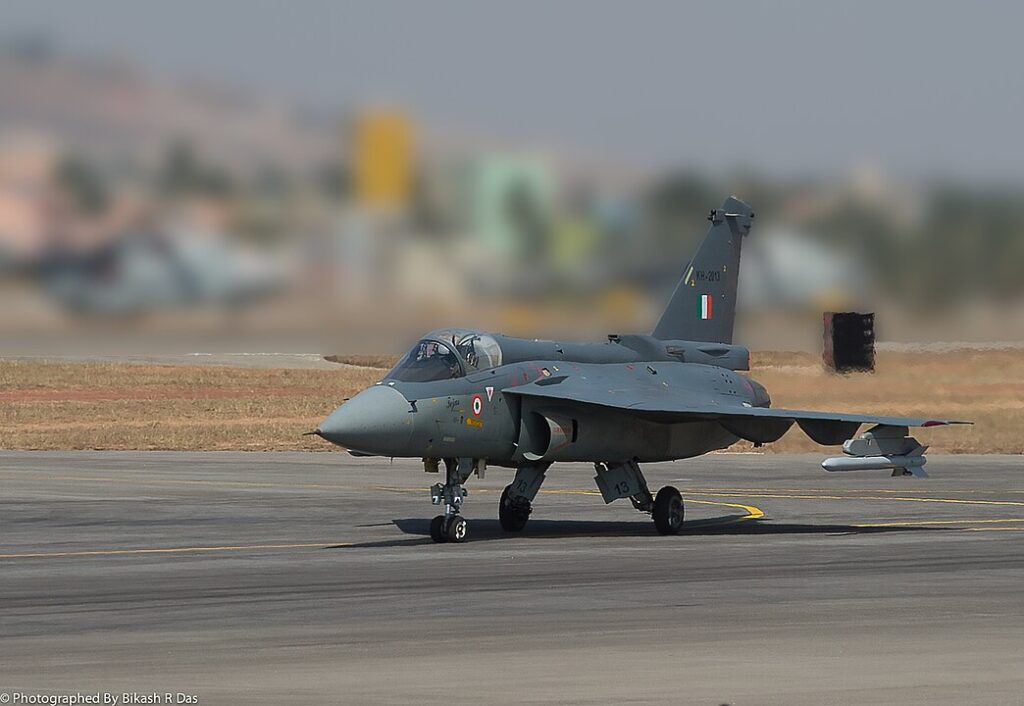
The IAF is relying on several programmes to rebuild its fighter fleet, including the LCA Tejas Mk1A, the proposed Tejas MK2 and the 114-aircraft Multi-Role Fighter Aircraft (MRFA) programme.
Singh said the MRFA contract could be finalised during the current financial year if negotiations progress as planned, potentially giving the force another major source of modern fighters.
The Advanced Medium Combat Aircraft (AMCA) remains central to India’s future fifth-generation fighter plans, but Singh indicated that the IAF would need to consider alternatives if the programme faces further delays.
Russia has offered its Su-57 to India, although the IAF chief said no decision has been taken on the proposal.
Pakistan And Future Warfare
Singh also identified Pakistan’s reported move toward Chinese fifth-generation fighter capability as a concern. Reports that Pakistan could acquire J-35A stealth fighters and train pilots in China have added urgency to India’s effort to maintain technological and operational advantages.
At the same time, Singh pointed to the lessons of Operation Sindoor, arguing that the effective integration of different military platforms matters as much as individual weapons systems.
He said the IAF is also moving toward an AI-augmented force, while drones and loitering munitions will remain integrated with existing operational structures rather than forming a separate drone force.
Singh further backed a stronger domestic defence ecosystem but cautioned that Aatmanirbharta cannot come at the expense of defence preparedness.
He said the IAF supports theatre commands but believes the lessons of Operation Sindoor should be considered before India takes a final decision on their implementation.
The outgoing chief also praised Indian pilot Smit Machchhar for his actions during the Flydubai incident, saying the pilot demonstrated exceptional presence of mind and resolve.
Singh credited the wider IAF for its achievements and maintained that the institution remains larger than any individual commander.
Stay tuned with us. Further, follow us on social media for the latest updates.
Join us on Telegram Group for the Latest Aviation Updates. Subsequently, follow us on Google News
