

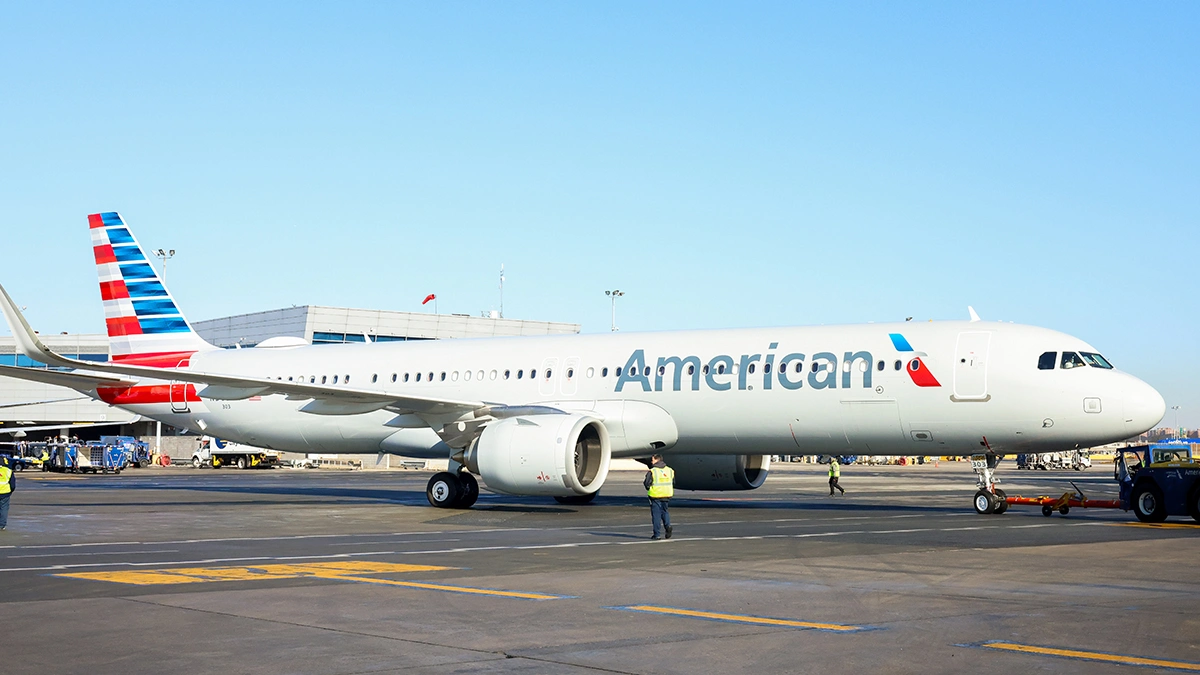
FORT WORTH- American Airlines (AA) plans to begin installing Starlink Wi-Fi on more than 500 Airbus narrowbody aircraft in the first quarter of 2027.
A new report says American may now be considering Starlink for its Boeing 737, 777 and 787 fleets as well. The airline has not confirmed the reported expansion, making the Boeing plan an unconfirmed development.
American Airlines Could Expand Starlink
American announced in May 2026 that it would install Starlink on more than 500 narrowbody aircraft, covering its Airbus fleet. The airline said the program would include existing aircraft and new Airbus A321neo and A321XLR deliveries, with installations scheduled to begin in the first quarter of 2027.
American described the service as a high-speed, low-latency connection intended to support streaming, browsing, gaming, collaboration, and other online activities on domestic and short-haul international flights.
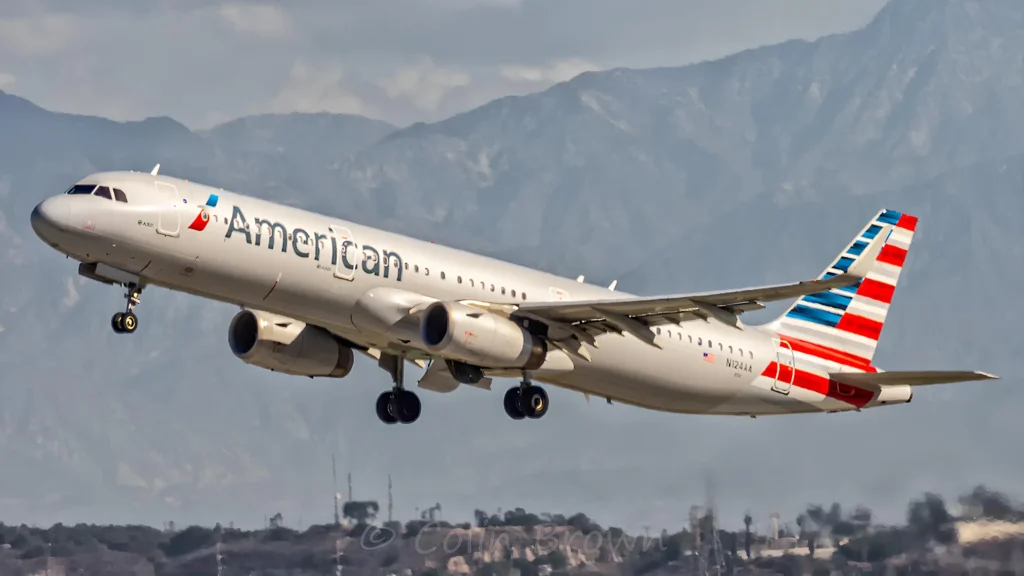
The initial decision created a clear distinction between American’s Airbus and Boeing fleets. American operated 487 Airbus A320 family aircraft as of June 30, 2026, compared with 406 Boeing 737 family aircraft, 67 Boeing 777 aircraft and 70 Boeing 787 aircraft.
Its total mainline fleet stood at 1,030 aircraft, while its total fleet, including regional aircraft, reached 1,609.
According to PYOK, because more than 500 aircraft would represent roughly one-third of American’s overall fleet, the original Starlink plan would not have provided the same satellite connectivity technology across the majority of the carrier’s aircraft.
The fleet figures also show why adding Boeing aircraft would materially expand the scope of the program.
Reported Boeing 737, 777 and 787 Expansion
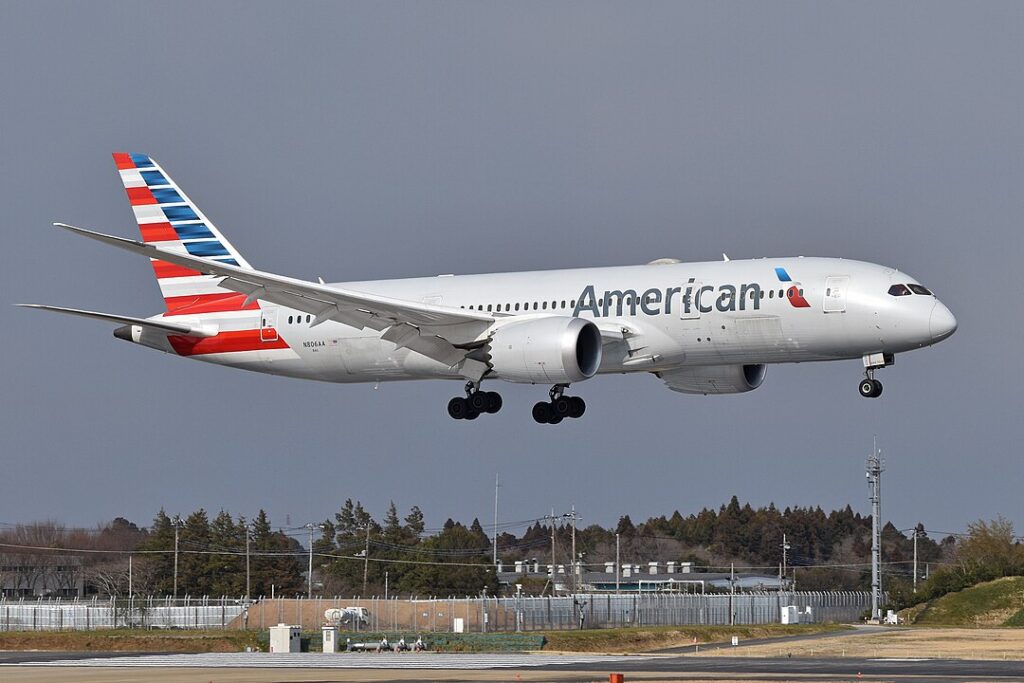
The reported change comes from aviation insider JonNYC, who said American’s Starlink plans now appeared to include the Boeing 737, 777 and 787.
The information was explicitly described as unconfirmed, and American has not publicly announced a timetable for installing Starlink on those Boeing aircraft.
The reported expansion would cover both narrowbody and widebody aircraft. The Boeing 737 family represents a major portion of American’s domestic fleet, while the 777 and 787 are central to the airline’s long-haul international operation.
A Starlink installation program covering all three families would therefore extend the technology well beyond the Airbus-focused plan announced earlier in 2026.
Until American confirms the change, the distinction between its announced program and the reported expansion remains important. The confirmed plan is for more than 500 Airbus narrowbody aircraft beginning in 2027. The Boeing portion remains unconfirmed.
American Already Offers High-Speed Wi-Fi
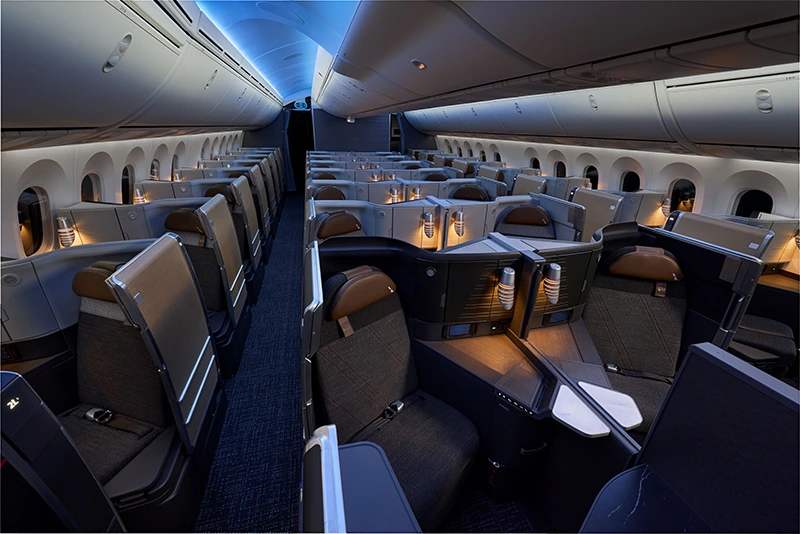
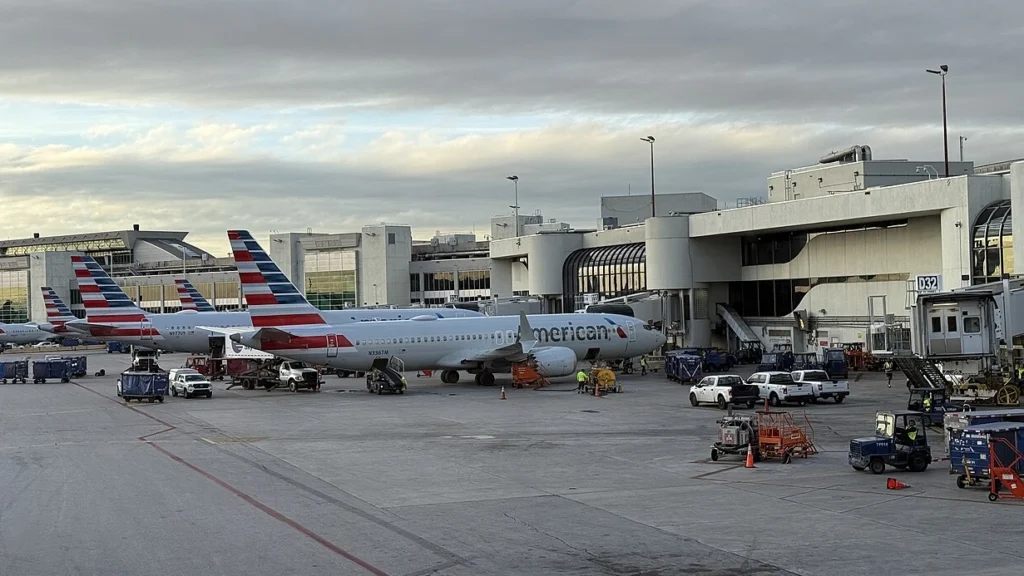
The Starlink story should not be confused with the availability of Wi-Fi itself. American already offers free high-speed Wi-Fi sponsored by AT&T to AAdvantage members on all of its single-aisle Boeing 737 aircraft, as well as on select Boeing 787-8 and 787-9 aircraft and most regional aircraft.
American currently supports several connectivity providers, including Viasat, Intelsat and Panasonic. The airline’s official Wi-Fi information identifies Viasat and Intelsat among its connectivity services and also lists Panasonic for certain onboard systems.
That means a Boeing aircraft without Starlink is not necessarily an aircraft without free or high-speed internet. The key difference is the underlying connectivity technology and the performance characteristics associated with each system.
Viasat Has Added Capacity Over the Americas
American’s existing Viasat network is also benefiting from recent satellite infrastructure improvements.
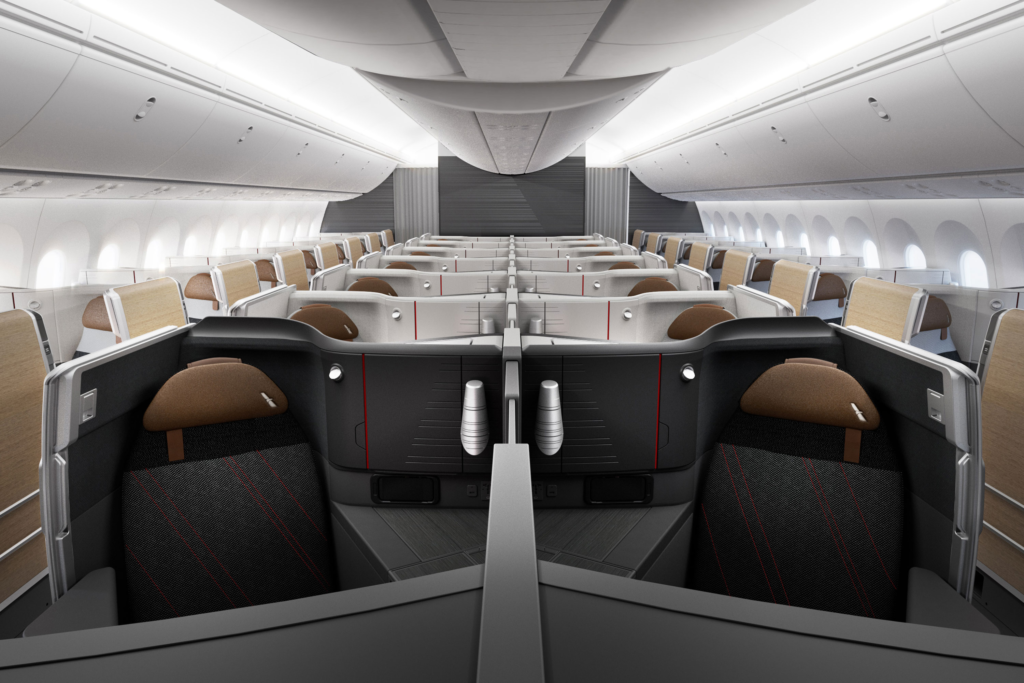
Viasat announced on September 17, 2026, that its ViaSat-3 F2 satellite had entered service across the Americas, adding more than one terabit per second of designed throughput capacity to the region and increasing network capacity for aviation and other customers.
That development is relevant to American’s current Boeing 737 connectivity because it improves the capacity available to the Viasat network even before any Starlink installation occurs. It also means the competitive gap between existing satellite systems and newer low-Earth-orbit services cannot be described simply as a choice between working Wi-Fi and no Wi-Fi.
Why Boeing Decision Would Change Passenger Experience
A wider Starlink rollout would primarily address consistency. American currently has multiple connectivity technologies across its fleet, and passengers can encounter different systems depending on the aircraft operating a flight.
Adding Starlink to the Boeing 737, 777, and 787 fleets would allow American to offer the same satellite platform across substantially more mainline aircraft. The change would be particularly significant on Boeing 777 and 787 aircraft, which are used extensively on long-haul international services.
The effect would also extend beyond internet speed. Starlink is designed around low-Earth-orbit satellite connectivity, and American says its Starlink deployment is intended to support streaming, online gaming, collaborative tools and real-time communications.
For passengers, the practical benefit would be greater consistency in what they can expect from onboard connectivity when aircraft assignments change.
United, Southwest and Alaska Are Expanding Starlink
American is making its decision while other US airlines continue to expand satellite-based Wi-Fi.
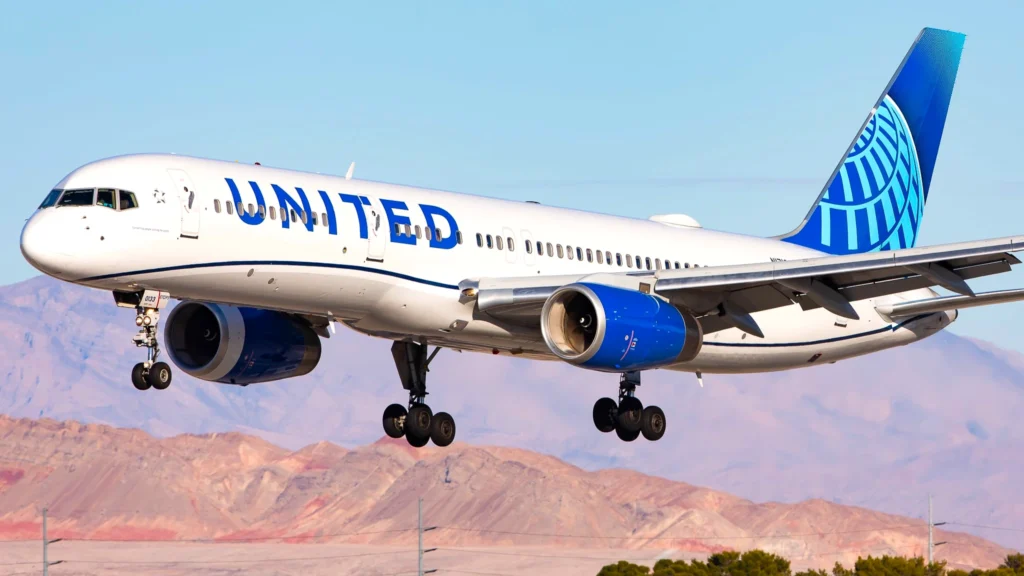
United Airlines had more than 450 aircraft offering Starlink by the second quarter of 2026 and expected nearly 1,000 to have the service by year-end. United also launched Starlink on its first widebody transatlantic flight and had already completed installations on more than 300 regional aircraft earlier in the year.
Southwest Airlines is also moving quickly. The airline began its Starlink deployment in 2026, with the first equipped aircraft entering service during the summer and more than 300 aircraft targeted for Starlink by the end of 2026. Southwest has described the project as part of a broader plan to equip its fleet with high-speed, low-Earth-orbit connectivity.
Alaska Airlines has also started its rollout. Its latest tracker showed 38% of the combined fleet equipped with Starlink as of September 25, 2026, with the airline targeting full fleet installation by the end of 2027. Alaska says its entire regional fleet is already equipped, while installations continue on mainline Boeing aircraft and other aircraft types.
These programs show that Starlink deployment is increasingly extending beyond a limited group of narrowbody aircraft. United and Alaska have specifically included regional aircraft, while Southwest is pursuing a broad fleet installation.
Delta Has Chosen Amazon Leo
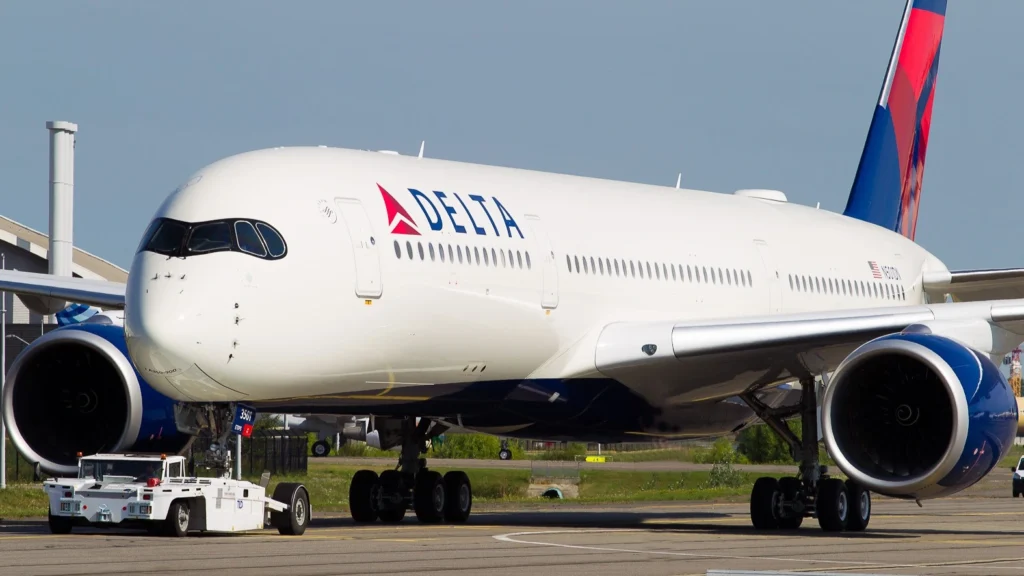
Delta Air Lines has taken a different path by selecting Amazon Leo for future inflight connectivity. Amazon and Delta announced that installations will begin in 2028, initially covering 500 aircraft, with the system designed to provide high-speed, low-latency Wi-Fi.
Delta’s decision means the U.S. airline industry is moving toward several competing satellite connectivity platforms rather than a single technology standard. For American, the reported Boeing expansion would keep Starlink at the center of its future connectivity strategy if the airline ultimately confirms the plan.
Regional Aircraft Would Still Need Separate Consideration
A Boeing expansion would not automatically mean every aircraft operating as part of American’s network would receive Starlink.
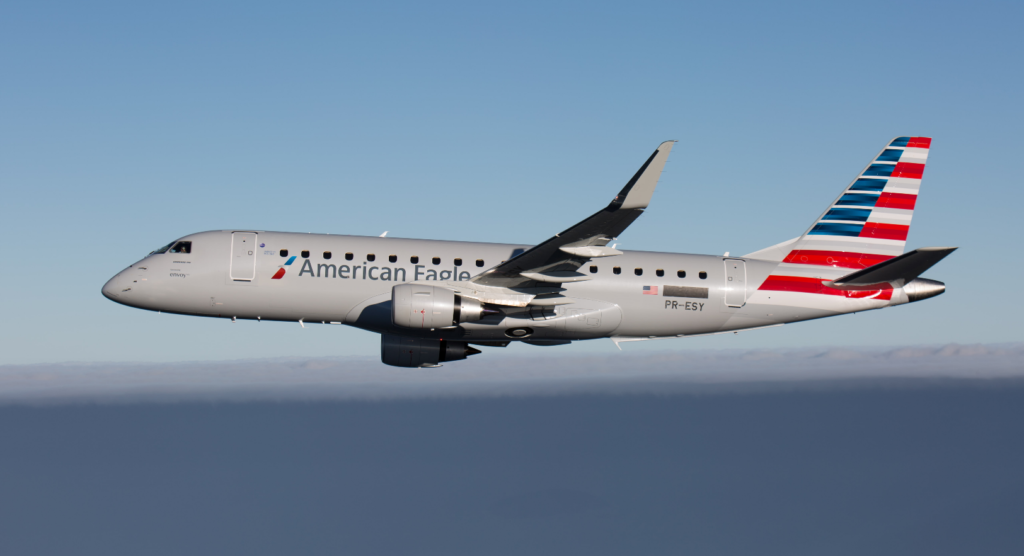
American had 240 Embraer E175 aircraft and another 339 regional aircraft in its June 30, 2026 fleet overview. The company operates regional flying through American Eagle arrangements involving wholly owned and third-party regional carriers.
American has already made progress on regional Wi-Fi. Its current passenger information says most regional aircraft offer free high-speed Wi-Fi to AAdvantage members, with additional availability planned.
The regional question is therefore different from the Starlink question. American would need to decide whether Starlink should eventually become the common connectivity technology across both mainline and regional aircraft or remain part of a mixed-provider network.
What American Airlines Has Confirmed
As of October 2, 2026, American has officially confirmed only the installation of Starlink on more than 500 narrowbody Airbus aircraft beginning in the first quarter of 2027. The airline has not publicly confirmed that the Boeing 737, Boeing 777, or Boeing 787 fleets have been added to the Starlink program.
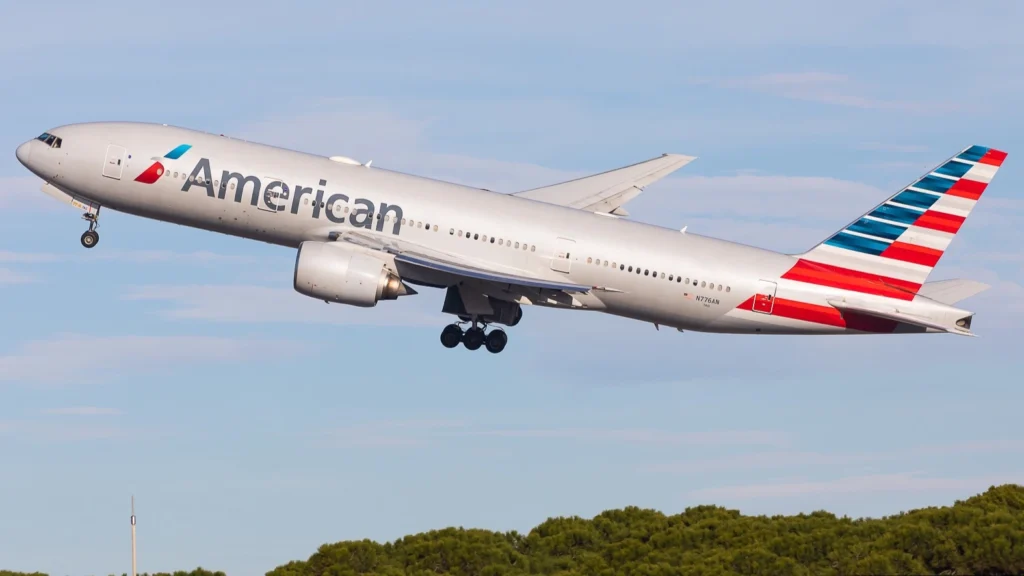
The reported Boeing expansion would be significant because American’s June 2026 fleet data included 406 Boeing 737 family aircraft, 67 Boeing 777 aircraft and 70 Boeing 787 aircraft. Together, those three families represented 543 mainline aircraft at that point.
For now, the Boeing plan should therefore be treated as a developing report rather than an announced fleet program. An official American Airlines statement will be needed to confirm whether installations will move beyond the Airbus fleet and, if so, which Boeing aircraft will receive the service and on what schedule.
Stay tuned with us. Further, follow us on social media for the latest updates.
Join us on Telegram Group for the Latest Aviation Updates. Subsequently, follow us on Google News
