

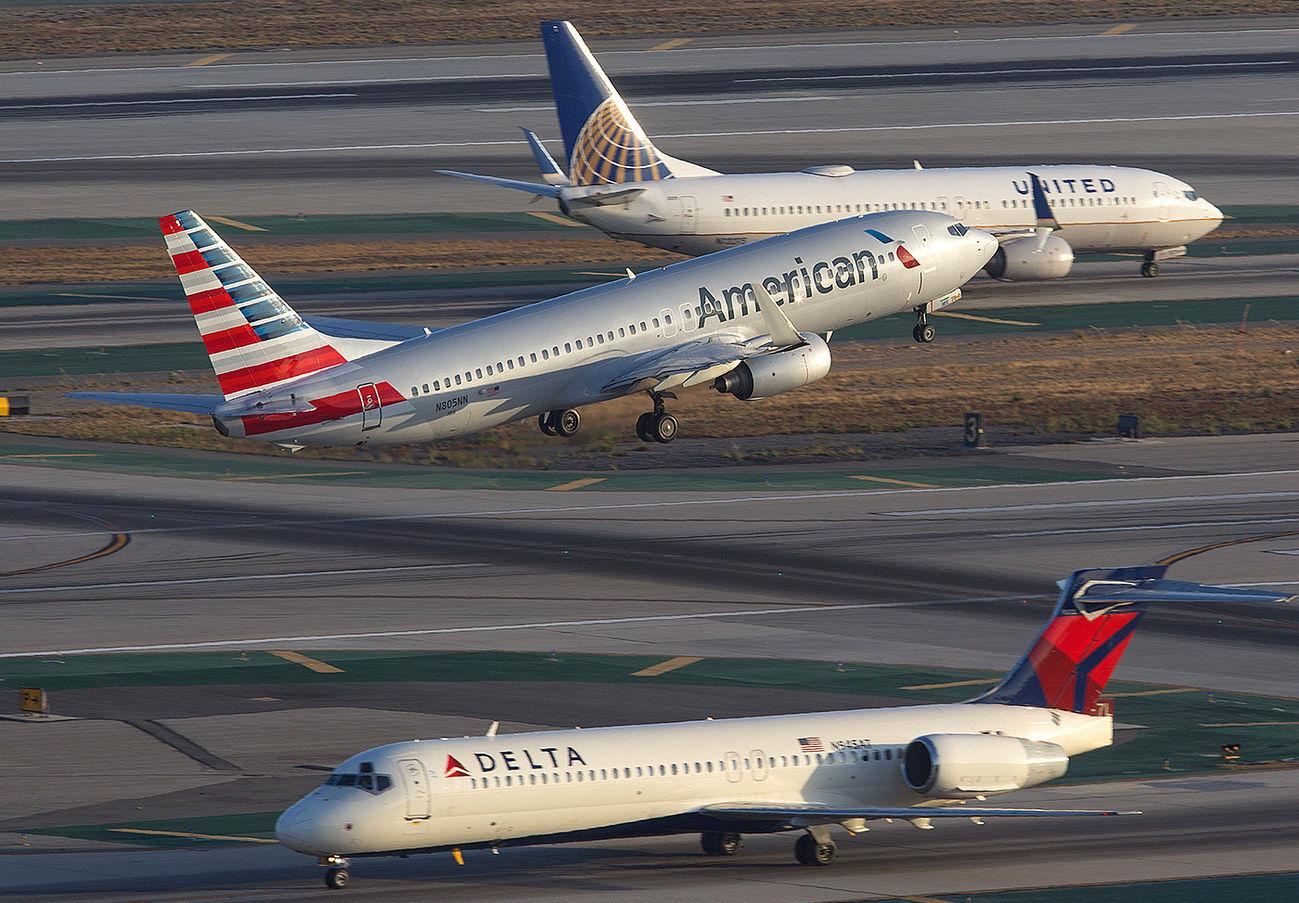
ATLANTA- Delta Air Lines (DL) is facing new competitive pressure as American Airlines (AA) and United Airlines (UA) promote status-match offers to Delta flyers, with Atlanta (ATL) remaining the carrier’s headquarters and one of its largest hubs.
The offers are gaining attention amid a public dispute between Elon Musk and Delta CEO Ed Bastian over Starlink. United already has Starlink on more than 560 aircraft, while American plans to begin installations in 2027 and Delta’s Amazon Leo rollout is planned to start in 2028.
Status Matches Give Delta Flyers Switching Option
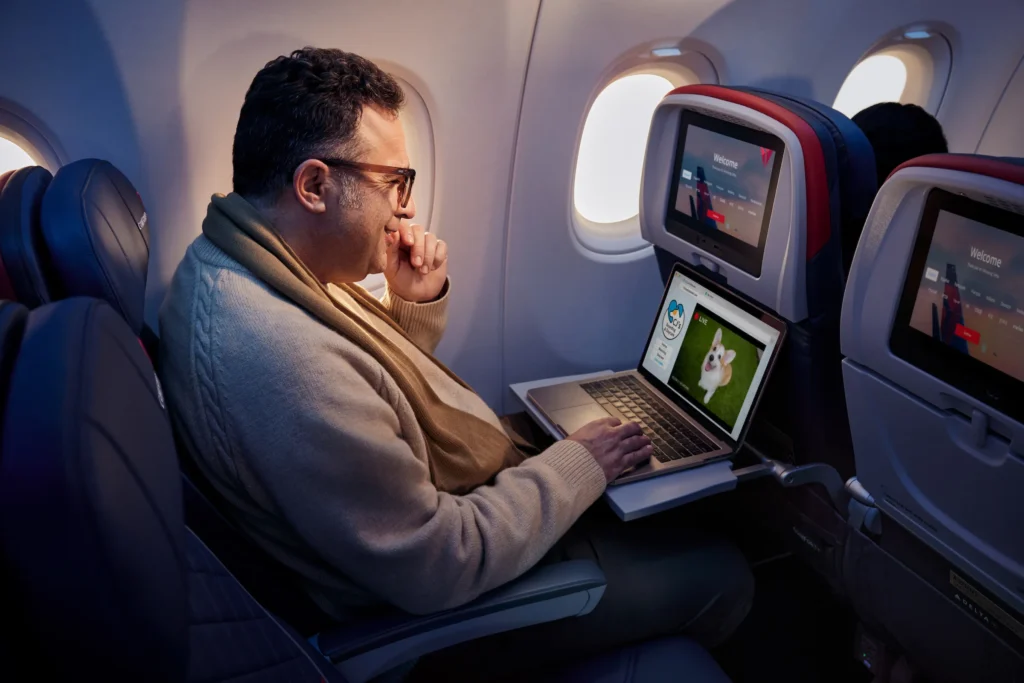
American and United are using elite-status matches to make it easier for frequent Delta customers to try another airline without immediately giving up the benefits attached to their existing status.
The timing is linked to the growing importance of inflight Wi-Fi and a dispute between Musk and Delta over Starlink. After reports circulated about comments attributed to Bastian regarding Delta’s decision not to partner with Starlink, Musk publicly criticized the Delta executive.
View from the Wing reported that aviation watchdog JonNYC had passed along accounts of Bastian’s comments to employees. One reported remark was:
“We do not want to be with Elon Musk. Trust me.”
At another event, Bastian was reportedly quoted as saying of Musk’s reputation:
“it’s all true what they say about him.”
JonNYC also said that he had not independently verified the exact quotations supplied to him. The wording could therefore have been inexact.
Musk later responded to the report on X, stating that Bastian “will lose his job over this.” Musk then began promoting American and United status-match opportunities to Delta customers who were considering a move.
The offers do not require every customer to leave Delta completely. A traveler could redirect selected trips, change where airline-card spending goes, or use another carrier when schedule and connectivity make the alternative attractive.
United Ties Its Status Match to Starlink Wi-Fi
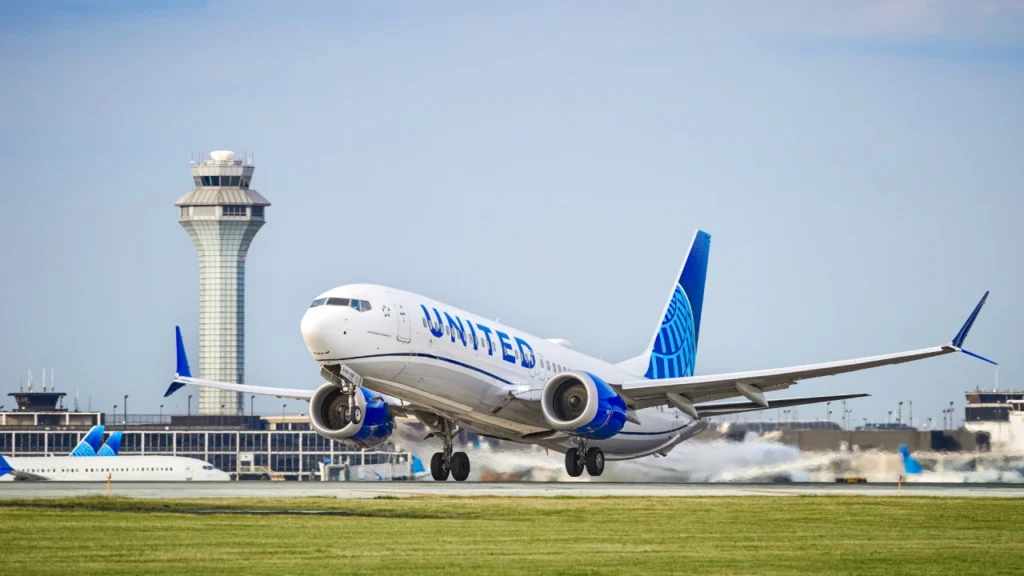
United has created a special “Switch To Better Wi-Fi” status-match promotion that directly connects the offer with its Starlink installation program.
The campaign tells eligible customers that United’s fast, free Starlink Wi-Fi is a reason to consider changing airlines and offers a temporary match for existing Delta or American elite status.
United’s promotion is open through October 15, 2026. It provides approved applicants with 90 days of matched status and gives them an opportunity to retain that status through January 31, 2028.
The offer is available to eligible U.S. residents who hold qualifying Delta or American status.
| Delta Status | American Status | United Match | Qualifying Spend in 90 Days |
|---|---|---|---|
| Silver Medallion | Gold | Premier Silver | $1,500 |
| Gold Medallion | Platinum | Premier Gold | $3,000 |
| Platinum Medallion | Platinum Pro | Premier Platinum | $4,500 |
| Diamond Medallion | Executive Platinum | Premier 1K | $7,000 |
There is no additional flight requirement to qualify for the match itself, but customers must buy and fly qualifying United or United Express tickets during the 90-day challenge.
United counts base fares and airline-imposed surcharges toward the spending requirement. The cash portion of Money + Miles tickets also qualifies.
Taxes, paid upgrades, Economy Plus purchases and other ancillary charges do not count toward the required spending.
United accepts eligible lifetime status, while temporary and promotional status are excluded. The airline says applicants should receive a decision within three business days.
Customers cannot use excess spending to jump above the status level assigned through the initial match. The qualification ceiling remains tied to the matched tier.
Some partner benefits may also be unavailable during the temporary-status period. United specifically notes that certain benefits, including Star Alliance lounge access, may not be available during the trial.
Customers who successfully complete the challenge at Premier Platinum receive 20 PlusPoints. Successful Premier 1K challengers receive 100 PlusPoints.
American Matches Delta Elite Tiers
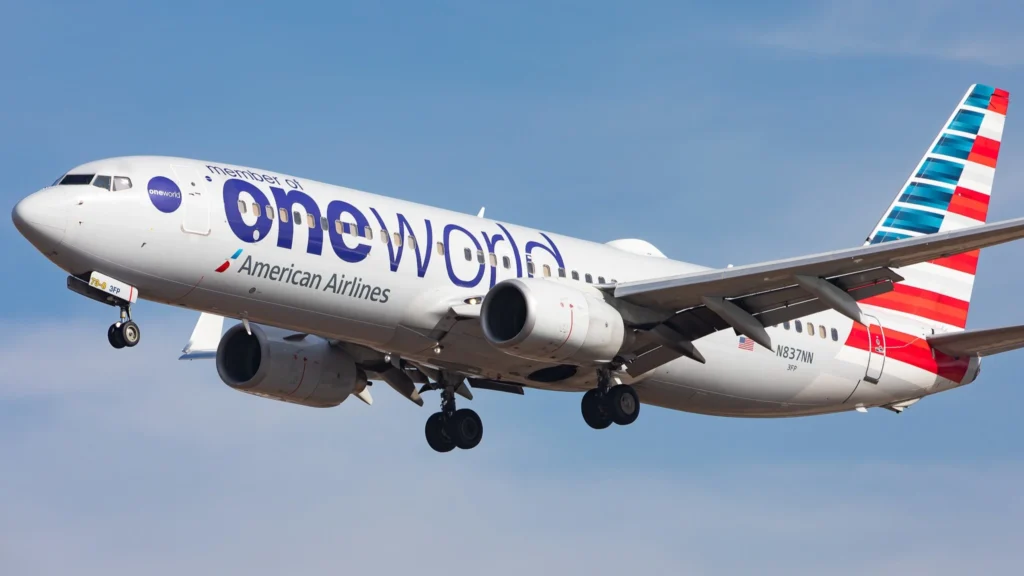
American Airlines is also targeting Delta customers through its existing Instant Status Pass program.
The program initially provides 4 months of matched status. Customers then must satisfy the applicable Loyalty Point requirement in each of three consecutive four-month phases to retain the status beyond the promotion.
| Delta Status | American Match | Loyalty Points Needed in First Four Months |
|---|---|---|
| Silver Medallion | Gold | 13,000 |
| Gold Medallion | Platinum | 25,000 |
| Platinum Medallion | Platinum Pro | 42,000 |
| Diamond Medallion | Executive Platinum | 67,000 |
American currently lists Delta status that expires in January 2028 as eligible under its published status-match chart. Delta status scheduled to expire in January 2027 does not qualify under that published condition.
Applicants must submit screenshots showing their name, SkyMiles status overview and tracker, and membership card with its expiration date.
American excludes matched, transferred, lifetime and promotional status. Customers who registered for Instant Status Pass within the previous two years are also excluded.
The structure requires more than simply receiving the initial match. A traveler must continue earning Loyalty Points through subsequent qualification periods to maintain the status.

American’s Status Match Has Faced Earlier Criticism
The status-match strategy is not new for American. Its program was broadly available in 2024, when the approach drew criticism for making customers who were already valuable to another airline complete paperwork and repeated qualification steps before receiving longer-term benefits.
The criticism argued that a competitor’s top-tier customer had already demonstrated enough interest to move business and could be encouraged more directly through a longer initial status period, lounge access and a more immediate introduction to the airline’s network and benefits.
American’s potential response time also became part of that criticism. The program indicated that some status-match requests could take up to 4 weeks to process, creating a risk that a customer’s immediate interest in switching could weaken.
Those concerns focus on customer acquisition strategy rather than the published eligibility rules themselves.
Starlink Deployment Is Moving at Different Speeds
The Wi-Fi dispute is also a competition between airlines at different stages of satellite-connectivity deployment.
American plans to begin installing Starlink in the first quarter of 2027. The initial rollout is expected to cover more than 500 Airbus narrowbody aircraft, including new A321neo and A321XLR deliveries.
JonNYC has also reported that American could install Starlink on its Boeing fleet, potentially including widebody aircraft. That wider deployment would expand the service beyond the initial Airbus narrowbody plan, although the supplied reporting does not establish a final fleet-wide installation schedule for Boeing aircraft.
United is further along. The airline says Starlink is active on more than 560 mainline and United Express aircraft and expects to complete installation before the end of 2027.
JSX remains the only carrier identified in the supplied reporting as offering Starlink throughout its entire fleet.
Delta currently offers free Wi-Fi, although the source characterizes the service as slower and notes that coverage remains limited in parts of the Pacific.
Delta has an agreement with Amazon for its next-generation Leo satellite connectivity service. Installation on an initial 500 aircraft is scheduled to begin in 2028.
The eventual performance of Amazon Leo cannot yet be established from operating experience because the service has not entered beta in the period described by the source. That leaves Delta customers comparing an existing free Wi-Fi product with future connectivity upgrades from both Delta and its competitors.
Delta’s Hub Network Still Leaves Some Choice
Delta’s large hub network remains an important factor in customer decisions.
Travelers based in Atlanta (ATL), Detroit (DTW), Minneapolis (MSP) or Salt Lake City (SLC) can have strong reasons to remain with Delta because nonstop service and convenient schedules may outweigh differences in onboard Wi-Fi.
Some discussion has suggested that customers outside New York and Los Angeles may have fewer practical alternatives to Delta. The network picture, however, is broader than the airline’s largest hubs.
Delta also competes for customers in Boston (BOS), while travelers in Seattle (SEA) have Alaska Airlines as another major option. The source notes that JetBlue has also committed to Amazon’s connectivity technology, while Alaska is moving toward Starlink.
Travelers in non-hub cities can have additional choices because they may be able to connect through another airline’s hub instead of using Delta’s network.
That matters because Wi-Fi can influence which connecting carrier a customer selects when the basic fare and schedule differences are not large.

Wi-Fi Can Affect the Value of an Airline Choice
For travelers who work during flights, reliable connectivity can have financial value beyond the ticket price.
The original commentary noted that time spent without usable internet can reduce productivity and make a modest airfare difference less important. That consideration applies most directly to business travelers and other passengers who use flights for work.
The value of Starlink therefore depends on the traveler. A leisure customer may place greater weight on schedule, route availability or loyalty benefits, while a frequent business traveler may place greater value on consistent connectivity.
This makes Wi-Fi one component of a broader airline comparison rather than a standalone reason to switch.
Delta Has Seen Status-Match Pressure Before
Delta’s loyalty program has previously created opportunities for competitors to attract its frequent flyers.
Following Delta’s 2023 SkyMiles changes, United said that requests for its status-match program increased dramatically. That earlier response provides context for the latest American and United campaigns.
Status matching can be commercially significant even when customers do not completely abandon their existing airline.
A traveler could move only a handful of expensive trips to United or American, put spending on a competing airline credit card, or decide that Delta no longer justifies a premium over another carrier on specific routes.
For airlines, even partial movement of high-value customers can affect revenue because the most valuable frequent flyers do not necessarily make an all-or-nothing decision.
Airline Loyalty Is Becoming More Dependent on Connectivity
The latest status-match promotions show how airline loyalty is increasingly tied to the onboard experience as well as elite benefits and route networks.
United can promote Starlink as an existing service on a substantial part of its fleet. American is using a future Starlink rollout as part of its competitive proposition, while Delta is preparing for Amazon Leo beginning in 2028.
That creates different timelines for customers comparing the airlines. United offers a current and expanding Starlink footprint, American has a planned 2027 rollout, and Delta’s next-generation connectivity deployment is scheduled to begin in 2028.
The status-match programs give frequent flyers a way to explore those alternatives while preserving access to comparable elite benefits for a limited period.
The eventual commercial impact will depend on how many Delta customers change where they fly, how often they use competing airlines, and whether better connectivity becomes important enough to influence repeat travel decisions.
Stay tuned with us. Further, follow us on social media for the latest updates.
Join us on Telegram Group for the Latest Aviation Updates. Subsequently, follow us on Google News
