

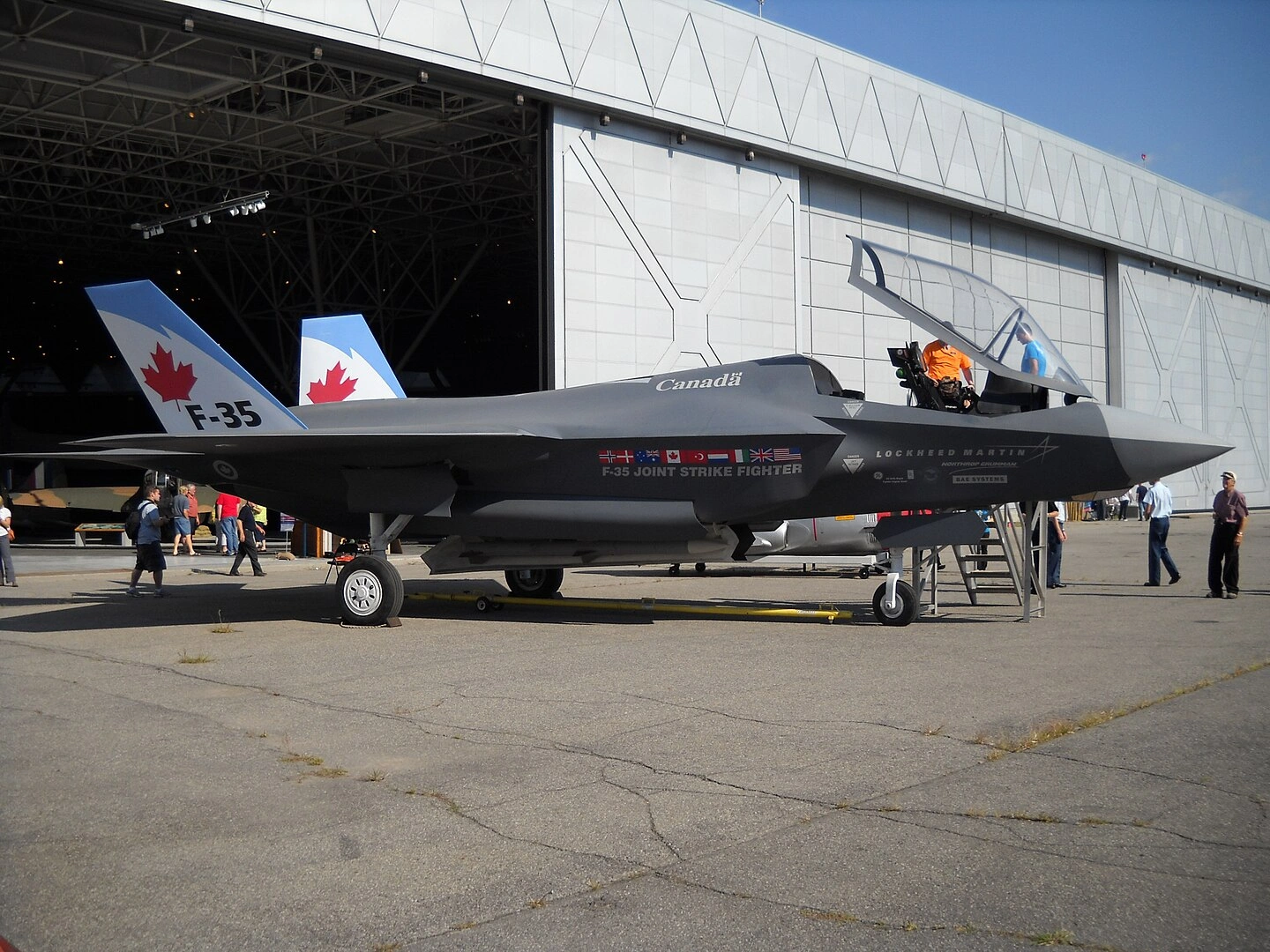
OTTAWA- The Royal Canadian Air Force’s (RCAF) first F-35A Lightning II has completed its maiden flight at Naval Air Station Joint Reserve Base Fort Worth (FWH), Fort Worth, Texas.
The aircraft, construction number AR-1, flew for the first time on September 23, 2026, and will enter Canadian service as the CF-35A. The flight marks a major production milestone for Canada’s program to replace its CF-188 Hornet fleet.
First Canadian F-35A Takes to Air
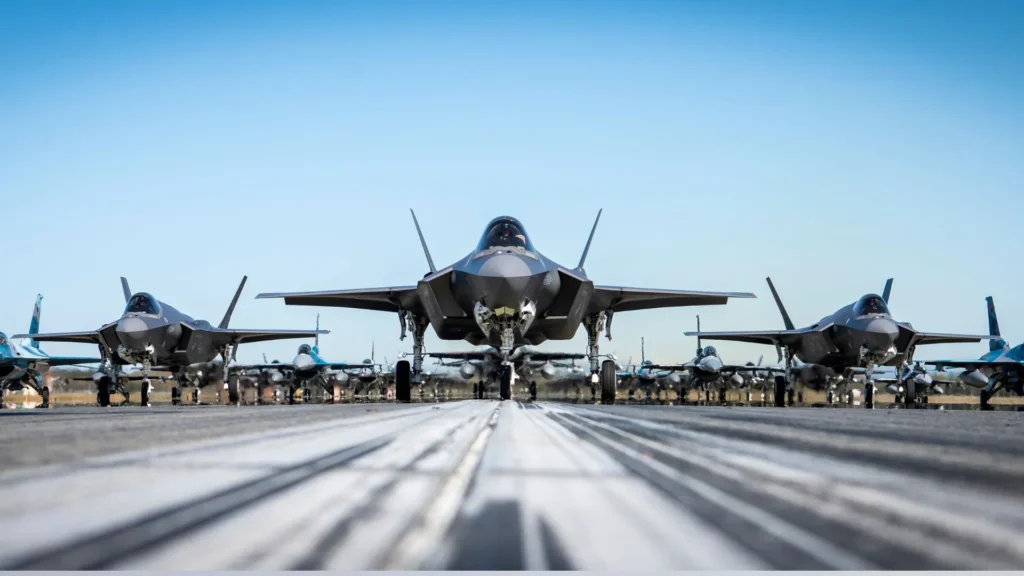
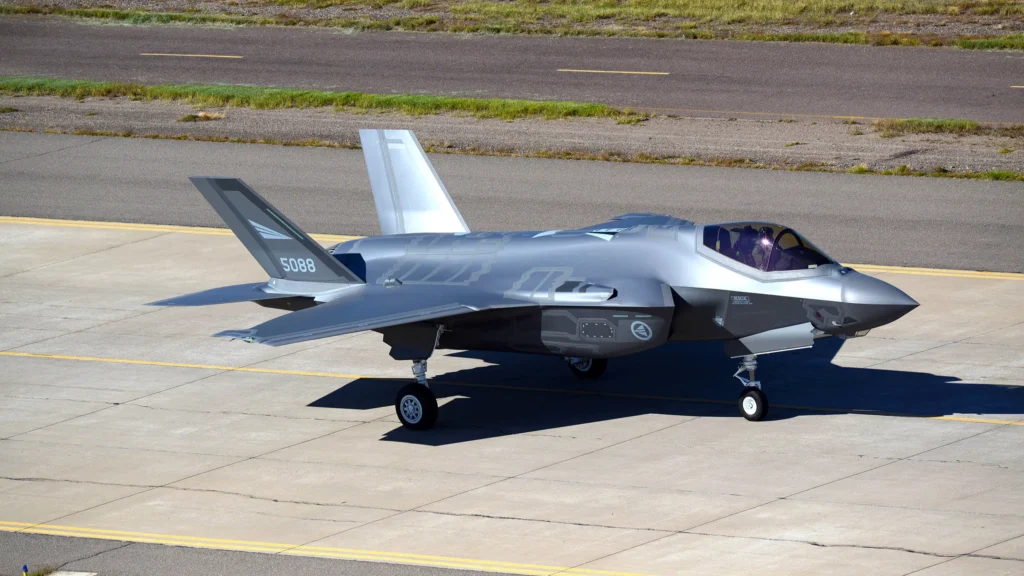
Canada’s first F-35A Lightning II completed its maiden flight from Naval Air Station Joint Reserve Base Fort Worth in Texas, where Lockheed Martin produces the aircraft. The flight began at about 12:00 PM local time on September 23, 2026, and an F-35C accompanied the Canadian aircraft as a safety chase.
The flight lasted about 90 minutes. Photographer Tori Mae Fontana documented the aircraft on landing, while Gherardo and Victoria Fontana provided photographs used in the report. The Aviationist reported the flight and published the accompanying images from the maiden sortie.
Construction number AR-1 identifies the aircraft as the first Canadian F-35A produced under the program. Although the aircraft is known as the F-35A during production, Canada plans to designate it the CF-35A once it enters Royal Canadian Air Force service.
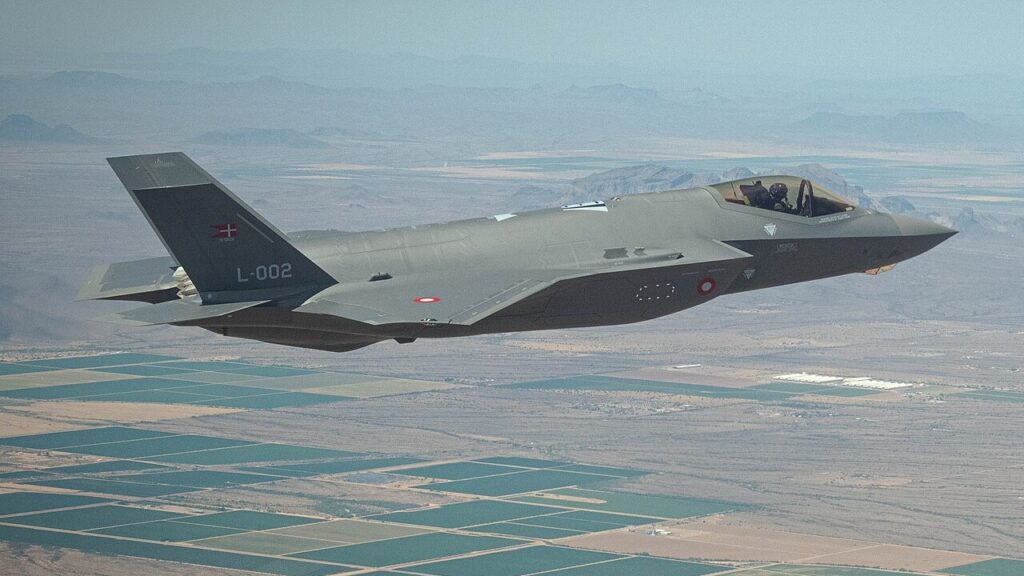
The aircraft had already received its full Canadian markings before its first flight. The markings follow elements associated with the RCAF’s existing CF-188 Hornet fleet.
The exterior of the engine intakes carries the bilingual RCAF-ARC designation for Royal Canadian Air Force and Aviation royale canadienne. The Canadian roundel is positioned alongside the markings.
The word Canada appears behind the cockpit, while the vertical tail carries a low-visibility Canadian flag. These details distinguish the aircraft from standard US F-35A production aircraft while maintaining a recognizable Canadian identity.
Canada’s Long Association With F-35 Program
Canada’s involvement with the Joint Strike Fighter program predates its decision to purchase the F-35A.
Canada participated in the development effort as an informed partner during the late 1990s and became a Level 3 partner in 2002 during the System Development and Demonstration phase.
That partnership did not immediately lead to a Canadian purchase of the fifth-generation fighter. Canada later moved to a competitive procurement process through the Future Fighter Capability Project (FFCP), which was launched in 2017 to replace the RCAF’s legacy CF-188 Hornets, the Canadian designation for the F/A-18.
Canada selected the F-35A in 2022, and the federal government finalized the acquisition agreement on January 9, 2023.
The agreement covered 88 F-35A aircraft and carried an estimated investment of C$19 billion at the time, including associated equipment, sustainment setup and services, and Fighter Squadron Facilities at Cold Lake and Bagotville. The government described it as the largest investment in the RCAF in more than 30 years.

Procurement Review Raised Questions
The F-35 acquisition later came under review amid changing Canada-US relations. On March 14, 2025, Prime Minister Mark Carney announced a review of the F-35 acquisition to determine whether it remained the best choice for Canada. The review covers operational needs, NORAD and NATO commitments, industrial benefits, strategic partnerships and possible alternatives.
Then-Defence Minister Bill Blair said in March 2025 that Canada was examining what best served the country’s defence needs. He also indicated that future purchases could potentially involve European suppliers, creating uncertainty around the full 88-aircraft plan.
The review did not stop production of the initial aircraft. In October 2025, Secretary of State for Defence Procurement Stephen Fuhr said the government did not appear to be moving toward exiting the contract for the 16 aircraft already being manufactured.
A later government spokesperson clarified that Canada was contractually obligated to 16 aircraft, which were in various stages of production, while a decision on the full program remained under review.
Canada had already paid in full for four aircraft, while parts for another eight had been purchased, according to the October 2025 reporting. The 16-aircraft commitment therefore remained separate from the unresolved decision over the remaining 72 aircraft.
The 88 Aircraft Plan and the CF-188 Replacement
The original procurement calls for 88 F-35A fighters to replace the RCAF’s CF-188 fleet. The Canadian government planned to acquire the aircraft in tranches, beginning with the initial 16 aircraft.
The transition has been structured to keep the CF-188 fleet available while Canada introduces the F-35A. Government planning calls for the CF-18 Hornet fleet to remain operational through its scheduled retirement in 2032.
This overlap gives Canada time to train personnel, complete infrastructure and establish the support system required for F-35 operations before the older fighter fleet leaves service.
First F-35s Head to Luke Air Force Base
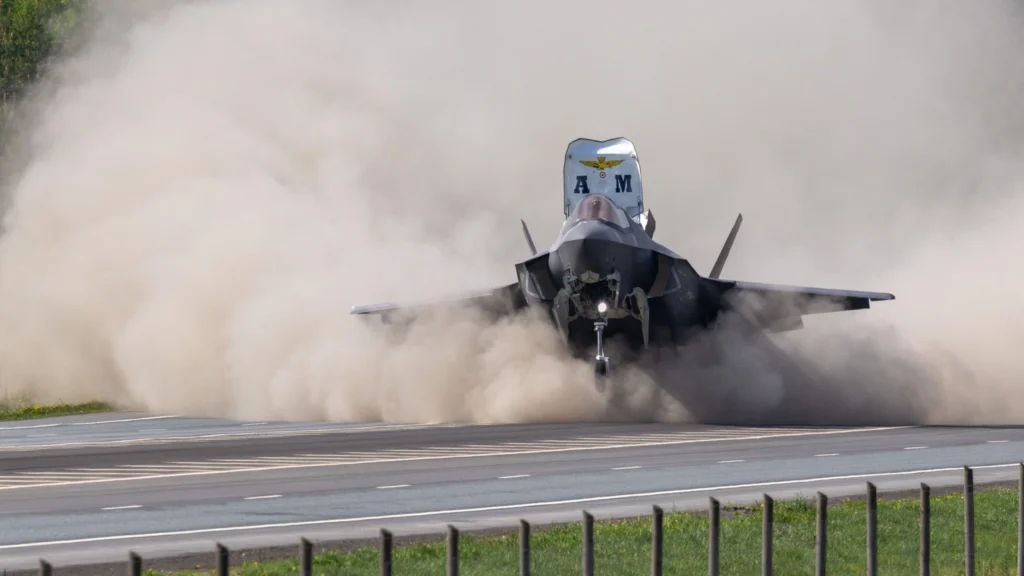
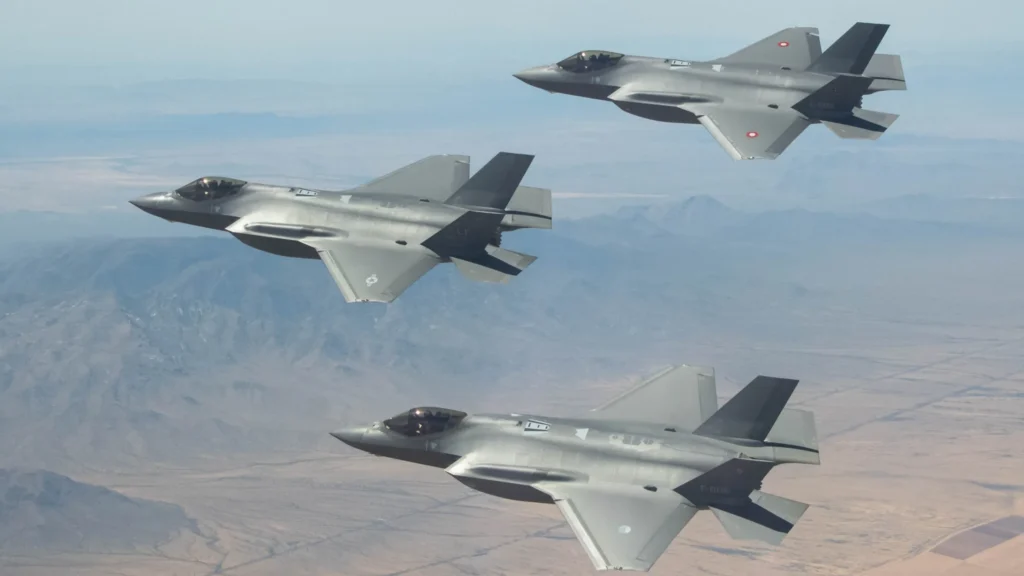
Canada’s initial F-35A aircraft will first operate from Luke Air Force Base (LUF), Arizona, rather than immediately moving to Canada.
The first 8 aircraft are intended to support the training of Canadian pilots while the Department of National Defence completes the infrastructure required for F-35 operations in Canada.
The current government project timeline lists the first aircraft delivery in the United States in 2026, followed by the first arrival in Canada in 2028. The first aircraft arriving on Canadian soil is planned for Canadian Forces Base Cold Lake, Alberta.
The Aviationist’s September 2026 report stated that Canada expected the first F-35 to be delivered by the end of 2026.
The aircraft’s initial location in Arizona will allow Canadian pilots to begin training before the fleet moves into Canadian operational infrastructure.
Operational Milestones Through 2030s
Canada’s published FFCP schedule places Initial Operational Capability in 2029-2030 and Full Operational Capability in 2032-2034. The current government project page also states that the F-35 fleet is expected to remain in service beyond 2060.
The transition therefore extends well beyond the first aircraft delivery. Canada must complete pilot and maintainer training, infrastructure, weapons integration, information-technology systems, and sustainment arrangements before the F-35A becomes a fully operational replacement for the CF-188.
Infrastructure Work Continues in Canada
F-35 operations require new and upgraded facilities at Canada’s main fighter bases in Cold Lake, Alberta, and Bagotville, Quebec. The infrastructure program includes facilities needed for aircraft operations, maintenance, security and support.
The federal government has also been developing specialized facilities at Cold Lake. In January 2025, Canada awarded a C$15.8 million contract for secure enclosures forming part of a Tactical-Special Access Program Facility, with delivery planned between September 2026 and May 2027.
The government identified the facility as an infrastructure component supporting the first F-35A arrival in Canada in 2028.
Canada also identified L3Harris MAS in Mirabel, Quebec, as a strategic partner to investigate requirements for an F-35 air vehicle depot capable of maintenance, repair, overhaul and upgrades.
Program Cost Has Increased
The F-35 program’s financial estimate has also increased since the original C$19 billion figure. Current Canadian government material lists a C$27.7 billion budget for the program, including the 88 aircraft, associated equipment, sustainment setup and services, and Fighter Squadron Facilities.
The Auditor General’s review identified significant cost increases, infrastructure delays, pilot shortages, and weaknesses in project risk management.
The audit also found that Canada faced engineering and personnel challenges during the transition from the CF-18 to the CF-35A.
These findings provide additional context for the continuing procurement review and the work required before Canada reaches full F-35 operational capability.
What Maiden Flight Means for Canada
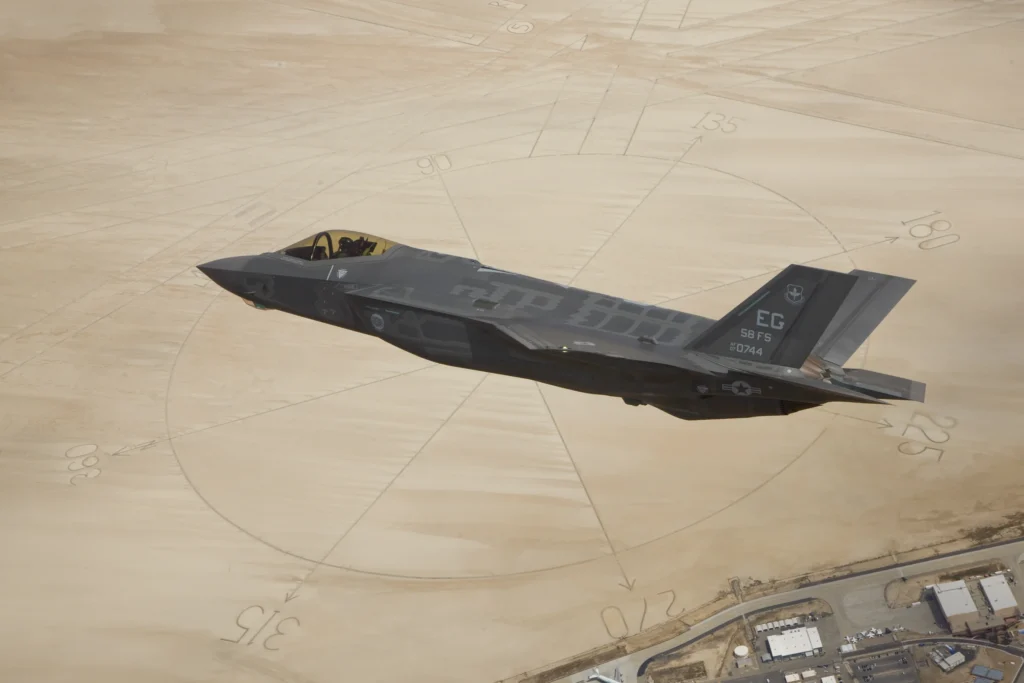
The September 23 flight does not mean the CF-35A has entered operational service. It marks the movement of Canada’s first aircraft from final production into flight testing and represents a concrete step toward the planned delivery and training phases.
The milestone also shows that production of the initial Canadian aircraft is proceeding despite the unresolved question surrounding the remaining 72 jets.
The current commitment covers 16 aircraft, while the Canadian government continues to maintain the broader 88-aircraft acquisition framework in its published project material.
The next stages include completion of flight testing, delivery to Luke Air Force Base, Canadian pilot and maintainer training, continued infrastructure work and the eventual arrival of F-35A aircraft in Canada.
The long-term objective remains a phased transition from the CF-188 fleet to the CF-35A under the published 2029-2034 operational schedule.
Stay tuned with us. Further, follow us on social media for the latest updates.
Join us on Telegram Group for the Latest Aviation Updates. Subsequently, follow us on Google News
