

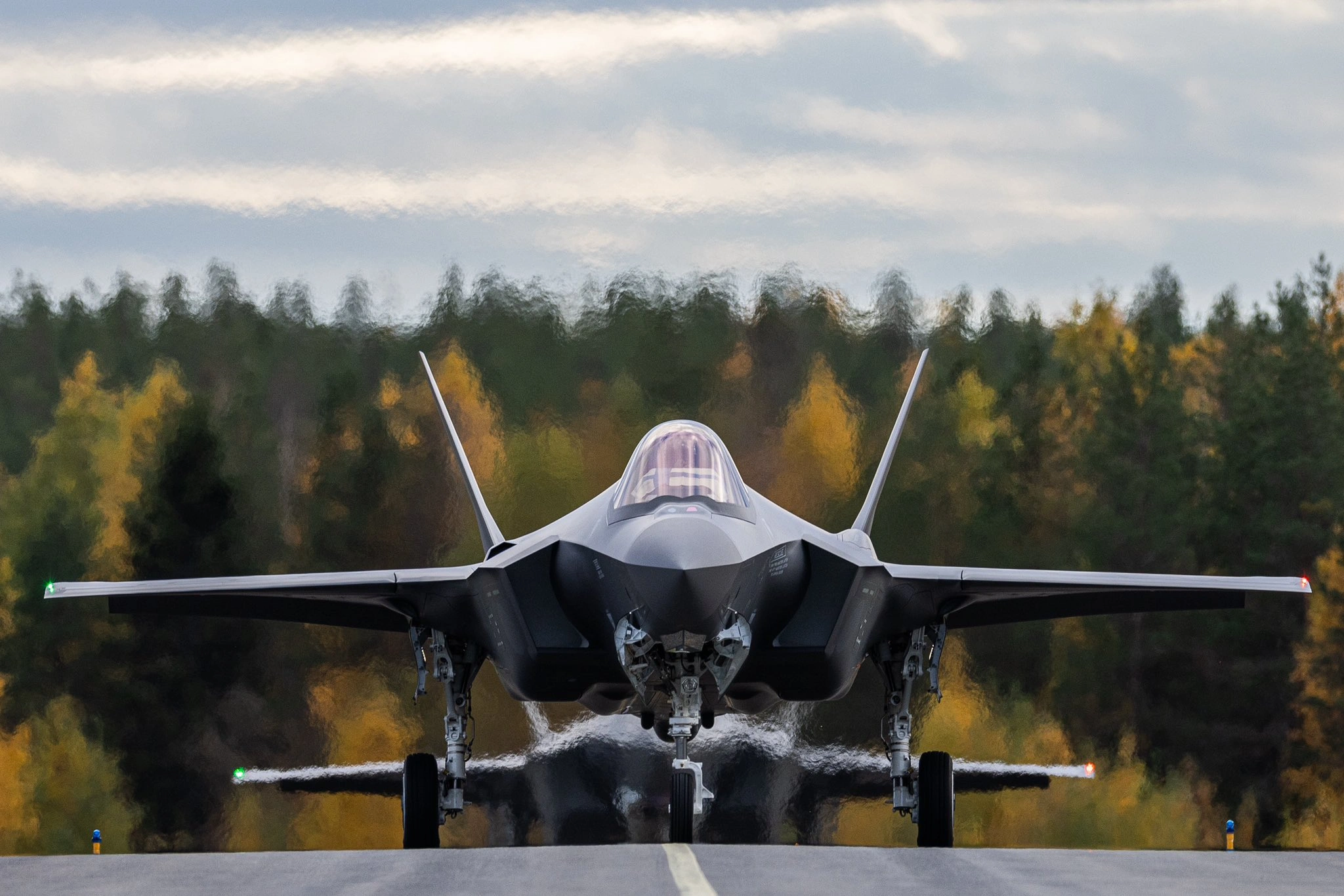
OTTAWA- The Royal Canadian Air Force (RCAF) has received its first 2 Lockheed Martin F-35A Lightning II fighter aircraft.
The aircraft, serial numbers 35A001 and 35A002, were handed over on 22 October 2026 at Luke Air Force Base (LUF), Glendale, Arizona, for Canadian pilot and maintenance training.
Canada’s planned acquisition of 88 F-35 fighters remains under government review as its ageing CF-18 Hornet fleet approaches retirement in 2032.
The first aircraft intended for operations in Canada are scheduled to arrive at Canadian Forces Base Cold Lake (YOD), Alberta, in 2028, while Swedish manufacturer Saab continues promoting its Gripen E as an alternative or complementary fighter.
RCAF Races to Modernise Its Air Combat Fleet
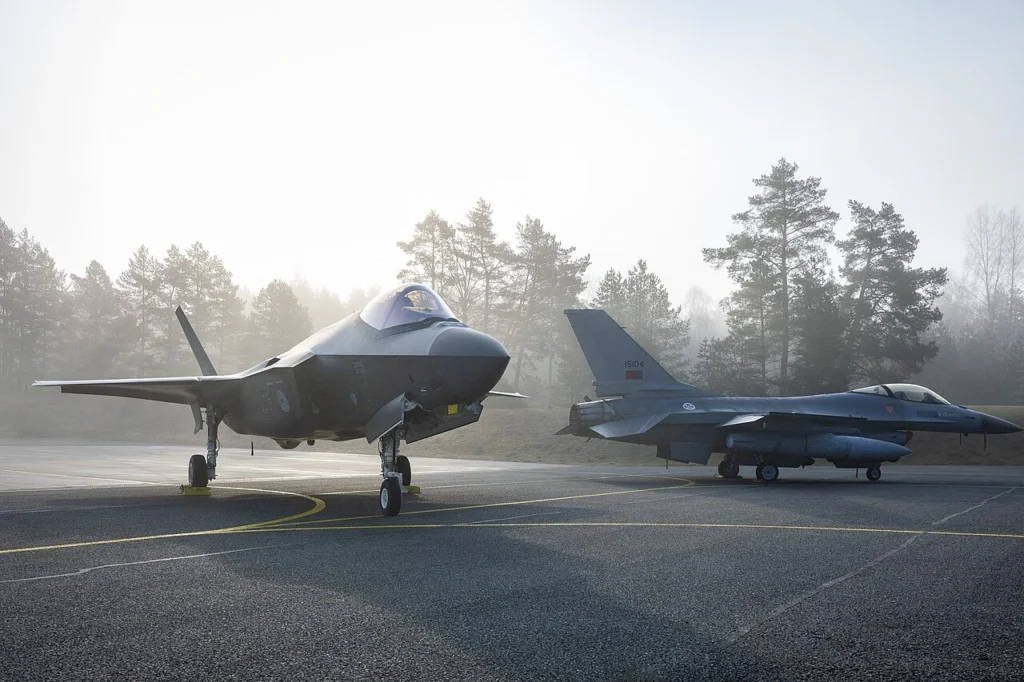
Canada is in a race against time to modernise its air combat fleet. Uncertainty remains over Ottawa’s full Hornet replacement plan, and a final decision is needed soon as the air force prepares for a future beyond a CF-18 fleet that is becoming “increasingly operationally irrelevant.”
Canada selected the fifth-generation stealth F-35 in January 2023 to meet an expected requirement of 88 aircraft.
Flight Global reports that Lockheed Martin formally handed over the first two jets, numbered 35A001 and 002.
Both aircraft will support pilot and maintainer training at Luke AFB, where Canada plans to base its first eight F-35As through 2027. Ottawa’s lead F-35A recently arrived there to support these training activities.
Prime Minister Mark Carney ordered a review of the acquisition in March 2025, and the status of the full recapitalisation effort is still uncertain.
The review comes amid a dispute between the US and Canadian governments, stoked by US President Donald Trump’s imposition of tariffs and expansionist ambitions towards Canada. Carney holds responsibility for deciding the remainder of the future fighter deal.
An official speaking at the Defence iQ International Fighter Conference in Munich said: “Negotiations are going on” and “it’s very much an issue of the Canada-US trade discussions.”
The official added that “the F-35 handily won the future fighter capability competition” and called it “the preferred platform for Canada’s defence needs.” The remarks were made under the event’s Chatham House reporting rules.
Confirmed Orders Cover 30 of 88 Jets
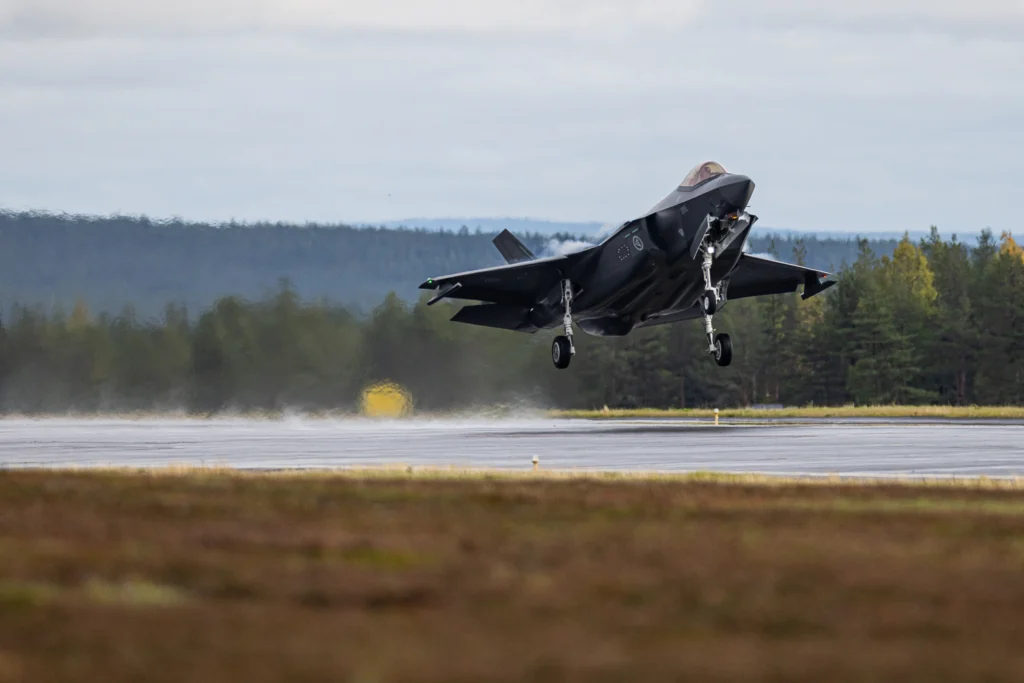
Canada was understood to have placed firm orders for its first 16 F-35As, and other public reports also describe 16 aircraft as committed. The official gave a different figure: “We’re actually on record for 12 F-35s.”
“It’s been erroneously reported in many news services as 16. It’s 12: four aircraft in [production] Lot 18, four in Lot 19 and four in Lot 20,” the official said. “And then we’ve got commitments on long-lead items on a subsequent 18.”
Together, these commitments cover 30 of the 88 F-35As Ottawa intends to buy.
Delivery Timeline for Frontline Jets
The RCAF’s first frontline F-35As are due at its Cold Lake base in Alberta during 2028.
The lead squadron is planned to reach initial operational capability in 2029. Full operational capability is expected in 2032 or 2033, according to the official.
Saab Offers a Mixed Fleet With Gripen E
The dispute has opened a potential opportunity for Swedish airframer Saab. The company argues that a mixed fleet of F-35As and Gripen Es would deliver operational and affordability benefits for the RCAF.
On 27 October, Saab detailed a proposed industrial partnership with three Canadian companies. All arrangements depend on Canada choosing the Gripen E.
- CAE: Pilot and technician training, mission systems engineering, and support and sustainment.
- IMP Aerospace & Defence: A Canadian final assembly line, electrical assembly production and in-service support.
- Magellan Aerospace: Local manufacturing of advanced aerostructures, composite structures and structural assemblies.
The official outlined the difficulties a split buy would create. “The mixed fleet discussion in Canada is particularly challenging for an air force with only 12,000 people that is on a knife-edge timeline to transition from a rapidly decaying CF-18 fleet to a new F-35 fleet,” they said.
“To introduce a new transition point in there would be extremely challenging for our air force to execute.”
CF-18 Fleet Reaches End of Life
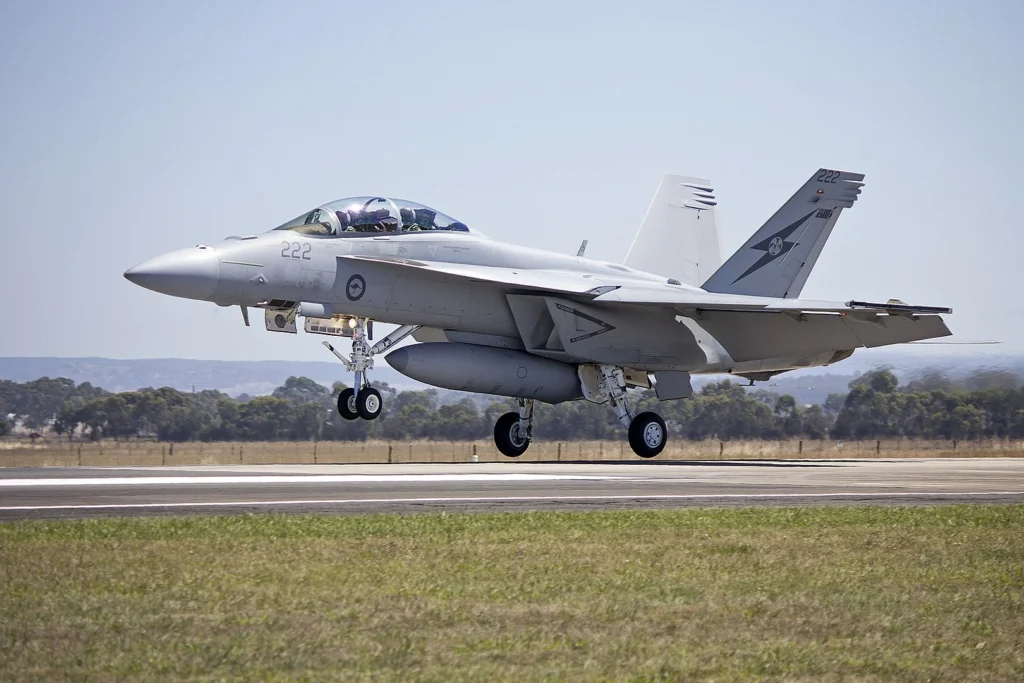
Ottawa modernised the avionics on 88 of its CF-18A/Bs. It then funded a Phase 2 upgrade to bring 36 of those jets to a standard capable of bridging the period until the type’s retirement, which was pegged for 2032 at that time.
The official said the airframes have little life left. “We can squeeze no more [life] out of an airplane that is 40 to 45 years old and is achieving its end of life from a fatigue point of view and is also becoming increasingly operationally irrelevant.”
Fleet numbers are falling each year. “The F-18 is rapidly leaving service,” the official said. Then: “we’re down to 71 CF-18s now from an initial buy of 138, and about five to six of them are retiring every year.”
GCAP and Sixth-Generation Plans
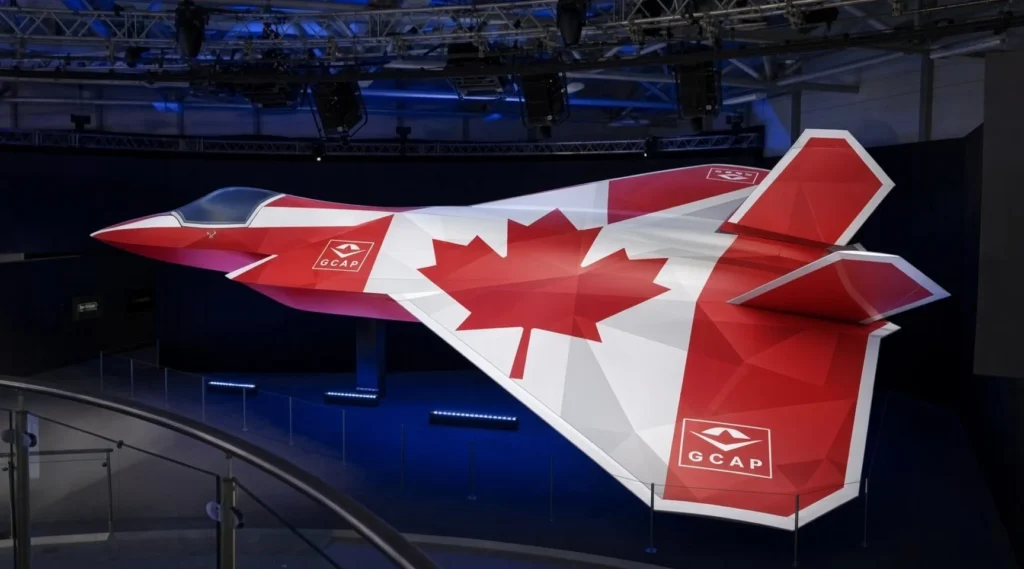
The official described the work needed once the CF-18s leave service. “By 2032 to 2033 there are none left in service, so we need to rapidly do the transition, build the infrastructure, develop the entire backbone necessary for fifth-generation operations, and then think about what our sixth-generation plan is in terms of ACPs and a sixth-generation fighter such as the GCAP.”
Canada announced its intention to take observer status on GCAP on 21 July during the Farnborough air show. GCAP is a joint effort between Italy, Japan and the UK, and observer status does not make Canada a full member.
The arrangement is about to be finalised. “After 12 to 18 months of observing, our government will make a decision about whether to join that sixth-generation programme or not,” the official said.
BAE Systems and Bombardier Sign MoU
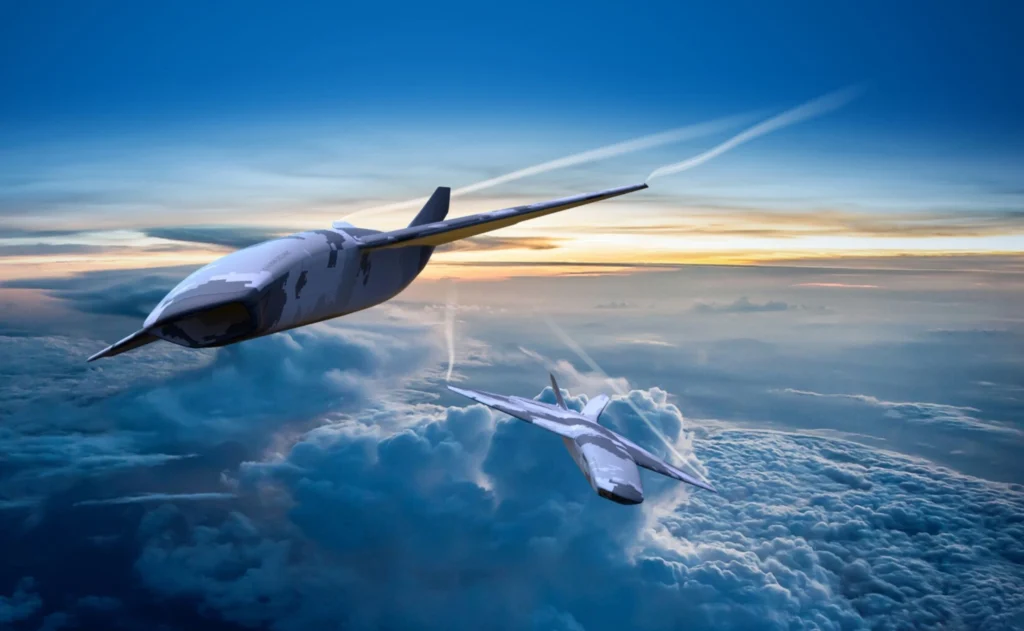
BAE Systems and Bombardier signed a memorandum of understanding on 28 October to collaborate on developing advanced air combat technologies.
Areas of focus may include aircraft and mission-system design, systems integration, digital engineering, advanced manufacturing and long-term product support.
The agreement does not name a specific aircraft programme.
Stay tuned with us. Further, follow us on social media for the latest updates.
Join us on Telegram Group for the Latest Aviation Updates. Subsequently, follow us on Google News
