

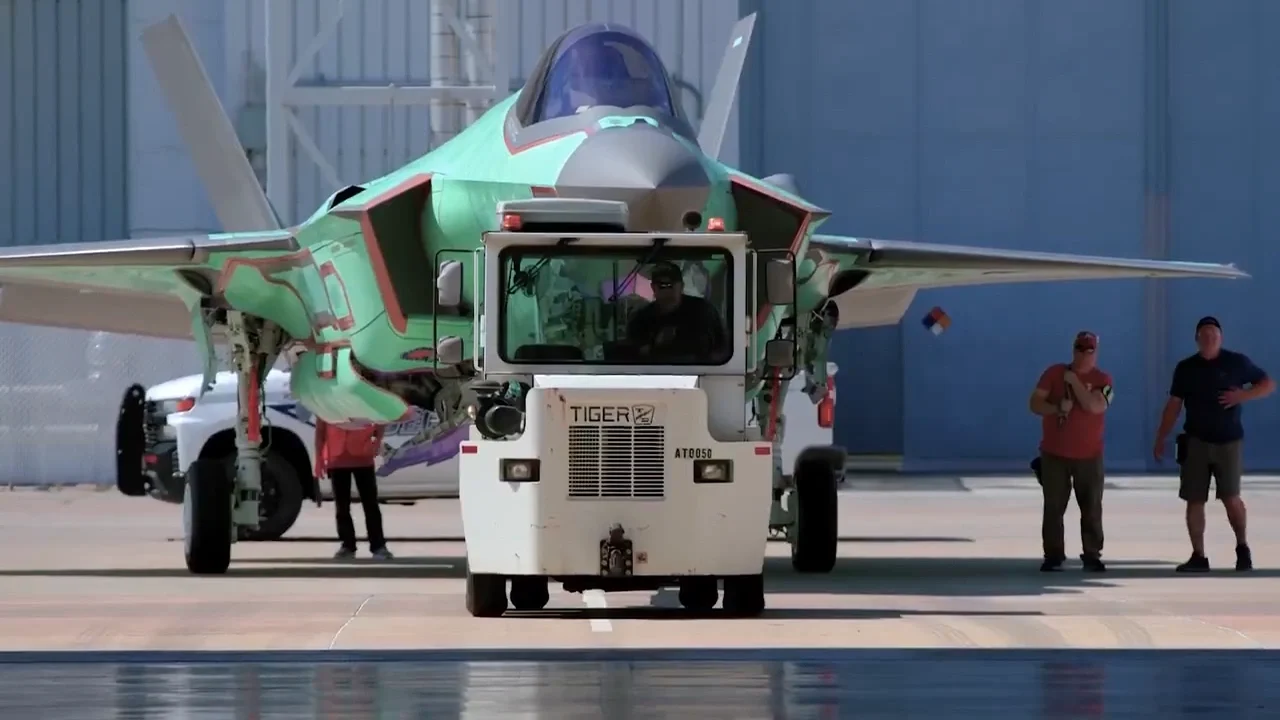
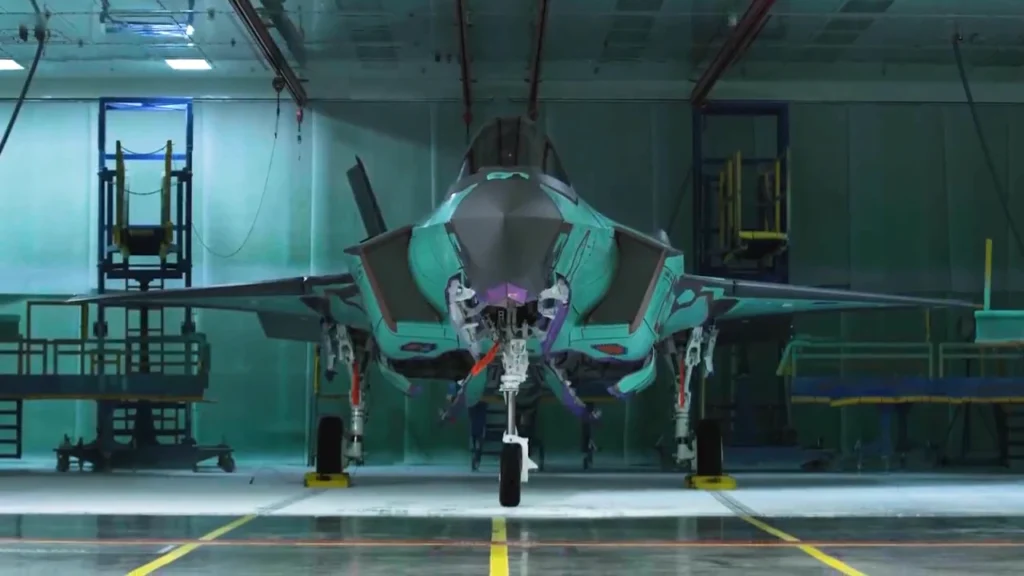
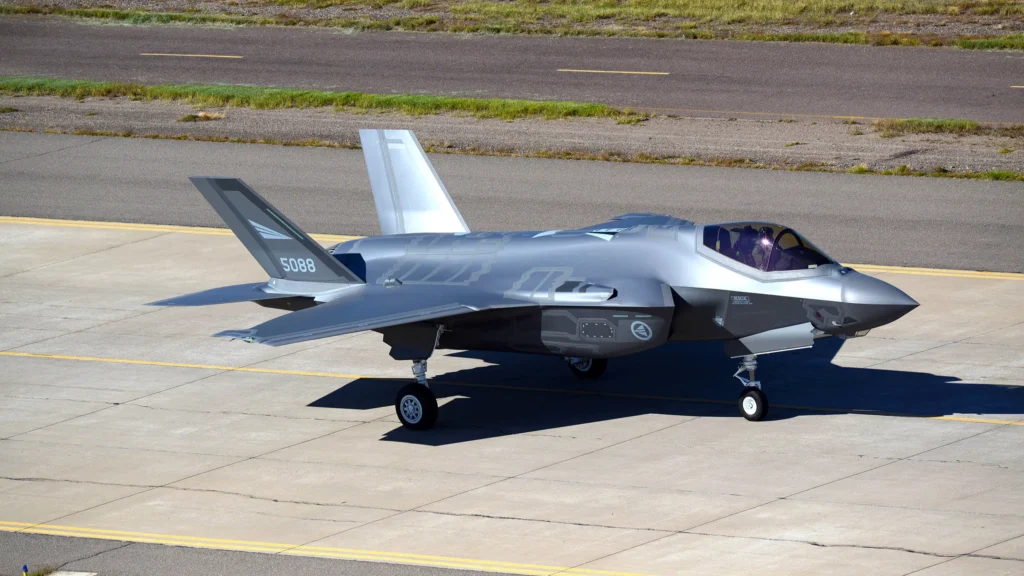
FORT WORTH, TEXAS- Germany’s first Lockheed Martin F-35A Lightning II fighter has entered the Aircraft Final Finishes phase at the company’s production facility in Fort Worth, Texas, marking another milestone before its delivery to the German Air Force.
The aircraft, designated MG-01, is expected to complete rollout and flight testing later this year before joining Germany’s fleet. The first eight aircraft will initially operate from Ebbing Air National Guard Base, Fort Smith (FSM), United States, where German pilots and maintenance crews will undergo training before the jets move to Büchel Air Base in Germany.
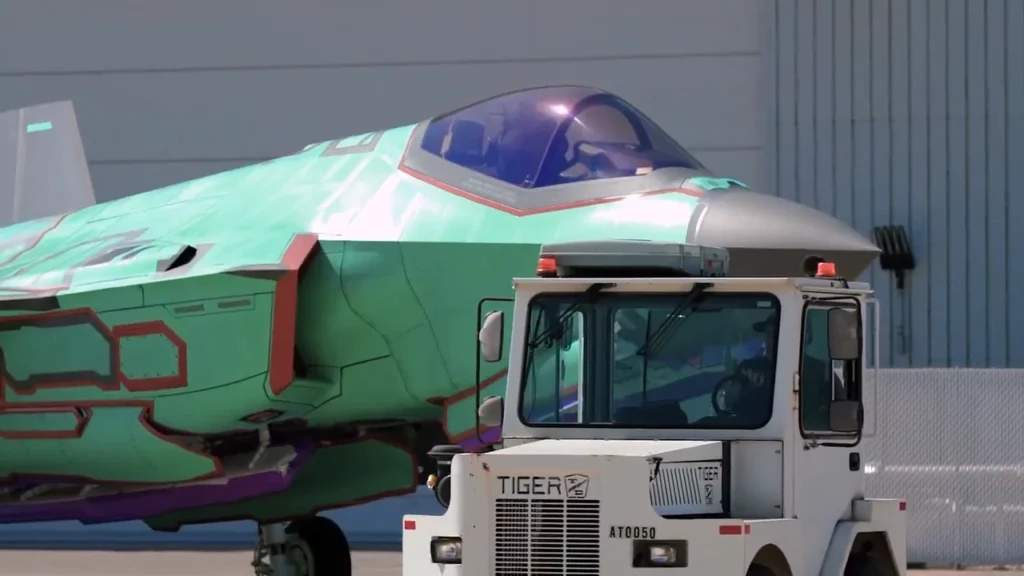
Germany’s First F-35A Nears Delivery Milestone
Lockheed Martin announced that Germany’s first F-35A Lightning II, designated MG-01, has progressed into the Aircraft Final Finishes stage at its Fort Worth production facility. During this phase, the aircraft receives its final paint scheme and specialized low observable stealth coating before entering ground testing and flight evaluation.
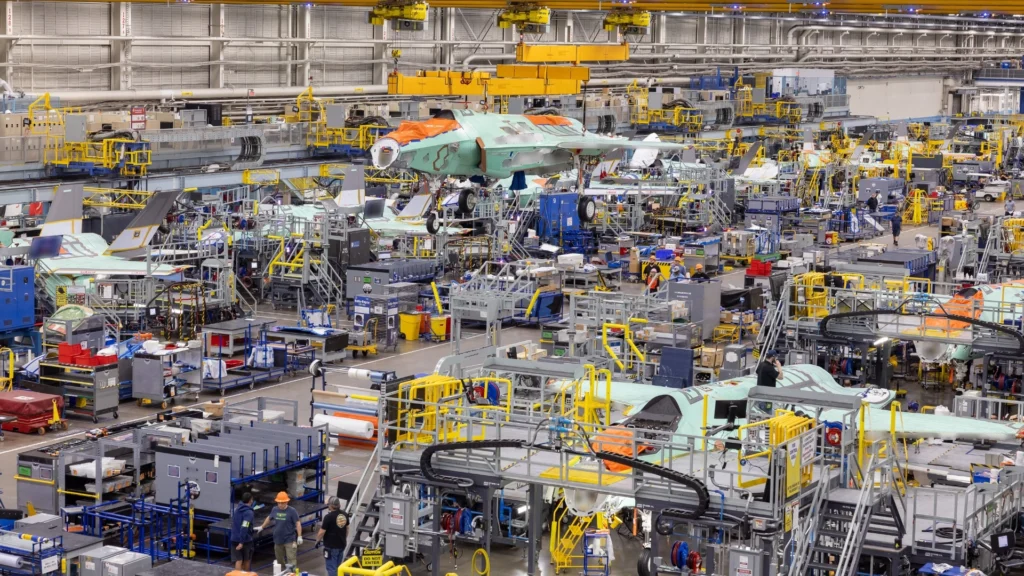
The milestone follows the aircraft’s entry into final assembly in March 2026, when engineers joined the wing, forward, center, and aft fuselage sections. Installation of the Pratt & Whitney F135-PW-100 engine was completed in early June.
MG-01 is the first aircraft from Germany’s order of 35 F-35A fighters purchased through the United States Foreign Military Sales (FMS) program. The intergovernmental Letter of Offer and Acceptance for the acquisition was approved in December 2022.
Following its rollout ceremony and maiden flight later this year, the aircraft will be formally delivered to the Luftwaffe.
Training Program Before German Deployment
Germany has adopted a phased induction plan for its new fifth-generation fighter fleet.
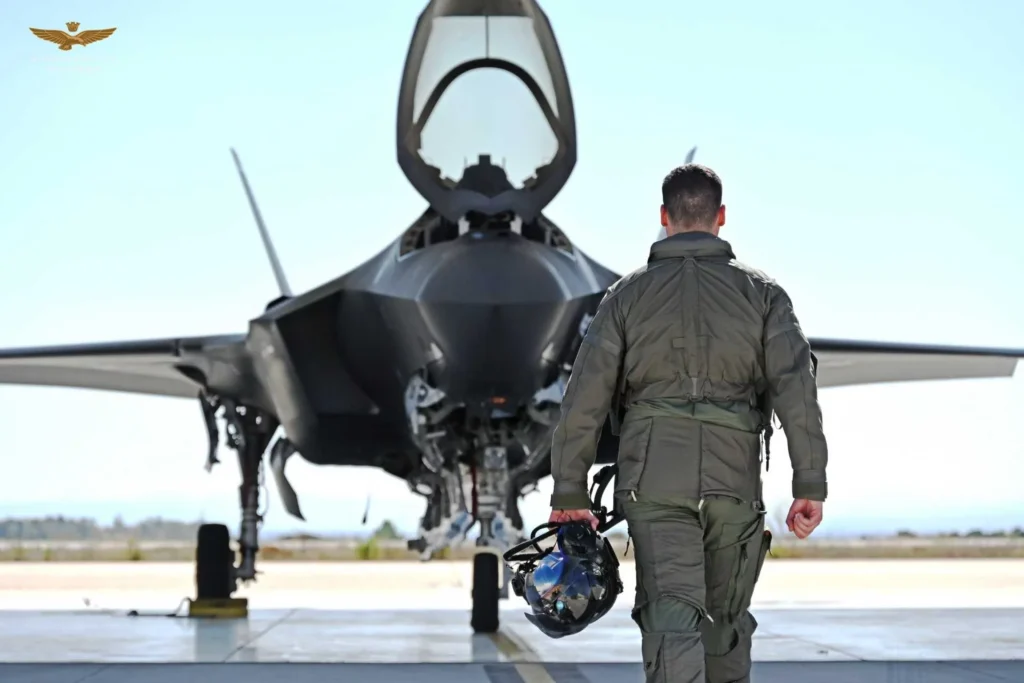
The first eight F-35A aircraft will remain at Ebbing Air National Guard Base in Fort Smith, Arkansas, where German pilots, technicians, and maintenance personnel will complete operational conversion training alongside United States Air Force instructors and personnel from other allied F-35 operators.
This training phase allows German crews to become fully qualified before the aircraft are transferred to Büchel Air Base, Germany’s future F-35 operating location, which is expected by late 2027.
Initial evaluation flights and acceptance testing for MG-01 are scheduled later this year to validate aircraft performance before formal delivery.
Replacing Germany’s Panavia Tornado Fleet
The F-35A acquisition represents one of Germany’s largest military aviation modernization programs in decades.
The aircraft will replace the Luftwaffe’s aging Panavia Tornado fleet, which has served Germany for more than four decades.
Structural production of Germany’s first F-35 began at Lockheed Martin’s Marietta, Georgia facility in December 2024 before major assembly activities shifted to Fort Worth.
According to Lockheed Martin, eight German F-35A aircraft are currently in different stages of production.
Germany’s F-35 procurement also proceeded independently from the Future Combat Air System (FCAS), the joint fighter development project with France that has experienced significant delays and restructuring. Germany is now focusing on selected digital technologies while continuing with the F-35 program for its near-term operational requirements.
About the F-35 Lightning II
Built by Lockheed Martin, the F-35 Lightning II is regarded as one of the world’s most advanced fifth-generation multirole fighter aircraft.
The platform combines stealth technology, sensor fusion, electronic warfare capabilities, and network-centric operations into a single aircraft capable of conducting air superiority, strike, intelligence gathering, and reconnaissance missions.
Today, the F-35 operates with 20 partner and customer nations, making it the largest multinational combat aircraft program in the world.
More than 1,150 aircraft have been delivered globally, accumulating over one million flight hours across operational deployments, exercises, and training missions.
Global F-35 Program Continues to Expand
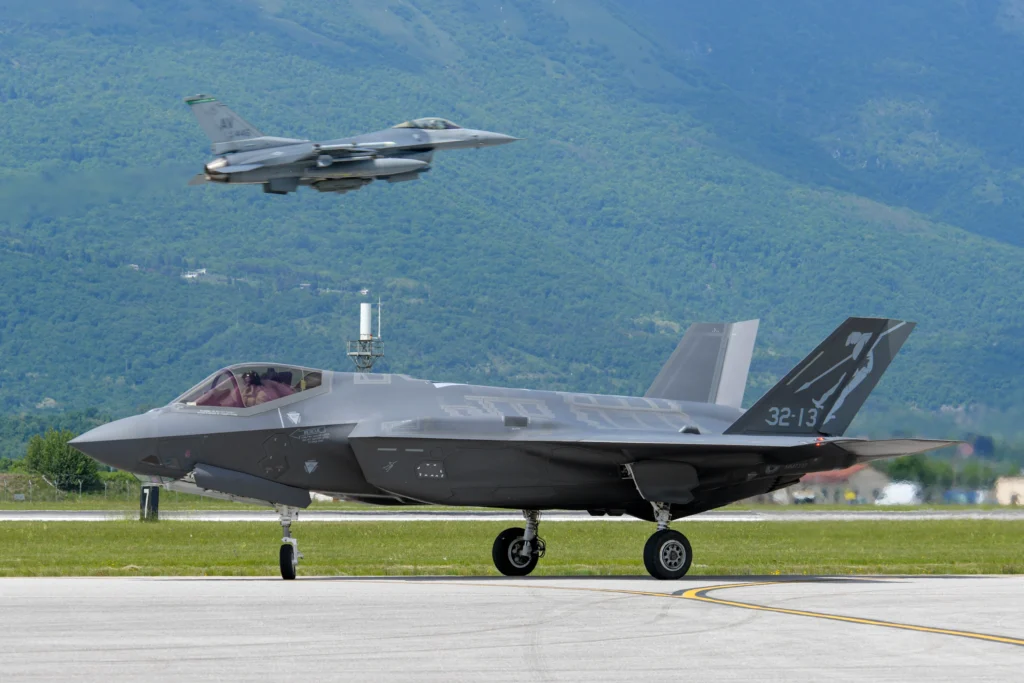
The F-35 program currently supports partner nations including the United States, United Kingdom, Italy, Netherlands, Canada, Australia, Denmark, and Norway.
Foreign Military Sales customers include Israel, Japan, South Korea, Belgium, Poland, Singapore, Finland, Switzerland, Germany, the Czech Republic, Greece, and Romania.
Production remains steady at approximately 156 aircraft annually, helping expand allied air power while maintaining interoperability across NATO and partner nations.
The aircraft’s common operating platform enables participating air forces to conduct joint missions using shared logistics, mission planning, and tactical data systems.
F-35A Technical Specifications
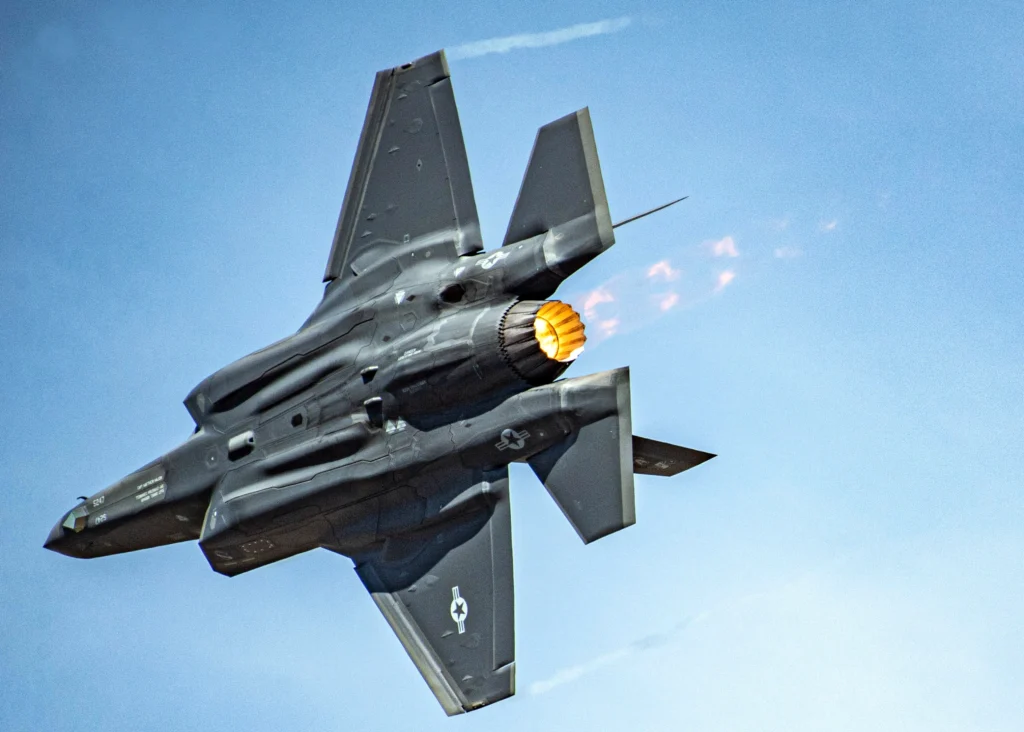
The F-35A is the conventional takeoff and landing (CTOL) version of the Lightning II family and is the most widely operated variant among international users.
| Specification | Details |
|---|---|
| Length | 51.4 ft (15.7 m) |
| Height | 14.4 ft (4.38 m) |
| Wingspan | 35 ft (10.7 m) |
| Empty Weight | 29,300 lbs |
| Internal Fuel | 18,250 lbs (8,278 kg) |
| Maximum Weapons Payload | 18,000 lbs (8,160 kg) |
| Maximum Weight | 70,000 lb class |
| Maximum Speed | Mach 1.6 (approximately 1,200 mph) |
| Combat Radius | More than 590 nautical miles |
| Internal Range | More than 1,200 nautical miles |
| Maximum G Limit | 9.0 G |
The aircraft is powered by a Pratt & Whitney F135-PW-100 turbofan engine capable of producing up to 40,000 pounds of maximum thrust.
Its standard internal weapons configuration includes a 25 mm GAU-22/A cannon, two AIM-120C/D AMRAAM air-to-air missiles, and two GBU-31 Joint Direct Attack Munitions (JDAMs).
Stealth Technology and Combat Capabilities
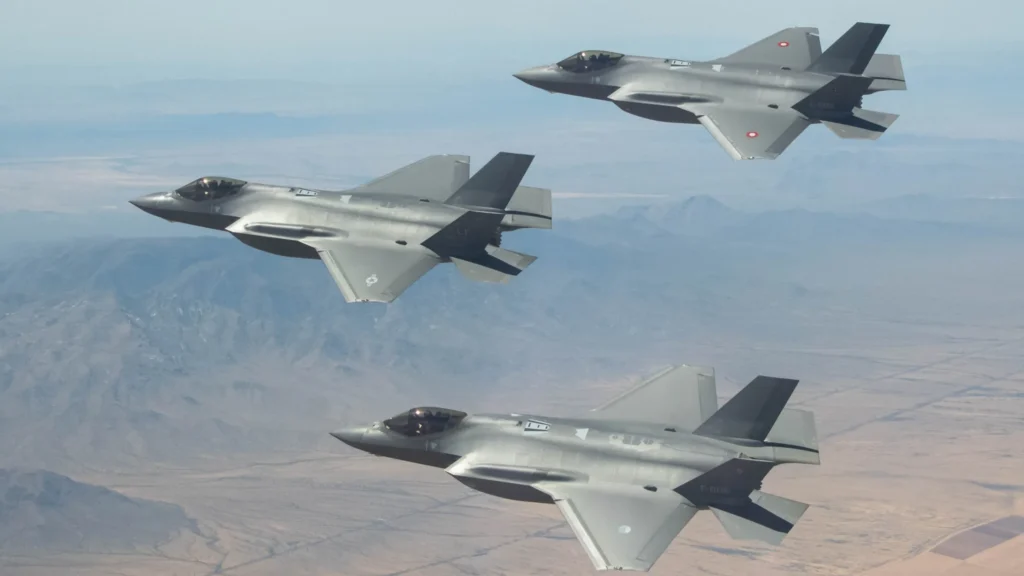
The F-35’s low observable design significantly reduces the aircraft’s radar signature rather than making it invisible.
Its stealth characteristics result from carefully aligned airframe geometry, radar absorbent coatings, internally carried weapons, embedded sensors, reduced infrared emissions, and advanced electronic warfare systems.
These technologies enable the aircraft to detect, track, identify, and engage threats while reducing the likelihood of being detected by enemy radar systems.
Lockheed Martin continues to enhance the aircraft through the Block 4 modernization program, which introduces expanded weapons integration, upgraded sensors, and improved electronic warfare capabilities.
Future operational concepts also include closer integration with artificial intelligence enabled systems and uncrewed aircraft.
Economic Impact and Long-Term Sustainment
Lockheed Martin states that it has reduced its share of the F-35’s cost per flight hour by approximately 50 percent since 2015.
The company estimates the program contributes more than $79 billion annually to the United States economy while supporting thousands of jobs across the defense industrial base.
To support global operators, Lockheed Martin maintains round-the-clock sustainment centers that assist customers with maintenance, logistics, and engineering support to keep aircraft mission ready.
The company also introduced an updated stealth coating designed to improve durability and reduce cosmetic wear caused by demanding operational environments.
Lockheed Martin and multiple F-35 operating nations have also confirmed that partner countries retain sovereign control of their aircraft. Governments independently operate their fleets and can integrate approved national weapons systems without the existence of a U.S.-controlled “kill switch.”
Stay tuned with us. Further, follow us on social media for the latest updates.
Join us on Telegram Group for the Latest Aviation Updates. Subsequently, follow us on Google News
