

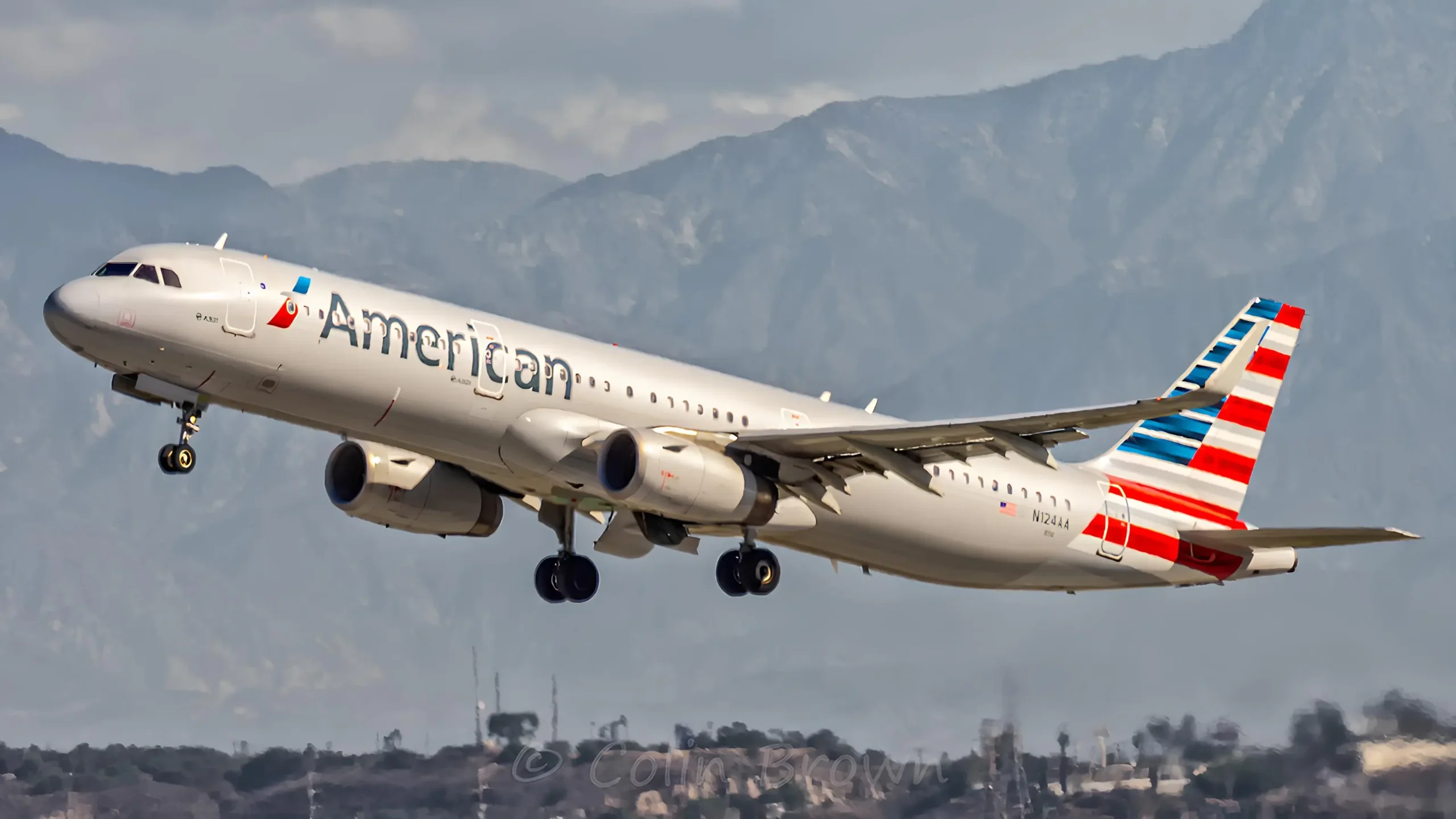
FORT WORTH- American Airlines (AA) is testing a new approach to rolling flight delays by giving passengers a more realistic estimate from the outset instead of repeatedly extending short 20 or 30 minute delays. The change is designed to give travelers clearer information when aircraft or crews are delayed elsewhere.
The pilot program is being tested at Charlotte Douglas International Airport (CLT), one of American Airlines’ major hubs. The airline expects this to be an early step in a broader review of how it manages and communicates delays.

American Airlines Rethinks How It Handles Rolling Delays
Rolling delays occur when an airline initially reports a short delay, then adds another delay after the first estimate expires.
A flight may be shown as 30 minutes late, followed by another 20 minutes and then another 20 minutes, leaving passengers waiting for hours without a dependable departure estimate.
The issue has become particularly associated with American Airlines, and the carrier is now testing whether a more direct approach can provide passengers with better information.
Rather than continuing to issue short estimates while operational teams search for alternatives, American plans to base the initial delay period on when the aircraft originally assigned to the delayed flight is expected to arrive.
The approach does not eliminate the underlying operational problem. Instead, it changes the way American communicates the likely length of the disruption.
The information was reported by aviation insider JonNYC on X, with the Charlotte pilot described as part of a wider rethink of American Airlines’ approach to delays. PYOK is credited as the source for the report covered in this article.

Why American Airlines Uses Rolling Delay Estimates
The previous approach was not necessarily intended to mislead passengers. It reflected an operational strategy in which American’s planners tried to preserve the possibility of recovering a delayed flight sooner than the original aircraft or crew schedule would allow.
Two main situations can lead to a rolling delay.
Maintenance Problems
The first occurs when an engineer is actively working on the aircraft assigned to the flight. A repair that initially appears straightforward can take longer than expected, forcing the airline to extend the delay.
Aircraft or Crew Delays
The second occurs when the aircraft or crew assigned to the flight is stuck in another city.
This type of disruption has caused particular frustration for American Airlines passengers because the location of the aircraft may provide a clear indication that the flight cannot depart as soon as the airline’s initial estimate suggests.
For example, passengers may see through FlightRadar24 that the aircraft assigned to their flight is still at least two hours of flying time away. At the gate, however, they may initially be told that the flight is delayed by only 30 minutes.
Once that 30-minute period passes, the airline may issue another 20 minute delay. That update can then be followed by another 20 minute delay, creating a cycle that leaves passengers uncertain about when the flight will actually depart.
Why Old Strategy Made Operational Sense
American’s operations managers have historically had a reason to keep the initial delay estimate short.
While the assigned aircraft or crew is delayed, planners may be able to find another aircraft or another set of crew members to operate the flight. If an alternative can be arranged, the airline may be able to depart sooner than passengers would expect based solely on the location of the originally assigned aircraft.
A short initial delay therefore gives the airline time to look for a recovery option without immediately committing passengers to the full delay associated with the original aircraft.
The problem is that these recovery efforts rarely work out often enough to prevent widespread frustration. Passengers can end up waiting through a series of optimistic estimates that repeatedly fail to hold.
Charlotte Becomes First Test Location
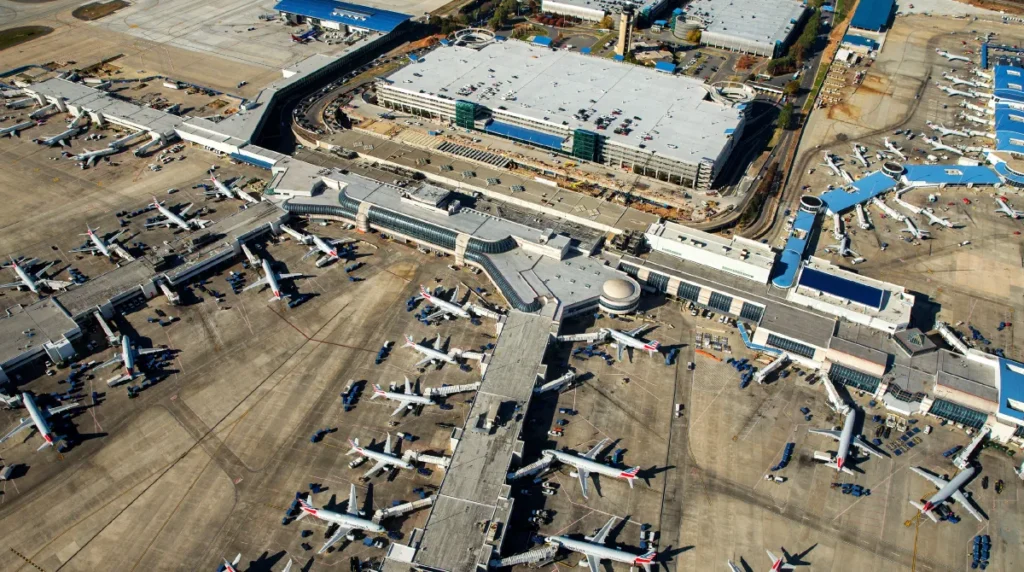
American Airlines is testing the new approach at Charlotte Douglas International Airport (CLT).
Charlotte was selected because of the scale of American’s operation there. As a major American Airlines hub, it provides a large operating environment in which the carrier can test how a different delay process works across a significant number of flights.
The pilot will report the delay based on the expected arrival time of the originally assigned aircraft rather than repeatedly resetting the estimate while American searches for another solution.
That means the initial information could be less optimistic but more realistic.
New Approach Could Affect On-Time Statistics
One important consequence is that American Airlines’ official on-time performance could appear worse under the new system.
In some cases, American may find another aircraft that could operate the flight earlier than the originally assigned aircraft. Under the pilot approach, however, the airline would still stick with the original plan and the longer delay estimate based on the assigned aircraft’s expected arrival.
As a result, a flight could remain categorized as delayed even when an alternative aircraft might have offered a faster recovery.
The potential decline in reported on-time performance is therefore a trade-off created by the new communication strategy. American would be giving passengers a realistic estimate from the start rather than maintaining a shorter estimate in the hope that an operational recovery option becomes available.

What Change Means for Passengers
For passengers, the main benefit is greater certainty.
A realistic estimate allows travelers to make decisions based on a more credible timeline. Instead of repeatedly waiting for another short delay to expire, passengers can better understand how long the disruption may last and decide how to manage their time at the airport.
This can also reduce the frustration created by repeated updates that do not match the eventual departure time.
Many other airlines already largely use a similar approach by providing a more realistic delay estimate instead of relying on repeated short extensions.
The change could therefore bring American’s passenger communication closer to a model already used across much of the industry.
Rolling Delays Will Still Happen
The pilot will not eliminate every rolling delay.
Maintenance issues can continue to take longer than expected, even when the original repair appears simple. Severe weather can also make departure times difficult to predict, while air traffic control restrictions can create delays that change as operating conditions develop.
These situations can still require airlines to revise departure estimates after an initial update.
The difference is that American aims to make the initial estimate more realistic when the cause and expected duration of a delay are already reasonably clear.
Wider Rethink
The Charlotte pilot is being described as only the first step in a broader review of American Airlines’ approach to delays.
Further changes could include more realistic scheduling, particularly on routes that are more susceptible to operational disruptions. More proactive maintenance could also help reduce the number of situations in which aircraft remain unavailable longer than expected.
The shift will also require a change in operational planning.
Instead of relying on an optimistic short-term estimate while hoping that an alternative aircraft or crew becomes available, planners would focus more heavily on providing passengers with timely and realistic information.
That approach may not make every flight depart sooner, but it can make the delay itself easier for passengers to understand and plan around.
Stay tuned with us. Further, follow us on social media for the latest updates.
Join us on Telegram Group for the Latest Aviation Updates. Subsequently, follow us on Google News
