

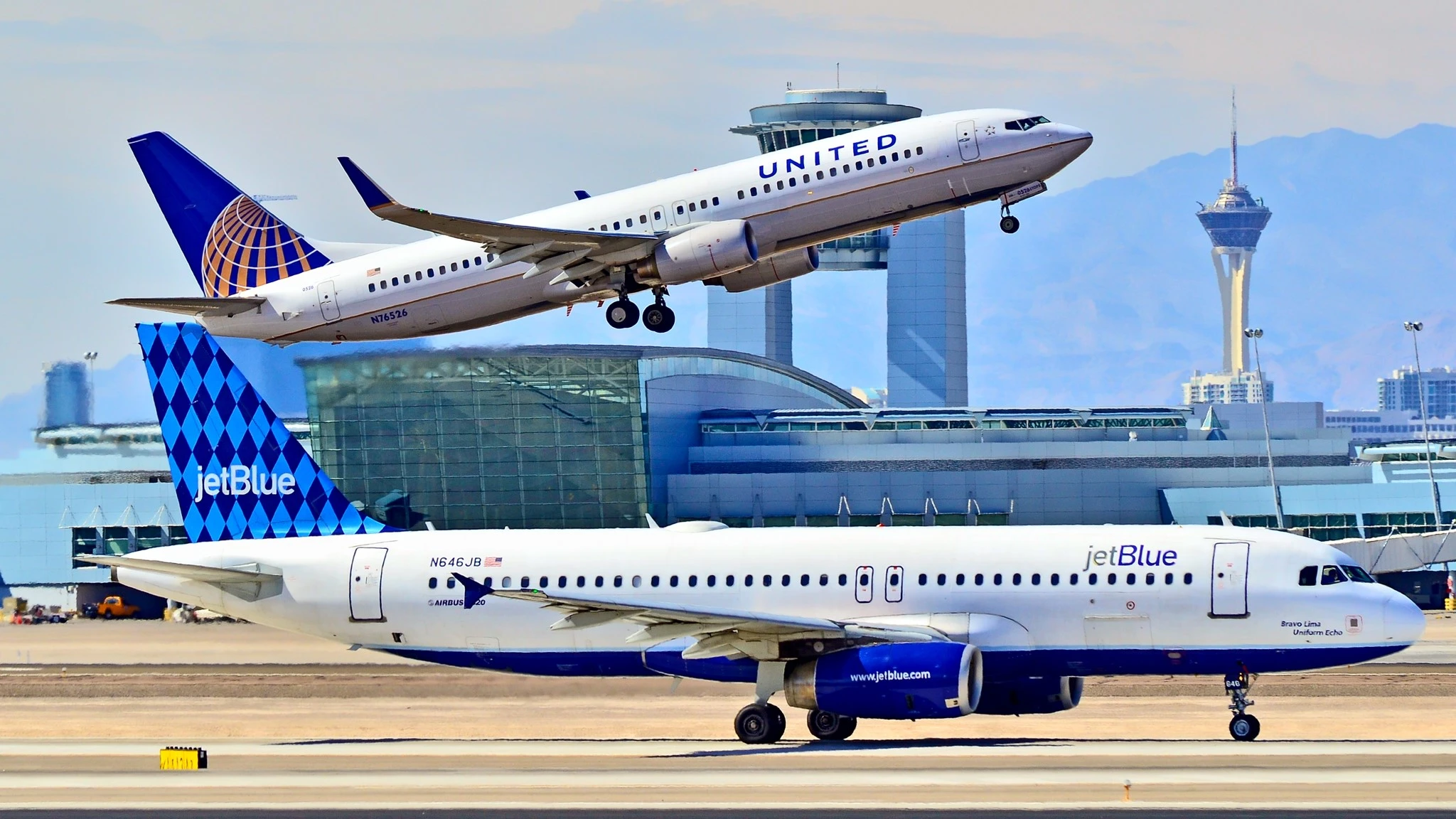
CHICAGO- United Airlines (UA) plans to return to New York JFK in 2027, nearly 5 years after ending its previous operation.
The airline aims to rebuild its presence through frequent premium flights connecting New York with Los Angeles International Airport (LAX) and San Francisco International Airport (SFO).
The return is expected to involve United’s partnership with JetBlue Airways (B6), which could provide access to valuable JFK flight slots.
However, competition from American Airlines (AA), Delta Air Lines (DL) and JetBlue raises questions about whether United can establish a profitable operation alongside its existing hub at Newark Liberty International Airport (EWR).
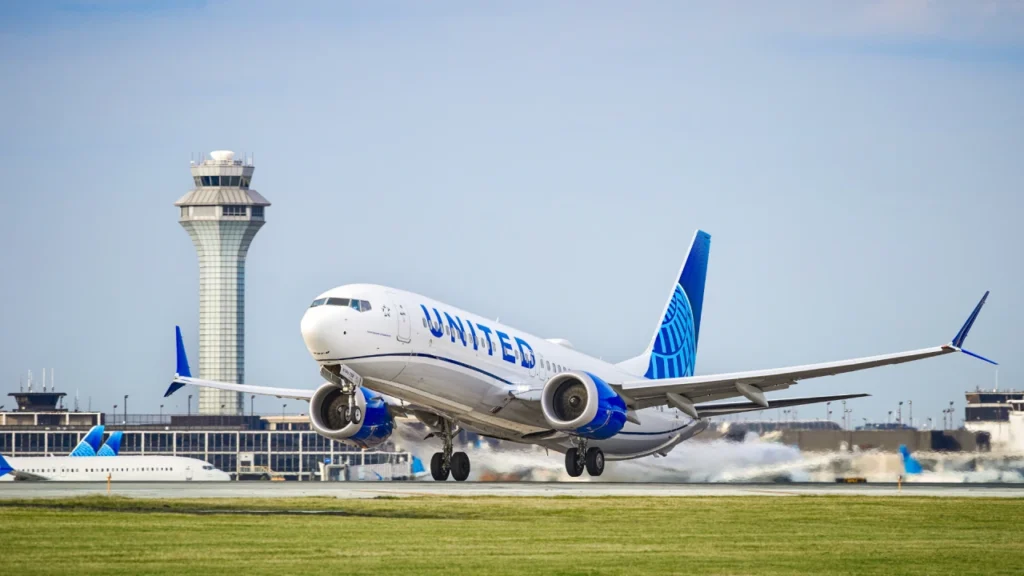
United’s Strategy to Rebuild Its JFK Operations
United previously maintained a limited JFK operation, focusing mainly on premium transcontinental flights to Los Angeles and San Francisco under its p.s. brand. These services used specially configured Boeing 757-200 aircraft with three cabin classes.
In late 2015, United discontinued these flights and consolidated its New York operations at Newark. The airline reportedly struggled to compete with American and Delta, both of which had established operations at JFK, and was losing money on the routes.
United CEO Scott Kirby has since described leaving JFK as one of the airline’s major strategic mistakes. Kirby joined United shortly after the withdrawal and has maintained his interest in returning to the airport.
United briefly restarted JFK flights in 2021 using Boeing 767-300ER aircraft. However, it withdrew again in 2022 because it could not secure permanent slots or expand the operation to a commercially sustainable level.
How JetBlue Could Help United Return
United’s Blue Sky partnership with JetBlue provides a potential solution to its airport access problem. The agreement allows JetBlue to provide United with access to up to seven daily round-trip flight slots at JFK, potentially beginning in 2027.
The partnership also includes reciprocal loyalty benefits and expanded booking options, allowing customers to access eligible flights operated by either airline.
United no longer appears interested in pursuing a merger with JetBlue. Instead, Blue Sky offers both airlines an opportunity to cooperate commercially while maintaining separate operations.
However, the arrangement raises an important question: Why would JetBlue help United enter two of its important transcontinental markets, Los Angeles and San Francisco?
As OMAAT has highlighted, JetBlue could face additional competition from United on routes that already form an important part of its New York operation.
Although the partnership offers broader network and loyalty benefits, it remains unclear whether these advantages justify giving United access to valuable JFK capacity.
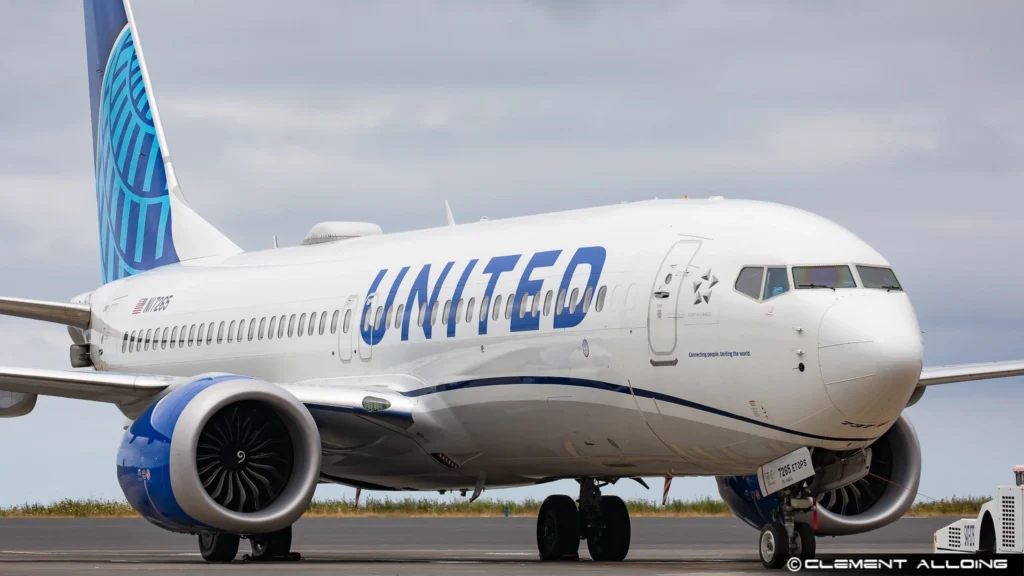
United’s Target of 20 Daily Slot Pairs
United reportedly wants as many as 20 daily slot pairs at JFK to operate frequent transcontinental services.
The JetBlue agreement could provide up to seven daily round trips, leaving United to find additional airport capacity through other opportunities.
The airline is reportedly exploring the possibility of acquiring slots from carriers with weaker profit margins at JFK. However, these slots may not offer the most attractive arrival and departure times.
This matters because premium passengers value convenient schedules, particularly on business-heavy routes. Without suitable timings, United could struggle to compete effectively with established airlines.
United’s Chief Commercial Officer Andrew Nocella has reaffirmed the airline’s intention to return to JFK in 2027. However, the final number of slots and operating schedule remain to be established.
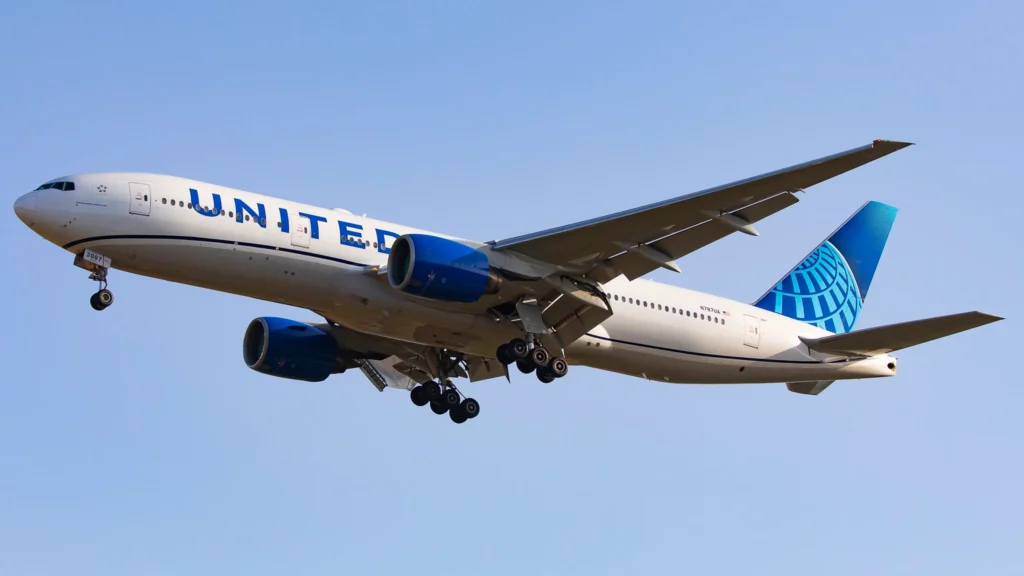
Challenges Facing United’s JFK Return
Competition From Established Airlines
JFK is already a competitive market dominated by American, Delta and JetBlue. United would enter as another major competitor without the same established customer loyalty and airport presence.
Limited slot availability could also restrict its ability to expand. This raises questions about whether United can attract enough passengers to support a high-frequency operation.
Overlap With Newark Operations
United already operates a major hub at Newark, but airline executives have different views on how much passenger demand overlaps between Newark and JFK.
Some passengers may prefer JFK because of its location or flight options, while others rely on Newark for United’s extensive connecting network.
United must ensure that its JFK services attract additional customers rather than simply moving existing passengers between its two airports. Otherwise, the airline could increase operating costs without generating enough new revenue.
Limited Connecting Opportunities at JFK
Unlike Newark, JFK would not initially provide United with the same level of domestic connecting traffic.
The airline would need to rely more heavily on local New York passengers and connections through its other hubs.
San Francisco could offer an important opportunity. United may use JFK-SFO flights to connect New York passengers with its transpacific network, particularly flights to Asia.
However, the airline must determine whether this connecting demand can generate enough revenue to support the additional operation.
Competing With Delta’s Premium Ground Experience
United would also face competition beyond flight schedules and onboard products.
Delta offers a strong premium experience at JFK, including dedicated Delta One check-in facilities and a Delta One Lounge at Terminal 4.
These services give Delta an advantage among business travellers who value the entire airport experience.
United would need to provide competitive ground services and premium facilities to attract similar customers. Without a strong airport experience, matching competitors’ premium offerings could become difficult.
Bottom Line
United’s planned 2027 return to JFK reflects Scott Kirby’s belief that leaving the airport was a strategic mistake. Its partnership with JetBlue could provide access to up to 7 daily round-trip flights, while additional slot acquisitions could help the airline work toward its reported target of 20 daily slot pairs.
However, the commercial strategy remains challenging. United must compete with established airlines, manage demand overlap with Newark and attract enough premium passengers to support frequent transcontinental services.
Connections through San Francisco could strengthen the business case, but limited JFK connectivity and strong competition remain significant obstacles.
United may be able to rebuild its JFK presence in 2027, but securing airport slots is only the first step. The bigger question is whether the airline can turn its return into a profitable long-term operation.
Stay tuned with us. Further, follow us on social media for the latest updates.
Join us on Telegram Group for the Latest Aviation Updates. Subsequently, follow us on Google News
