

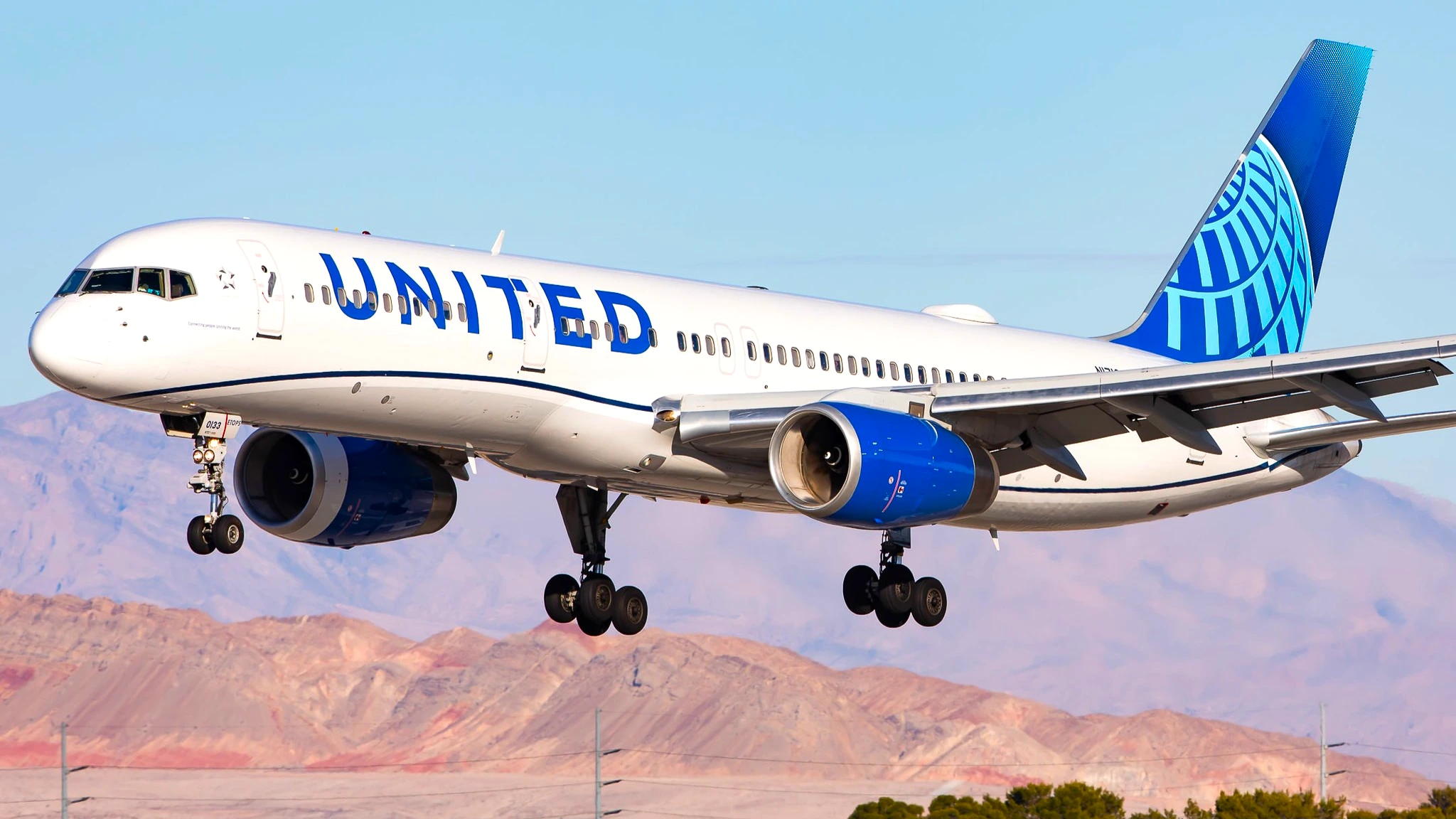
CHICAGO- United Airlines (UA) flight UA1023 from Boston Logan International Airport (BOS) aborted its landing at San Francisco International Airport (SFO) on Friday morning. The Boeing 757 went around because of an unstable approach.
The crew then radioed “Mayday, Mayday, Mayday, fuel emergency” and landed safely on the second attempt. No injuries were reported.
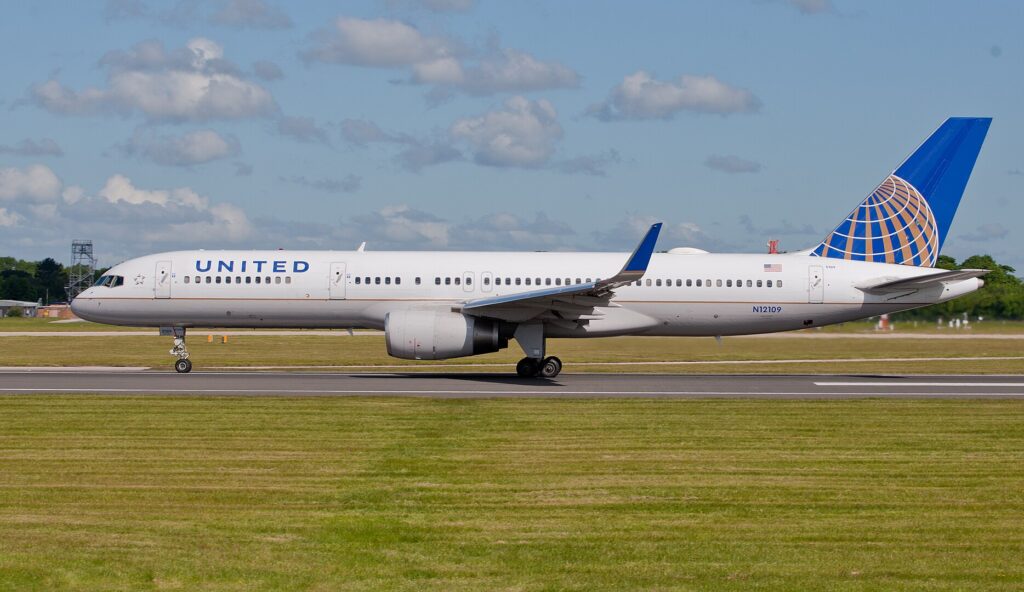
United Airlines Flight Goes Around on Final Approach
The Boeing 757-200 (registration N19117) was operating the transcontinental service with 97 people onboard on the morning of Friday, October 30.
Air traffic control (ATC) audio shows the controller cleared the aircraft to land on Runway 28R. ATC also warned the crew about wake turbulence from a Boeing 787 Dreamliner that had landed ahead of it, and about a slight tailwind of five knots.
The 757 attempted to land at 11:11 AM local time. ADS-B data shows the aircraft started climbing at around 75 feet as the pilot initiated a go-around.
The pilot later said the go-around was due to an unstable approach. It is not clear whether the wind or the wake turbulence from the preceding 787 played any part.
Moments later, the crew declared a Mayday because of low fuel. The aircraft then climbed to 5,000 feet, and the crew reported 5,200 lbs of fuel remaining.
ATC cleared the 757 to land on Runway 28R for a second time. It touched down safely at 11:24 AM, roughly 13 to 14 minutes after the 11:11 AM landing attempt.

United Response
Simple Flying contacted United Airlines for comment on the incident. A spokesperson responded that “the crew did not declare an emergency,” while confirming that the flight carried 91 passengers and 6 crew members.
The crew can be heard using the word “Mayday” when communicating with ATC.
The aircraft did not change its transponder squawk code to 7700, the code for an emergency. FAA guidance tells a crew already in contact with ATC to keep its assigned code unless instructed otherwise.
A radio Mayday therefore stands even when the squawk code stays the same.
The 5,200 lbs of fuel remaining is close to the minimum threshold for a Boeing 757-200. The decision to declare an emergency still rests with the pilots.
What Happens During Fuel Emergencies
Fuel emergencies are among the most serious situations a crew can face. Pilots have limited time to reach an airport before fuel levels become critical. However, not every low-fuel situation is automatically an emergency.
Pilots can first declare “minimum fuel” to alert ATC that they cannot accept any further delays to landing. This advisory is not an emergency and does not imply a need for traffic priority.
If the situation becomes more urgent, pilots can declare an emergency using the “Mayday” call. Guidance calls for stating Mayday three times. This tells ATC that the aircraft requires immediate assistance. Controllers can then prioritize its landing and deal with other flights.
A fuel emergency does not necessarily mean the aircraft is moments away from running out of fuel. It means the remaining fuel requires immediate attention and the crew cannot accept further delays.
Under 14 CFR 121.639, a domestic airline flight needs fuel to reach its destination, plus fuel to the most distant alternate airport where one is required, plus 45 minutes of flying at normal cruising consumption. The rule applies when an airline dispatches a flight or an aircraft takes off.
Similar Inicident
The incident occurred just 5 days after another United flight reported critically low fuel levels.
On Sunday, October 25, United flight 1854 from Grand Cayman to Houston declared an emergency after its right main landing gear failed to extend.
The pilots later reported having just 10 to 12 minutes of fuel remaining.
Stay tuned with us. Further, follow us on social media for the latest updates.
Join us on Telegram Group for the Latest Aviation Updates. Subsequently, follow us on Google News
