


WASHINGTON, D.C.- The 2026 US military pay system separates basic pay from allowances and special incentive payments, making a pilot’s total compensation different from a simple annual salary figure.
US military pilots serve in the Air Force, Navy, Marine Corps, and Army, with each branch operating different aircraft and career structures.
Air Force and Navy pilots generally follow commissioned-officer career paths, while Army aviation includes a large warrant-officer pilot community; all 4 services use aviation-related incentives to support retention.
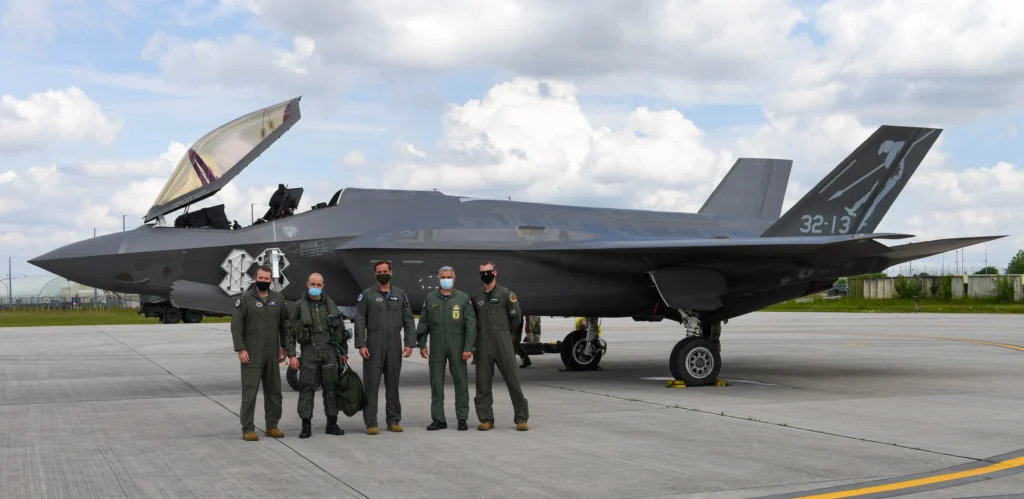
How Much Do US Military Pilots Make in 2026?
There is no single official “military pilot salary”, basic pay is set by rank and years of service, while total compensation can include Basic Allowance for Housing (BAH), Basic Allowance for Subsistence (BAS), aviation incentive pay, sea-duty or other special pay, and retention bonuses when eligibility requirements are met.
The Defense Finance and Accounting Service published the 2026 military pay tables and separate tables covering allowances and aviation incentive pay.
For officers, the 2026 basic-pay table provides useful benchmarks. An O-1 with two or fewer years of service receives $4,150.20 per month, or about $49,802 per year in basic pay. An O-3 with more than 4 years receives $7,382.70 per month, or about $88,592 per year, while the standard O-4 table lists $7,881.00 per month for an officer with more than 4 years of service, or about $94,572 annually. These are basic-pay figures, not total compensation.
Army warrant officers follow a separate pay table. In 2026, a W-1 with 2 or fewer years of service receives $4,056.60 per month, while a W-2 at the same service level receives $4,621.80 per month. This distinction is important when comparing Army helicopter pilots with commissioned aviators in other branches.
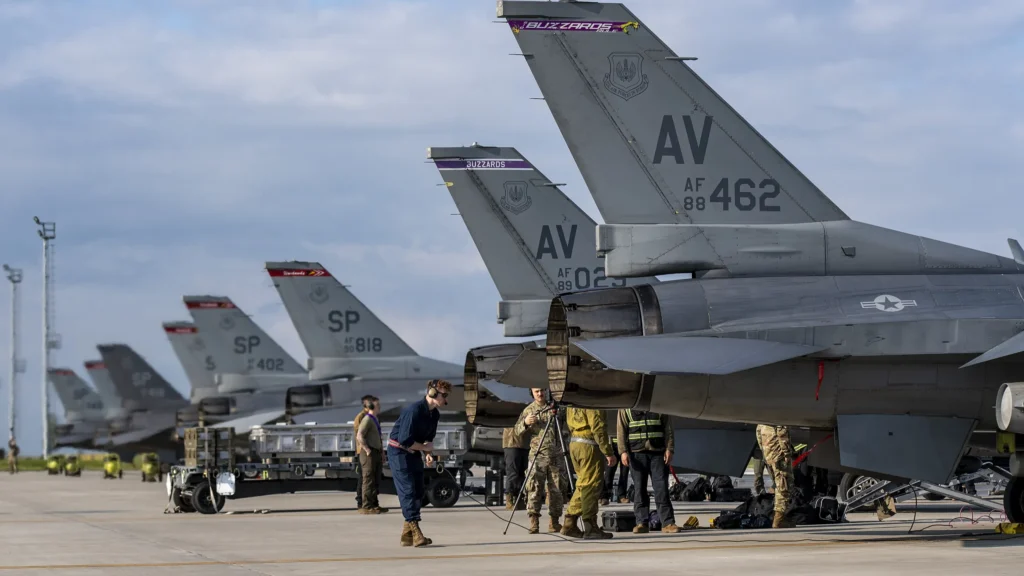
What Makes Up a Military Pilot’s Compensation?
Basic Pay
Basic pay is the foundation of military compensation. It increases as service members advance in rank and accumulate years of creditable service. A pilot’s aircraft type does not create a separate basic salary scale; instead, rank and service time determine the underlying pay rate.
This means a newly qualified military pilot cannot be assigned one universal salary simply because the pilot operates a fighter, bomber, helicopter, tanker, or carrier aircraft.
Housing Allowance
BAH can make a substantial difference to total compensation because it varies by duty location, pay grade, and dependency status.
The Department of Defense says 2026 BAH rates are based on local median market rent and average household utilities across military housing areas, with rates established for different housing profiles and pay grades.
As a result, 2 pilots of the same rank can receive different total compensation packages when stationed in different housing markets.
Subsistence Allowance
The 2026 officer BAS rate is $328.48 per month. BAS is designed to offset food costs rather than function as a pilot-specific bonus.
Aviation Incentive Pay
Aviation incentive pay is separate from basic pay and is tied to qualifying flying duties and aviation status. DFAS publishes separate aviation incentive-pay schedules for the Army, Navy, Air Force, and Marine Corps, reflecting different program rules and career stages.
That distinction is important because older salary articles often combine basic pay, flight pay, housing and bonuses into one number without explaining the calculation.

Air Force Pilot Pay in 2026
The US Air Force operates a broad aviation portfolio covering air superiority, strike, bombing, air mobility, aerial refueling, reconnaissance and other missions. Its aircraft inventory includes platforms such as the F-22 Raptor, F-35A Lightning II, B-2 Spirit, B-21 Raider, KC-46 Pegasus and C-17 Globemaster III.
For pilots, basic compensation still follows the federal military pay tables. The additional compensation becomes more important for aviators who remain in operational flying positions and qualify for aviation incentive programs.
FY2026 Air Force Aviation Bonus
The Air Force’s FY2026 Aviation Bonus provides one of the clearest examples of how retention incentives can materially change pilot compensation.
Eligible active-duty aviators can receive up to $50,000 per year, depending on career field and experience, under contracts ranging from 3 to 12 years. The program applies to qualifying pilots and other rated personnel and is designed to retain experienced aviation talent.
The FY2026 program also places greater emphasis on shorter commitments in several fighter, bomber and U-2 communities.
Eligibility is not universal: the Air Force states that the FY2026 program applies to lieutenant colonels and below who are qualified for operational flying duty and entitled to monthly aviation incentive pay.
This is why a 6 figure annual compensation figure for an experienced Air Force pilot should not automatically be described as “salary.” A portion can come from allowances and incentive programs rather than basic pay.
Air Force Aircraft and Career Demands
The operational environment also differs substantially by aircraft. Fighter pilots may face high sortie demands and recurring readiness requirements, while bomber, tanker, transport and reconnaissance pilots have different mission cycles and qualification requirements.
The retention challenge is tied to experience. A trained military aviator represents an investment in flight instruction, operational qualification and years of mission experience. Losing an experienced pilot therefore creates both a personnel gap and a requirement to train a replacement.
ALSO READ: American Airlines Pilot Salary in 2026
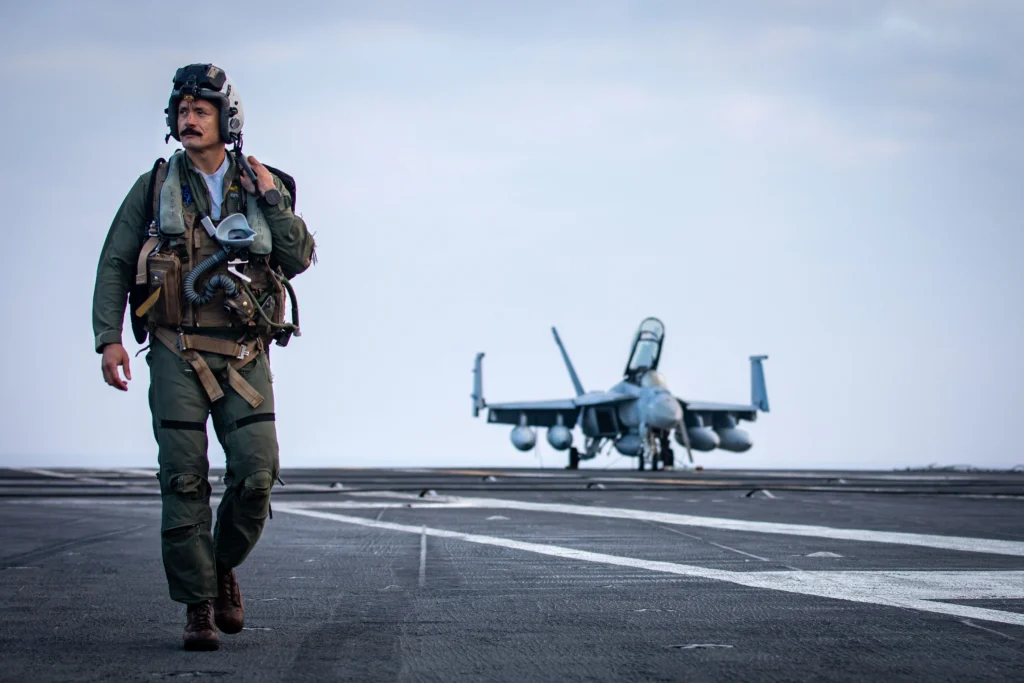
Navy Pilot Pay and Carrier Aviation
The U.S. Navy operates one of the most specialized aviation systems in the military. Its aviation force includes carrier-based fighters and electronic-warfare aircraft, maritime patrol platforms, helicopters and other aircraft supporting global naval operations.
Navy pilots operate aircraft such as the F/A-18 Super Hornet, F-35C, EA-18G Growler and P-8 Poseidon. The EA-18G Growler, for example, is the Navy’s airborne electronic-attack variant of the F/A-18 family.
Why Carrier Operations Matter
Carrier aviation adds a demanding qualification layer because pilots must conduct catapult launches and arrested landings from moving ships. Deployments can also keep aviators away from home for extended periods, depending on the carrier strike group and operational schedule.
Those requirements help explain why Navy aviation uses separate incentive and retention programs rather than relying exclusively on standard basic pay.
FY2026 Navy Aviation Retention Bonuses
The Navy’s FY2026 Aviation Command Retention Bonus program provides a clear example. Eligible active-duty unrestricted-line aviators who meet the command-screening requirements can choose between a 2 year option worth $37,000 and a 3 year option worth $129,000.
A qualifying sea-duty incentive can add $10,000 per contract year for certain post-command assignments involving carrier strike groups, carriers or amphibious assault ships.
The Navy separately announced its FY2026 Aviation Department Head Retention Bonus program as part of its effort to retain experienced personnel in critical naval aviation billets.
These programs demonstrate why senior Navy pilot compensation can rise well above basic pay. They are targeted retention tools rather than automatic payments made to every naval aviator.
Civilian Value of Naval Aviation Experience
Carrier qualifications and extensive flight experience can also translate into civilian opportunities after military service. Former Navy aviators commonly pursue airline, aerospace, defense and aviation-management careers, where military qualifications can support a transition into civilian flying or technical leadership.
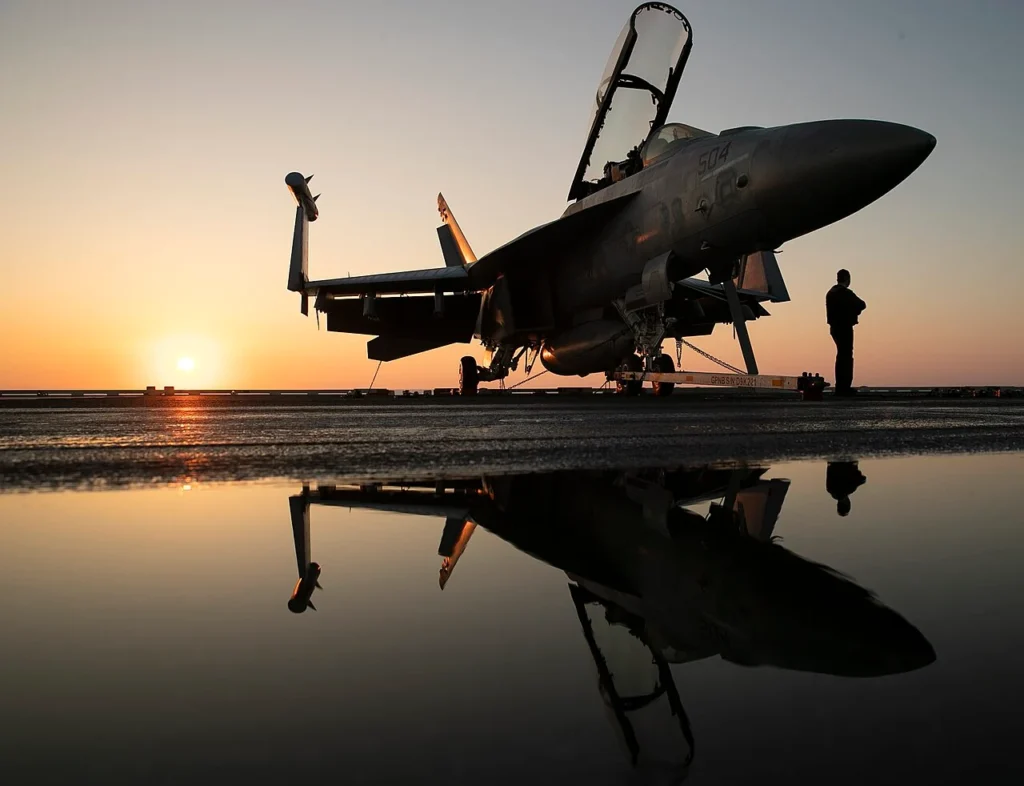
Marine Corps Pilot Pay and Expeditionary Aviation
Marine Corps aviation is smaller than Air Force or Navy aviation but has a distinct mission built around expeditionary operations and support to Marine ground forces.
Marine aviators operate aircraft including the F-35B Lightning II, MV-22 Osprey, AH-1Z Viper and CH-53K King Stallion.
The Marine Corps also historically operated the AV-8B Harrier II, although the F-35B is central to its modern short-takeoff-and-vertical-landing fighter capability.
Marine aviation supports missions that can include close air support, assault support, logistics, reconnaissance and expeditionary operations.
Many Marine aviators can deploy with Marine Expeditionary Units aboard amphibious ships, creating an operating environment that combines naval deployment with direct support to expeditionary ground forces.
Why Marine Flying Conditions Differ
Marine pilots can operate from traditional air stations, expeditionary locations and amphibious ships. Shorter runways, austere operating locations and shipboard aviation require a different combination of qualifications and operational flexibility than a conventional land-based air force model.
Compensation still begins with standard military basic pay, but eligible aviators can receive aviation and other special or incentive pays. DFAS maintains a separate Marine Corps aviation incentive-pay schedule.
The Marine Corps therefore should not be treated as having one fixed “pilot salary.” A pilot’s rank, service time, duty location and incentive eligibility determine actual compensation.
ALSO READ: Private Jet Pilot Salary in the US in 2026
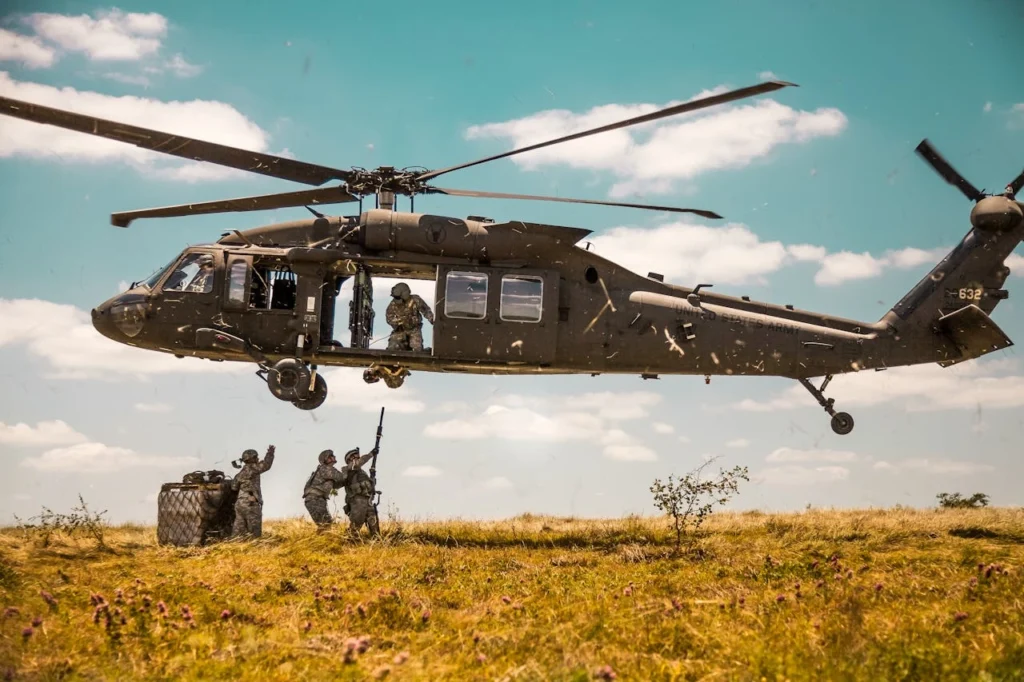
Army Helicopter Pilot Pay
Army aviation differs most clearly from the Air Force and Navy because a large share of Army pilots serve as warrant officers. The career structure allows pilots to remain closely focused on aviation duties while progressing through the warrant-officer ranks.
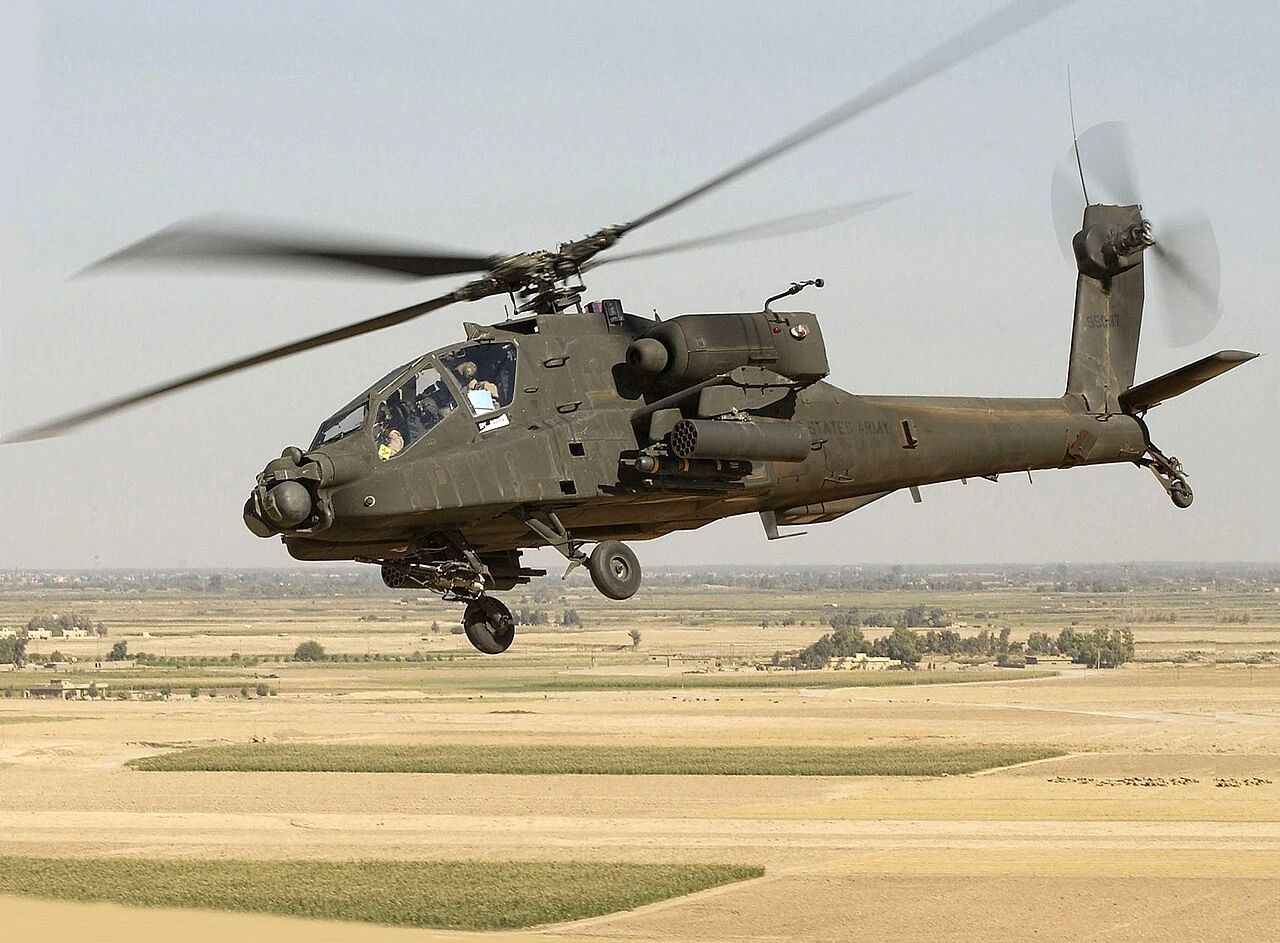
Army helicopter pilots operate aircraft such as the AH-64 Apache, UH-60 Black Hawk and CH-47 Chinook. A 2026 Army exercise demonstrated all three platforms operating together during a long-range combat-aviation mission, underscoring their different roles within Army aviation.
According to Simple Flying, the Army also provides advanced qualification training for aircraft including the AH-64, CH-47 and UH-60, while maintaining a fixed-wing pilot pathway for qualified personnel.
FY2026 Army Aviation Bonus
The Army’s FY2026 Aviation Bonus program targets Regular Army warrant officers who hold an Army aeronautical rating and meet the program’s eligibility requirements.
The Army describes the program as a retention tool for aviators with critical skills and requires regular review of its effectiveness.
Eligibility is not automatic. For example, the Army states that warrant officers with certain outstanding service obligations generally must be within one year of completing that obligation to qualify under the program rules.
Army Helicopter Missions
Army aviators can support:
- air assault and troop transport
- reconnaissance and security
- attack missions
- medical evacuation
- logistics and battlefield sustainment
The concentration on rotary-wing aviation makes the Army compensation model particularly different from the fixed-wing-heavy structures associated with the Air Force and Navy.
ALSO READ: Fighter Jet Pilot Vs Airline Pilot Salary in 2026
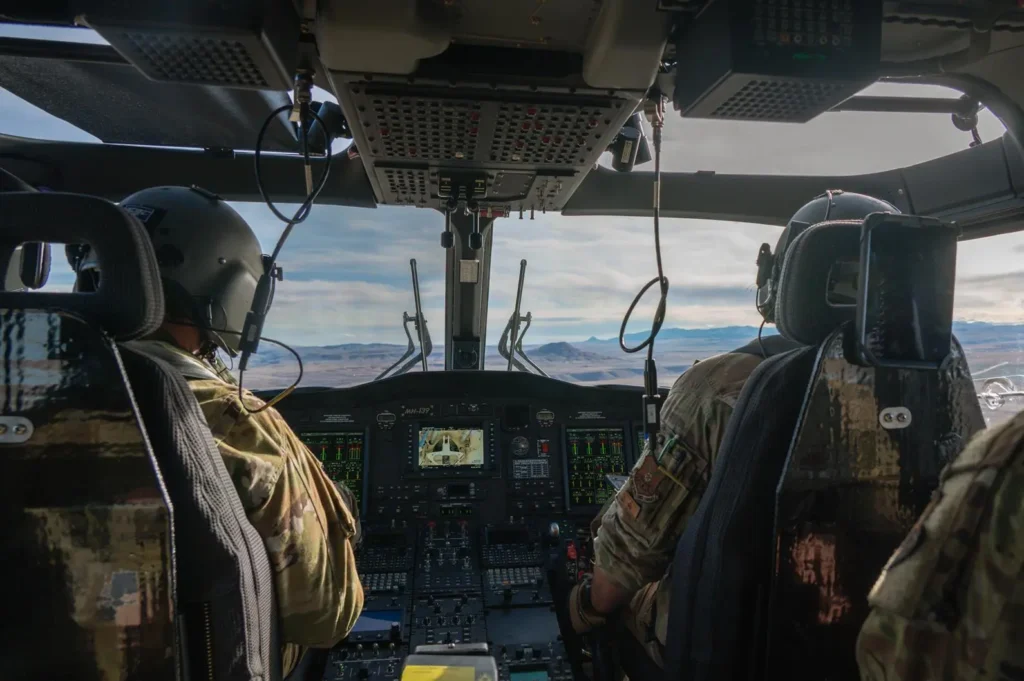
2026 Military Pilot Salary Comparison
Salary articles often publish broad ranges such as the following:
| Branch | Entry-Level Estimate | Mid-Career Estimate | Senior Estimate |
|---|---|---|---|
| US Air Force | $75,000-$95,000 | $120,000-$160,000 | $180,000+ |
| US Navy | $80,000-$100,000 | $130,000-$170,000 | $190,000+ |
| US Marine Corps | $75,000-$95,000 | $120,000-$160,000 | $180,000+ |
| US Army Helicopter Aviation | $65,000-$85,000 | $100,000-$140,000 | $160,000+ |
This distinction is critical. For example, an O-3 receiving $7,382.70 in monthly basic pay is not necessarily receiving only that amount in overall compensation, while a pilot receiving a large retention bonus should not be described as having that bonus built into a permanent salary.
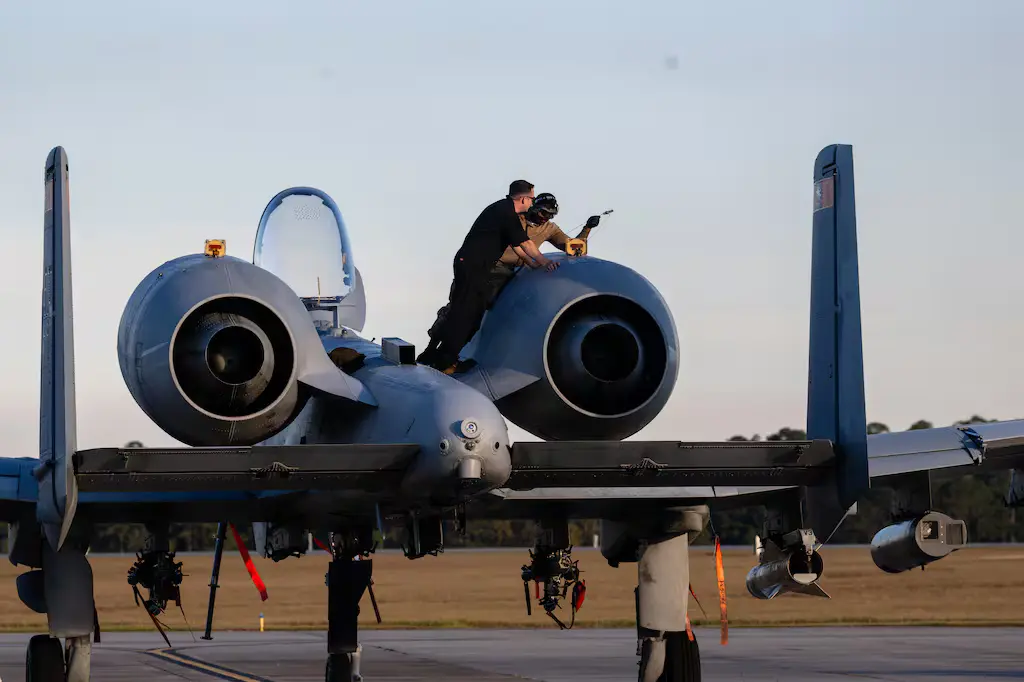
Why Military Pilot Compensation Is Hard to Compare
A direct comparison between branches can be misleading for several reasons.
First, rank matters. A major, lieutenant commander, lieutenant colonel or senior warrant officer can have a very different basic-pay position from a newly commissioned pilot.
Second, service time matters. Basic pay increases with years of service, so two pilots of similar age can have different compensation because of different career histories.
Third, location matters. BAH can vary substantially among military housing areas because rates are tied to local housing costs.
Fourth, assignment matters. A pilot assigned to an eligible operational flying position may qualify for aviation incentive pay, while a pilot in another role may have different eligibility.
Finally, retention programs are selective. Air Force and Navy bonus programs show that large payments can be tied to specific career fields, screening outcomes, service commitments and operational requirements.
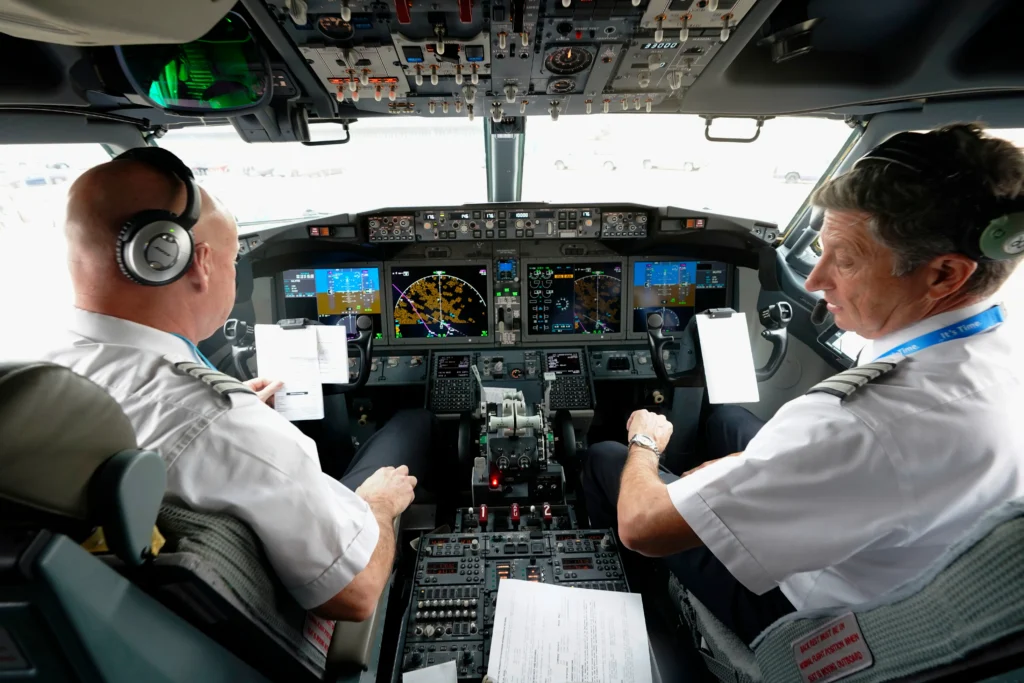
Military Pilot Pay Versus Civilian Airline Careers
Civilian airlines remain an important factor in military pilot retention because experienced military aviators possess qualifications that can transfer into airline and aerospace careers.
The compensation gap is most significant later in a pilot’s career, when civilian airline compensation can rise substantially with seniority and captain status.
Military service, however, provides benefits that do not appear in a simple airline salary comparison, including housing support, healthcare, retirement programs and access to specialized training.
The decision to remain in military aviation therefore depends on more than annual cash compensation. Career progression, mission, leadership opportunities, family considerations, retirement benefits and the value of civilian opportunities all affect the long-term calculation.
What Military Pilots Can Earn Over a Career
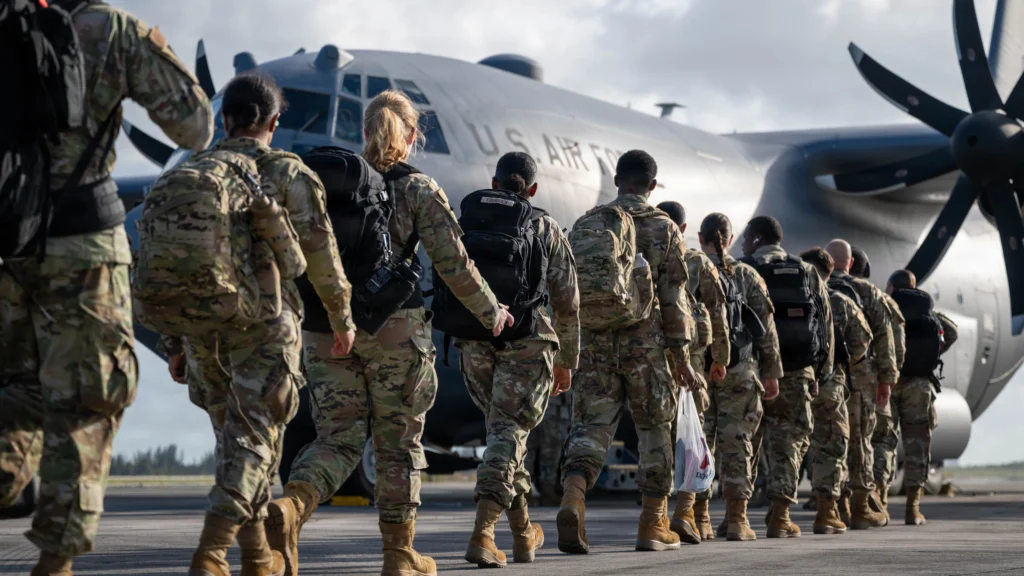
A junior military pilot can begin with basic pay that is below six figures, but total compensation can increase as rank, service time and eligibility for allowances and incentive programs grow.
By mid-career, an officer may have significantly higher basic pay and additional compensation from BAH, BAS and aviation incentives. Senior aviators can also qualify for retention programs designed to keep experienced pilots in critical aviation communities.
The Air Force’s FY2026 program illustrates this progression particularly well: qualifying aviators can receive bonuses worth up to $50,000 per year under multi-year commitments.
The Navy’s FY2026 aviation command program shows another model, with targeted bonuses worth $37,000 or $129,000 depending on the selected contract and eligibility.
These payments can push total annual compensation above the headline basic-pay figure, but they should not be interpreted as guaranteed salary for every military pilot.
Career Options After Military Aviation
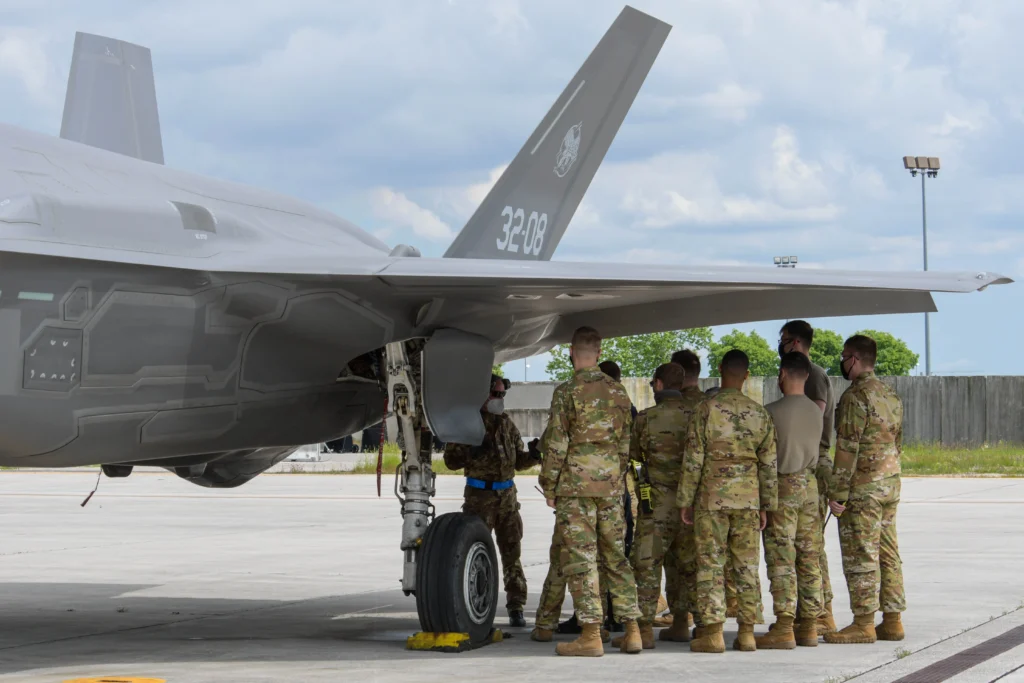
Military pilot experience can provide a strong foundation for civilian aviation and aerospace work after service.
Air Force pilots can move into commercial airlines, defense contracting, aerospace operations, flight instruction and aviation management. Navy aviators can use carrier and maritime aviation experience in airlines, aerospace companies and defense organizations.
Marine pilots can transition into similar civilian aviation and aerospace careers, while Army helicopter pilots can pursue rotary-wing opportunities in emergency medical services, offshore transport, firefighting, utility helicopter operations and law enforcement aviation.
The exact transition depends on flight hours, aircraft qualifications, civilian certification requirements, career timing and the type of military experience accumulated.
Bottom Line
US military pilots do not receive one standardized annual salary. Their compensation begins with rank-based basic pay and can expand through housing, subsistence, aviation incentive pay, special compensation and retention bonuses.
The Air Force offers a FY2026 aviation bonus of up to $50,000 per year for qualifying aviators. The Navy uses targeted aviation retention programs that can provide substantial additional compensation to eligible officers.
The Marine Corps combines aviation duties with an expeditionary operating model, while the Army relies heavily on warrant officers and maintains a dedicated aviation bonus program for eligible Regular Army warrant officers.
The most accurate way to assess a military pilot’s 2026 earnings is therefore to examine rank, years of service, duty location, flying status, allowances and applicable bonuses together.
Looking only at base salary can significantly understate the value of the overall military compensation package, while presenting total compensation as a guaranteed salary can overstate what every pilot earns.
Stay tuned with us. Further, follow us on social media for the latest updates.
Join us on Telegram Group for the Latest Aviation Updates. Subsequently, follow us on Google News
