

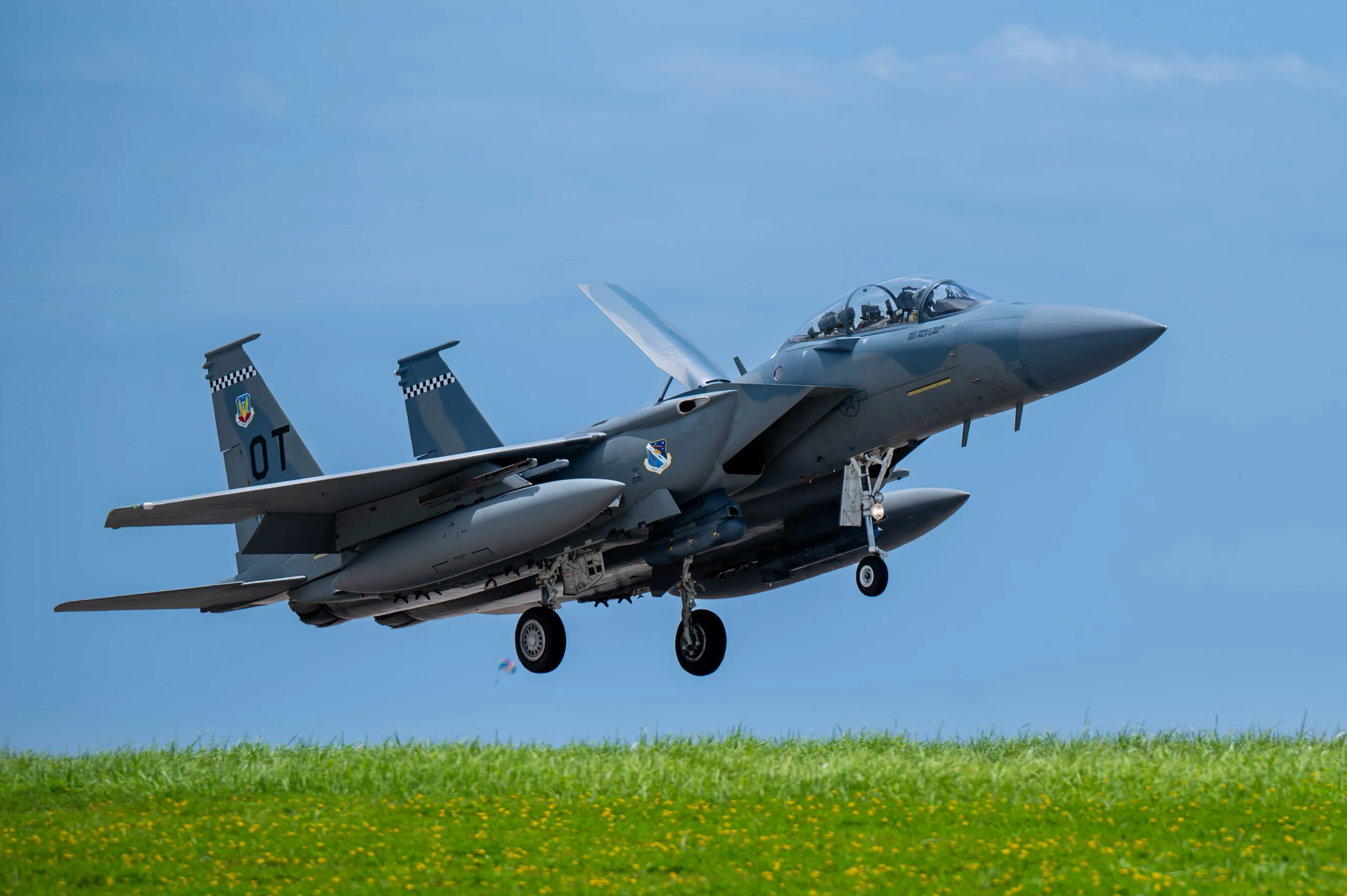
ARLINGTON- The US Air Force has introduced Force Design 2026, a new strategic framework that shifts its modernization priorities towards advanced sensors, artificial intelligence (AI), autonomous systems and integrated command-and-control capabilities. Announced on November 10, 2026, the plan replaces the previous One Force Design framework introduced in 2024.
The updated strategy reflects changing demands in modern warfare, where interconnected technologies and autonomous capabilities are becoming increasingly important. Although the document remains classified, the Air Force’s public announcement indicates a significant shift from focusing on individual aircraft and weapons towards building an integrated network of military capabilities.
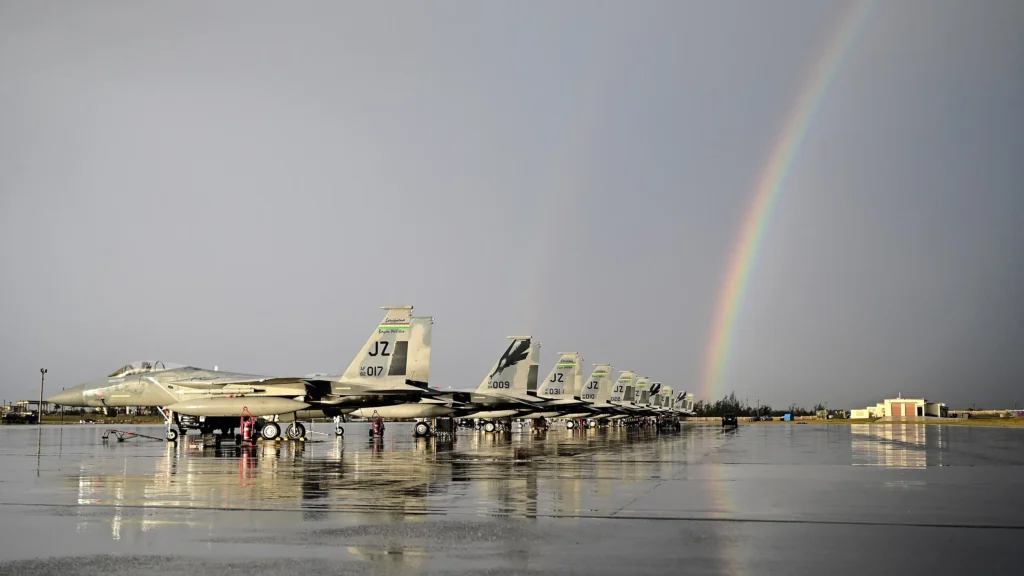
One Force Design 2026 Replaces 2024
The new framework builds on One Force Design, which former Air Force Chief of Staff Gen. David Allvin signed on October 4, 2024.
The earlier strategy established a common direction for modernization and identified the capabilities required to defend US territory, maintain strategic deterrence, and project military power.
Its publicly released overview outlined three broad mission areas, including capabilities designed to operate in contested airspace and systems capable of delivering long-range strikes.
It also addressed the growing threat posed by unmanned aircraft systems (UAS), with defensive capabilities organized around different operational ranges.
Force Design 2026 takes a broader approach by emphasizing the technological developments reshaping military operations. The Air Force describes the new framework as a guide for identifying operational challenges, developing future capabilities and establishing modernization priorities.
However, the service has confirmed that the complete document is classified and that no publicly releasable version is available.
Sensors And Autonomy Take Priority
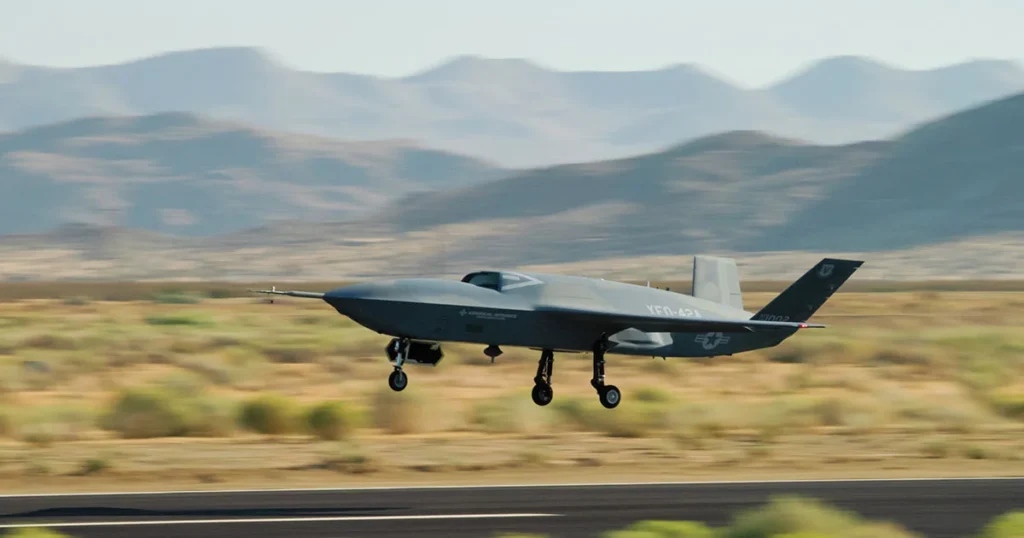
One of the most significant changes involves the growing importance of sensors, networks and artificial intelligence in future air operations.
Advances in these technologies are changing how military forces detect threats, exchange information and coordinate responses across increasingly complex battlefields.
The new strategy also emphasizes integrating autonomous systems, sensors and command-and-control capabilities with aircraft.
Rather than treating each platform as an independent asset, the Air Force wants these technologies to operate together and generate coordinated effects, particularly in environments where communication and other military infrastructure may be disrupted.
This approach could reshape how the service responds to unmanned aircraft and other emerging threats. Instead of relying exclusively on intercepting and destroying individual drones, an integrated network could help military personnel detect, track, and coordinate responses to multiple threats.
Lt. Gen. Chris Niemi, deputy chief of staff for Force Modernization and Chief Modernization Officer, highlighted the opportunities and challenges created by emerging technologies.
He explained that innovations capable of delivering previously unimaginable capabilities could also threaten traditional methods of generating airpower.

Air Force Prepares for Future Warfare
Force Design 2026 also emphasizes the need to maintain combat effectiveness in highly contested environments.
The Air Force expects future operations to involve increasingly capable adversaries, advanced electronic warfare, and threats against communication networks and other critical systems, Defense News reported.
The framework therefore encourages Airmen to look beyond individual aircraft, weapons and sensors. Instead, the service wants interconnected capabilities that combine human judgment, autonomous systems and resilient command-and-control networks.
Air Force Chief of Staff Gen. Ken Wilsbach described the updated strategy as a fundamental shift in how the service approaches future military challenges. He said the framework would help Airmen understand how the Air Force plans to deliver combat power in the coming years.
The service has not disclosed specific procurement decisions, aircraft programs, funding allocations, or implementation timelines associated with the classified document.
Nevertheless, its public description establishes technology integration and autonomy as important priorities for the next phase of US Air Force modernization.
Stay tuned with us. Further, follow us on social media for the latest updates.
Join us on Telegram Group for the Latest Aviation Updates. Subsequently, follow us on Google News
