


Vilnius International Airport (VNO) briefly suspended flights on Sunday after radar detected an object believed to be a drone, prompting NATO fighter jets to scramble and authorities to issue an air alert.
The object was later identified as a flock of birds, but the security response disrupted several flights, with aircraft diverting to Kaunas Airport (KUN), Gdańsk (GDN), or returning to their departure points.
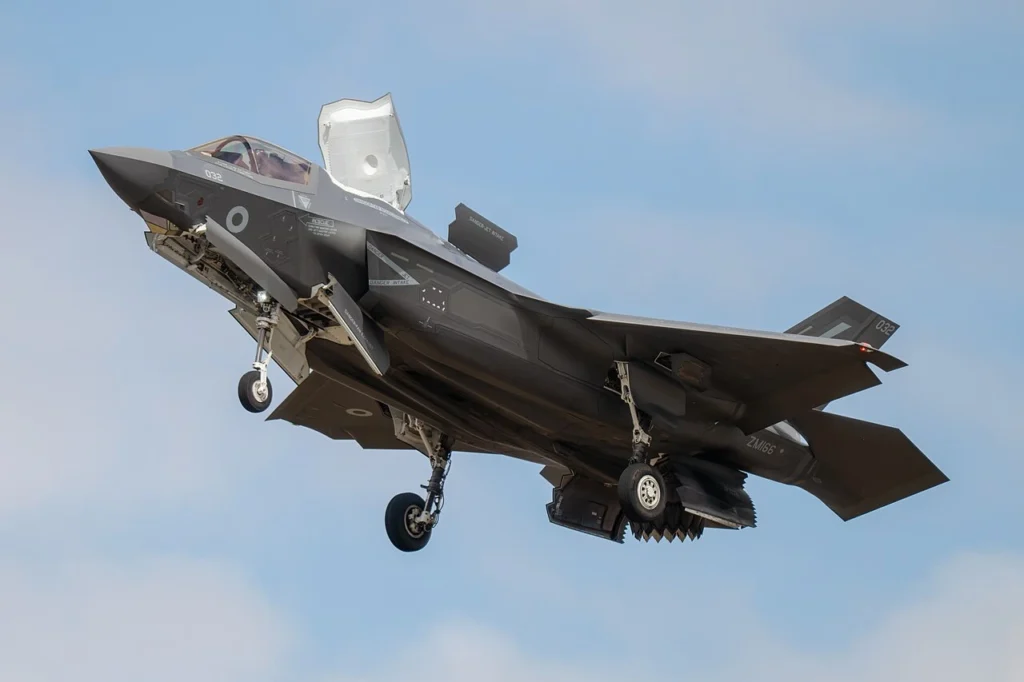
NATO Fighters Scrambled After Suspected Drone Detection
Lithuanian authorities issued a yellow air alert at 12:59 PM local time after radar detected an unidentified object near Vilnius. The object was initially considered a possible drone that could have entered Lithuanian airspace from Belarus.
Vilnius International Airport (VNO) suspended both arrivals and departures while authorities assessed the threat. The airport remained closed for approximately 38 minutes before the alert was lifted at 1:37 PM.
Residents in Vilnius and nearby areas, including Trakai and Elektrėnai, received emergency notifications advising them to move to a safe location or shelter.
NATO fighter aircraft were scrambled from Šiauliai Air Base (SQQ) in northern Lithuania to investigate the radar contact. The aircraft visually identified the object as a flock of birds, allowing authorities to end the air alert and reopen the airport.

Radar Contact Disrupted Several Flights
Although the threat turned out not to be a drone, the temporary airport closure had an immediate impact on commercial operations.
Lithuanian Airports (LTOU), the airport operator, confirmed that two inbound flights diverted to Kaunas Airport (KUN), approximately 85 kilometers from Vilnius.
Flight-tracking data also showed an aircraft operating from Warsaw Chopin Airport (WAW) turning back during its journey. Another flight diverted to Gdańsk Airport (GDN) before abandoning the diversion and returning to Vilnius after the airport reopened.
The incident demonstrates how quickly an unidentified radar contact can affect commercial aviation, even when the object is ultimately determined to pose no threat.

Why Birds Can Look Like Drones on Radar
The National Crisis Management Centre explained that large groups of birds can produce radar signatures that resemble potentially dangerous objects.
Vilmantas Vitkauskas, head of Lithuania’s National Crisis Management Centre, said radar systems can detect a large concentration of birds moving in the same direction in a way that may initially resemble a drone.
The centre said the initial radar information could not reliably distinguish between birds and drones, requiring an additional assessment to determine the object’s identity.
The visual confirmation by a NATO fighter provided the information needed to resolve the alert and restore normal airport operations.
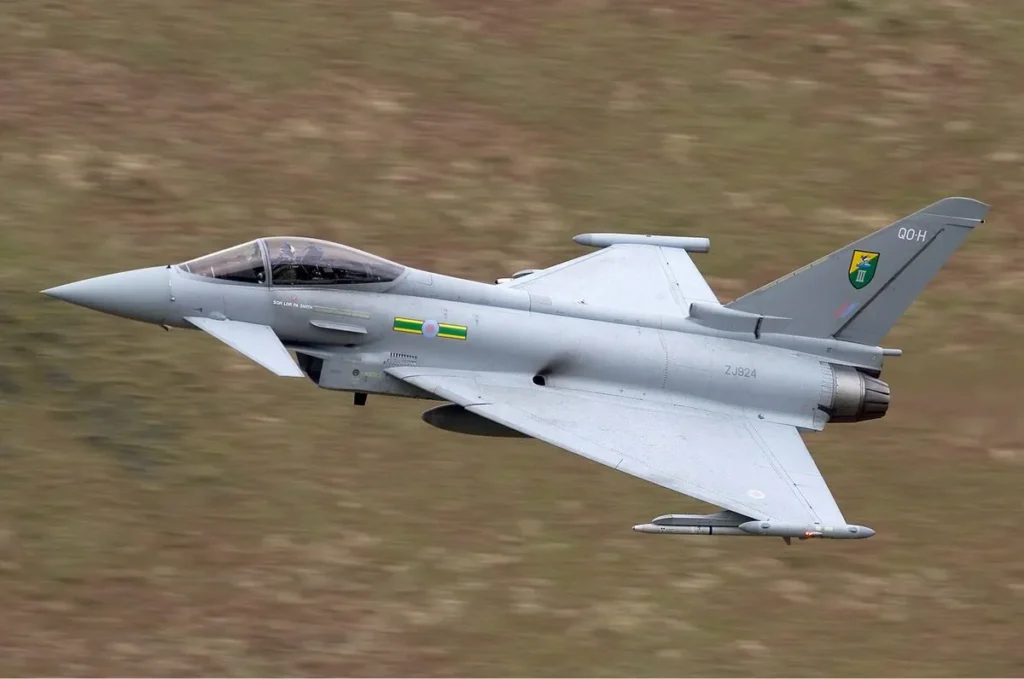
Italian Eurofighters Provide Baltic Air Policing
The NATO response came from the Baltic Air Policing mission operating from Šiauliai Air Base (SQQ).
The Italian Air Force currently operates Eurofighter Typhoon aircraft from the Lithuanian base. The Italian contingent took over the mission from French and Romanian forces during the summer.
Šiauliai Air Base is approximately 185 kilometers from Vilnius. Its location allows NATO fighters to respond quickly to unidentified or potentially hostile aerial activity in the region.
Reports did not establish the exact number of fighter aircraft launched during Sunday’s incident, although reports referring to multiple aircraft indicate that at least two jets may have been involved.
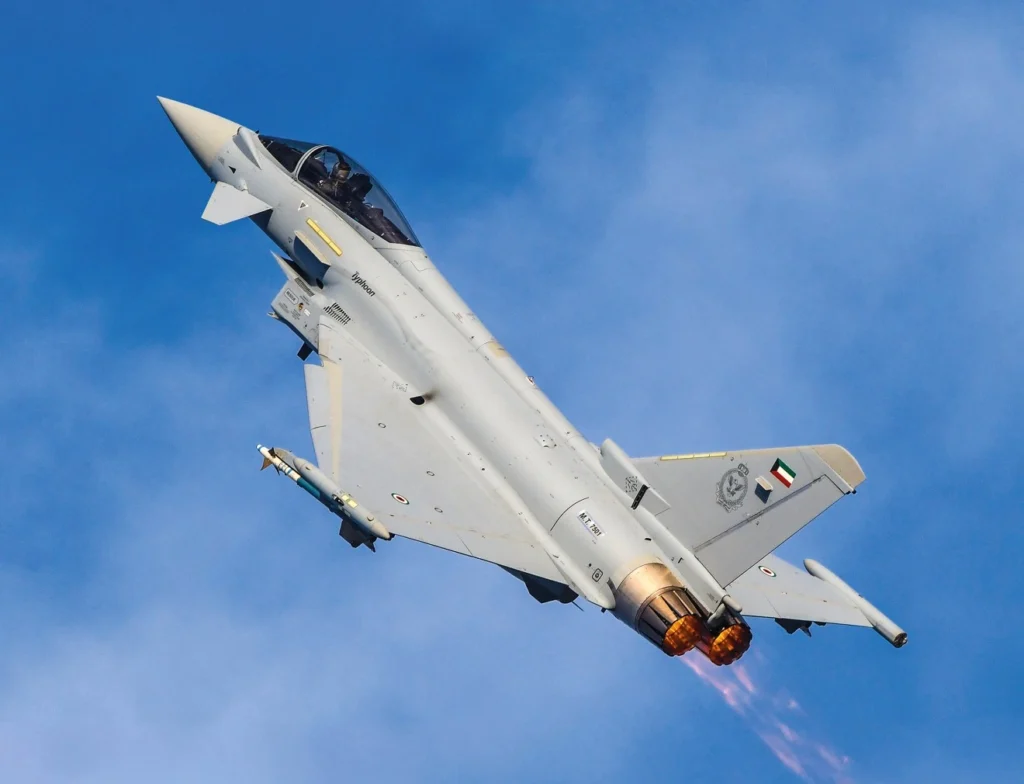
Fighter Scramble Carries Significant Operating Costs
Deploying fighter aircraft for an airspace alert involves substantial operating costs, even when the response ultimately identifies a harmless object.
A Eurofighter Typhoon is estimated to cost approximately $60,000 to $65,000 per flight hour to operate. The figure includes the significant expense associated with operating a high-performance fighter aircraft and supporting its mission.
The incident therefore required a military response despite the radar contact ultimately being identified as birds.
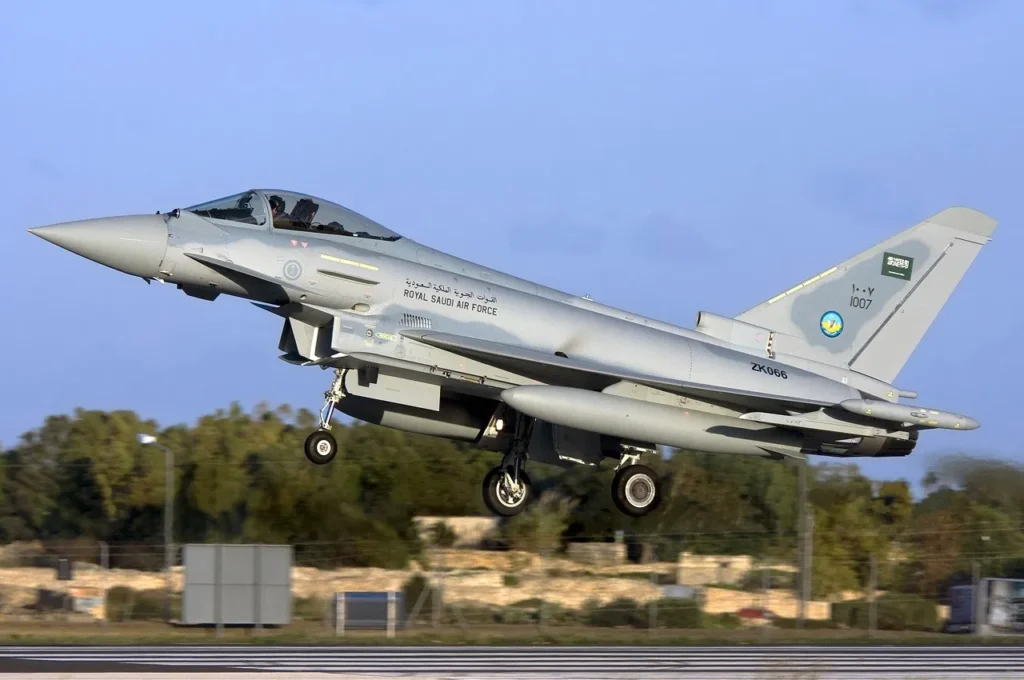
Lithuania Has Faced Other Airspace Alerts
Sunday’s incident was not Lithuania’s only unidentified aerial track that day.
Earlier at approximately 4:25 AM, radar detected a track heading toward the Kaliningrad region. The track subsequently left Lithuanian airspace across the border.
Authorities did not issue an air alert because the available information was insufficient to identify the object, but its outbound trajectory meant that a fighter response was not initiated.
Lithuania has experienced repeated concerns involving unidentified aerial activity because of its location near Belarus and Russia and its proximity to the Russia-Ukraine war.
Vilnius International Airport (VNO) also experienced a more serious red air alert in May after a drone was tracked near the Lithuanian capital. That incident resulted in an airport closure lasting approximately 40 minutes and disrupted rail services around Vilnius.
Vitkauskas said at least 22 smuggling drones had been recorded in Lithuanian airspace during September alone. A separate incident near the Belarusian border in Poland also prompted a military response before the suspected drone was determined to be a large flock of birds.

Aviation Impact Remained Limited but Significant
The latest alert ended without damage or injuries, and Vilnius International Airport (VNO) resumed operations after the 38-minute suspension.
However, the diversions and turnbacks show the operational consequences of even a short security closure at a major international airport.
The incident also highlights the role of NATO’s Baltic Air Policing mission in responding to uncertain aerial threats. In this case, the fighter response helped authorities establish that the radar contact was a flock of birds rather than a drone.
Stay tuned with us. Further, follow us on social media for the latest updates.
Join us on Telegram Group for the Latest Aviation Updates. Subsequently, follow us on Google News
