


FORT WORTH- American Airlines (AA) will launch OneCabin on September 14, 2026, with more than 60 maintenance technicians assigned to improve cabin cleanliness, appearance and functionality across 6 airports.
The program will operate at Charlotte Douglas International Airport (CLT), Dallas Fort Worth International Airport (DFW), Los Angeles International Airport (LAX), Miami International Airport (MIA), Philadelphia International Airport (PHL) and Phoenix Sky Harbor International Airport (PHX).
The initiative addresses recurring cabin problems including broken seats, faulty inflight entertainment systems, damaged armrests, unavailable tray tables and inappropriate use of duct tape.
American had previously acknowledged the issue and expected meaningful improvement by the end of summer, making the September launch later than the earlier target.
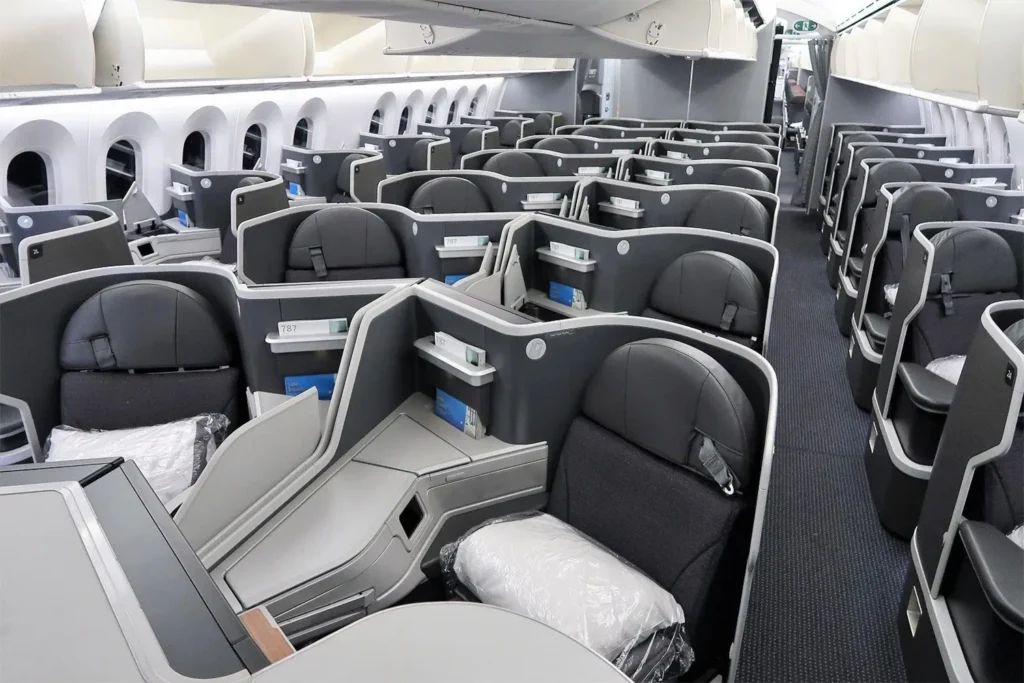
American Airlines Moves to Fix Persistent Cabin Problems
American Airlines has faced continuing criticism over aircraft interiors that can remain in poor condition after defects are identified.
The original report argues that American appears to have more seats taken out of service than some competing airlines, including United Airlines (UA) and Delta Air Lines (DL), although the comparison is presented as the author’s observation rather than a published industry-wide measurement.
The problem is significant because cabin defects can remain visible even when an aircraft is otherwise operating normally.
The source describes examples of seats being unavailable on the first flight of the day and aircraft continuing to operate for days or weeks before the issue was resolved.
American’s new OneCabin program represents a more targeted response. Instead of relying only on general maintenance processes, the airline is adding dedicated personnel whose specific responsibility is to improve aircraft interiors and address cabin-related defects.
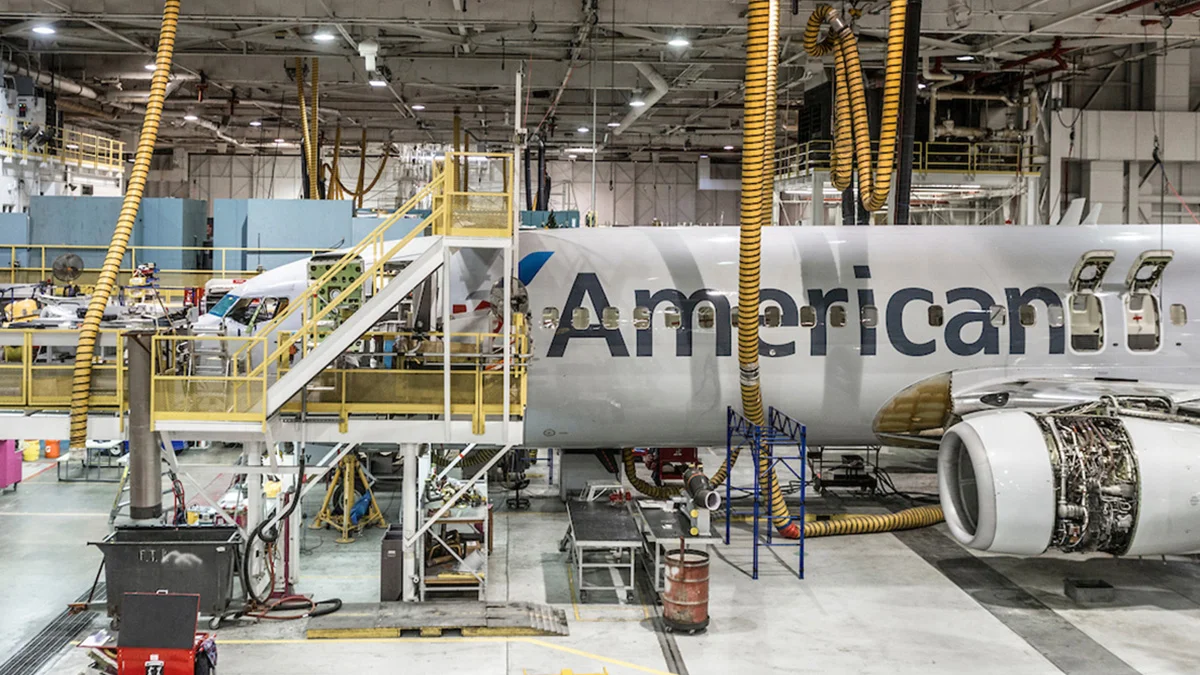
OneCabin Launches With More Than 60 Technicians
American Airlines will launch OneCabin on September 14, with more than 60 maintenance technicians assigned to dedicated teams at 6 airports. The information was highlighted by aviation watcher JonNYC on August 29, 2026.
The rollout covers:
| Airport | IATA Code | City |
|---|---|---|
| Charlotte Douglas International Airport | CLT | Charlotte |
| Dallas Fort Worth International Airport | DFW | Dallas-Fort Worth |
| Los Angeles International Airport | LAX | Los Angeles |
| Miami International Airport | MIA | Miami |
| Philadelphia International Airport | PHL | Philadelphia |
| Phoenix Sky Harbor International Airport | PHX | Phoenix |
The stated objective is to improve cabin cleanliness, appearance and functionality while speeding up repairs across the fleet.
Heather Garboden Acknowledged the Problem
The OneCabin initiative follows earlier comments from American Airlines Chief Customer Officer Heather Garboden. The issue had already been discussed in April, following the airline’s first-quarter earnings call.
Garboden acknowledged that American had too many broken seats, too many inflight entertainment systems that did not work and instances where duct tape was being used where it should not have been.
She said American was building a team within Tech Ops with a dedicated focus on making aircraft interiors look and function as they should for customers.
At the time, the expectation was that the airline would see significant improvement by the end of summer. The September 14 launch therefore comes later than the timetable previously described.
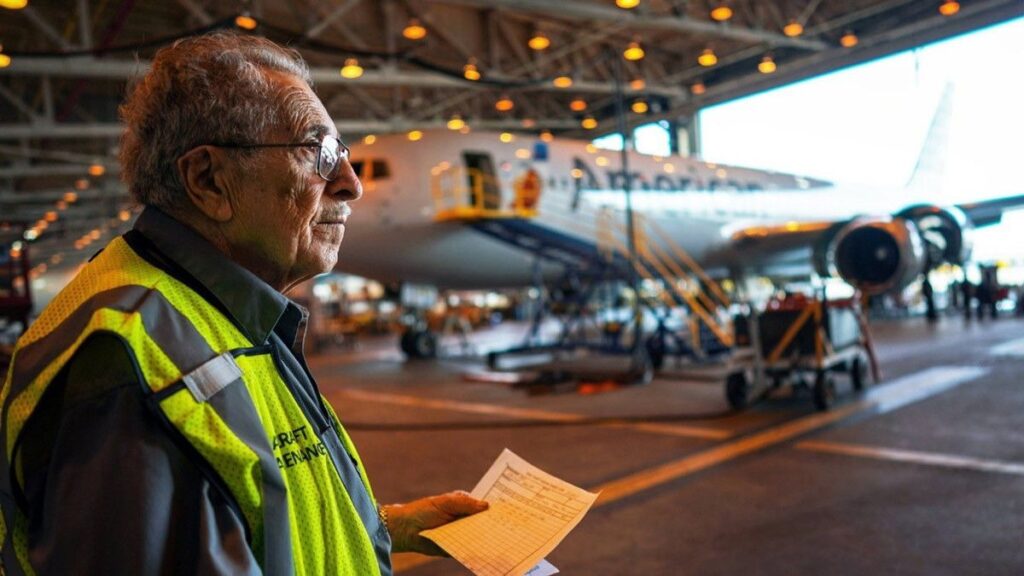
Maintenance Problem
Cabin maintenance affects more than how an aircraft looks. A broken seat, damaged armrest or unavailable tray table changes the product delivered to the passenger.
Seats placed out of service create an additional operational and commercial problem. Every unavailable seat can reduce the number of passengers an aircraft can carry. Fewer usable seats can also limit the number of upgrades that clear for eligible frequent flyers.
That can affect customer loyalty because passengers who regularly expect upgrades may see fewer opportunities when seats remain unavailable for maintenance reasons. The source argues that repeated cabin defects can therefore create frustration among American’s most engaged customers.
Visible cabin problems can also undermine the airline’s premium positioning. An aircraft with damaged fixtures, broken equipment or temporary repairs can make the overall product appear less valuable, even when other parts of the journey perform normally.
Proactive and Overnight Maintenance
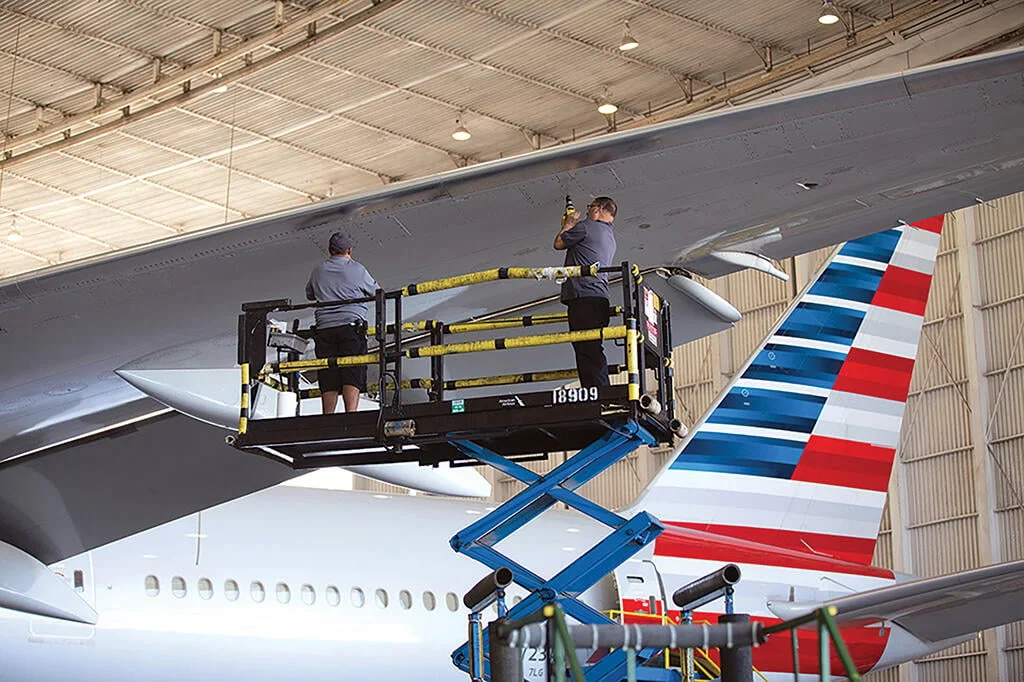
A central argument in the original report is that American should not wait for cabin defects to become a passenger-facing problem before addressing them.
Instead, the airline should use proactive cabin maintenance and overnight line maintenance to repair defects when aircraft are already on the ground. That approach could reduce the number of unresolved problems carried into the next day’s schedule.
The objective is not necessarily to hold an aircraft at the gate and delay an entire flight because of a broken seat. The more effective solution is to identify and repair cabin problems during planned maintenance opportunities before passengers board.
This distinction is important because operational reliability and cabin quality should not be treated as competing objectives. A structured maintenance process can address interior defects without unnecessarily disrupting the flight schedule.
Revenue Issue
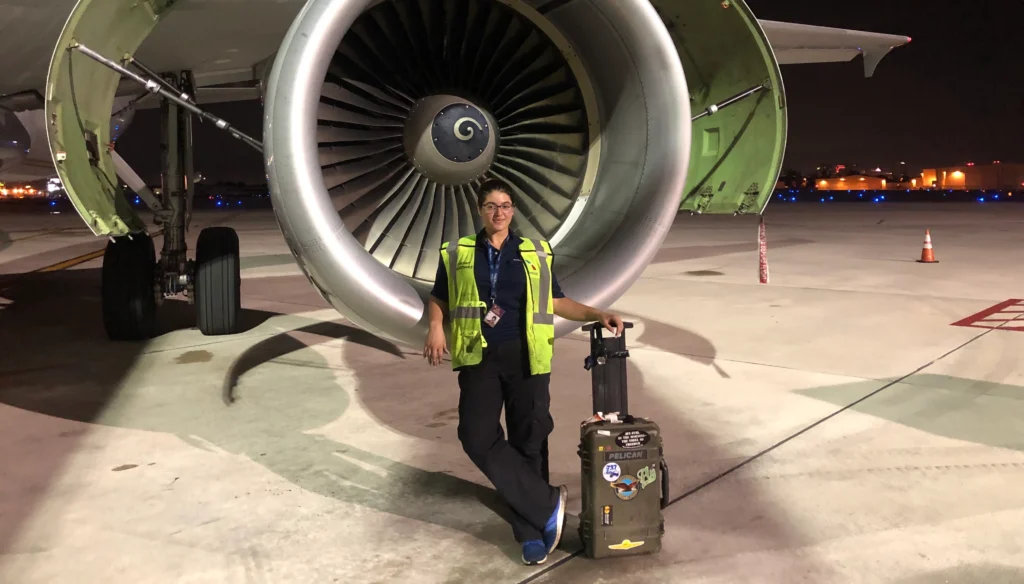
The original analysis makes a broader business argument: American’s cabin maintenance problem is not only a cost issue but also a revenue issue.
The source describes American as a high-cost airline that needs to generate a revenue premium to support that cost structure. From that perspective, underinvestment in cabin maintenance works against the airline’s ability to command stronger value from customers.
Customers evaluate the full travel experience, not only schedule availability or ticket price. When seats are unusable, entertainment systems fail or visible cabin damage remains unresolved, the perceived value of the product can decline.
Improving cabin condition could therefore support customer satisfaction while also helping American protect the value of its premium offering. That is the strategic reason the OneCabin initiative matters beyond basic aircraft upkeep.
Why September Rollout Matters
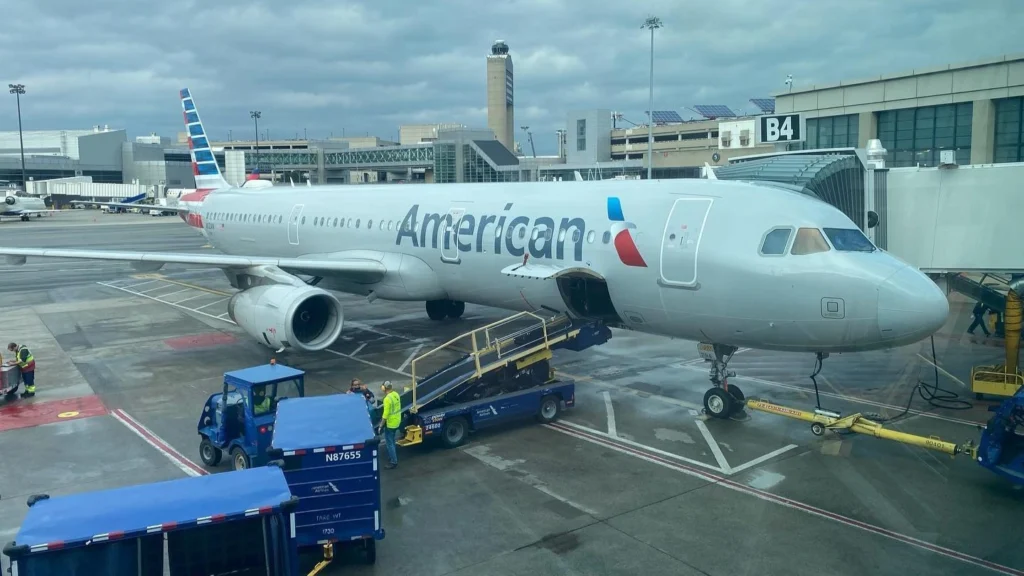
American’s decision to assign more than 60 technicians specifically to cabin-related work signals a stronger commitment to fixing interior defects at scale.
The rollout also shows that American has moved from acknowledging the problem to dedicating additional resources toward it.
The program’s effectiveness will depend on whether those resources produce faster repairs and reduce the length of time aircraft operate with known cabin defects.
The September launch is particularly relevant because the issue was discussed months earlier. The April expectation pointed toward substantial improvement by the end of summer, while the actual OneCabin launch is scheduled for September 14.
Six Airports Will Anchor the Program
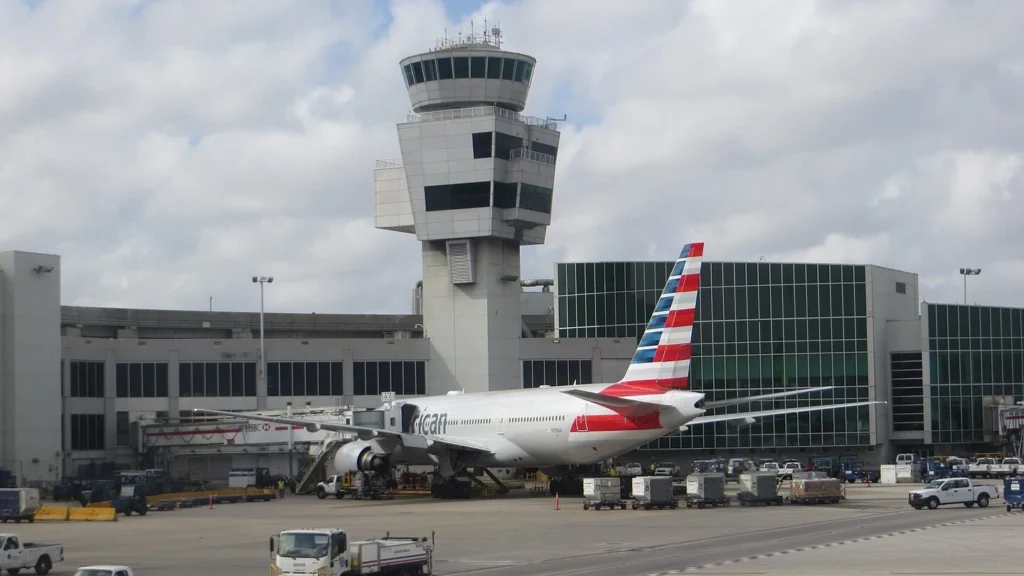
The six airports selected for the initial deployment are Charlotte, Dallas-Fort Worth, Los Angeles, Miami, Philadelphia and Phoenix. These locations provide the program with dedicated maintenance coverage at major points in American’s network.
For passengers, the important measure will not simply be the number of technicians assigned. The more meaningful outcome will be whether previously reported cabin defects are resolved more consistently and remain fixed.
OneCabin therefore represents both a maintenance initiative and a test of American’s ability to improve the physical product customers experience on board.
What Passengers Can Expect From OneCabin
The immediate focus is practical: improve the condition, functionality and appearance of aircraft interiors.
That includes addressing issues involving seats and other cabin fixtures, restoring functionality where equipment is not working and reducing visible signs of temporary repairs.
The broader goal is to make aircraft interiors consistently match the standard American Airlines wants customers to experience.
For American, the challenge is turning a dedicated maintenance program into measurable improvement across the fleet.
For passengers, success will be visible when fewer seats are unavailable, fewer cabin defects remain unresolved and aircraft interiors present a more consistent product.
Stay tuned with us. Further, follow us on social media for the latest updates.
Join us on Telegram Group for the Latest Aviation Updates. Subsequently, follow us on Google News
