


MUMBAI- Mumbai International Airport Ltd (MIAL) has ordered select Gulf carriers to move their flights from Mumbai (BOM) to Navi Mumbai (NMI) from the summer season of 2027. The move allows the redevelopment of Terminal 1 at the old airport.
Affected airlines must shift or suspend services until the rebuilt terminal reopens in 2029. Qatar Airways (QR) and Saudia (SV) operate on the targeted routes, but it is unclear which airlines received the notice.

Temporary Realignment of Mumbai’s International Flights
Adani Group-controlled Mumbai International Airport Ltd has directed selected international airlines to move their services to Navi Mumbai International Airport as Mumbai airport prepares for Terminal 1 redevelopment.
The communication, issued on Thursday, November 5, 2026, follows MIAL’s October 30 letter to the Ministry of Civil Aviation (MoCA).
In the letter, the airport operator outlined its plan to transfer flights between Mumbai and 14 international destinations to Navi Mumbai from the Summer 2027 schedule, which begins towards the end of March 2027.
Both Mumbai and Navi Mumbai airports are controlled by Adani Group entities. MIAL operates Mumbai airport, while its group entity oversees Navi Mumbai International Airport.
The airport operator initially asked airlines to voluntarily identify flights that could be transferred to Navi Mumbai. However, several foreign carriers opposed the proposal and requested more time and better coordination before changing their operations.
MIAL subsequently informed selected airlines that Mumbai airport would not be able to accommodate their requested Summer 2027 flight slots unless they temporarily transferred their services to Navi Mumbai.

14 International Destinations Covered by Transfer Plan
MIAL’s proposal includes flights connecting Mumbai with 14 international destinations. Most of these routes serve the Gulf region, while others connect passengers with South Asia and Southeast Asia.
The destinations and their corresponding IATA codes are:
- Bahrain International Airport, Bahrain (BAH)
- Dammam, Saudi Arabia (DMM)
- Dhaka, Bangladesh (DAC)
- Doha, Qatar (DOH)
- Fujairah, United Arab Emirates (FJR)
- Jakarta, Indonesia (JKT; Soekarno-Hatta International Airport: CGK)
- Jeddah, Saudi Arabia (JED)
- Kathmandu, Nepal (KTM)
- Kuwait City, Kuwait (KWI)
- Madinah, Saudi Arabia (MED)
- Muscat, Oman (MCT)
- Ras Al Khaimah, United Arab Emirates (RKT)
- Riyadh, Saudi Arabia (RUH)
- Sharjah, United Arab Emirates (SHJ)
These routes form the international network included in MIAL’s proposed temporary relocation plan. Consolidating the services at Navi Mumbai would prevent flights to the same destinations from being divided between two airports serving the Mumbai metropolitan region.

12 Airlines Yet to Announce Their Relocation Plans
According to Cirium’s November 2026 flight schedule, 16 airlines operate approximately 205 weekly flights between Mumbai and the 14 destinations covered by the proposal.
IndiGo (6E), Air India Group and Akasa Air (QP) have announced plans to transfer some of their services to Navi Mumbai.
The remaining 12 airlines operate approximately 102 weekly departures on these routes. As of the November 5 report, these carriers had not publicly announced plans to shift their Mumbai operations.
The 12 airlines are:
- Air Arabia (G9)
- Gulf Air (GF)
- Kuwait Airways (KU)
- Oman Air (WY)
- Saudia (SV)
- Qatar Airways (QR)
- Riyadh Air (RX)
- Jazeera Airways (J9)
- SalamAir (OV)
- flyadeal (F3)
- flynas (XY)
- Nepal Airlines (RA)
The exact identities of the airlines that received MIAL’s latest communication remain undisclosed. Business Standard reported, citing sources, that selected Gulf carriers had received the communication.
Therefore, it would be inaccurate to assume that all 12 airlines have received relocation instructions or that every carrier has rejected the proposed transfer.
Mumbai Airport to Face 5 Million Capacity Reduction
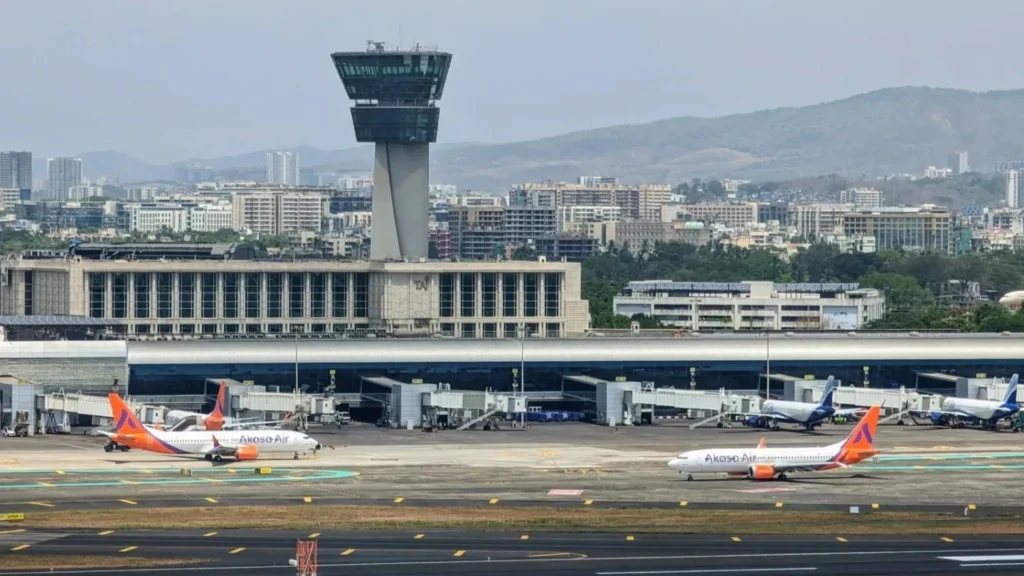
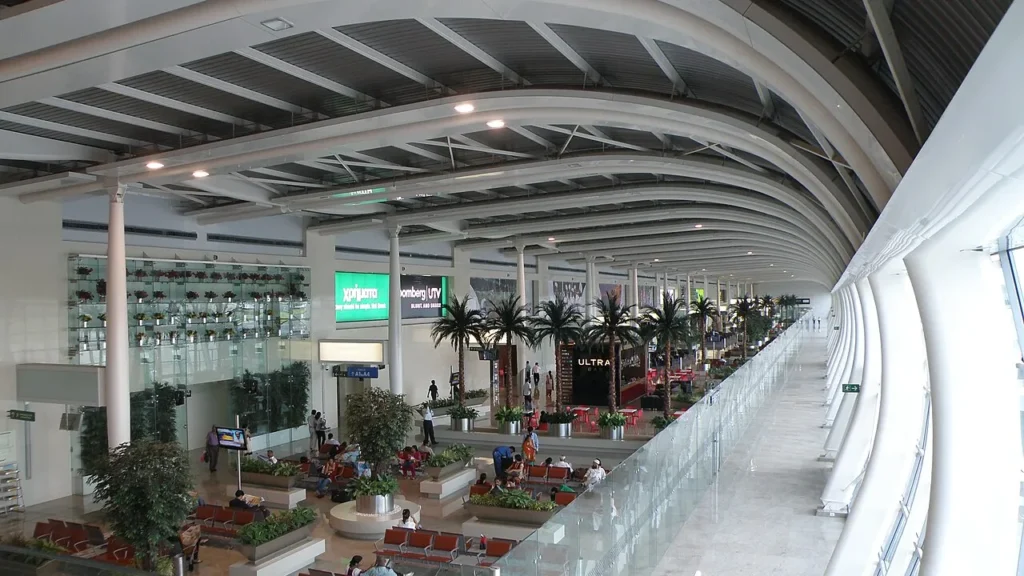
The proposed relocation is connected to the redevelopment of Terminal 1 at Chhatrapati Shivaji Maharaj International Airport.
Mumbai airport currently has an annual passenger-handling capacity of approximately 55 million passengers. MIAL has informed affected airlines that this capacity will decrease by 5 million passengers per annum (MPPA) from the Summer 2027 schedule.
The reduction will leave approximately 50 million passengers of annual handling capacity at the airport, equivalent to around 91 per cent of its existing capacity.
MIAL’s slot coordination team explained that the lower capacity would prevent Mumbai airport from accommodating the requested flight slots of the affected airlines for Summer 2027.
The operator stated that the capacity adjustment was necessary to facilitate the redevelopment work and manage airport operations during the construction period.
The five-million-passenger reduction forms part of MIAL’s wider plan to temporarily redistribute international flight operations between Mumbai and Navi Mumbai.
Airlines Must Relocate Flights or Suspend Mumbai Services
MIAL has given affected airlines two options for maintaining their services during the redevelopment period.
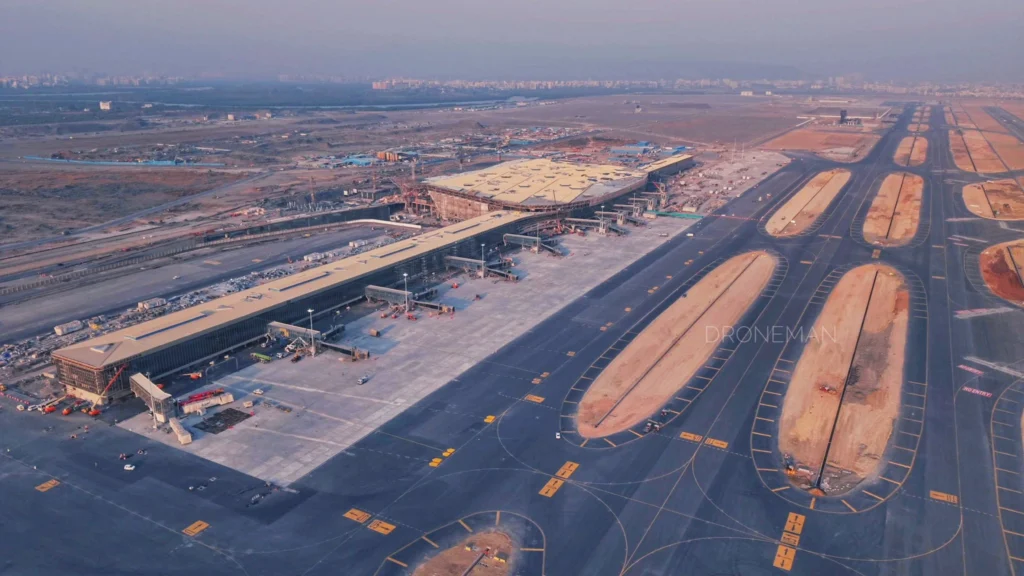
The first option is to transfer their Mumbai flights to Navi Mumbai International Airport from the beginning of the Northern Summer 2027 schedule.
The second option is to discontinue their Mumbai services temporarily and resume operations once the reconstructed Terminal 1 becomes ready.
In its communication, MIAL stated that Mumbai airport would be unable to accommodate the airlines’ requested Summer 2027 slots, making a temporary transition out of Mumbai necessary from the beginning of Northern Summer 2027 and subsequent seasons.
The airport operator has clarified that the relocation is temporary. It intends to restore the airlines’ existing flight timings at Mumbai airport after the terminal redevelopment is completed and additional capacity becomes available.
The reconstructed Terminal 1 is expected to be ready in 2029. Until then, airlines that do not accept the transfer to Navi Mumbai may have to suspend the affected services.
MIAL’s November 3 Deadline and Opposition
The latest communication represents an escalation in the disagreement between MIAL and international airlines over the proposed relocation of flights.
Before issuing the latest instructions, the airport operator had asked airlines to voluntarily identify services that could move to Navi Mumbai. MIAL wanted airlines to submit their transfer proposals by November 3, 2026.
In its October 30 letter to the Ministry of Civil Aviation, MIAL indicated that it could shift all flights between Mumbai and the 14 international destinations if airlines failed to submit voluntary transfer proposals by the deadline.
The operator also explained that consolidating services at Navi Mumbai would avoid splitting flights to the same destinations between Mumbai and Navi Mumbai airports.
However, several foreign airlines have opposed the proposed arrangement. They have requested additional time and better coordination before shifting their operations to the new airport.
Their concerns have made the transition more challenging, particularly because international airlines must consider their existing flight schedules and operational arrangements when changing departure airports.
MIAL’s latest communication indicates that the airport operator intends to proceed with the temporary capacity adjustment despite the continuing disagreement over the transfer plan.

What Happens After Terminal 1 Reopens?
The temporary relocation is intended to support Mumbai airport’s redevelopment programme rather than permanently transfer the affected international services.
MIAL has indicated that airlines’ existing flight timings at Mumbai airport will be restored once the reconstructed Terminal 1 is completed and the airport has sufficient additional capacity.
The expected 2029 reopening will therefore mark an important stage in the transition plan. Until then, affected airlines will need to decide whether to operate from Navi Mumbai or suspend the relevant Mumbai services.
The implementation will depend on coordination between MIAL, the affected airlines and the Ministry of Civil Aviation.
For passengers, the most important development will be the final list of airlines and flights transferred to Navi Mumbai.
As MIAL has not publicly identified all the carriers that received its latest communication, individual airline announcements will determine the actual changes to international departure arrangements.
The proposed transfer will reshape the distribution of international flights across Mumbai’s two airports during the redevelopment period, while MIAL aims to restore the affected services once additional terminal capacity becomes available.
Stay tuned with us. Further, follow us on social media for the latest updates.
Join us on Telegram Group for the Latest Aviation Updates. Subsequently, follow us on Google News
