

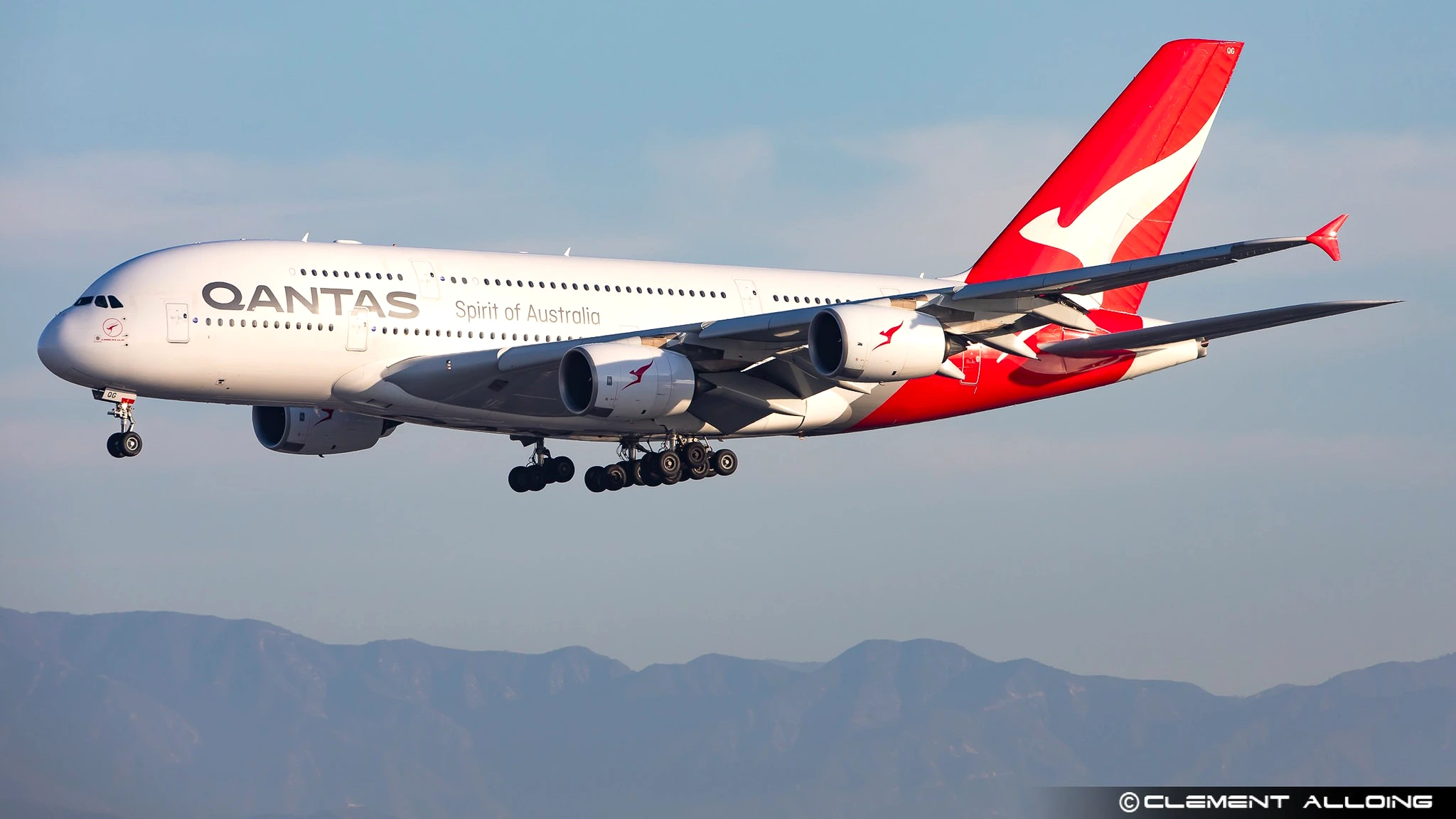
CANBERRA— Qantas Airways (QF) will begin retiring its Airbus A380 fleet from 2028, bringing forward the start of the superjumbo’s phase-out by four years as the airline accelerates its transition toward newer widebody aircraft.
The decision comes as rising fuel and maintenance costs increase pressure on the carrier’s long-haul operations.
The Australian flag carrier had previously expected its A380 retirement program to begin around 2032. Qantas operates 10 A380s, while its Sydney Kingsford Smith Airport (SYD) operation remains an important base for international long-haul services using the aircraft.

Qantas A380 Retirement Accelerates
Qantas said the earlier retirement will help optimize its fleet as next-generation Airbus A350s and Boeing 787s become available.
The airline expects additional 787-9 deliveries from 2027, while its dedicated Project Sunrise A350-1000ULR aircraft will also begin arriving from next year.
The move follows a difficult financial year for Qantas, with underlying pre-tax profit falling 13.8% to A$2.06 billion.
The airline said the Middle East conflict and higher fuel prices had a net impact of approximately A$420 million on its results, adding pressure to the economics of operating older four-engine aircraft.
Qantas CEO Vanessa Hudson has also pointed to rising maintenance and disruption costs as the A380 fleet ages.
With Airbus having ended A380 production in 2021, the availability and cost of maintaining the type are expected to become increasingly challenging.

New Widebody Fleet
To support the accelerated retirement, Qantas is discussing additional aircraft purchases with Airbus and Boeing.
The airline is considering converting around 20 existing purchase options into firm orders for A350s and 787s, with deliveries expected from 2030.
These aircraft will supplement Qantas’ existing fleet renewal program rather than replace its Project Sunrise aircraft.
The airline has separately ordered 12 specially configured A350-1000ULRs for ultra-long-haul flights, including planned nonstop services between Sydney and London and Sydney and New York.
The replacement strategy will also gradually reduce Qantas’ reliance on older widebodies. Its A330 fleet is already scheduled to begin retiring from 2026, making the A380 phase-out part of a broader transformation of the airline’s international fleet.
Fuel Costs Influence Strategy
The A380 retirement comes as Qantas faces significantly higher operating expenses across its international network.
The airline expects its fuel bill to rise by about A$1 billion in the first half of its new financial year, although hedging is expected to absorb much of the additional exposure.
Qantas is also forecasting an 8% to 10% increase in revenue per available seat across its domestic and international operations during the first half of fiscal 2027, Simple Flying flagged.
Strong travel demand is supporting revenue, but the carrier is simultaneously prioritizing aircraft that offer better fuel efficiency and greater network flexibility.
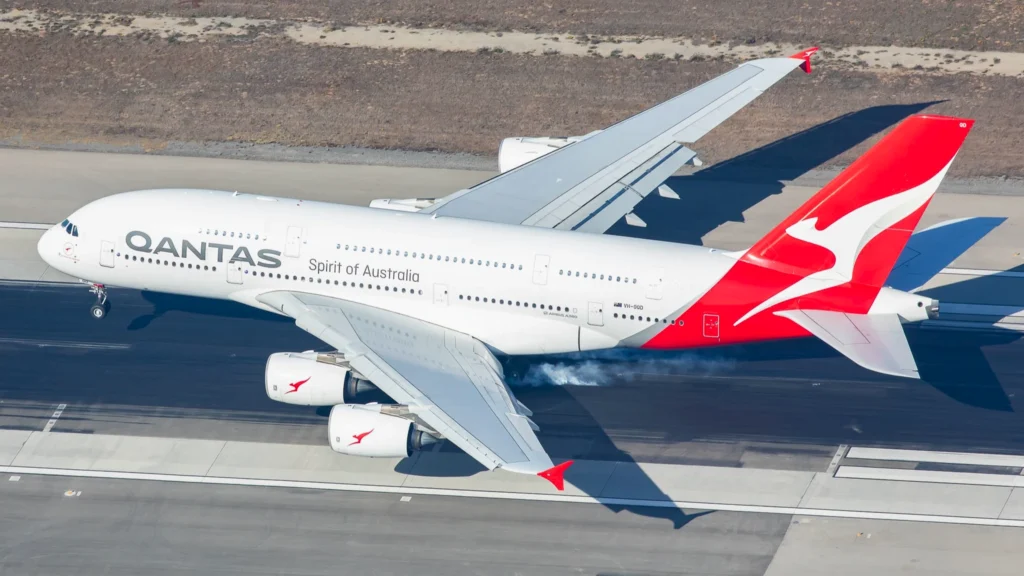
The A380 will therefore remain part of Qantas’ international network for the next several years, but its final chapter is now approaching much sooner than previously expected.
From 2028, the airline will progressively replace the iconic double-deckers with a fleet built around newer, more efficient twin-engine widebodies.
Stay tuned with us. Further, follow us on social media for the latest updates.
Join us on Telegram Group for the Latest Aviation Updates. Subsequently, follow us on Google News
