


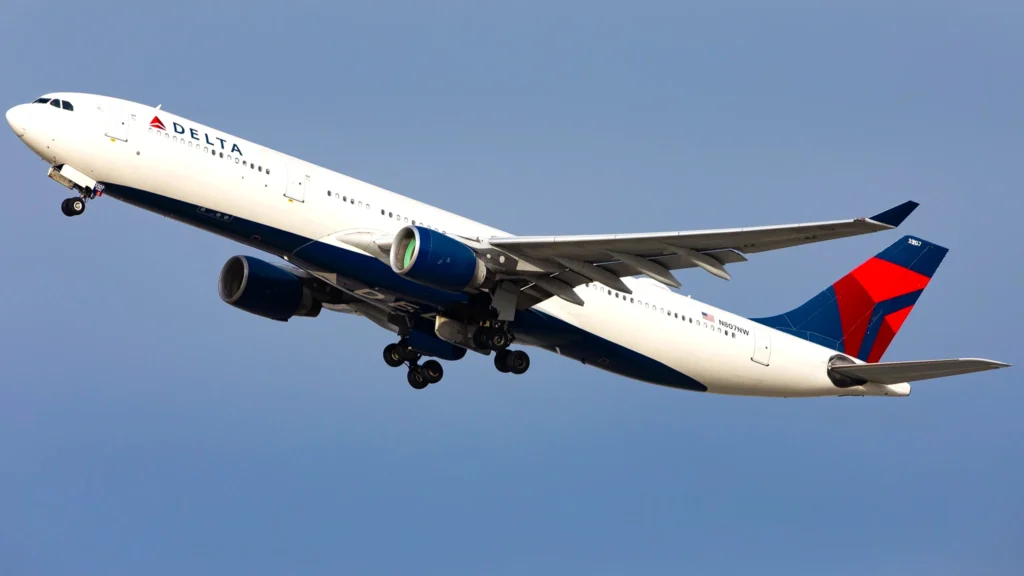
ATLANTA– Delta Air Lines (DL) pilots represented by the Air Line Pilots Association (ALPA) have abandoned plans for accelerated contract negotiations, shifting instead to the traditional bargaining process. The decision could delay changes to pilot scheduling rules that affect operational recovery during disruptions.
The contract discussions involve Delta Air Lines (DL), headquartered in Atlanta, and operations centered at Hartsfield-Jackson Atlanta International Airport (ATL). The move means passengers may continue experiencing slower recovery during severe weather or large-scale operational disruptions.

Delta Pilot Contract Talks
Delta pilots are represented by the Air Line Pilots Association (ALPA), which negotiates labor agreements on behalf of the airline’s flight crews. The current four-year contract was ratified on March 1, 2023, and becomes amendable on December 31, 2026.
Earlier this year, both sides explored an accelerated negotiation process intended to reach a new agreement quickly. That approach has now ended after union leaders concluded that the discussions were no longer capable of delivering an acceptable outcome within a reasonable timeframe.
According to the union, Delta management sought significant scheduling concessions during negotiations. The Master Executive Council (MEC), which governs ALPA’s Delta pilot group, unanimously voted to return to the traditional Section 6 negotiation process under the Railway Labor Act.
The union stated that it will finalize its revised negotiating strategy during its scheduled MEC meeting later this month before resuming formal discussions with Delta management, OMAAT flagged.
Why the Delay Matters for Passengers
The shift away from accelerated negotiations has implications beyond labor relations. One of the key unresolved issues involves Delta’s pilot scheduling system, which plays an important role during irregular operations.
Industry observers have frequently pointed to the airline’s scheduling process as a factor limiting its ability to recover quickly after severe weather, air traffic disruptions, or other operational challenges. When flights are heavily disrupted, assigning available pilots efficiently becomes essential to restoring the network.
Current contractual provisions influence how pilots accept additional flying during these situations. Any major changes to those rules require mutual agreement through a new collective bargaining contract.
Without a new agreement, Delta will continue operating under the existing scheduling framework until negotiations conclude.
Scheduling Rules Remain a Key Negotiation Point
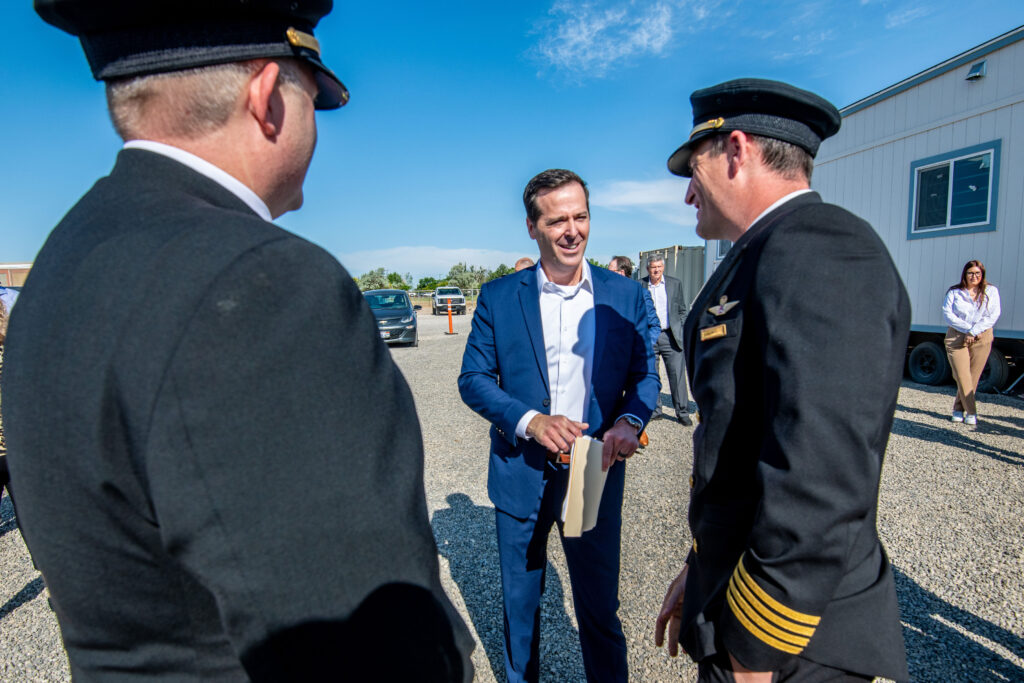
Pilot scheduling has become one of the most significant issues in the negotiations.
The current system allows pilots to pick up disrupted trips under contractual provisions that can result in premium compensation in certain circumstances.
While those rules protect negotiated pilot benefits, airline management has argued that greater scheduling flexibility would improve operational recovery during network disruptions.
The union has maintained that any changes affecting scheduling or compensation must be balanced with meaningful contractual improvements for pilots.
Since accelerated negotiations have been abandoned, discussions over these provisions are expected to continue through the standard bargaining process, which historically can take months or even years before reaching a final agreement.
Potential Impact on Operational Performance
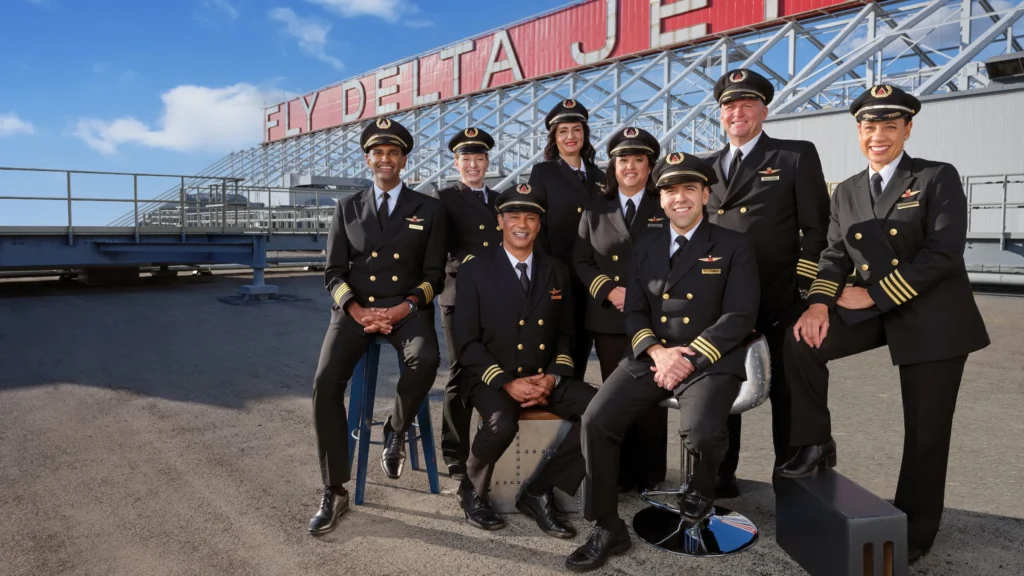
Delta has built a strong reputation over the past decade for operational reliability and on-time performance. However, recent large-scale weather events have exposed challenges in restoring normal operations quickly when widespread disruptions occur.
If another major operational event affects the airline before a new agreement is reached, passengers could continue seeing longer recovery times as Delta works within existing contractual scheduling rules.
The pilot union has previously expressed concerns about flight reliability and has encouraged customers to report significant operational issues to transportation regulators.
While negotiations continue, both the airline and the union are expected to balance operational efficiency with pilot work rules and compensation, making scheduling one of the central topics in the upcoming contract discussions.

What Happens Next
Formal Section 6 negotiations will now become the primary path toward a new pilot contract. The process allows both Delta management and ALPA to negotiate changes covering scheduling, pay, work rules, and other employment conditions.
No timeline has been announced for reaching a tentative agreement. Until negotiations progress, the current contract will remain in effect, and significant scheduling reforms are unlikely to occur.
For travelers, the outcome of these negotiations could ultimately influence how quickly Delta recovers from future operational disruptions, particularly during periods of severe weather or network-wide delays.
Stay tuned with us. Further, follow us on social media for the latest updates.
Join us on Telegram Group for the Latest Aviation Updates. Subsequently, follow us on Google News
