


WASHINGTON, D.C.- The National Transportation Safety Board (NTSB) has identified nonstandard phraseology and ineffective coordination between 2 air traffic controllers as the causes of an April 17, 2024, runway incursion at New York JFK.
The board published its final investigation report on October 29, 2026, detailing how a communication failure placed four aircraft on an active runway.
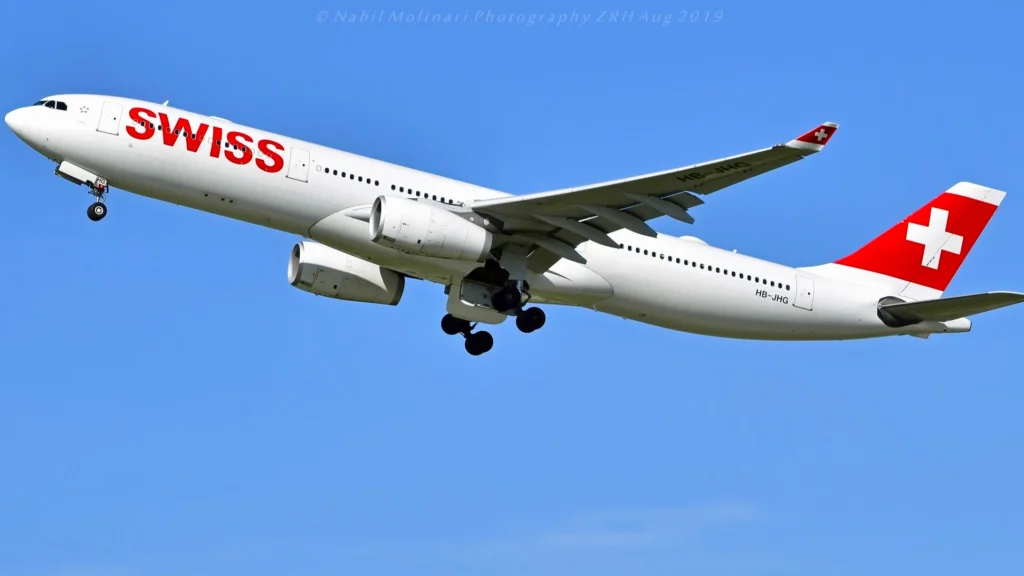
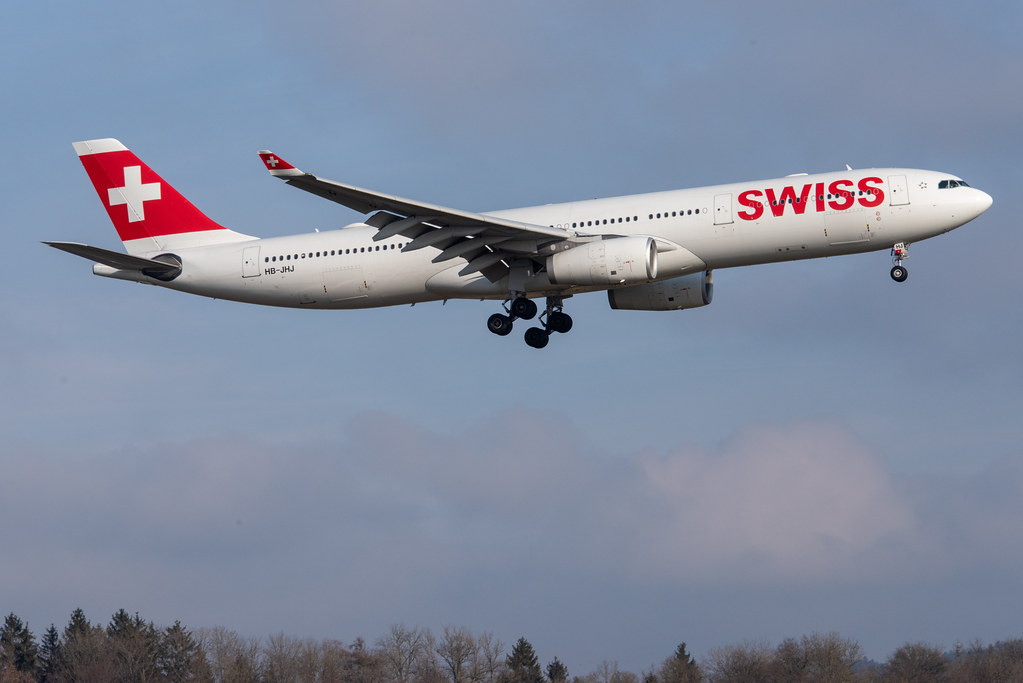
SWISS (LX) flight LX17, operating under the callsign SWR17K, was departing JFK for Zurich Airport (ZRH), Switzerland, aboard an Airbus A330-343 registered as HB-JHD.
The pilots rejected the takeoff after 4 aircraft belonging to Delta Air Lines (DL), Republic Airways (YX), and American Airlines (AA) received clearance to cross runway 4L. No injuries or aircraft damage were reported.

Incorrect ATC Instructions Triggered JFK Runway Incursion
At the time of the incident, JFK was using its parallel runways 4L and 4R for landing and departing aircraft. Two local controllers managed the runway and taxiway movements, with each controller operating on a separate radio frequency.
Local Controller 2 (LC2) was responsible for runway 4L, while Local Controller 1 (LC1) managed runway 4R and the taxiways between the 2 runways.
Four aircraft that had landed on runway 4R needed to cross runway 4L to reach the terminal area. These aircraft were:
- Delta Air Lines flight 29: Boeing 767-400ER.
- Delta Air Lines flight 420: Airbus A220-100.
- Republic Airways flight 5752: Embraer E175.
- American Airlines flight 2246: Boeing 737 MAX 8.
Meanwhile, SWISS flight LX17 was preparing to depart for Zurich aboard its Airbus A330-343.
The four arriving aircraft required runway-crossing clearances from LC1, while LC2 controlled the active departure runway. This arrangement required clear coordination between the two controllers to prevent conflicting aircraft movements.
“One at Each” Phrase Created Confusion
The communication failure began at approximately 4:44:40 PM local time.
LC2 first cleared a Delta Air Lines Airbus A321 operating flight 550 for takeoff from runway 4L. Three seconds later, the controller instructed the SWISS A330 crew to line up and wait on the same runway.
LC2 then asked LC1 to arrange crossings for the four waiting aircraft after the SWISS departure. The instruction identified four crossing intersections: taxiways Yankee Alpha (YA), Golf (G), Fox, and Hotel.
LC1 acknowledged the instruction by responding:
“Roger, behind the departure, I’ll go one at each.”
The two controllers interpreted this response differently.
LC2 intended the crossing aircraft to wait until the SWISS A330 had passed. However, LC1 understood the phrase “the departure” to refer to the Delta A321 that had received takeoff clearance moments earlier.
Consequently, LC1 believed the crossing restriction would be satisfied once the Delta A321 departed. He began arranging the runway crossings based on that understanding rather than waiting for the SWISS A330 to pass.
The NTSB identified this difference in interpretation as a central factor in the incident. The informal phrase did not clearly establish which departing aircraft the crossing instructions referred to, leaving the controllers with different understandings of the same instruction.
Four Aircraft Receive Clearance
At 4:45:41 PM, LC1 cleared Delta Air Lines flight 29 to cross runway 4L at taxiway H.
Nine seconds later, at 4:45:50 PM, LC2 cleared SWISS flight LX17 for takeoff from runway 4L.
Over the following ten seconds, LC1 also cleared American Airlines flight 2246, Republic Airways flight 5752, and Delta Air Lines flight 420 to cross the runway.
Airport surface surveillance data showed the SWISS A330 beginning its takeoff roll at approximately 4:46:10 PM. All four crossing aircraft were approaching runway 4L.
At 4:46:15 PM, the SWISS flight crew informed air traffic control that they were rejecting the takeoff because of traffic on the runway. The A330 had reached approximately 50 knots.
By then, three crossing aircraft had entered runway 4L:
- Delta flight 29.
- Republic Airways flight 5752.
- American Airlines flight 2246.
Delta flight 420, operating the Airbus A220-100, was approaching the runway edge.
The closest aircraft was Delta flight 29, which was crossing at taxiway H at approximately 14 knots. It was about 4,692 feet (1,430 metres) from the SWISS A330.
The flight crew’s decision to reject the takeoff prevented the aircraft from continuing its departure while other aircraft occupied the runway.
What JFK’s ATC Procedures Required
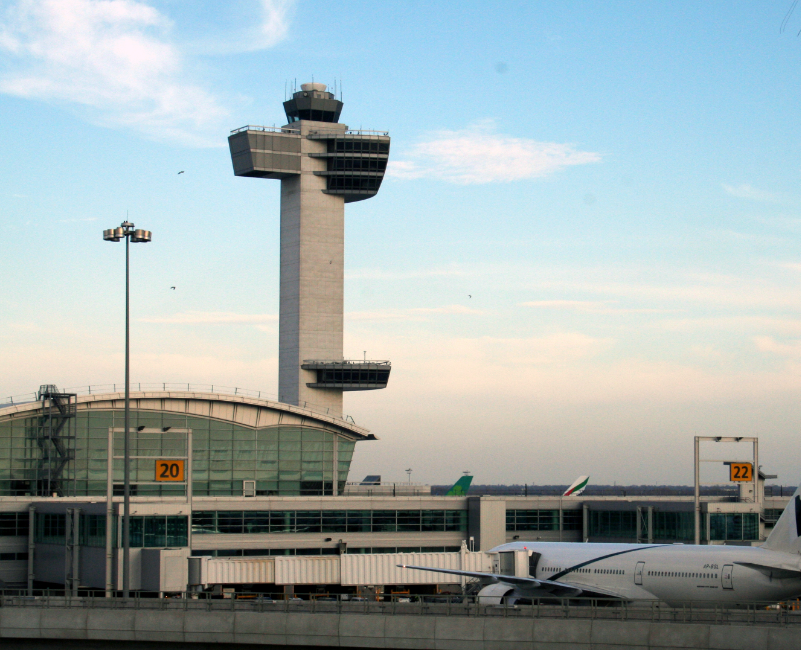
JFK’s tower procedures permit controllers to authorize multiple aircraft to cross a runway at different intersections simultaneously. However, these clearances must identify the runway and each crossing intersection explicitly.
The local procedures specifically state:
“Do not use phraseology such as ‘one at each.'”
The procedures also require a controller receiving a conditional clearance to repeat its limiting condition when acknowledging the instruction.
In this incident, LC1 did not repeat the condition that the aircraft had to wait until the SWISS A330 passed the relevant runway intersections.
A clear acknowledgment would have helped both controllers confirm that they were referring to the same departing aircraft.
Instead, LC1’s response failed to establish that he understood the restriction as LC2 intended. The NTSB determined that the nonstandard phraseology and missing confirmation contributed to the breakdown in shared situational awareness.
Tower Coordination Was Not Recorded
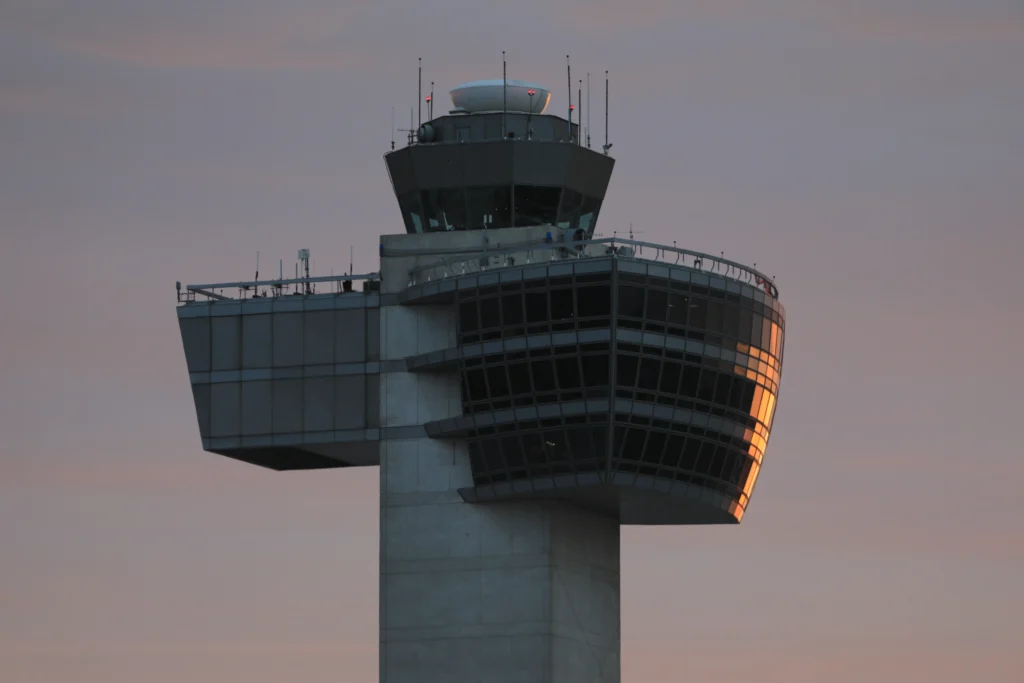
The 2 controllers coordinated their instructions verbally inside the tower cab rather than using an interphone line.
The verbal exchange was not recorded. The investigation therefore relied on the controllers’ accounts and other available information to establish how they understood the instructions.
This detail was important because the disagreement involved the interpretation of a short exchange between 2 controllers rather than an incorrect readback from an aircraft flight crew.
The NTSB’s findings emphasized the importance of explicit communication and confirmation when controllers coordinate conditional runway-crossing instructions.
What 2 Controllers Told NTSB Investigators
The investigation also documented how each controller understood the exchange and why neither initially identified the misunderstanding.
LC2’s account
LC2 told investigators that he interpreted LC1’s verbal “roger” and visual acknowledgment as confirmation that the crossing instruction had been understood correctly.
He also said that he checked the Airport Surface Detection Equipment, Model X (ASDE-X), display and visually checked the runway before issuing the SWISS takeoff clearance.
These checks led him to believe that the runway operation was properly coordinated.
LC1’s account
LC1 told investigators that he started clearing the crossing aircraft after the aircraft ahead of the SWISS A330 had departed.
After beginning the crossings, he heard LC2 clarify that the aircraft were supposed to cross “behind Swiss.”
This clarification exposed the misunderstanding between the two controllers. However, by that point, multiple aircraft had already received crossing clearances.
Their statements show how the same verbal instruction resulted in two different operational interpretations.
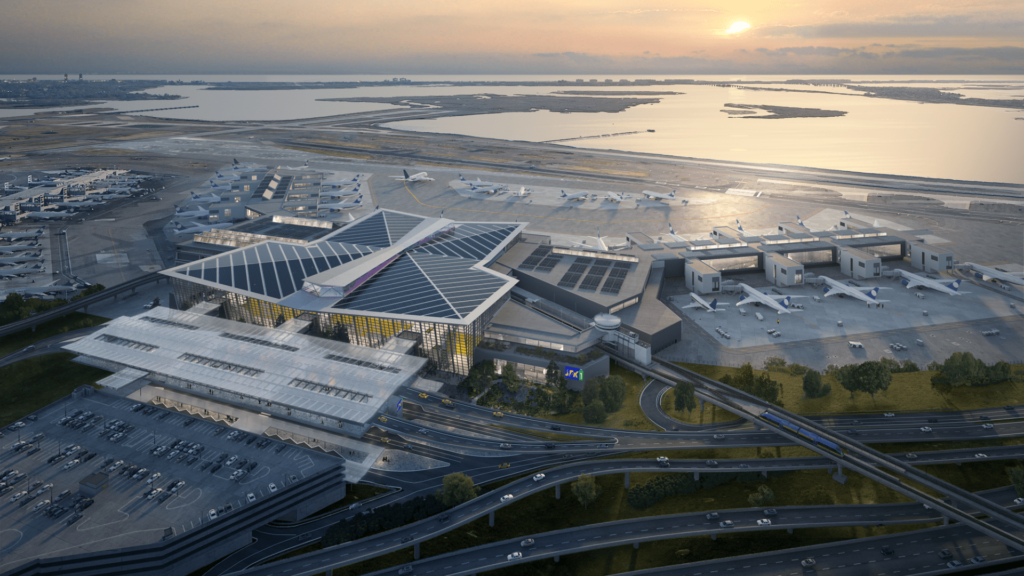
ASDE-X Warning System Did Not Activate
JFK uses Airport Surface Detection Equipment, Model X (ASDE-X), to monitor aircraft and vehicle movements across runways and taxiways.
The system displays surface traffic positions and uses predictive safety logic to identify potential runway conflicts. It can issue visual and audio alerts to air traffic controllers when its monitoring system identifies a possible incursion.
However, ASDE-X did not generate an alert during the April 17 incident.
The NTSB explained that the SWISS A330 never transitioned into the system’s departure state. The departure-state logic requires an aircraft to meet both specified acceleration and velocity thresholds.
Because the A330 did not satisfy the combined criteria, the system did not activate its runway-conflict alert.
The board determined that ASDE-X functioned as designed. Its failure to generate an alert was not identified as the cause of the incident. Instead, the primary breakdown involved the communication and coordination between the two controllers.
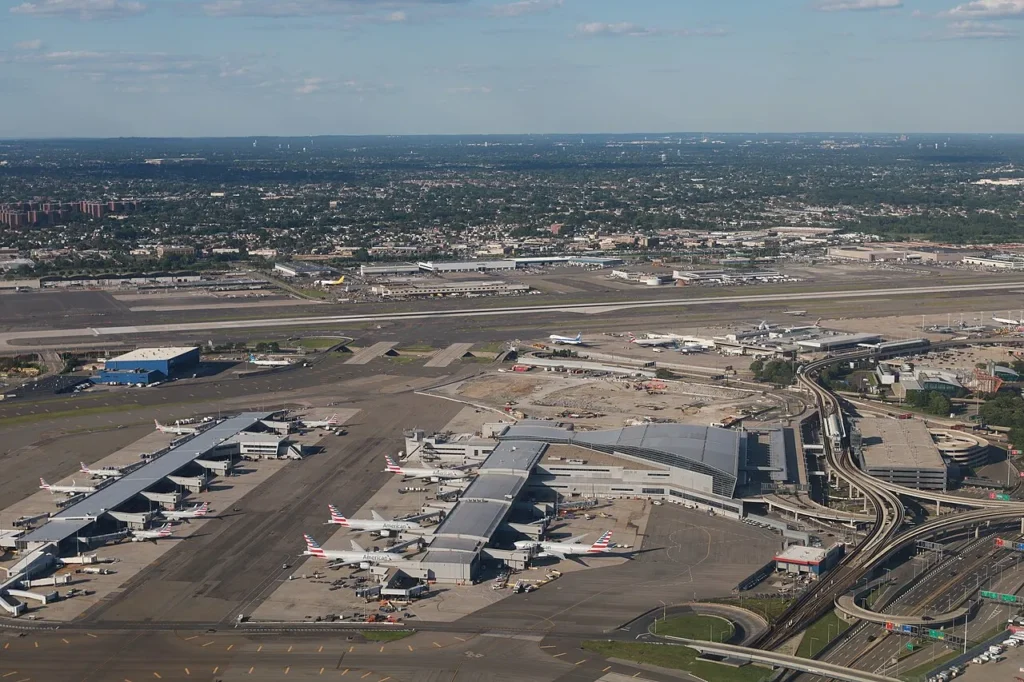
NTSB Identifies Probable Cause of Runway Incursion
The NTSB’s final report identified nonstandard runway-crossing phraseology and ineffective coordination between LC1 and LC2 as the probable causes of the incident.
The board’s exact probable cause statement reads:
“Nonstandard crossing phraseology and ineffective coordination between local controller 1 (LC1) and local controller 2 (LC2) which resulted in degraded shared situation awareness, and a runway incursion.”
The finding establishes that the incident developed because the two controllers did not maintain a common understanding of which aircraft had to pass before the runway crossings could begin.
The phrase “one at each” failed to meet JFK’s prescribed communication standards. LC1 also did not repeat the limiting condition when acknowledging the instruction.
Together, these failures allowed LC1 to begin crossing aircraft after the Delta A321 departed, even though LC2 intended the crossings to take place after the SWISS A330 had passed.
The board’s conclusion places the primary responsibility for the runway incursion on the breakdown in tower coordination and the use of nonstandard phraseology.
SWISS Crew Rejects Takeoff
The SWISS flight crew rejected the takeoff at approximately 50 knots after identifying aircraft crossing the active runway.
The A330 stopped well before reaching the crossing traffic. The closest aircraft, Delta flight 29, remained approximately 4,692 feet away at the time of the incident.
None of the 5 aircraft involved sustained damage, and no passengers or crew members were injured.
The incident demonstrated how an unclear instruction between two air traffic controllers can compromise runway safety, even when the airport has established procedures and surface surveillance technology.
The NTSB investigation highlighted the importance of standard phraseology, explicit conditional clearances, and accurate readbacks during complex runway operations. The crew’s decision to reject the takeoff prevented the situation from developing further.
Stay tuned with us. Further, follow us on social media for the latest updates.
Join us on Telegram Group for the Latest Aviation Updates. Subsequently, follow us on Google News
