

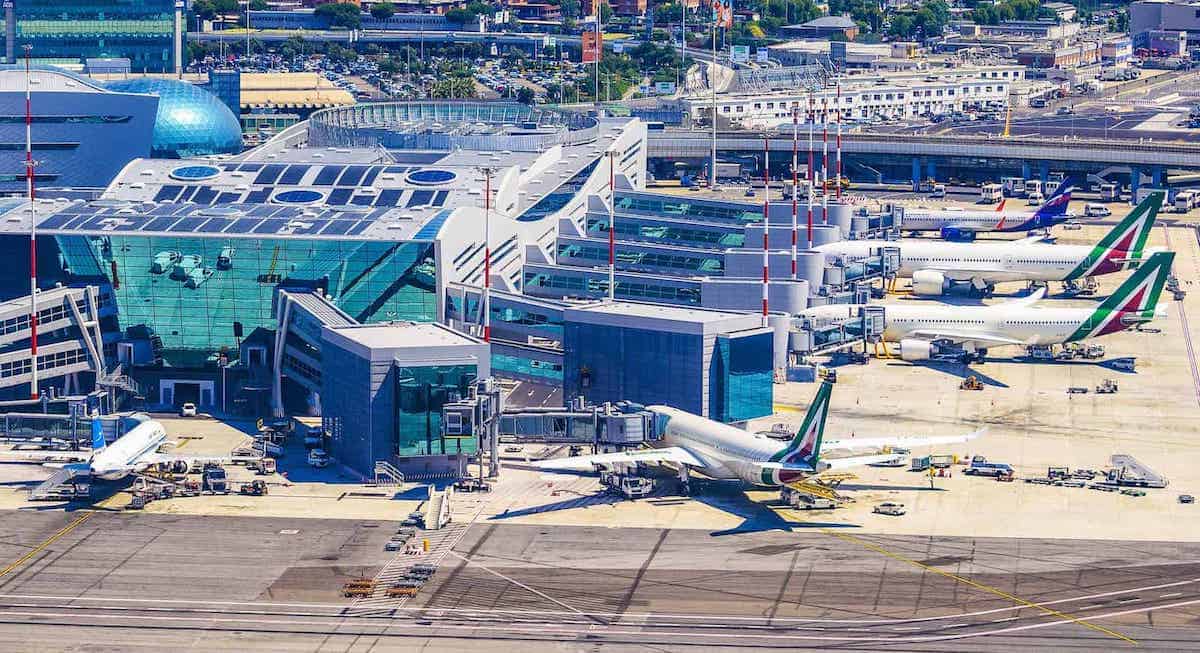
The world’s busiest airports are often judged not only by the number of passengers they handle but also by the quality of the experience they provide. Airports welcoming between 50 and 60 million travellers each year face the demanding task of balancing high traffic volumes with efficiency, comfort, and customer satisfaction.
The best among them manage to do exactly that, offering modern terminals, reliable operations, excellent amenities, and outstanding service.
The Skytrax World Airport Awards 2026 recognise airports that consistently impress passengers across categories such as cleanliness, terminal design, shopping, dining, staff service, security procedures, and overall travel experience. The airports in this category span Europe, Asia, North America, and the Middle East, reflecting the truly global nature of modern aviation.
Top 10 Airports Handling 50 to 60 million passengers in 2026
Whether serving as major international hubs or vital domestic gateways, these airports have earned their place through continual investment and a commitment to passenger-focused operations. Here are the top 10 best airports in the world handling between 50 and 60 million passengers in 2026.
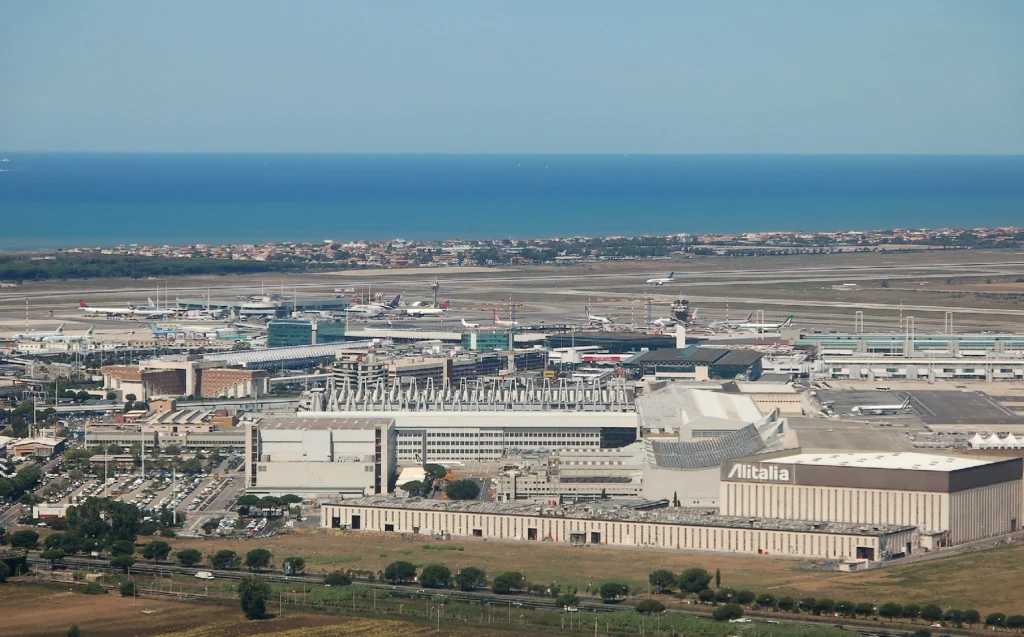
1. Rome Fiumicino Airport (Italy)
Rome Fiumicino claims the top position in this category and continues to strengthen its reputation as one of Europe’s finest airports.
Serving Italy’s capital city, the airport has undergone extensive modernisation in recent years, with upgraded terminals, expanded retail areas, and improved passenger facilities. Travellers consistently praise its cleanliness, efficient security procedures, and welcoming atmosphere.
The airport also features an excellent selection of restaurants showcasing Italian cuisine alongside international brands, making layovers far more enjoyable. Staff members are recognised for their professionalism and customer service, while transport links into central Rome remain fast and convenient.
Fiumicino demonstrates that a high-capacity airport can combine operational excellence with genuine passenger comfort.
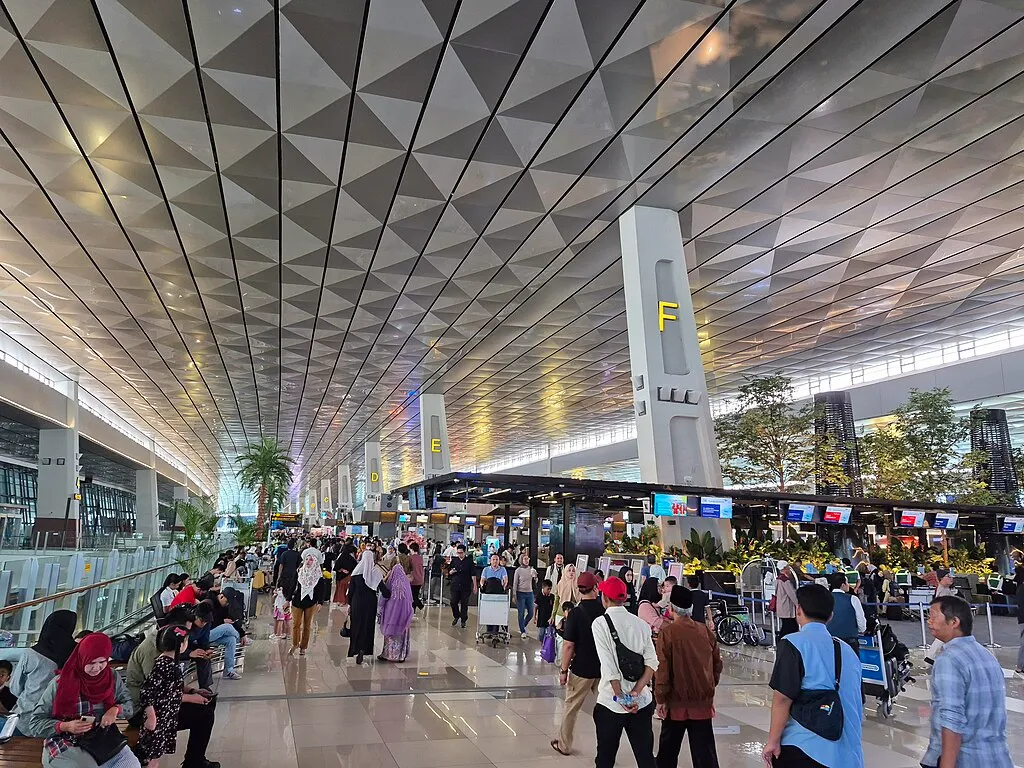
2. Soekarno-Hatta International Airport, Jakarta (Indonesia)
Jakarta ranks second and continues to emerge as one of Southeast Asia’s premier aviation hubs.
The airport’s terminals blend modern infrastructure with elements inspired by Indonesian architecture and culture. Significant investments in technology and passenger facilities have improved efficiency while supporting rapidly growing traffic volumes.
Visitors appreciate the spacious terminals, varied dining choices, and expanding shopping options. Customer service teams are known for their friendliness and willingness to assist both domestic and international passengers.
As Indonesia’s primary gateway, Jakarta continues to raise its standards to compete with the region’s leading airports.
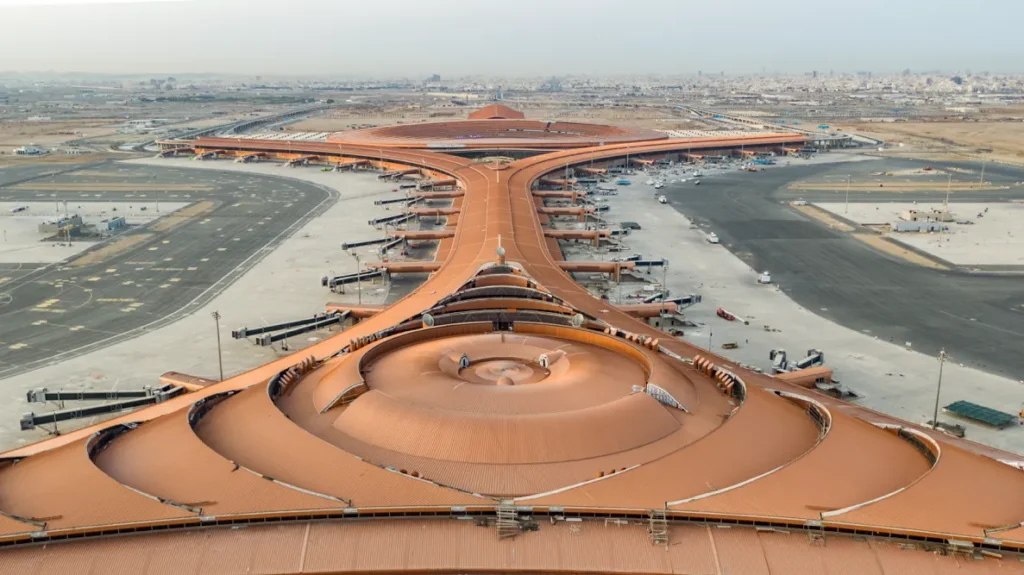
3. King Abdulaziz International Airport, Jeddah (Saudi Arabia)
Jeddah secures third place thanks to its impressive facilities and strategic importance.
Serving millions of international visitors, including religious pilgrims travelling to nearby holy sites, the airport operates one of the Middle East’s most significant aviation gateways. Modern terminals feature expansive waiting areas, premium lounges, and efficient passenger processing systems.
The airport’s multilingual staff help guide travellers from around the world, while ongoing infrastructure improvements continue enhancing capacity and service quality.
Jeddah’s blend of scale, modern architecture, and operational efficiency has earned widespread recognition.
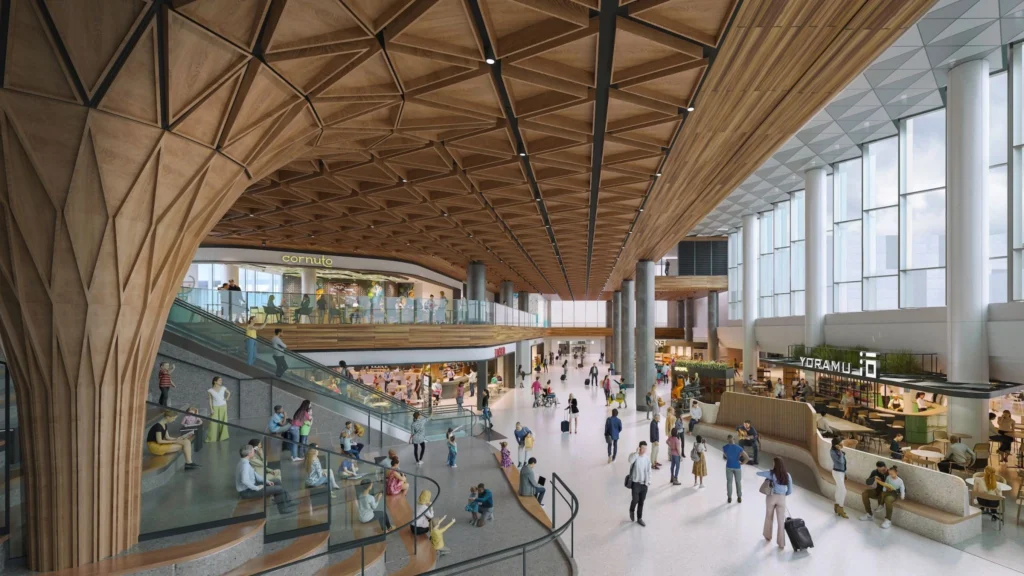
4. Seattle-Tacoma International Airport (United States)
Seattle-Tacoma, commonly known as Sea-Tac, ranks fourth among airports handling between 50 and 60 million passengers.
Located in the Pacific Northwest, the airport is recognised for its clean facilities, efficient operations, and growing portfolio of passenger amenities. Major investments have expanded terminal capacity while improving sustainability initiatives.
Travellers enjoy diverse dining options, local coffee brands, comfortable lounges, and art installations throughout the airport. Staff members receive positive feedback for their professionalism and customer-focused approach.
Sea-Tac continues strengthening its role as one of North America’s leading international gateways.
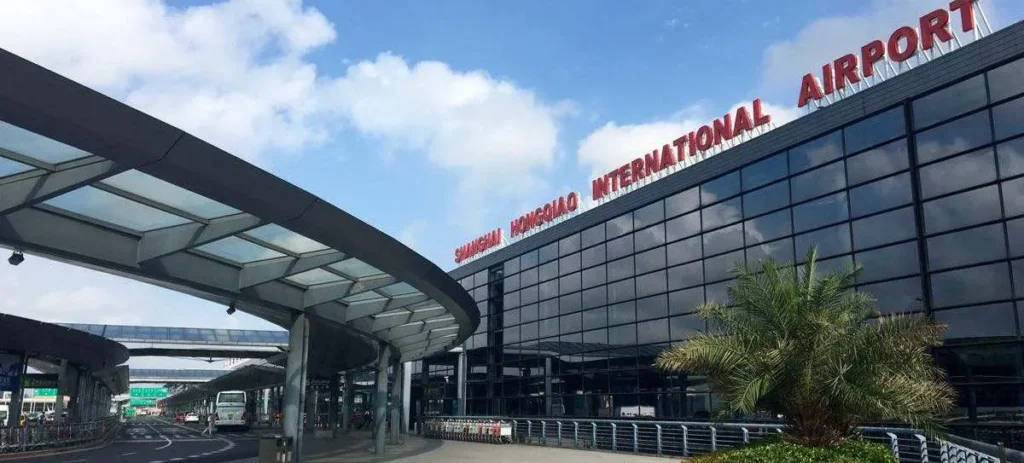
5. Shanghai Hongqiao International Airport (China)
Shanghai Hongqiao takes fifth place and remains one of China’s busiest domestic and regional aviation centres.
Unlike nearby Pudong, Hongqiao focuses heavily on domestic services while also operating selected international routes. Its close proximity to central Shanghai makes it particularly convenient for business travellers.
Passengers frequently praise the airport’s efficient layout, rapid transport connections, and well-maintained facilities. Retail outlets and restaurants provide a broad range of choices, while staff maintain smooth operations despite heavy traffic.
Its combination of accessibility and efficiency makes Hongqiao one of China’s standout airports.

6. San Francisco International Airport (United States)
San Francisco International Airport ranks sixth and continues earning global recognition for innovation and sustainability.
Serving California’s Bay Area, the airport has invested heavily in passenger experience, including upgraded terminals, modern lounges, and extensive public art displays. Environmental initiatives have also positioned it among the world’s most sustainable airports.
Travellers appreciate the airport’s spacious design, technology-friendly facilities, and diverse food offerings reflecting the multicultural character of the region. Staff members consistently receive favourable reviews for their helpfulness and professionalism.
San Francisco remains a major gateway connecting North America with Asia and the Pacific.
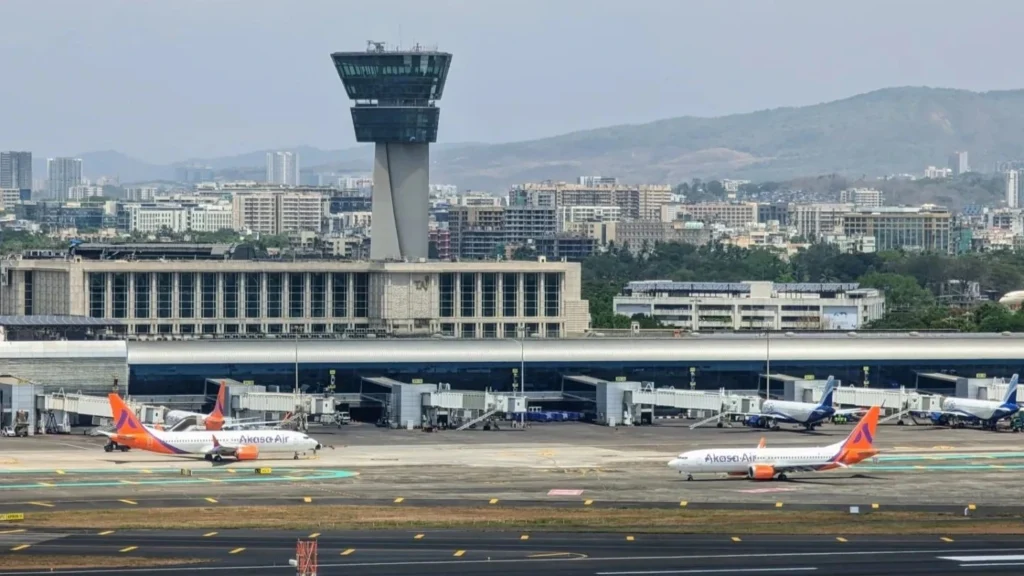
7. Chhatrapati Shivaji Maharaj International Airport, Mumbai (India)
Mumbai secures seventh place and continues serving as one of India’s busiest aviation hubs.
The airport is especially admired for Terminal 2, whose striking architecture incorporates art and design inspired by India’s cultural heritage. Spacious interiors, efficient baggage systems, and upgraded passenger amenities contribute to a positive travel experience.
Visitors often commend the airport’s cleanliness and hospitality, while its retail and dining options cater to both domestic and international travellers.
Mumbai’s continuing investments in infrastructure ensure it remains one of South Asia’s leading airports.
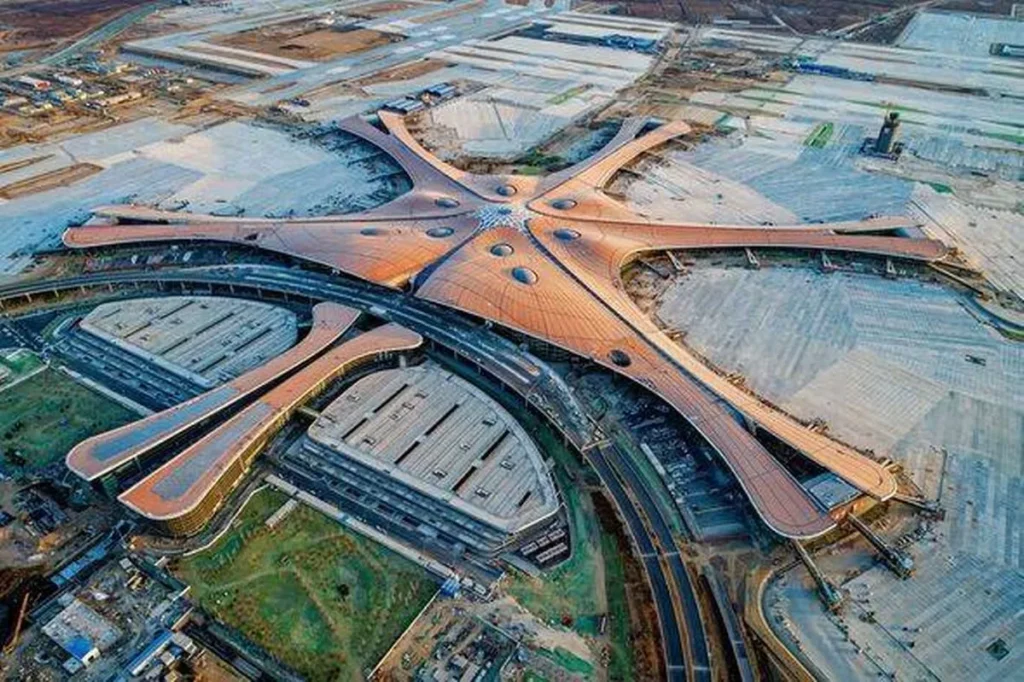
8. Beijing Daxing International Airport (China)
Beijing Daxing claims eighth position and stands out for its remarkable architecture and advanced technology.
Designed as one of the world’s most modern airports, Daxing features a futuristic starfish-inspired layout that reduces walking distances while simplifying passenger navigation. Smart technologies support check-in, security, and boarding procedures.
Passengers appreciate the spacious interiors, contemporary design, and efficient operations. Retail outlets, restaurants, and premium lounges further enhance the airport experience.
Despite its relatively recent opening, Daxing has already become a benchmark for next-generation airport development.
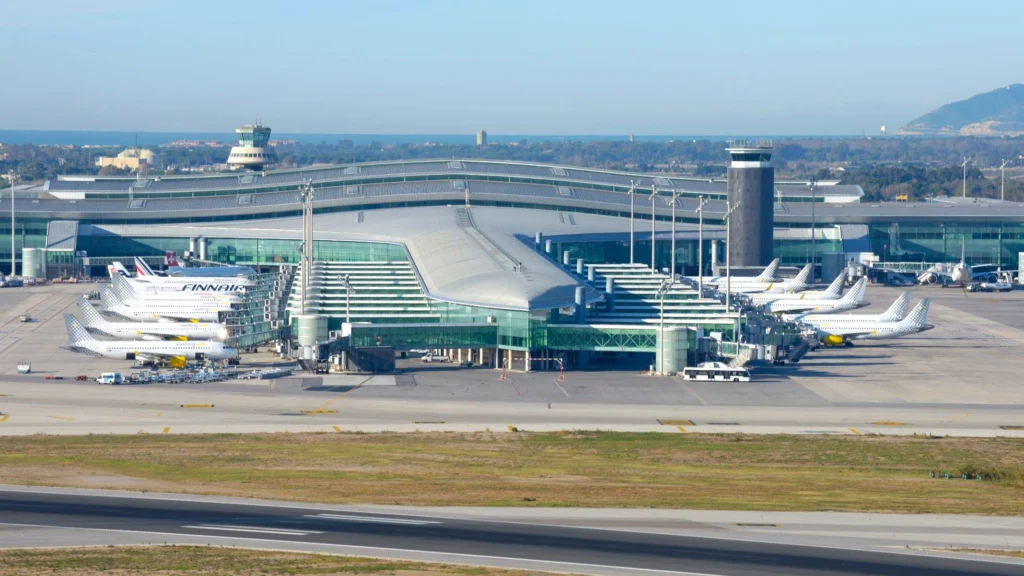
9. Josep Tarradellas Barcelona-El Prat Airport (Spain)
Barcelona ranks ninth and continues to serve as one of Southern Europe’s most important aviation gateways.
Its modern terminals accommodate millions of leisure and business travellers every year while maintaining high standards of cleanliness and customer service. Shopping areas, restaurants, and airline lounges provide plenty of options for passengers during their journeys.
Airport staff are frequently praised for their professionalism, and strong transport links make reaching central Barcelona straightforward.
The airport’s blend of Mediterranean hospitality and operational efficiency continues attracting positive passenger reviews.
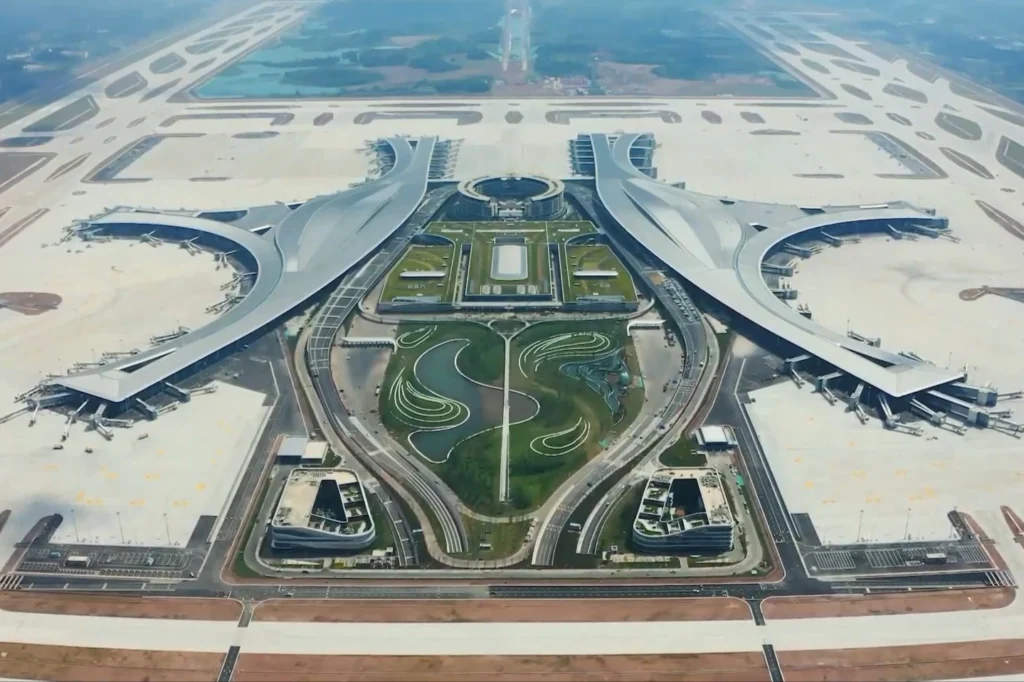
10. Chengdu Tianfu International Airport (China)
Chengdu Tianfu rounds out the top ten and has quickly established itself as one of China’s most impressive aviation developments.
Built to support the rapid growth of western China’s economy, the airport features expansive terminals, cutting-edge technology, and efficient passenger services. Its architecture combines modern design with regional influences while offering spacious waiting areas and premium facilities.
Passengers often note the airport’s clean environment, organised operations, and friendly customer service. As more airlines expand services through Chengdu, Tianfu’s importance within the global aviation network continues to grow.
Why These Airports Excel
The leading airports in the 50–60 million passenger category share several important qualities:
- Efficient check-in and security procedures.
- Modern, well-maintained terminals.
- High standards of cleanliness.
- Excellent shopping and dining options.
- Comfortable lounges and seating areas.
- Helpful and professional staff.
- Reliable baggage handling systems.
- Strong public transport connections.
- Clear signage and passenger information.
- Continuous investment in technology and infrastructure.
Together, these features help deliver smooth and enjoyable travel experiences despite significant passenger volumes.

Key Trends in 2026
Several themes emerge among this year’s highest-ranked airports:
- Investment in passenger comfort – Many airports have expanded lounges, dining choices, family facilities, and wellness areas to improve the overall experience.
- Digital innovation – Automation, biometric systems, and smart technologies continue streamlining airport operations and reducing waiting times.
- Sustainability initiatives – Airports increasingly prioritise environmentally responsible construction, energy efficiency, and waste reduction programmes.
- Architectural excellence – Many modern terminals combine functionality with striking designs that reflect local culture and identity.
Bottom Line
The best airports handling between 50 and 60 million passengers prove that exceptional customer experiences are possible even at a substantial scale.
As global travel continues to expand, these airports remain benchmarks for quality, innovation, and passenger satisfaction.
Best Airports in the World FAQs
Rome Fiumicino Airport in Italy holds the top position according to the Skytrax 2026 rankings for this passenger category.
China has three airports in the ranking: Shanghai Hongqiao, Beijing Daxing, and Chengdu Tianfu.
Their strengths include efficient operations, modern facilities, cleanliness, customer service, shopping, dining, and continual investment in improving the passenger experience.
Stay tuned with us. Further, follow us on social media for the latest updates.
Join us on Telegram Group for the Latest Aviation Updates. Subsequently, follow us on Google News
