

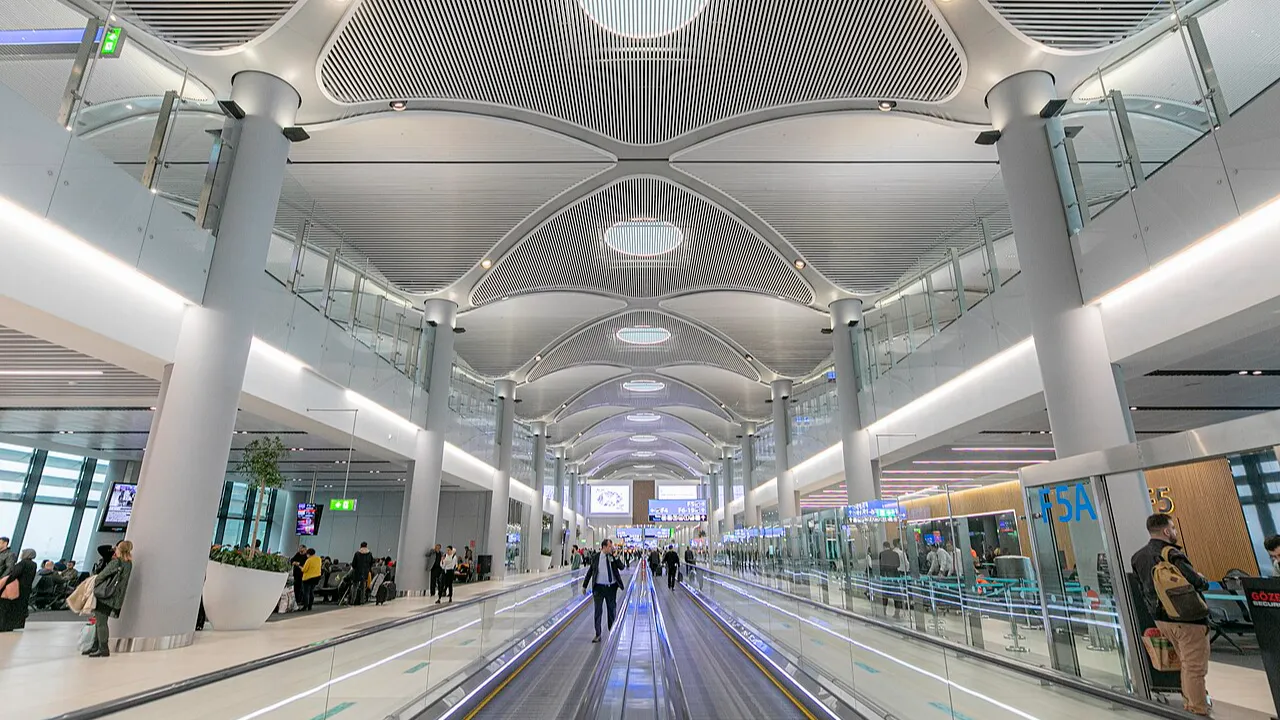
Airports that handle more than 80 million passengers annually face enormous operational challenges. From managing thousands of daily flights to ensuring smooth security screening, baggage handling, and passenger services, these mega hubs operate on a scale few transportation facilities can match.
Yet the very best continue to deliver efficiency, comfort, and outstanding customer experiences despite the immense volume of travellers passing through their terminals.
The Skytrax World Airport Awards recognise airports that combine operational excellence with high levels of passenger satisfaction.
The 2026 rankings for airports handling over 80 million passengers showcase facilities that have successfully balanced size with service quality, offering modern terminals, efficient connections, excellent amenities, and friendly staff.
The airports featured here are among the busiest on the planet, serving as global gateways for tourism, commerce, and international connectivity. Many have invested billions in infrastructure upgrades, digital technologies, and passenger-focused improvements to maintain their competitive edge.
Top 10 Best Airports Handling 80+ Million Passengers in 2026
Here are the top 10 best airports in the world handling 80+ Million Passengers in 2026, according to Skytrax.
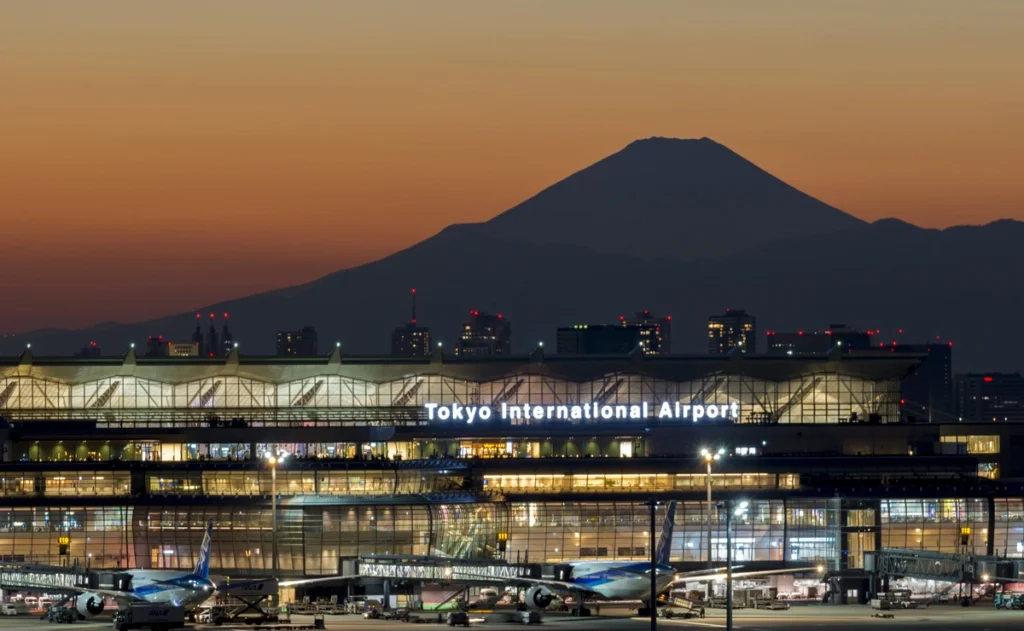
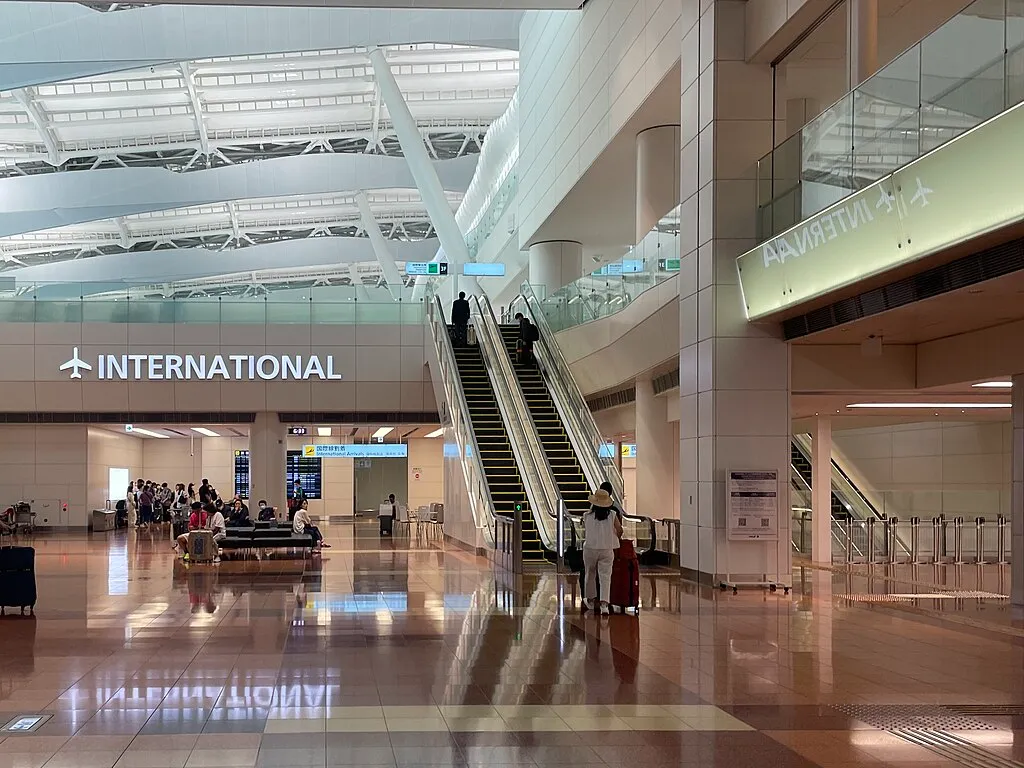
1. Tokyo Haneda Airport (Japan)
Tokyo Haneda (HND) claims the top spot among the world’s busiest airports, continuing its remarkable reputation for efficiency and passenger satisfaction.
Located just a short distance from central Tokyo, Haneda combines exceptional convenience with world-class facilities. Despite handling well over 80 million passengers each year, the airport is renowned for punctual operations, spotless terminals, and intuitive layouts that make navigation easy for travellers.
Customer service remains one of Haneda’s strongest assets. Airport employees are consistently praised for their professionalism, courtesy, and willingness to assist visitors from around the globe. Immigration, baggage delivery, and boarding processes are generally smooth and well organised.
The airport also offers an impressive selection of restaurants, shopping outlets, lounges, and observation decks, allowing passengers to enjoy their time before departure. Excellent transport links to the city centre further enhance its appeal.
Haneda demonstrates that even one of the world’s busiest airports can maintain exceptional standards of service and efficiency.
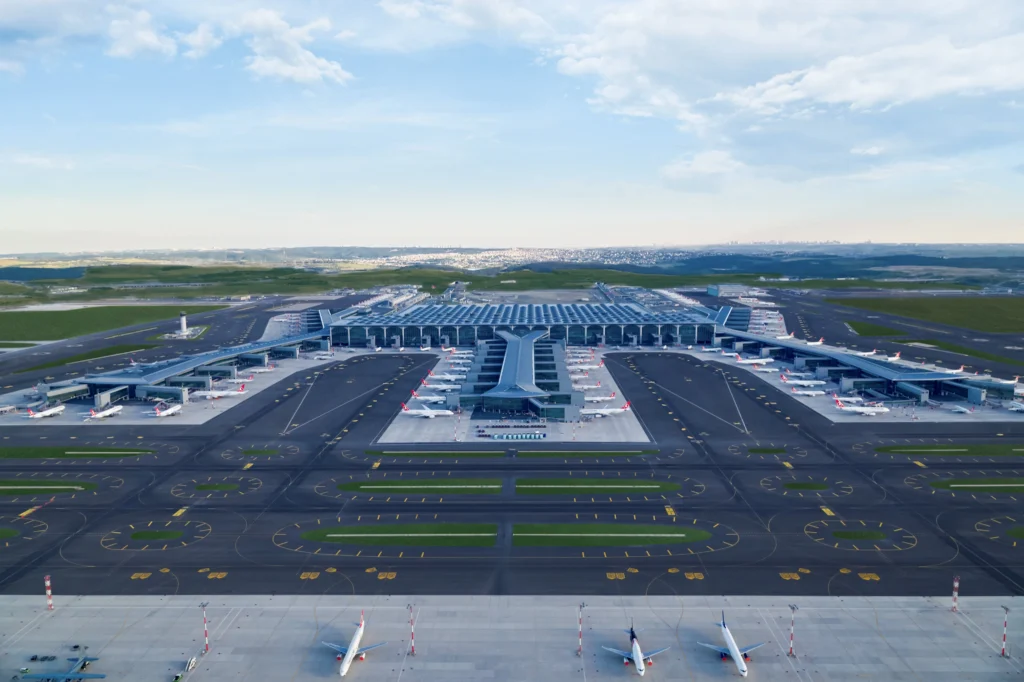
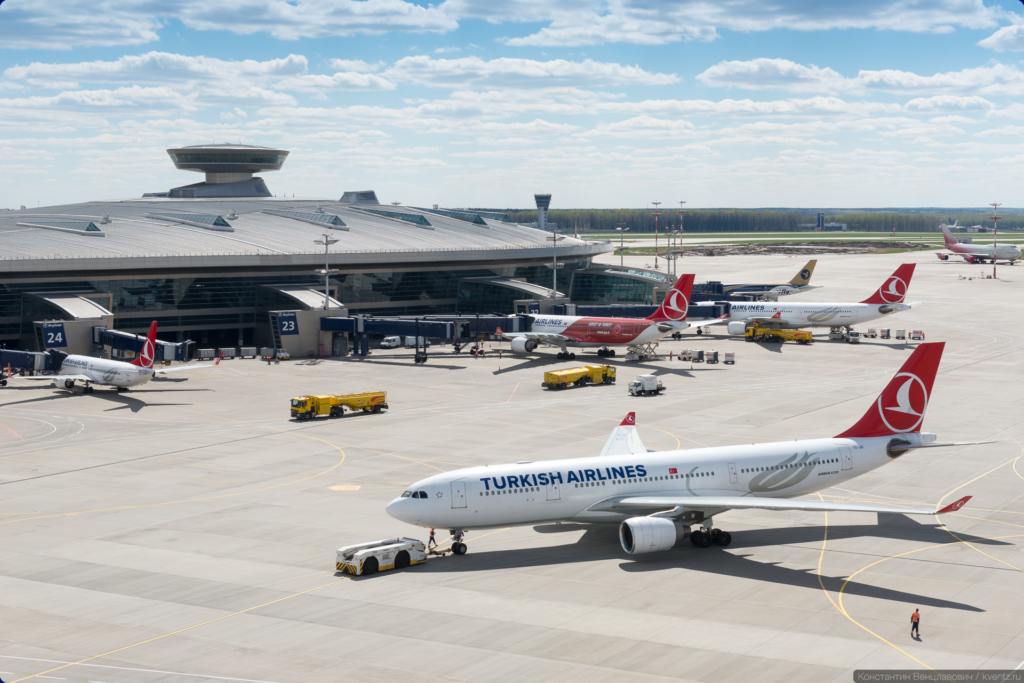
2. Istanbul Airport (Turkey)
Istanbul Airport (IST) rises to second place among the world’s best airports, handling more than 80 million passengers in 2026. Opened as one of the most ambitious aviation projects in modern history, it has rapidly established itself as a premier global hub linking Europe, Asia, Africa, and the Middle East.
Its vast, modern terminal is designed to accommodate huge passenger volumes while maintaining an efficient and comfortable travel experience. Wide concourses, intuitive wayfinding, spacious lounges, extensive shopping areas, and a broad range of dining options make it popular with both transit passengers and those beginning or ending their journeys in Turkey.
Travellers regularly praise the airport for its cleanliness, impressive architecture, and smooth transfer process. Customer service staff are known for their professionalism and multilingual assistance, helping international passengers navigate one of the busiest hubs in the world.
As the primary hub for Turkish aviation and an increasingly important global connection point, Istanbul Airport combines scale with operational excellence, earning its place among the very best mega airports worldwide.
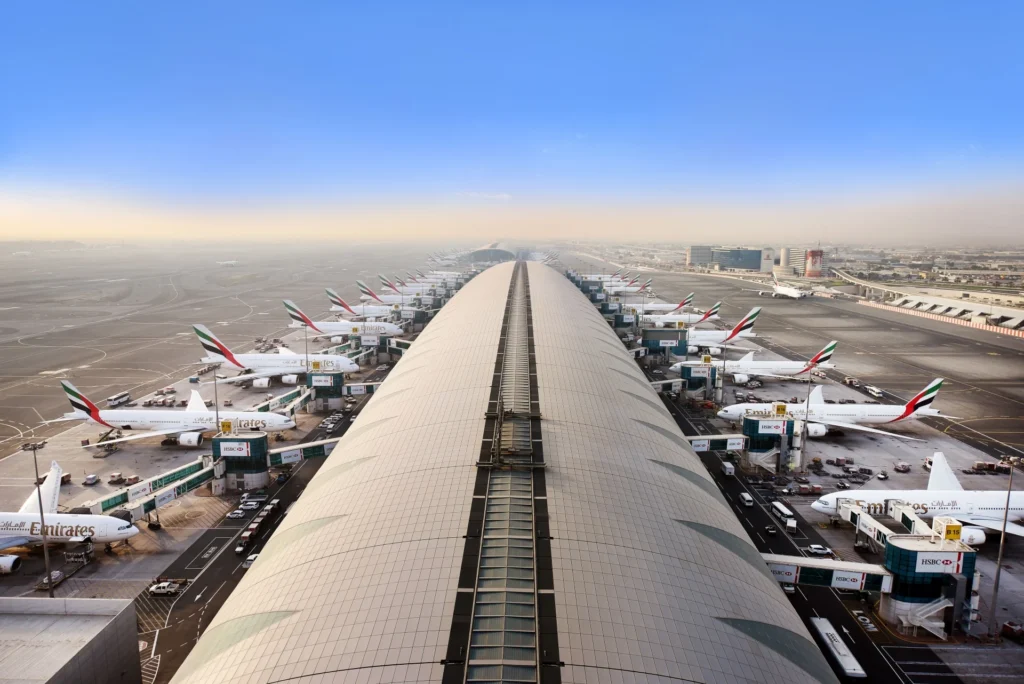
3. Dubai International Airport (United Arab Emirates)
Dubai International Airport (DXB) secures third place thanks to its status as one of the world’s premier global transit hubs.
Connecting passengers across Europe, Asia, Africa, Oceania, and the Americas, Dubai welcomes travellers from virtually every corner of the globe. Its vast terminal complex offers luxury shopping, premium lounges, fine dining, and numerous entertainment options.
The airport has become synonymous with long-haul connectivity, serving as a major hub for international travel and enabling seamless transfers between continents. Despite handling extraordinary passenger volumes, operations remain highly efficient.
Visitors frequently praise the multilingual staff, modern facilities, and streamlined transfer processes. Extensive investments in technology and infrastructure continue to improve the passenger experience while supporting future growth.
Dubai’s combination of luxury, scale, and operational excellence makes it one of aviation’s flagship airports.
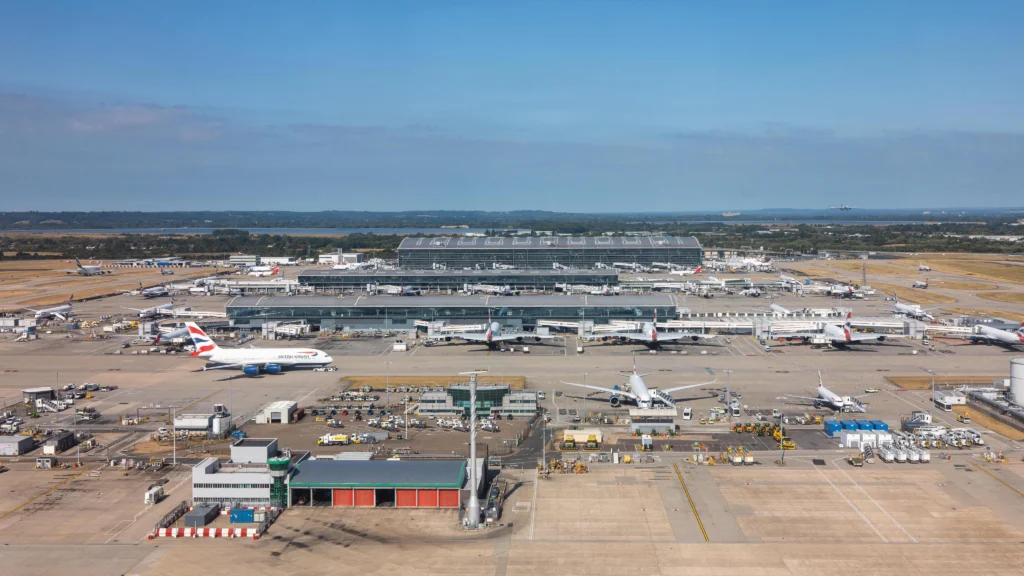
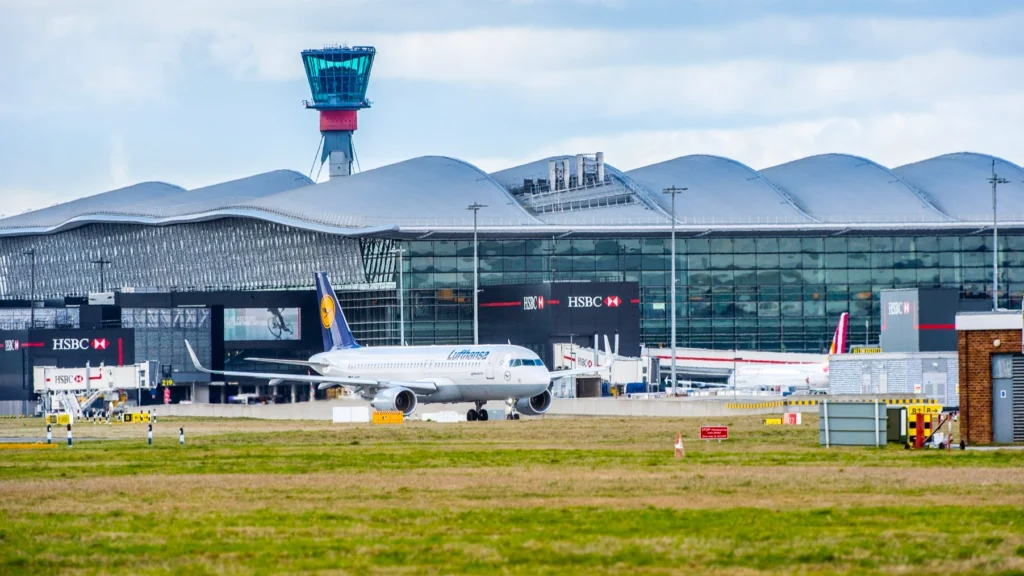
4. London Heathrow Airport (United Kingdom)
London Heathrow (LHR) remains Europe’s busiest airport and ranks fourth among airports handling more than 80 million passengers.
Serving as the United Kingdom’s principal international gateway, Heathrow connects hundreds of destinations worldwide through an extensive airline network. The airport’s terminals offer premium retail experiences, diverse dining options, and modern lounges catering to business and leisure travellers alike.
Although operating at extremely high capacity, Heathrow continues to invest in customer service improvements, digital innovation, and infrastructure upgrades. Staff members are regularly recognised for assisting passengers through one of the world’s most complex airport environments.
Its strategic location and global connectivity ensure Heathrow remains one of the most influential aviation hubs anywhere in the world.
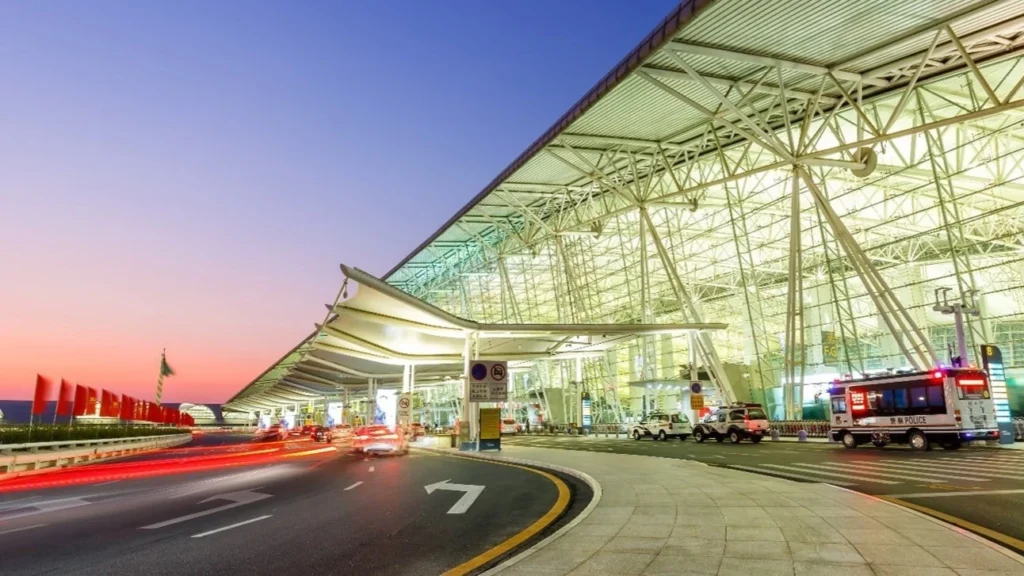
5. Guangzhou Baiyun International Airport (China)
Guangzhou Baiyun ranks fifth and continues strengthening its position as one of Asia’s leading aviation centres.
Located in southern China, the airport serves as a major gateway for both domestic and international travel. Its expansive terminals feature modern architecture, efficient passenger processing systems, and a growing range of retail and dining facilities.
The airport has invested significantly in automation and digital technologies to improve efficiency while accommodating increasing passenger numbers. Staff members are generally praised for maintaining organised operations despite the scale of daily traffic.
Guangzhou’s importance as a commercial and logistics hub further reinforces the airport’s global significance.
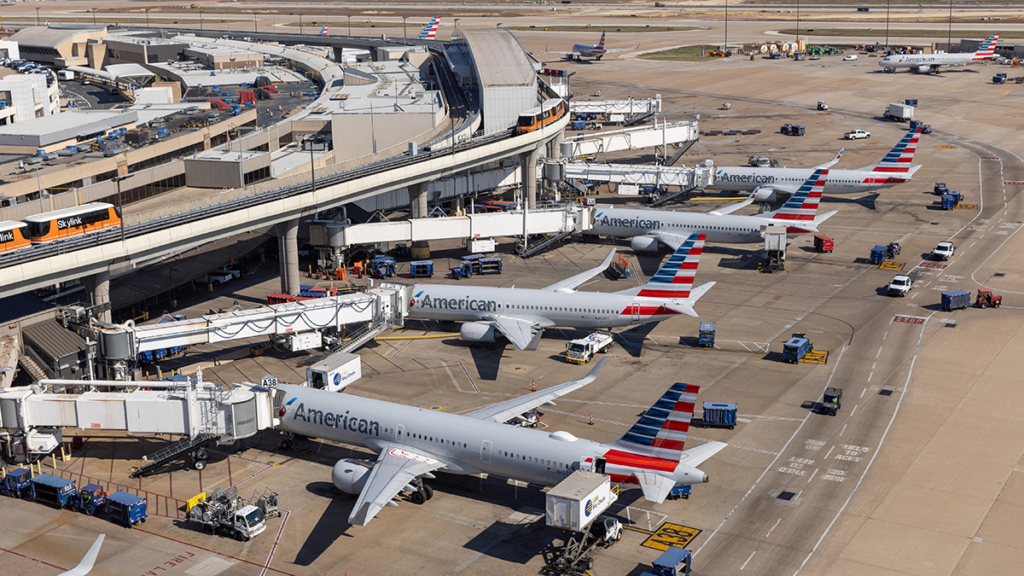
6. Dallas/Fort Worth International Airport (United States)
Dallas/Fort Worth (DFW) earns sixth place and remains one of the largest airports in the world by land area and passenger volume.
Strategically located in Texas, the airport functions as a crucial hub for domestic and international travel throughout North America. Its extensive terminal network supports efficient connections while offering numerous passenger amenities.
Travellers often commend the airport for its organised layout, comprehensive transport systems, and helpful staff. Investments in technology and sustainability initiatives continue to enhance operational performance.
Dallas/Fort Worth demonstrates how large-scale infrastructure can be effectively combined with customer-focused service.
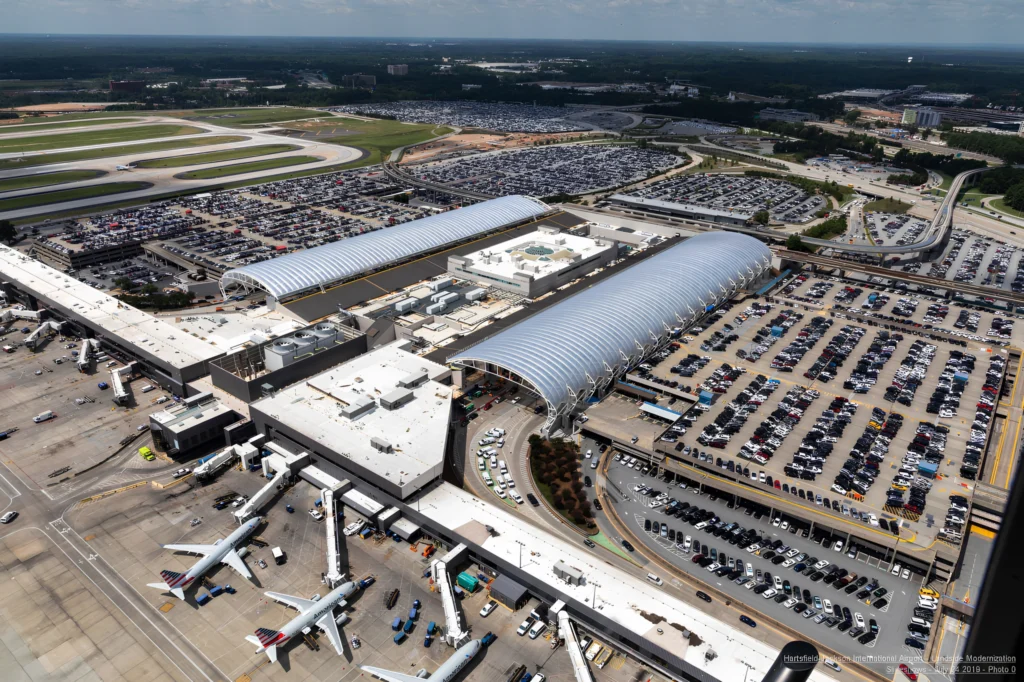
7. Hartsfield-Jackson Atlanta International Airport (United States)
Atlanta (ATL) secures seventh position and continues ranking among the busiest airports globally.
Its central location within the United States makes it a key connecting point for domestic and international flights. Every day, tens of thousands of passengers transit through its extensive concourses and transport systems.
Despite extraordinary traffic volumes, Atlanta maintains efficient flight operations and consistently strong reliability. Ongoing terminal enhancements and customer service initiatives have improved the overall passenger experience.
Retail offerings, dining choices, and transport connectivity remain among the airport’s notable strengths, helping travellers navigate one of aviation’s busiest environments with relative ease.

8. Denver International Airport (United States)
Denver International Airport (DEN) ranks eighth and continues expanding as one of North America’s most important aviation gateways.
Recognisable by its distinctive roof architecture, Denver offers spacious terminals and extensive runway capacity that support growing passenger demand. The airport’s layout allows efficient aircraft movements while providing travellers with comfortable facilities.
Passengers appreciate Denver’s clean terminals, diverse food options, and ongoing investments in terminal modernisation. Airport staff are frequently recognised for maintaining friendly and professional service.
Its strategic location also makes Denver a valuable connecting hub between the eastern and western United States.
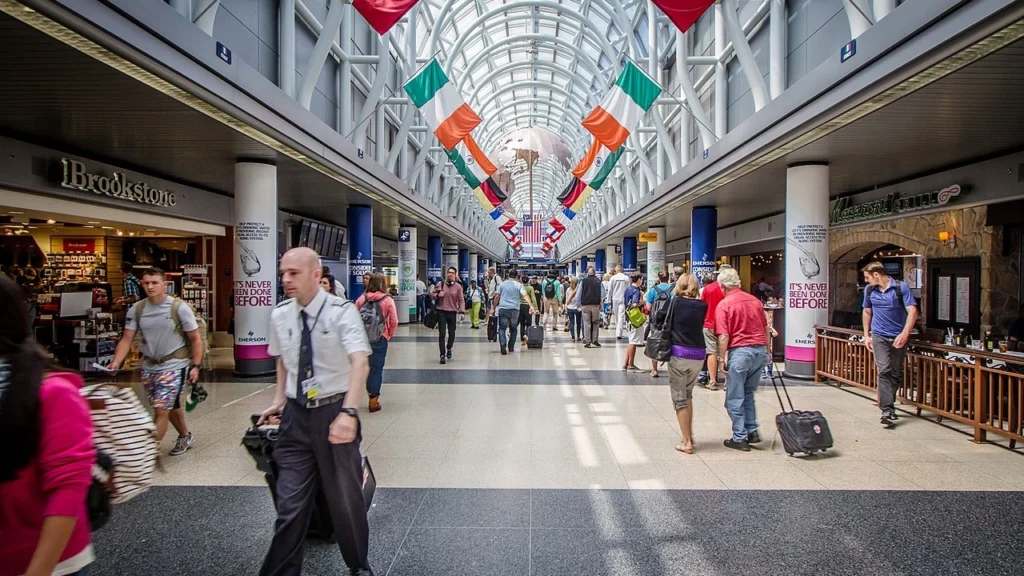
9. Chicago O’Hare International Airport (United States)
Chicago O’Hare (ORD) takes ninth place and remains one of America’s historic aviation powerhouses.
Serving as a major connecting point for domestic and international routes, O’Hare processes enormous passenger volumes every year while continuing to modernise its facilities.
Large-scale redevelopment projects have enhanced terminal experiences, introduced upgraded amenities, and improved operational efficiency. Customer service teams work across a vast network of gates and concourses to support millions of travellers annually.
O’Hare’s extensive airline network and strategic Midwestern location ensure it remains central to global aviation.
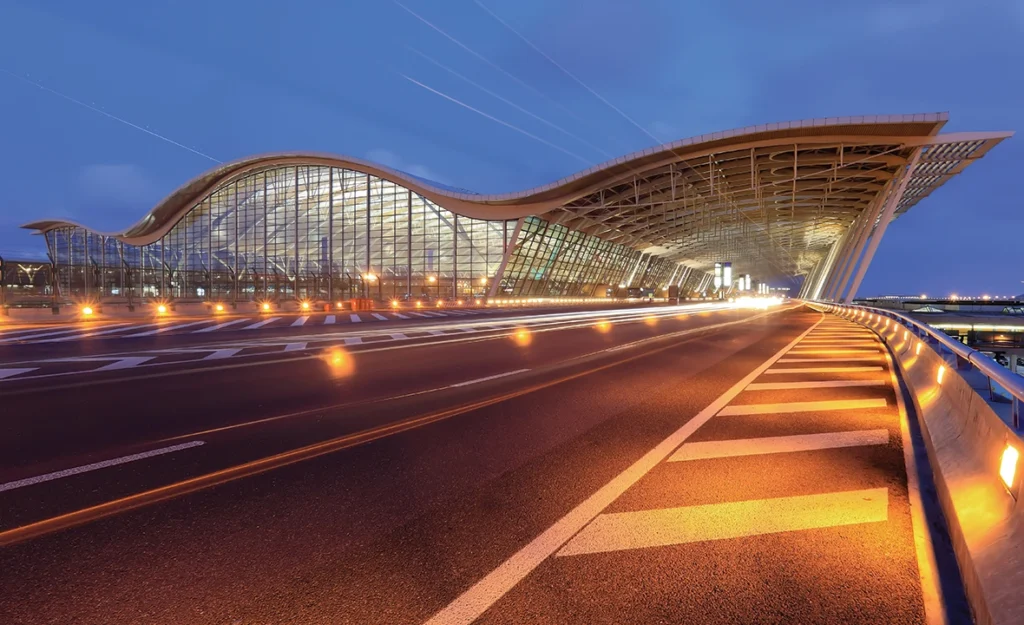
10. Shanghai Pudong International Airport (China)
Shanghai Pudong (PVG) claims tenth place and continues serving as one of China’s principal international gateways.
The airport plays a critical role in connecting East Asia with destinations across Europe, North America, Oceania, and beyond. Modern terminals, advanced infrastructure, and extensive transport links contribute to its growing reputation.
Passengers often praise the airport’s contemporary design and efficient facilities, while continuous investments in technology support smoother passenger processing.
As Shanghai strengthens its position as a global financial centre, Pudong International Airport continues evolving alongside the city’s international ambitions.
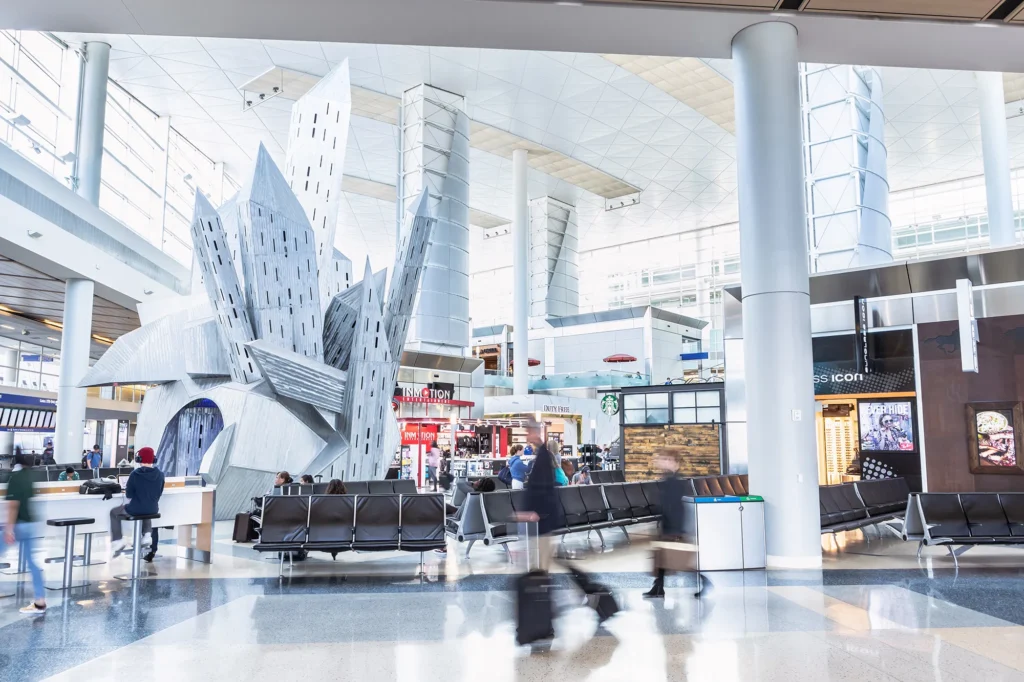
A Global Benchmark
Completing this elite group is the broader category of ultra-high-capacity airports themselves, which collectively demonstrate how aviation infrastructure has evolved to accommodate unprecedented passenger demand.
Handling more than 80 million annual travellers requires meticulous planning, advanced technology, highly trained staff, and constant investment in facilities. Airports in this category operate almost like self-contained cities, featuring shopping centres, hotels, business facilities, medical services, and extensive public transport connections.
The success of these airports illustrates that scale does not necessarily compromise passenger experience. Instead, thoughtful design and continuous innovation can create efficient and welcoming environments even under immense operational pressure.
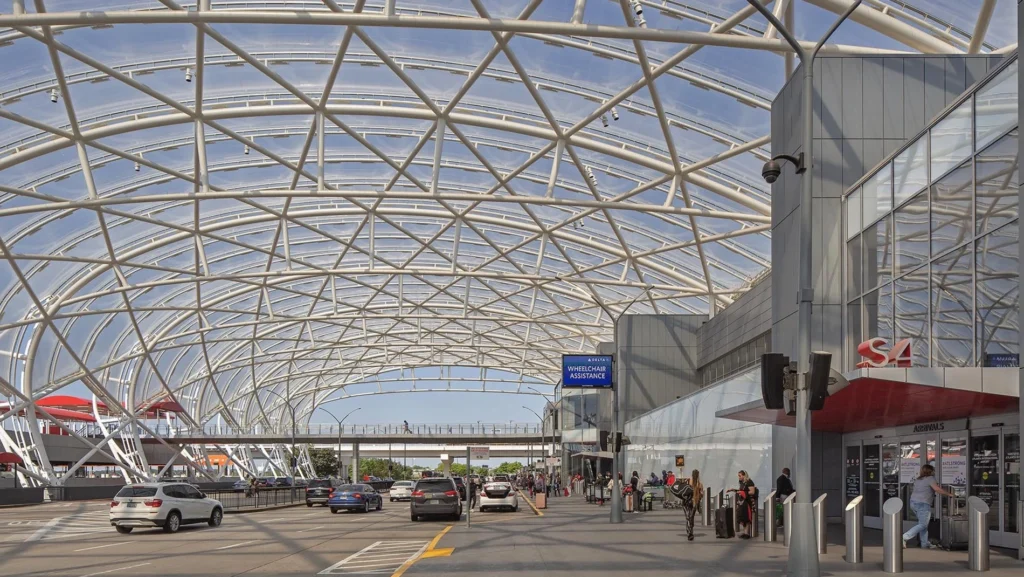
What Makes an 80+ Million Passenger Airport Exceptional?
The world’s leading mega airports share several defining characteristics:
- Efficient terminal layouts that minimise walking distances.
- Fast security and immigration processing supported by technology.
- High standards of cleanliness and maintenance.
- Wide selection of retail outlets and restaurants.
- Reliable baggage handling systems.
- Professional and multilingual customer service staff.
- Strong public transport connections.
- Comfortable lounges and waiting areas.
- Effective wayfinding and passenger information systems.
- Continuous investment in expansion and modernisation.
Together, these factors allow airports to maintain high satisfaction levels despite handling extraordinary passenger numbers.
Trends Shaping the World’s Largest Airports
Several developments are influencing the future of high-capacity airports:
- Digital transformation: Biometric boarding, automated check-in, and AI-assisted operations are reducing wait times.
- Sustainability initiatives: Airports are increasingly adopting renewable energy, carbon reduction programmes, and environmentally friendly infrastructure.
- Passenger experience enhancements: More airports are investing in wellness areas, premium lounges, family facilities, and cultural exhibits.
- Capacity expansion: Major construction projects continue worldwide to accommodate rising travel demand without sacrificing efficiency.
These innovations ensure that the world’s busiest airports remain competitive while improving the traveller experience.
Bottom Line
Managing more than 80 million passengers annually is a remarkable achievement, but the best airports do far more than simply process huge crowds. They create environments that prioritise efficiency, comfort, reliability, and customer satisfaction.
As international travel continues to recover and expand, these aviation giants are likely to remain at the forefront of innovation, shaping the future of global air transport for millions of passengers every year.
Best Airports in the World FAQs
Tokyo Haneda Airport ranks first in the Skytrax 2026 category for airports handling more than 80 million passengers annually.
Skytrax evaluates aspects such as passenger experience, cleanliness, terminal facilities, customer service, efficiency, shopping, dining, and overall satisfaction.
Growing international travel demand requires additional capacity, upgraded technology, and improved facilities to maintain efficient operations and high levels of passenger satisfaction.
Stay tuned with us. Further, follow us on social media for the latest updates.
Join us on Telegram Group for the Latest Aviation Updates. Subsequently, follow us on Google News
