

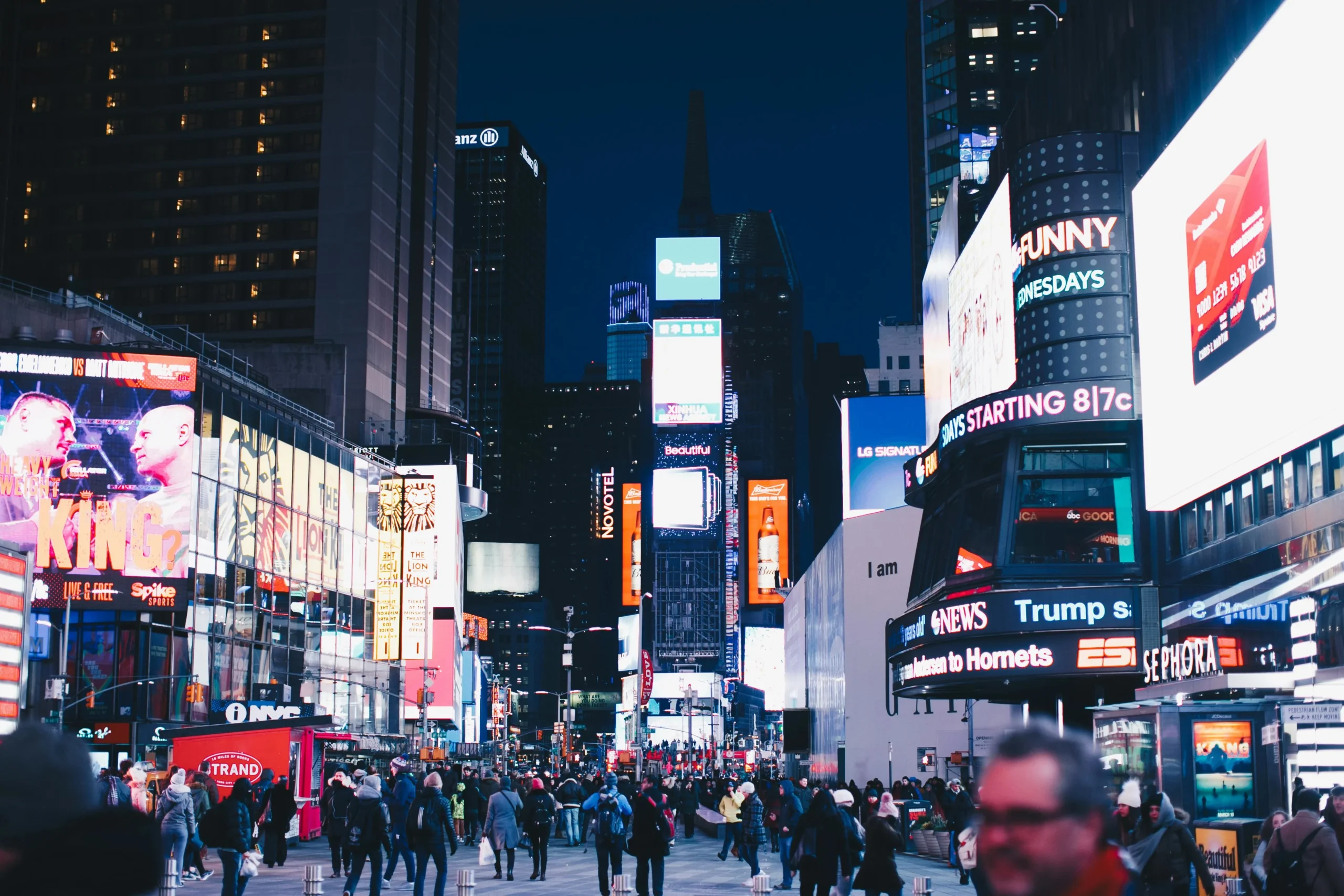
What makes a city one of the best in the world? For some people, it is the promise of career opportunities and high salaries. For others, it is the quality of public transport, access to education, cultural attractions, safety, or the general standard of living. The world’s leading cities often combine several of these advantages, making them attractive places to live, work, study, and do business.
According to the 2026 Global Cities Index by Oxford Economics, New York holds the top position globally, followed by London and Paris. The ranking assesses 1,000 cities using five broad categories: economics, human capital, quality of life, environment, and governance. Seattle, San Francisco, Dublin, Boston, San Jose, Tokyo, and Zurich complete this year’s top 10.
Best Cities in the World in 2026
The results highlight the continued influence of North America and Europe, with five US cities and four European cities represented in the top 10. Tokyo is the only Asian city on the list. Each destination has its own strengths, from financial powerhouses and technology centres to cultural capitals with excellent public services.
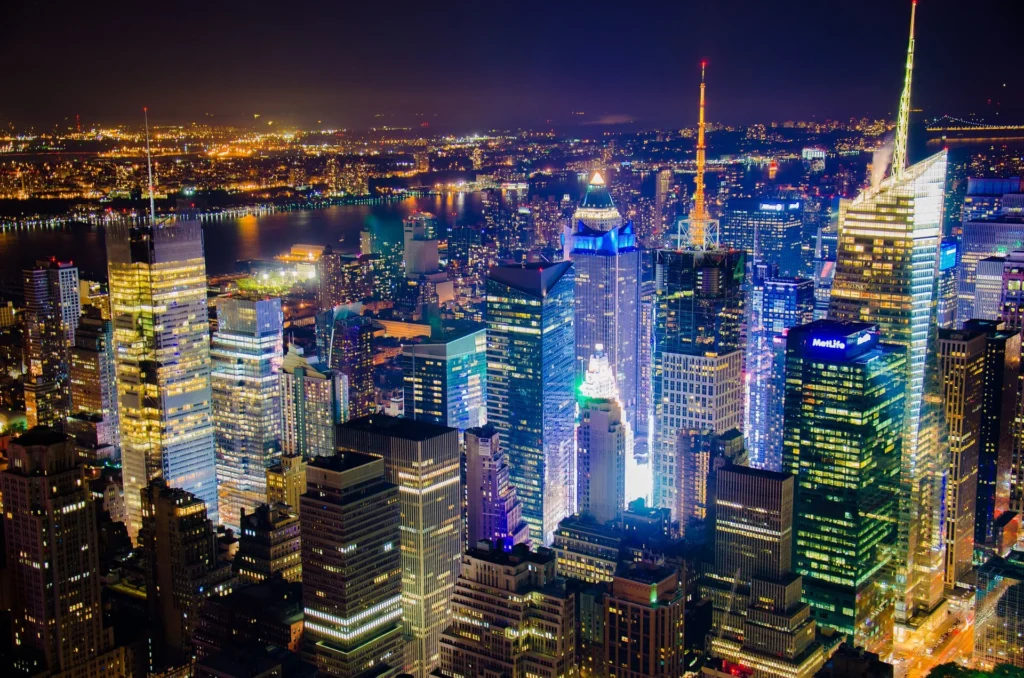
1. New York, United States
New York takes first place in the 2026 Global Cities Index, cementing its position as one of the most influential urban centres in the world. The city is a major force in finance, media, technology, fashion, entertainment, and international trade. Its enormous economy creates opportunities across a wide range of industries, while its universities and professional networks attract ambitious people from around the world.
The city’s economic strength is a major reason for its leading position. New York received the maximum score in the index’s economics category, reflecting the scale of its economy and its concentration of major businesses. Wall Street remains a global financial centre, while areas such as Silicon Alley, Midtown Manhattan, and Brooklyn support technology companies, creative businesses, and start-ups.
Beyond business, New York offers an extraordinary range of cultural experiences. Residents can visit Broadway theatres, world-famous museums, independent galleries, music venues, and restaurants serving food from almost every part of the world. Central Park and the city’s waterfront spaces provide a welcome break from the busy streets, while its extensive subway network allows people to travel across much of the city without needing a car.
However, New York is not without challenges. Housing is expensive, daily life can be hectic, and commuting may be stressful during peak hours. The cost of childcare, healthcare, and other essentials can also put pressure on household budgets. Even so, the combination of economic opportunity, cultural variety, education, and global influence keeps New York at the top of the 2026 ranking.
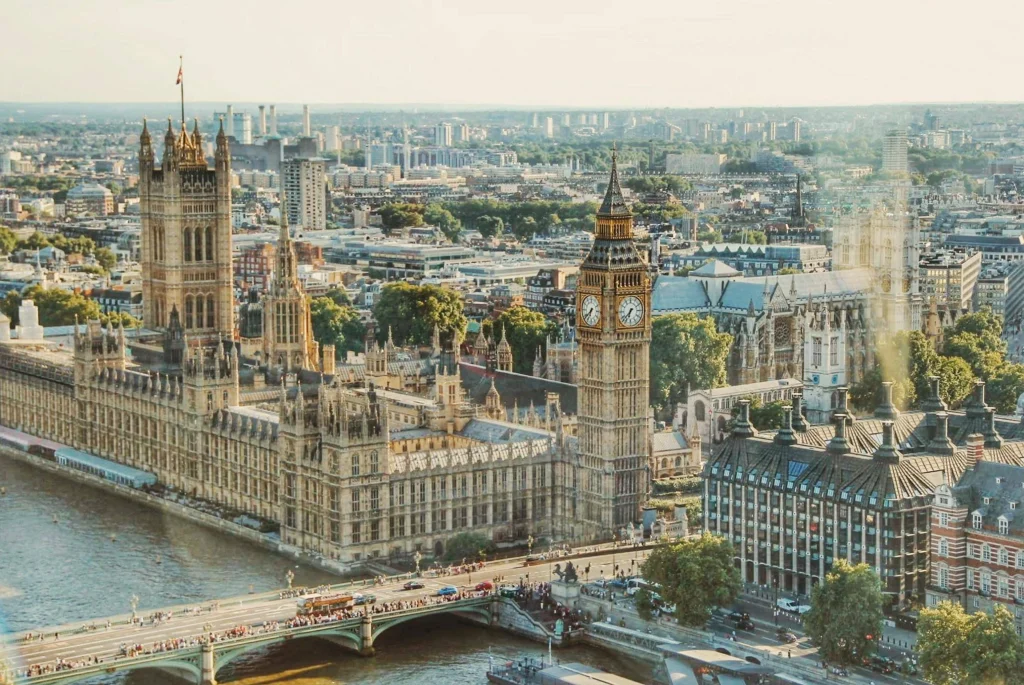
2. London, United Kingdom
London ranks second in the world, supported by its international business connections, strong labour market, and ability to attract skilled workers. The British capital is a major centre for finance, law, consulting, technology, education, and the creative industries. Its links with businesses and institutions across Europe, North America, Asia, and the Middle East help it maintain a position at the heart of the global economy.
One of London’s greatest strengths is its human capital. The city is home to leading universities, research institutions, specialist hospitals, and professional organisations. Its international workforce brings together people with different skills and experiences, helping companies recruit talent and develop new ideas. The financial district in the City of London and the modern office towers of Canary Wharf are central to its business identity, although employment opportunities extend well beyond finance.
London also offers a remarkable cultural and social life. The British Museum, National Gallery, West End theatres, Royal parks, historic landmarks, and diverse neighbourhoods provide plenty to explore. Its Underground, buses, rail services, and international airports make the city well connected, both within the UK and overseas.
The main drawback is affordability. Rent and property prices are high, and housing costs remain a significant pressure for residents. London’s quality-of-life score is lower than its overall position might suggest, reflecting the challenge of balancing its economic advantages with the cost of everyday living. Nevertheless, its employment opportunities, educational resources, and global connections keep it firmly among the world’s leading cities.
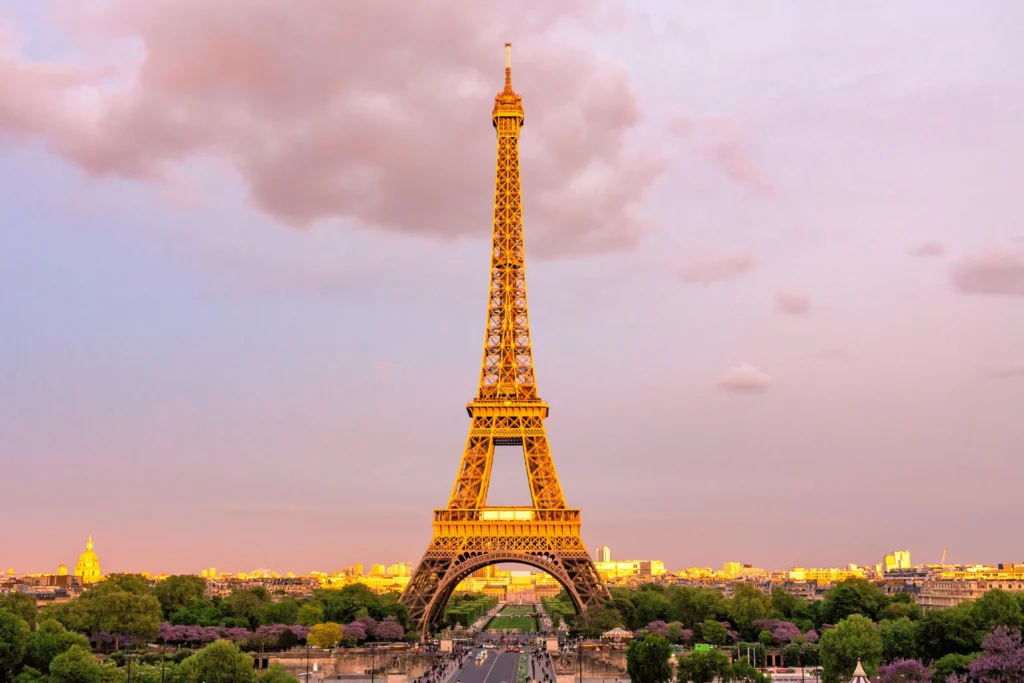
3. Paris, France
Paris secures third place in 2026, combining economic importance with a strong cultural identity and an attractive urban environment. The French capital is a major European centre for business, tourism, luxury goods, fashion, finance, and professional services. It also benefits from a strong education and research network, which helps attract skilled workers and supports innovation.
The city’s international reputation is built on more than its famous landmarks. The Eiffel Tower, Louvre Museum, Notre-Dame Cathedral, and the banks of the Seine are important parts of its identity, but everyday Paris also offers neighbourhood markets, local bakeries, independent shops, public gardens, and lively cafe terraces. Its cultural calendar includes exhibitions, concerts, theatre productions, fashion events, and sporting competitions throughout the year.
Paris has an extensive public transport network, including the Metro, buses, regional rail, and suburban connections. This allows residents and visitors to move around without relying entirely on cars. The wider metropolitan area also provides access to major employers, universities, research facilities, and international transport links.
The city performs particularly well in the quality-of-life category of the 2026 index, helping it maintain its third-place overall ranking. However, housing affordability remains a concern, especially for people seeking accommodation close to central employment areas. Crowded public transport, traffic, and the pace of life can also be demanding. Despite these pressures, Paris continues to offer a strong combination of career prospects, cultural depth, public services, and international influence.

4. Seattle, United States
Seattle ranks fourth globally and stands out for its technology-driven economy, educated workforce, and natural surroundings. Located in the Pacific Northwest, the city has developed into a major centre for software, cloud computing, aerospace, biotechnology, and research. Major employers and a thriving network of smaller companies have helped make it an attractive destination for professionals seeking opportunities in innovative industries.
Its economy is closely linked to the technology sector, but Seattle’s appeal extends beyond office campuses and corporate headquarters. The city has a strong coffee culture, independent music venues, museums, restaurants, and neighbourhoods with distinct identities. Pike Place Market remains one of its best-known landmarks, while the waterfront offers opportunities to walk, dine, and enjoy views across Elliott Bay.
Nature is another major advantage. Mountains, forests, lakes, and coastal landscapes are within reach, making hiking, cycling, kayaking, and other outdoor activities part of the local lifestyle. The city’s environmental performance is also a notable strength in the 2026 index. Seattle received an environmental score of 88.1, alongside a quality-of-life score of 85.9.
There are, however, trade-offs. Housing costs can be high, particularly for people working in the technology industry, and the region’s grey, rainy months are not to everyone’s taste. Traffic congestion can also affect commuting. Still, Seattle’s combination of career opportunities, education, access to nature, and urban amenities helps it outperform many better-known global destinations.
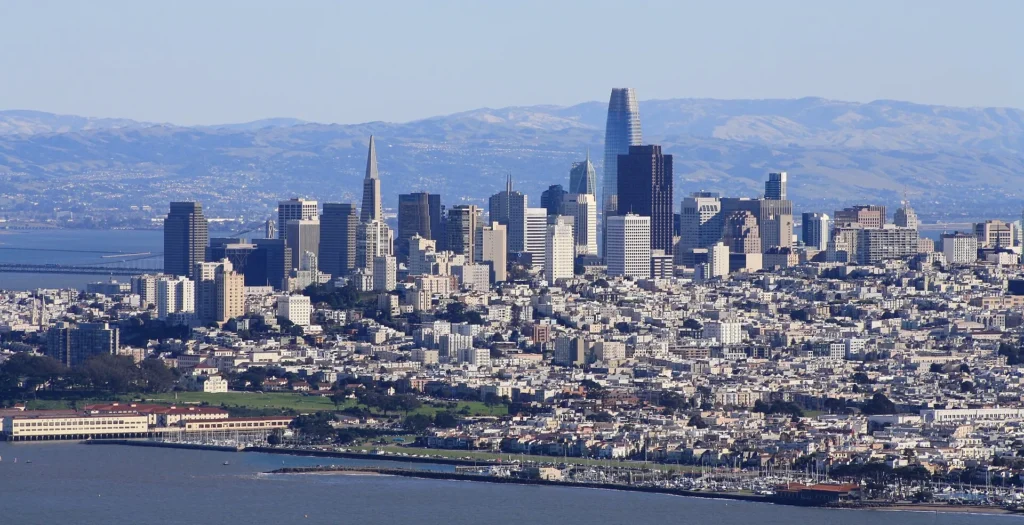
5. San Francisco, United States
San Francisco takes fifth place, driven by its international importance in technology, innovation, entrepreneurship, and research. The city sits at the centre of the wider Bay Area, a region known for its technology companies, venture capital firms, universities, and start-up culture. Its influence extends across software, artificial intelligence, biotechnology, finance, and other fields that shape the modern economy.
The city attracts professionals, founders, investors, and researchers from around the world. Its network of universities and technology businesses supports the development of new ideas, while its access to venture funding makes it an important location for companies seeking to grow. This combination of skilled workers and business investment helps explain its strong overall performance in the index.
San Francisco also has a distinctive character. The Golden Gate Bridge, waterfront districts, historic cable cars, neighbourhood restaurants, and views across the bay make it one of the most recognisable cities in the United States. Residents can enjoy parks such as Golden Gate Park, visit museums and galleries, or explore nearby coastal areas and wine regions.
The city’s challenges are equally familiar: housing is expensive, homelessness remains a visible issue, and some neighbourhoods face concerns about public safety and the condition of public spaces. High living costs can make it difficult for workers outside the best-paid industries to settle comfortably. Even with these difficulties, San Francisco’s economic influence, talent pool, and culture of innovation secure its place among the world’s top five cities in 2026.
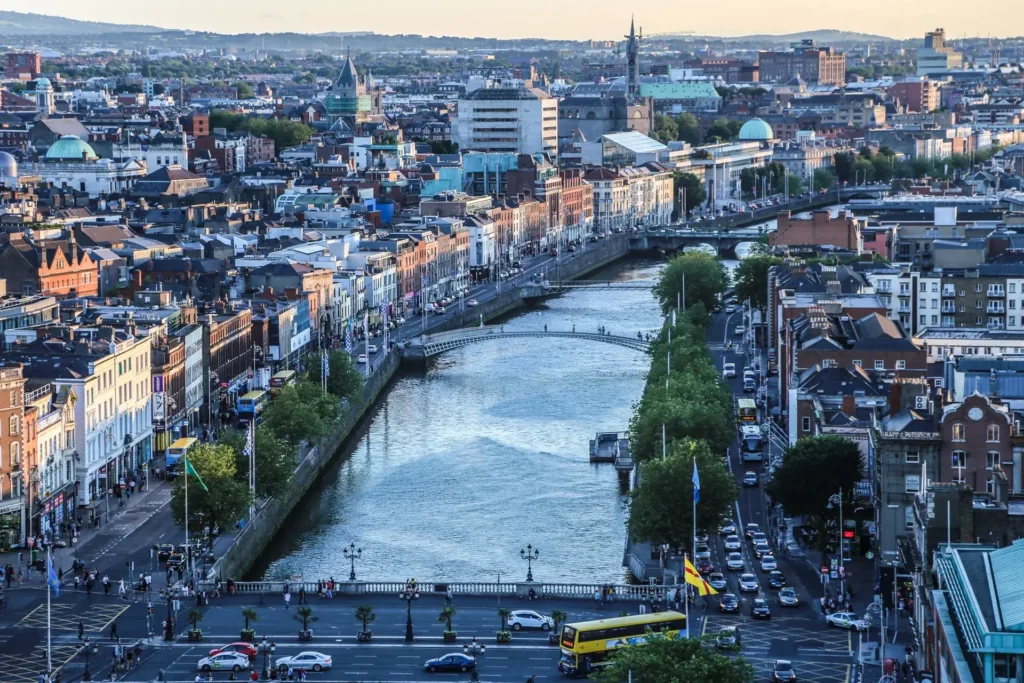
6. Dublin, Ireland
Dublin ranks sixth globally and is one of Europe’s most important centres for international business and technology. Ireland’s capital has attracted multinational companies across technology, pharmaceuticals, finance, and professional services. Its English-speaking workforce, connections to the European market, and strong concentration of international employers have helped it become an important base for companies operating across several regions.
The city has a lively atmosphere that combines a growing business sector with a strong literary, musical, and social tradition. Its pubs, theatres, live music venues, historic streets, and independent restaurants are central to its character. Trinity College Dublin, the city’s museums, and its literary heritage also make it an appealing destination for students and visitors.
Dublin performs particularly well in the 2026 index’s environmental and governance categories. It received scores of 90.9 for environment and 90.8 for governance, helping balance its economic strengths with other aspects of city performance.
The most significant challenge for residents is housing. Accommodation can be difficult to find and expensive, particularly for newcomers and young professionals. This can offset some of the advantages offered by employment opportunities and relatively high salaries in certain industries. The weather is also frequently wet and changeable, while public transport coverage and capacity can vary depending on where people live and work.
Despite these pressures, Dublin remains an attractive city for international companies and skilled workers. Its mix of economic opportunity, cultural life, environmental performance, and strong institutions earns it sixth place in the 2026 ranking.
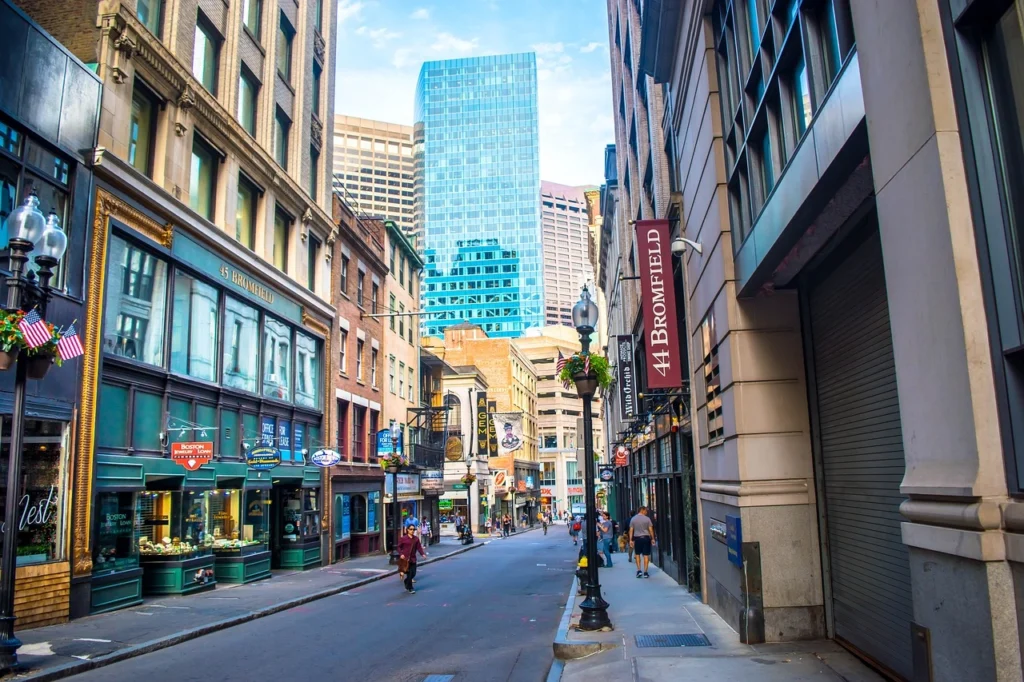
7. Boston, United States
Boston occupies seventh place, supported by its concentration of universities, hospitals, research centres, and high-skilled employers. The city is one of the leading education and life-sciences hubs in the United States, with a strong presence in biotechnology, medicine, finance, technology, and professional services. Its universities and research institutions attract students and academics from around the world, helping maintain a deep pool of talent.
Education is one of Boston’s defining strengths. The city and its surrounding areas are home to internationally recognised institutions, including Harvard University and the Massachusetts Institute of Technology in nearby Cambridge. Their research networks, together with hospitals and private companies, help support innovation in medicine, engineering, computing, and scientific research.
Boston also has a distinctive urban character. Its historic streets, waterfront, museums, sports culture, and neighbourhoods give it a strong sense of identity. The city is walkable in many central areas, and public transport offers alternatives to driving. Residents can also enjoy parks, restaurants, theatres, and easy access to coastal communities across New England.
Living in Boston can be expensive, particularly for renters and families looking to buy property. Winters are cold, and the cost of everyday services can be high. Competition for jobs in popular sectors can also be intense, especially among graduates and highly qualified professionals.
Nevertheless, Boston’s combination of education, research, healthcare, and career opportunities makes it one of the world’s most competitive urban centres. Its seventh-place ranking reflects the strength of its human capital and the broader advantages of its economy.

8. San Jose, United States
San Jose ranks eighth in the 2026 Global Cities Index and benefits from its position at the heart of Silicon Valley. The city is closely associated with technology, software, hardware, semiconductors, and entrepreneurship. Its wider metropolitan area includes a dense network of technology companies, research facilities, investors, and highly skilled workers, giving it a major role in the development of new products and services.
San Jose’s economic performance is a key strength. It received an economics score of 90.7 in the 2026 index, while its quality-of-life score reached 87.9. These results reflect the city’s strong employment base and the opportunities available to workers in high-value industries.
The city is more spread out than many traditional global centres. Residential neighbourhoods, business parks, shopping areas, and cultural venues cover a broad area, so daily life can often involve driving. San Jose has museums, performing arts venues, restaurants, parks, and historic districts, while the wider region provides access to hiking trails and coastal destinations.
The biggest drawback is the cost of living. Housing is particularly expensive, partly because of demand from technology workers and the limited supply of affordable homes. Transport can also be a challenge for people commuting between San Jose and other parts of Silicon Valley. The region’s job market can be rewarding, but it is also exposed to changes in the technology sector.
For people working in technology, engineering, and related fields, San Jose offers access to one of the world’s most influential innovation ecosystems. Its strong economy and quality-of-life performance make it a leading global city, even if affordability remains a major consideration.
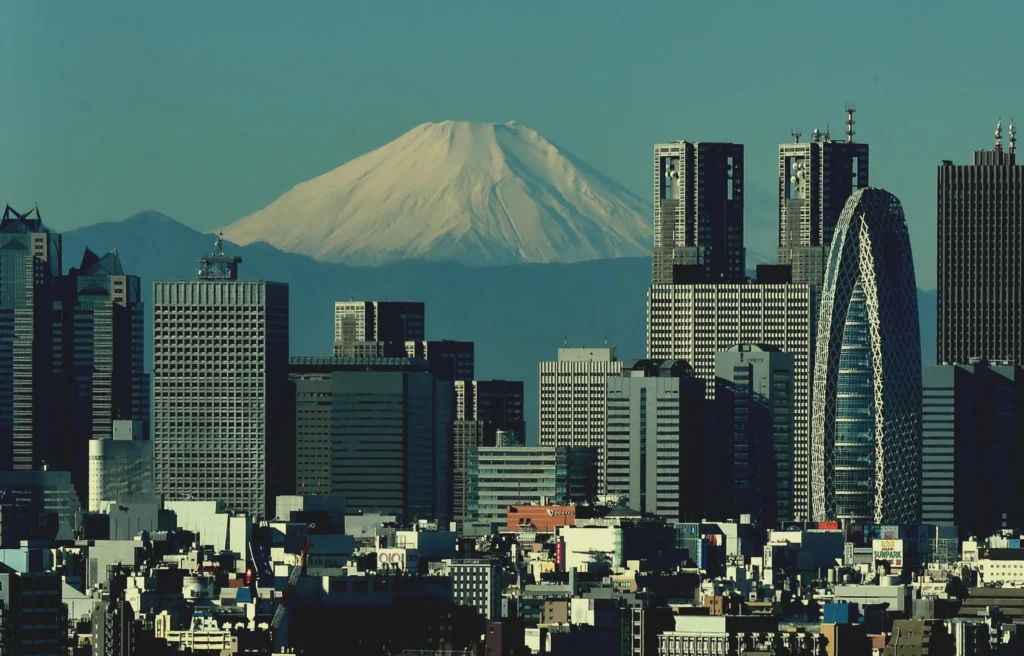
9. Tokyo, Japan
Tokyo is the only Asian city in the 2026 top 10, ranking ninth overall. Japan’s capital is one of the world’s largest metropolitan centres and an important hub for finance, technology, manufacturing, research, entertainment, and international business. Its economy is supported by a large domestic market, advanced infrastructure, and a highly skilled workforce.
One of Tokyo’s greatest advantages is its transport system. Its rail and subway networks connect business districts, residential neighbourhoods, shopping areas, and cultural attractions with remarkable reach. This makes it possible for many residents to live without owning a car, even when travelling across a large metropolitan area. The city is also known for its cleanliness in many public spaces, extensive convenience services, and generally efficient daily infrastructure.
Tokyo offers an exceptional range of experiences. Traditional temples and gardens sit alongside high-rise business districts, neon-lit entertainment areas, fashion centres, and some of the world’s most varied dining options. Its museums, music venues, sporting events, and seasonal festivals provide a rich cultural calendar. The city also combines long-established Japanese traditions with cutting-edge technology and modern architecture.
The challenges include a fast-paced working culture, crowded trains during peak periods, and the language barrier that some international residents may face. Housing conditions and commuting times vary widely across the metropolitan area, and the risk of earthquakes is an important consideration in urban planning.
Tokyo’s overall score is supported by its human capital and governance performance. In 2026, it received a human-capital score of 92.9 and a governance score of 92.3. These strengths help explain why Tokyo remains a leading destination for businesses, skilled workers, and people seeking a highly connected urban lifestyle.

10. Zurich, Switzerland
Zurich completes the top 10, ranking as one of Europe’s most successful centres for finance, business, research, and high living standards. Switzerland’s largest city has a strong banking and financial-services sector, but its economy also includes technology, insurance, pharmaceuticals, and specialist professional services. Its stable institutions and skilled workforce help it attract international businesses and employees.
Zurich is known for its efficient public transport, clean public spaces, and access to nature. Trams and trains make it relatively straightforward to travel around the city and surrounding region, while Lake Zurich and nearby hills offer opportunities for walking, swimming, cycling, and other outdoor activities. The historic old town, museums, galleries, restaurants, and cultural events add to its appeal.
The city also benefits from Switzerland’s reputation for high-quality public services and stable governance. Zurich received a governance score of 91.4 in the 2026 index, along with a quality-of-life score of 87.7. These strengths contribute to its strong position despite its smaller population and economy compared with the largest global megacities.
The main disadvantage is cost. Zurich is an expensive place to live, with housing, dining, transport-related expenses, and everyday services often costing more than in many other cities. Competition for accommodation can be challenging, while some newcomers may need time to adapt to local languages and social customs.
For residents who can manage the costs, Zurich offers a compelling combination of career prospects, public transport, outdoor recreation, and reliable institutions. Its tenth-place position confirms its standing as one of the world’s most competitive cities in 2026.
What Makes These Cities the Best in the World?
The 2026 ranking shows that there is no single formula for global success. New York leads through its economic scale, while London benefits from its ability to attract skilled workers. Paris performs strongly in quality of life, and cities such as Seattle, San Francisco, and San Jose draw strength from technology and innovation. Dublin stands out for environmental performance and governance, Boston for education and research, Tokyo for human capital and governance, and Zurich for stable institutions and quality of life.
Oxford Economics assesses cities across five categories: economics, human capital, quality of life, environment, and governance. This broader approach means the ranking is not simply a list of the most popular tourist destinations or the cities with the highest salaries. Instead, it considers how well cities combine economic opportunity, skills, resident amenities, environmental factors, and institutional stability.
The top 10 also reveals some of the challenges that even successful cities face. Housing affordability is a recurring issue in New York, London, Dublin, San Francisco, and Zurich. Economic growth can create jobs and investment, but it can also increase pressure on housing, transport, and public services. A high overall ranking therefore does not mean every resident experiences the same benefits.
Ultimately, these cities stand out because they attract people, businesses, and investment from around the world. Their continued success will depend on how effectively they preserve their strengths while making urban life more affordable, inclusive, and sustainable.

Bottom Line
The top 10 best cities in the world in 2026 reflect the importance of economic strength, skilled workers, infrastructure, quality of life, and effective governance. New York leads the ranking, with London and Paris following closely behind. The strong performance of US cities highlights North America’s economic influence, while European destinations continue to benefit from established institutions, cultural attract.
Tokyo’s place in ninth position demonstrates that Asia remains represented among the world’s leading urban centres, even as North American and European cities dominate the top 10. Zurich, meanwhile, shows how a smaller city can compete globally through reliable institutions, a skilled workforce, and a high standard of living.
Although every city has its own challenges, all ten offer distinctive advantages for people looking to build careers, establish businesses, or experience life in a major international centre. The best choice ultimately depends on individual priorities, particularly employment prospects, affordability, lifestyle, and personal preferences.
FAQs
New York, United States, ranks first in Oxford Economics’ 2026 Global Cities Index. Its enormous economy, strong labour market, and international business influence contribute to its leading position.
Five US cities feature in the top 10: New York, Seattle, San Francisco, Boston, and San Jose. London, Paris, Dublin, and Zurich represent Europe, while Tokyo is the only Asian city on the list.
The 2026 Global Cities Index assesses 1,000 cities across five categories: economics, human capital, quality of life, environment, and governance. These categories measure different aspects of a city’s economic opportunities, skilled workforce, living conditions, environmental performance, and institutional strength.
Stay tuned with us. Further, follow us on social media for the latest updates.
Join us on Telegram Group for the Latest Aviation Updates. Subsequently, follow us on Google News
