


FORT WORTH- American Airlines (AA) flight AA 171 from New York (JFK) to Los Angeles (LAX) became the setting for a business class seat dispute on Tuesday, July 21, after a passenger found her seat controls had failed.
An AAdvantage Executive Platinum member holding seat 6A on the carrier’s new Airbus A321XLR refused to move. The flight left New York (JFK) at 6:36 AM and landed in Los Angeles (LAX) at 8:46 AM, about half an hour late.
How the Seat Swap Request Escalated
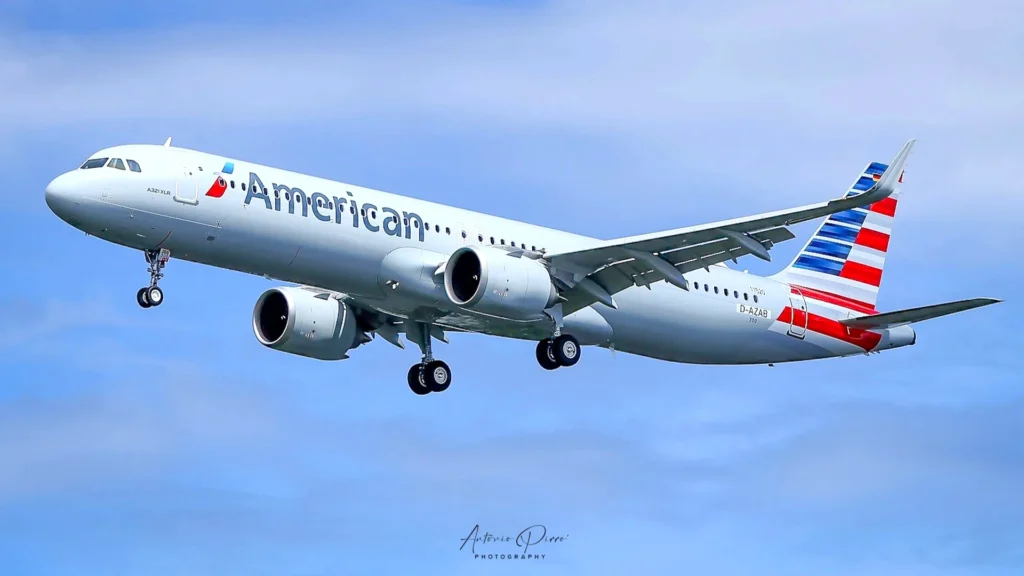
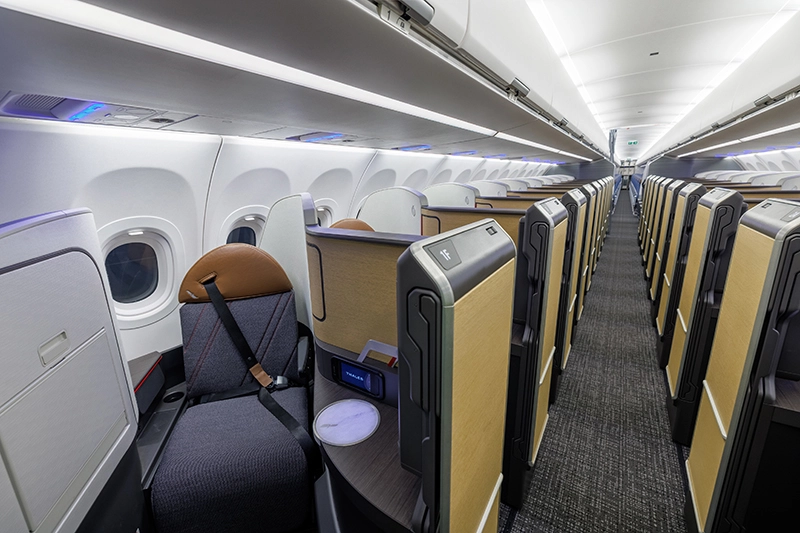
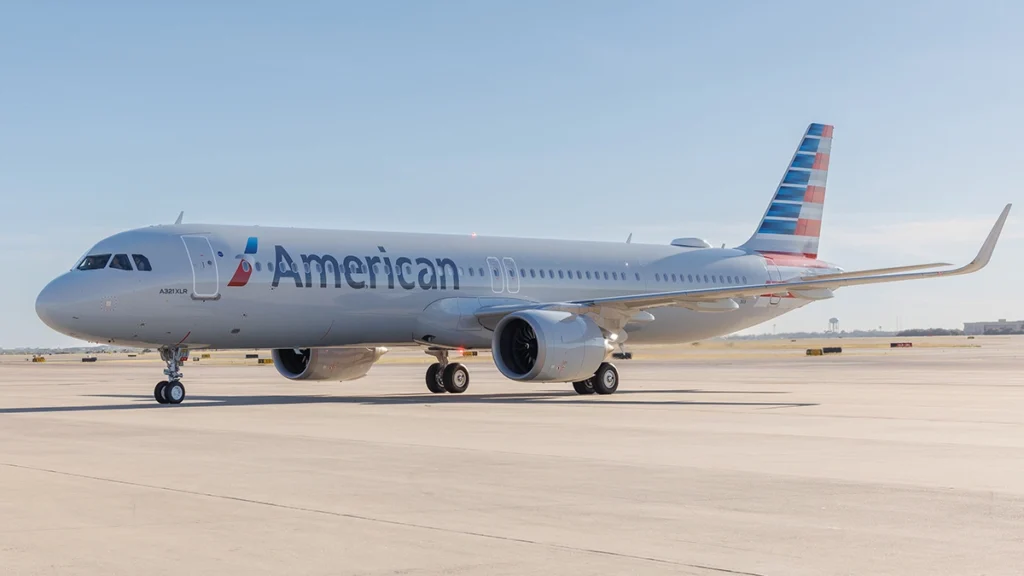
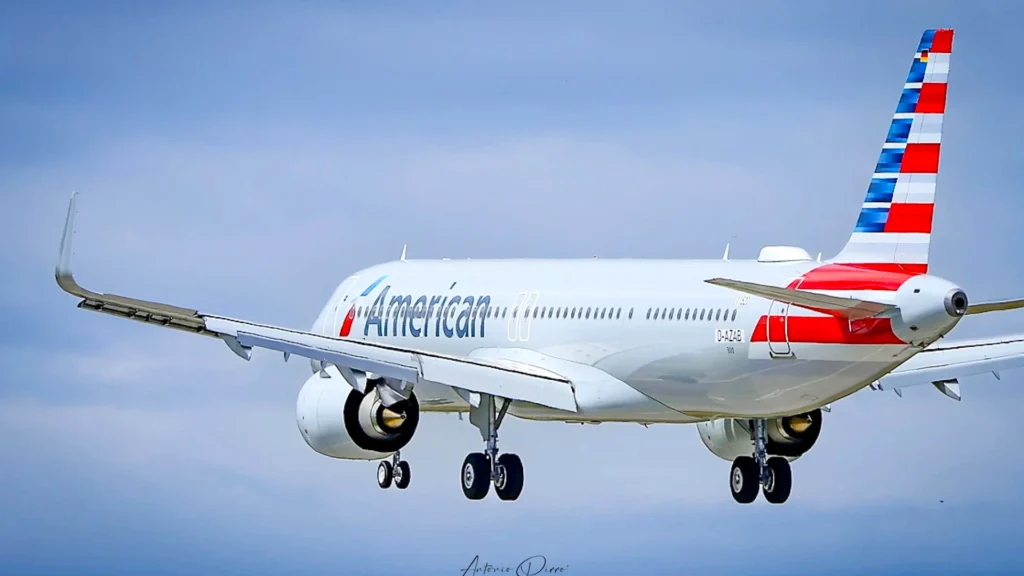
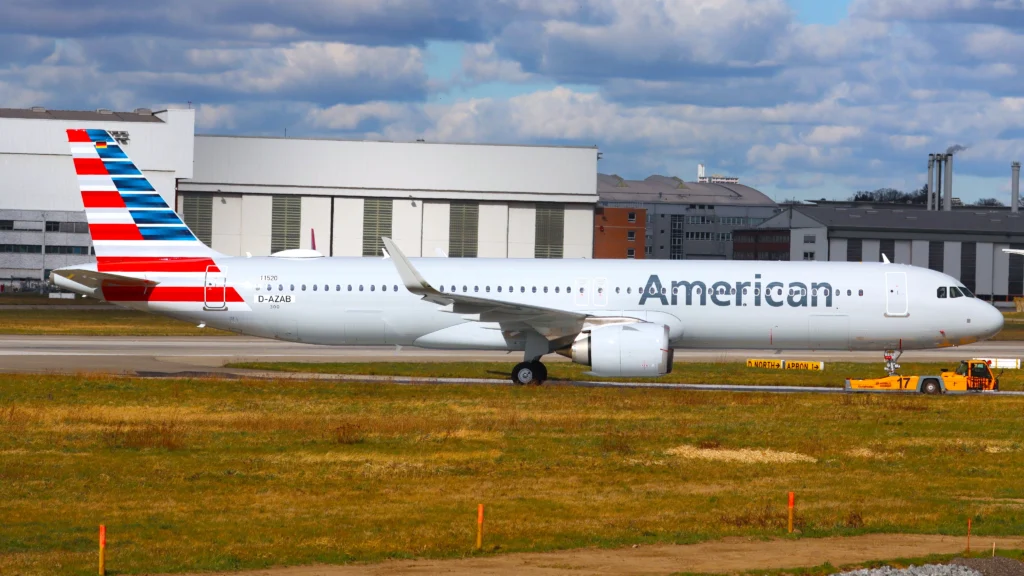
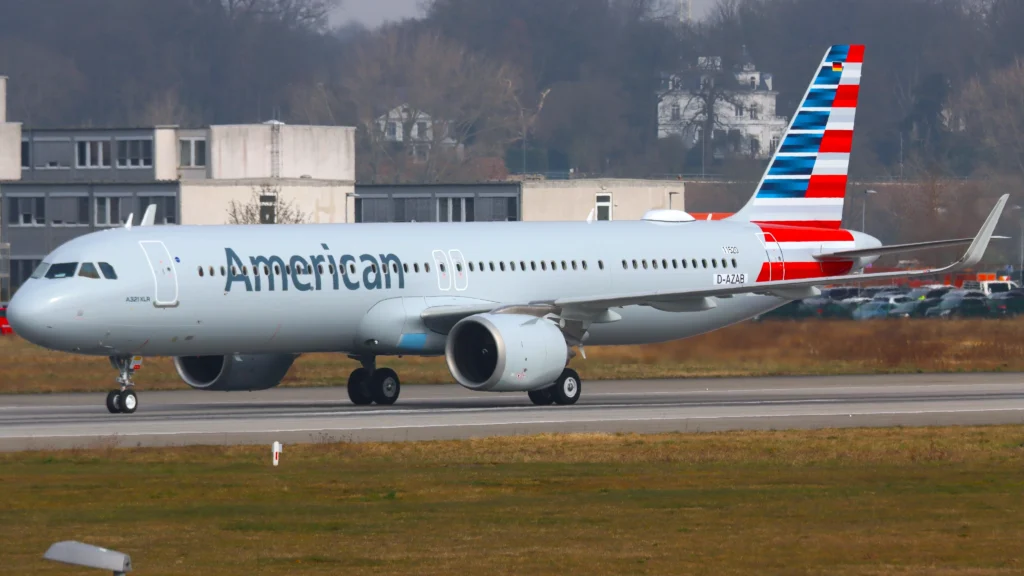
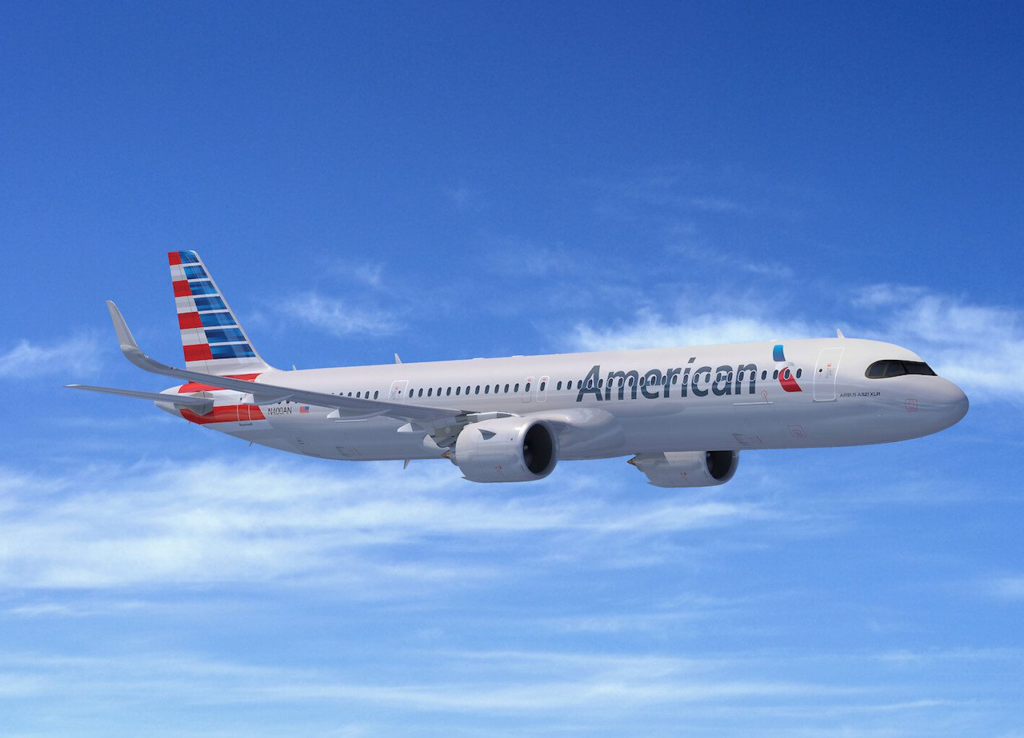
The passenger in 6A had received a complimentary upgrade to one of the business-class suites on the Airbus A321XLR, an aircraft type that had been in service with the carrier for roughly 7 months.
He boarded the 6 AM departure and went to sleep immediately, wearing earplugs and a hat over his eyes.
The traveler assigned to 3F found that her seat controls were broken and would not recline. According to his account, she complained and asked the crew to identify a passenger who had received a complimentary upgrade.
A flight attendant woke him and asked whether he would switch seats with her. Half asleep, he agreed without understanding why she wanted the seat. The first flight attendant did not disclose that 3F was defective.
A second flight attendant then warned him that the replacement seat did not work. He withdrew his agreement.
In the meantime, the woman gathered her belongings, moved to 6A, spread out her possessions, and settled into the seat. She argued that because she had paid for her premium cabin ticket and he had been upgraded, he was required to give her the functioning seat.
Passenger’s Own Account
He recorded several videos with backstory, describing the situation as it unfolded.
“It is currently six in the morning, and I am getting in a fight in the first-class section on a flight back to L.A. from New York.”
“So, I was half asleep, and this woman—she is currently in my seat—woke me up because she was like, ‘Hey, do you mind swapping seats?'”
“And I thought it was because she wanted a better view or something. And no: it’s because her seat doesn’t recline. And she’s acting like it’s somehow my fault. And she won’t get out of my seat. She’s just in it.”
The exchange between the two passengers followed.
Passenger: “You’ve got to get out of my seat. This is crazy.”
Woman: “What? I’m going to UCLA.”
Passenger: “I went to USC, so that makes it even worse. You’re holding up the entire flight. You’ve got to get out of my seat.”
Woman: “You were moved, sir.”
Passenger: “My boarding pass says 6A. Yours says 3F. You’re just such a— …Well, got my seat back. Oh, good Lord.”
Nearby passenger: “Bro, you almost got robbed, bro. You saw that? You almost got robbed, bro.”
3 Options and Reversal
After he refused the flight attendant’s options to switch seats, move to economy, or leave the aircraft, he put his earplugs back in and went to sleep. He flew to Los Angeles (LAX) in his original seat 6A.
View from the Wing reported that the crew presented those three choices before the passenger was allowed to remain in 6A.
The handling of the situation raises several problems. Saying a paying passenger is entitled to displace an upgraded passenger when their seat is discovered not to work after boarding is not an actual rule.
Offering economy or the broken seat would be valid only if the airline had reassigned him to 3F, and the outcome indicates no such reassignment was made.
Allowing the woman to move into the seat before the exchange was discussed with the passenger assigned there created a direct conflict.
Leaving 2 passengers to argue over possession of a seat, rather than making a single decision at the airline level, is the core failure in this case.
Why Maintenance Was Not Called
The seat in 3F was not treated as genuinely inoperative, since the airline was willing to seat a passenger there. Inoperative positioning controls do not disqualify a seat as long as it is secured and immovable in the taxi, takeoff, and landing position.
A seat classified as inoperative would have to be blocked and marked “Do Not Occupy.”
That distinction explains why crew treated 3F as usable. It does not address whether American could have called maintenance to fix the fault on a lie-flat business class seat aboard a nearly new aircraft.
Compensation Rules for Downgraded Passenger
A passenger moved out of the premium cabin against their will is involuntarily downgraded. That entitles the traveler to a refund if they choose not to travel, or to the difference in fare if they continue.
Here the fare difference would have been zero, because the business class seat came through a complimentary upgrade. No statutory refund would be due. American’s contract of carriage, however, appears to require one.
American Airlines (AA) adopted a rule under which an involuntary downgrade entitles the passenger to a 40% refund. That rule is normally passenger-unfriendly, and the airline has no basis for limiting compensation this way.
American told the Department of Transportation it would back off the policy by the end of July. In this particular case, the percentage-based approach would have benefited the passenger, since a fare difference calculation would have produced nothing.
Offering a seat that was not fully functioning to a lie flat business class passenger on a premium transcontinental flight would also warrant significant customer service compensation on its own.
Was She Actually a “Karen”?
The passenger referred to the woman who took his seat as a “Karen.” The term is slang generally used to describe a woman as privileged, indignant, and aggressively entitled in a public dispute.
It originally applied more narrowly to middle-aged white women invoking social or racial privilege to control or report others, typically by demanding to speak to the manager.
The label was applied here for 4 reasons. She treated her paid fare as conferring authority over another passenger. She occupied 6A without waiting for the exchange to be finalized and then refused to leave.
The disputed reassignment was presented as settled fact with the line, “You were moved, sir.” Rather than asking for a favor, she expected priority.
That behavior fits the broad derogatory definition of an entitled public complainer, which in turn raises the question of whether the term has lost its original meaning through wide application.
Sequence Still Does Not Add Up
The chain of events remains difficult to explain. A passenger moved to another seat and occupied it.
The flight crew then presented the assigned occupant with a choice between a broken seat and a downgrade. The airline ultimately allowed him to fly in his original seat once he pushed back.
One Mile at a Time takes the view that the passenger was formally downgraded and “somehow bullied his way back into the original seat,” placing him in the wrong. That reading is one way to reconcile a sequence that otherwise makes little sense, but it assumes a great deal.
A formal downgrade followed by refusal to move normally ends with police boarding the aircraft or the entire flight being offloaded. Neither occurred, and the aircraft operated to Los Angeles (LAX) with a delay of about 30 minutes.
Stay tuned with us. Further, follow us on social media for the latest updates.
Join us on Telegram Group for the Latest Aviation Updates. Subsequently, follow us on Google News
