

WASHINGTON— President Donald Trump has directed the U.S. government to allow domestic airlines to resume direct flights to Lebanon, reopening a route that has remained closed since 1985.
The announcement followed a White House meeting with Lebanese President Joseph Aoun and marks a significant shift in U.S. aviation policy toward the Middle Eastern nation.
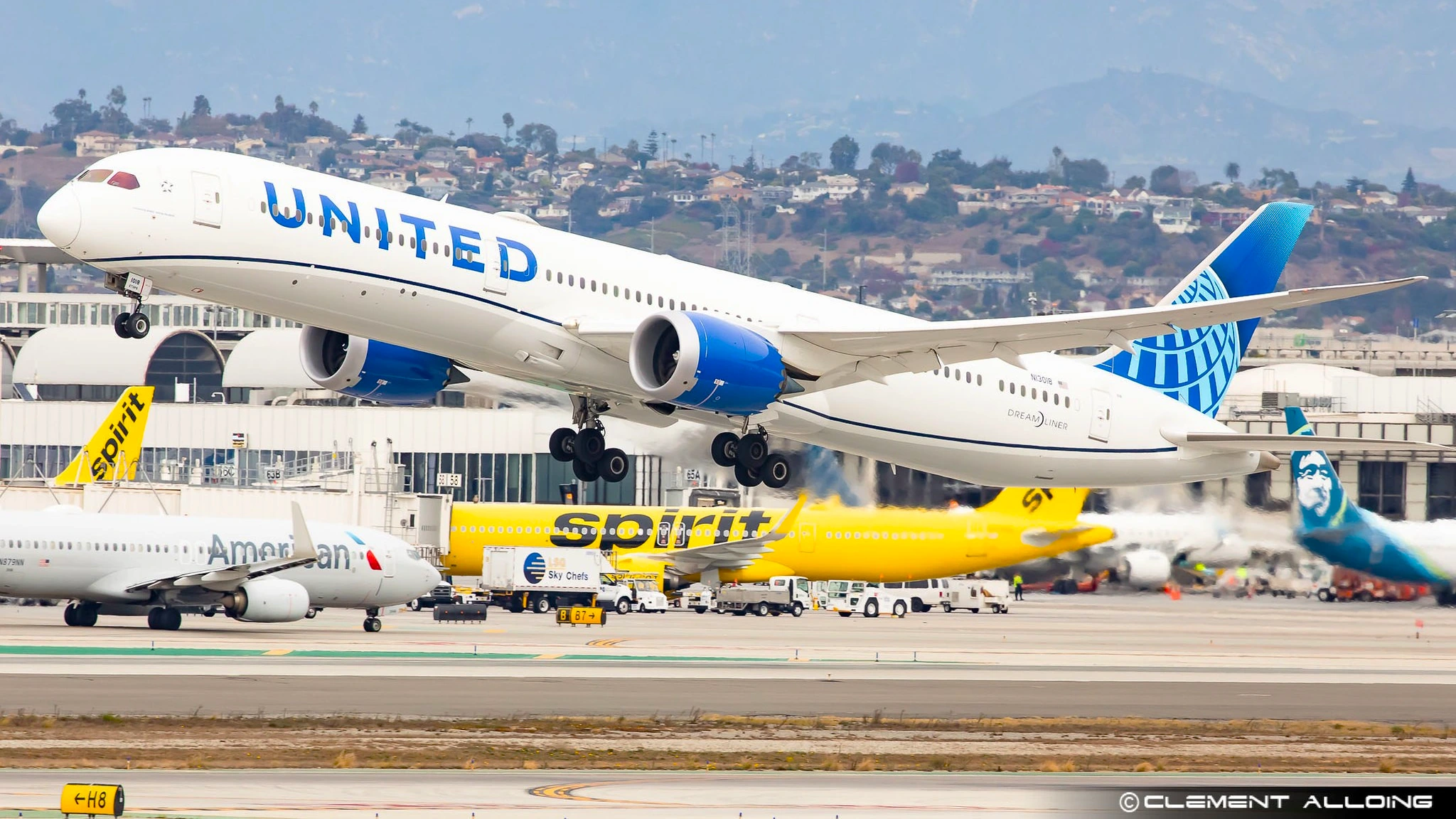
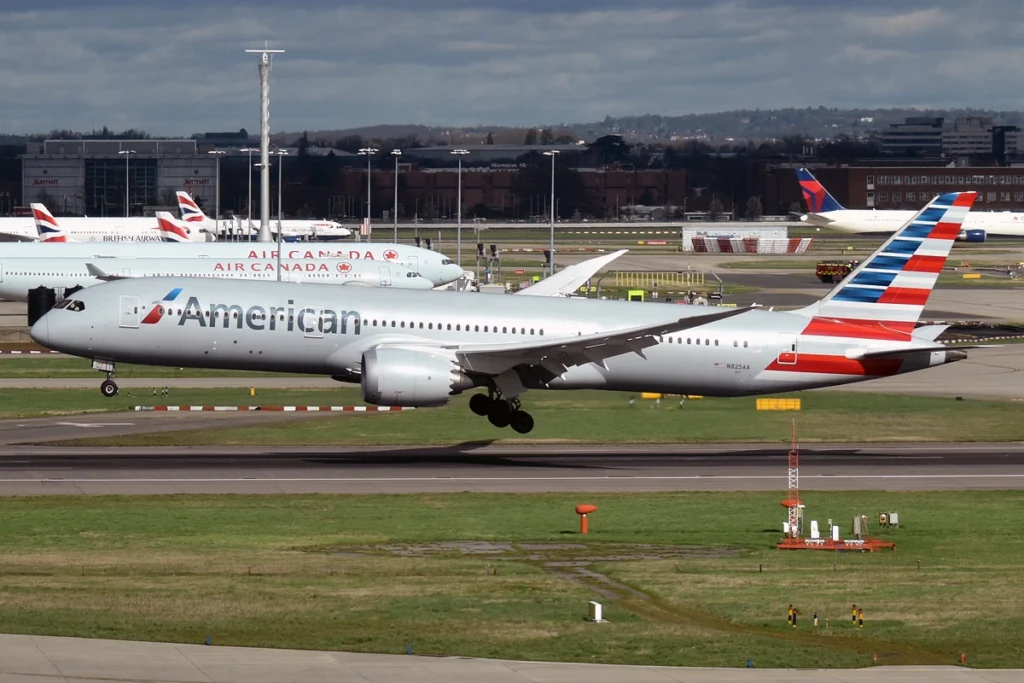
The move could eventually allow carriers such as American Airlines (AA), United Airlines (UA), and Delta Air Lines (DL) to operate nonstop services to Beirut Airport (BEY), pending regulatory approval and security certification.
The directive ends a four-decade prohibition that was imposed after the hijacking of TWA Flight 847 in 1985, when the aircraft was forced to land in Beirut.
However, flights will not restart immediately because U.S. authorities must first complete a comprehensive security assessment of Beirut Airport (BEY). It also remains uncertain whether U.S. airlines will choose to launch commercial services despite the new authorization.

US Lebanon Flight Ban Ends After 41 Years
Trump announced the policy shortly after meeting with President Joseph Aoun, instructing federal agencies to begin allowing U.S. passenger airlines to serve Lebanon once again.
The decision reverses one of the longest-standing restrictions on U.S. commercial aviation.
Direct passenger flights were suspended in 1985 after the hijacking of TWA Flight 847, which began in Athens and was diverted to Beirut during a 17-day hostage crisis that claimed the life of a U.S. Navy diver.
Although the presidential directive removes the policy barrier, operational approval will require additional government action. U.S. aviation authorities must determine that Beirut’s airport satisfies all applicable security standards before scheduled passenger operations can resume.
Security Review Ahead Before Flights
The Federal Aviation Administration (FAA) said it would work with airlines and other federal agencies to implement the President’s directive while supporting the safe return of flights to Lebanon.
The security review is expected to examine airport infrastructure, operational procedures, and the broader security environment surrounding Beirut Airport.
Only after the assessment is completed and the airport is certified will airlines be eligible to begin planning commercial operations.
Even then, airlines will conduct their own evaluations before committing aircraft and schedules. Network planning teams typically assess passenger demand, operational costs, insurance requirements, and regional security conditions before opening new international routes.
Airline Outlook After Decision
The timing of any new service remains uncertain because the regional operating environment continues to present challenges.
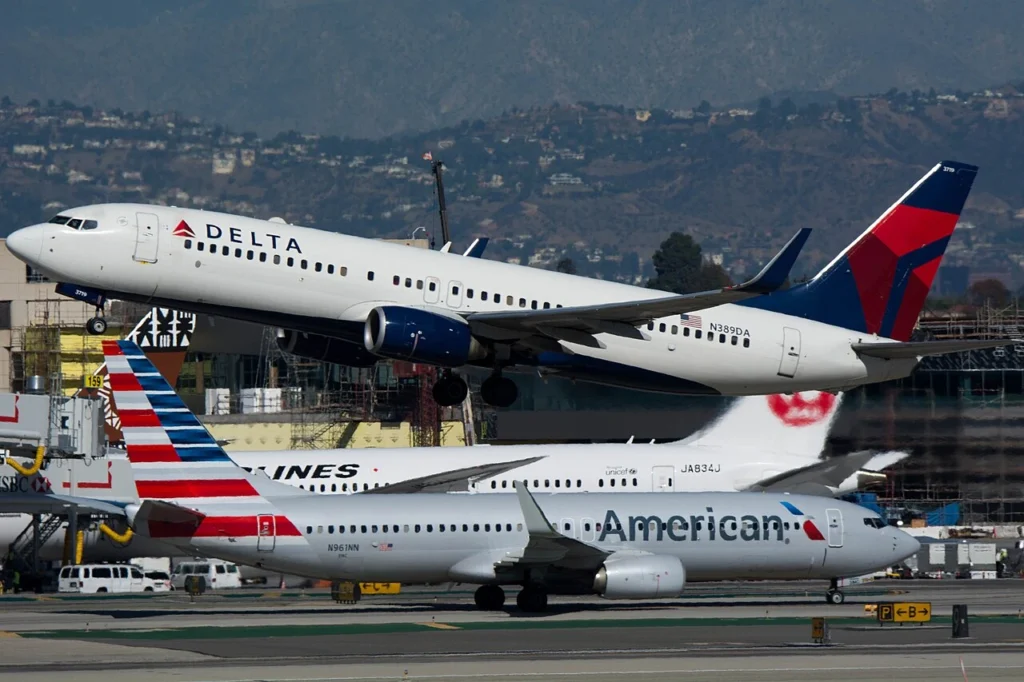
American Airlines, United Airlines, and Delta Air Lines have already suspended flights to nearby Tel Aviv because of ongoing security concerns in the Middle East.
The U.S. State Department also continues to maintain a “Do Not Travel” advisory for Lebanon, citing regional tensions and security risks.
Earlier this year, the U.S. government withdrew non-emergency personnel and eligible family members from the country as a precaution.
The latest directive follows another aviation policy decision by the Trump administration earlier this year. In January, the administration ordered the restoration of U.S. passenger flights to Venezuela, with scheduled services resuming in April after a seven-year suspension.
Whether Lebanon follows a similar timeline will largely depend on security approvals and airline business decisions in the months ahead.
Stay tuned with us. Further, follow us on social media for the latest updates.
Join us on Telegram Group for the Latest Aviation Updates. Subsequently, follow us on Google News


.jpg)