

WASHINGTON, D.C.— The Pentagon has raised its estimated cost of the ongoing Iran conflict to $37.5 billion, with Defense Secretary Pete Hegseth warning lawmakers that military training could be reduced unless Congress quickly approves supplemental funding.
The announcement came during a Senate Appropriations Committee hearing on July 21, where Pentagon leaders defended the White House’s emergency defense spending request.
Although the conflict has significantly increased demand for U.S. military operations across the Middle East, the hearing did not involve any commercial airlines or airports. Therefore, no airline or airport IATA codes apply to this development.
Hegseth appeared alongside Chairman of the Joint Chiefs of Staff Gen. Dan Caine as they sought congressional approval for $67.1 billion in defense funding within a broader $87.6 billion supplemental request.
Pentagon Says Iran War Costs $37.5 Billion
Hegseth told senators that the updated $37.5 billion estimate includes military pay, operations, maintenance, and anticipated expenses through the end of the current fiscal year on Sept. 30.
However, the figure does not appear to include future reconstruction or military infrastructure repair costs caused by the conflict.
The latest estimate marks another sharp increase from previous Pentagon assessments. Officials had projected the conflict would cost roughly $25 billion in April, later revising the figure to $29 billion in May before raising it again to $30 billion in June.
Recent combat operations have continued to drive spending higher.
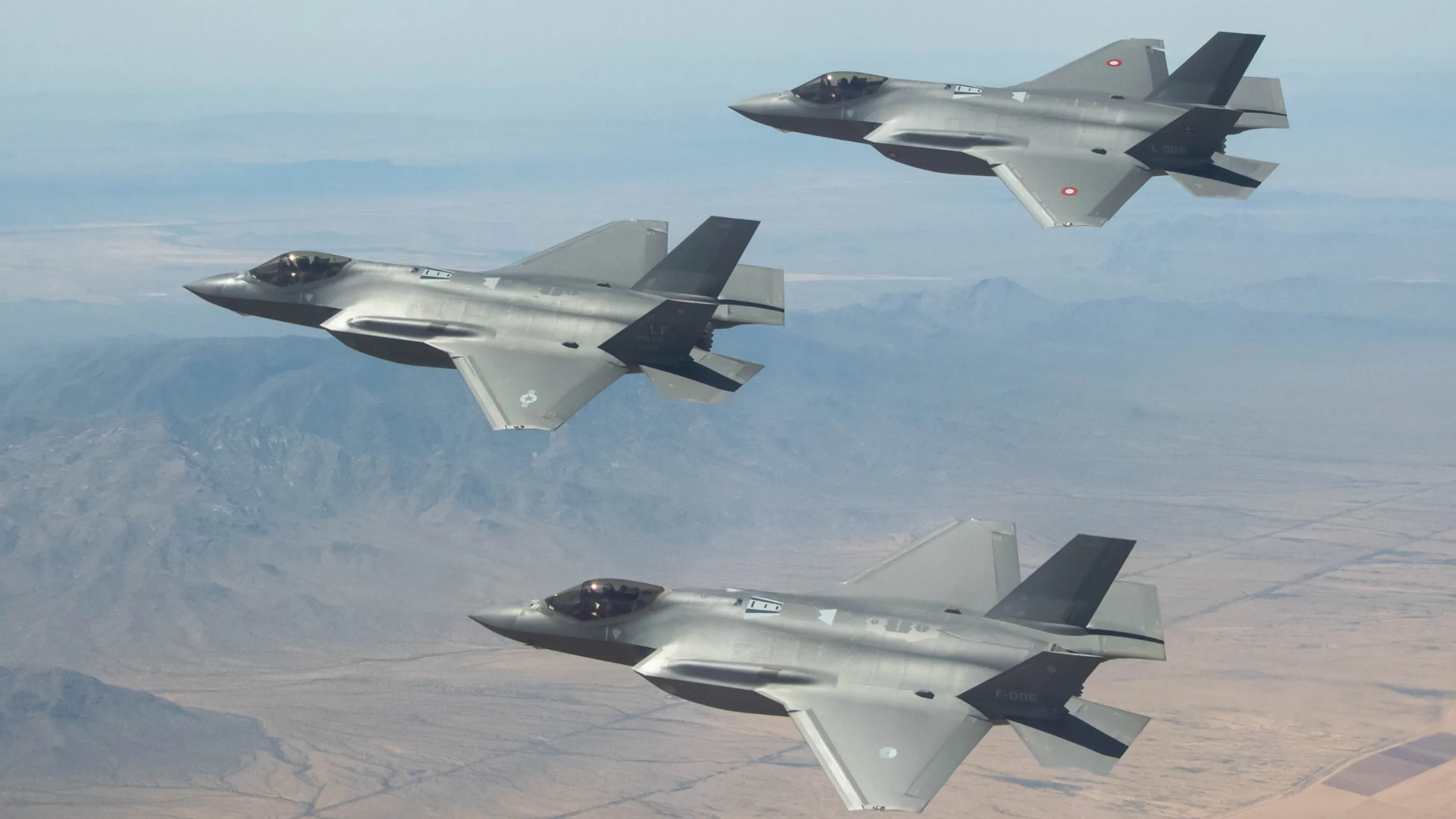
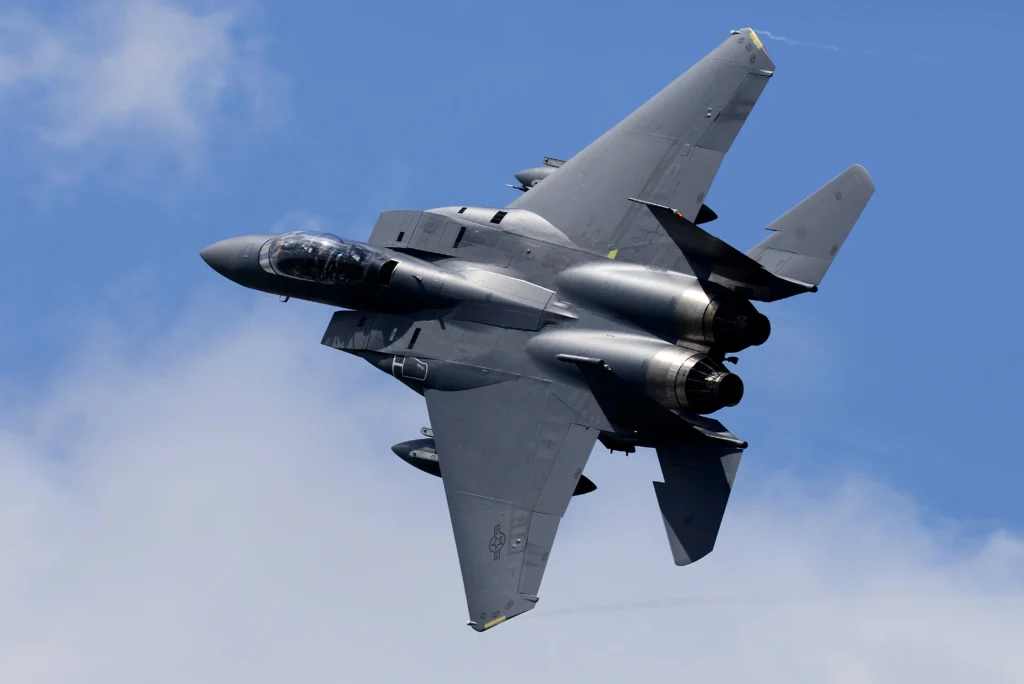
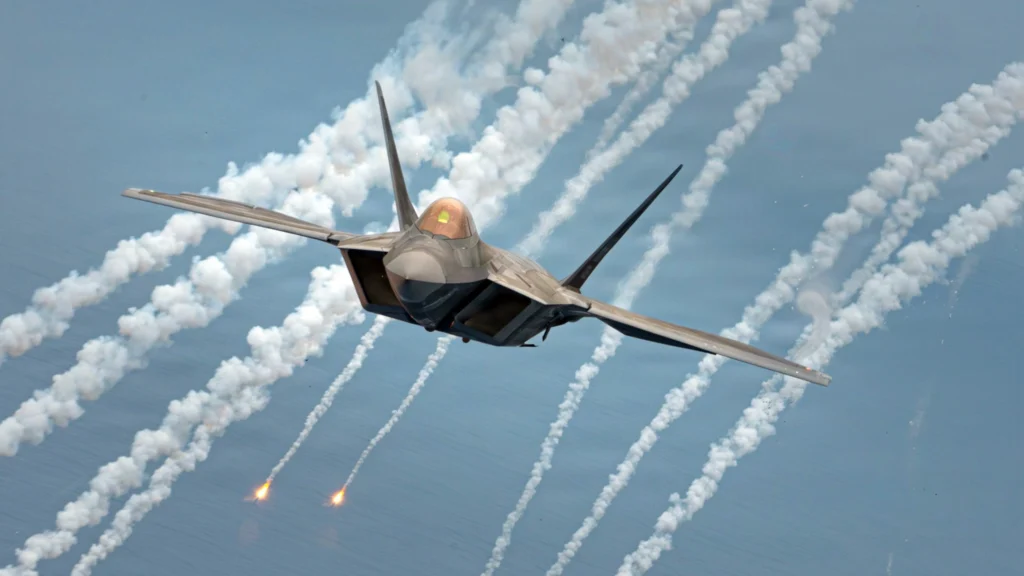
U.S. Central Command has intensified strikes following renewed Iranian attacks on shipping in the Strait of Hormuz, while the U.S. Air Force has deployed additional fighter aircraft and support assets to the region, increasing operational expenses.
Pentagon Funding Request Breakdown
During the hearing, Hegseth stressed that failing to secure emergency funding would directly affect military readiness.
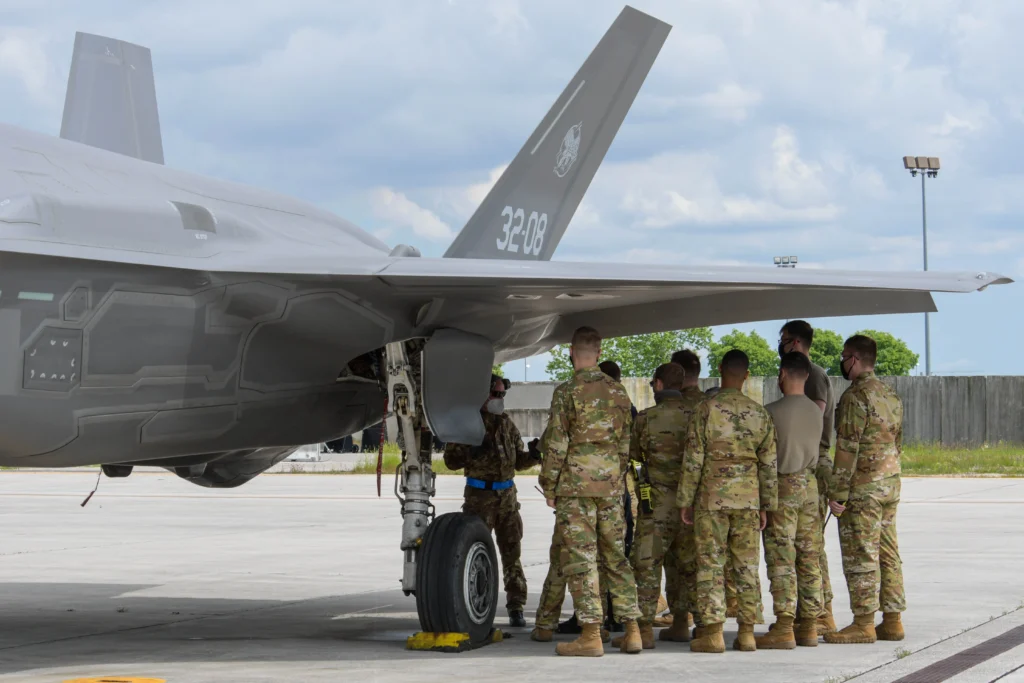
He said the Pentagon would have to curtail current and future training activities if lawmakers do not approve the supplemental request quickly.
His comments echoed recent reports indicating that some military exercises have already been delayed or canceled as defense officials redirect available funding toward ongoing operations.
The White House’s supplemental request allocates $21 billion for munitions, $17.3 billion for operational costs, and $1.5 billion for fuel, while also including funding for cybersecurity, drones, Space Force programs, and other modernization initiatives.
Budget Debate Continues in Senate
The funding request sparked strong debate among lawmakers from both parties.
Several Democratic senators argued that significant portions of the proposal finance long-term Pentagon priorities rather than emergency war-related expenses.
They maintained that those programs should be reviewed through the regular appropriations process instead of an emergency supplemental package.
Republican lawmakers countered that approving the request is essential to maintaining military readiness and replacing equipment consumed during combat operations.
Committee leaders also emphasized the importance of ensuring U.S. service members receive the training, equipment, and logistical support needed as military operations continue.
Meanwhile, congressional Republicans are advancing additional defense funding through the budget reconciliation process, allowing them to move legislation with a simple Senate majority.
Current proposals would direct approximately $60 billion toward Iran war costs, munitions replenishment, and related defense priorities as the Pentagon prepares for the possibility of prolonged operations, Air and Space Forces reported.
Stay tuned with us. Further, follow us on social media for the latest updates.
Join us on Telegram Group for the Latest Aviation Updates. Subsequently, follow us on Google News
