

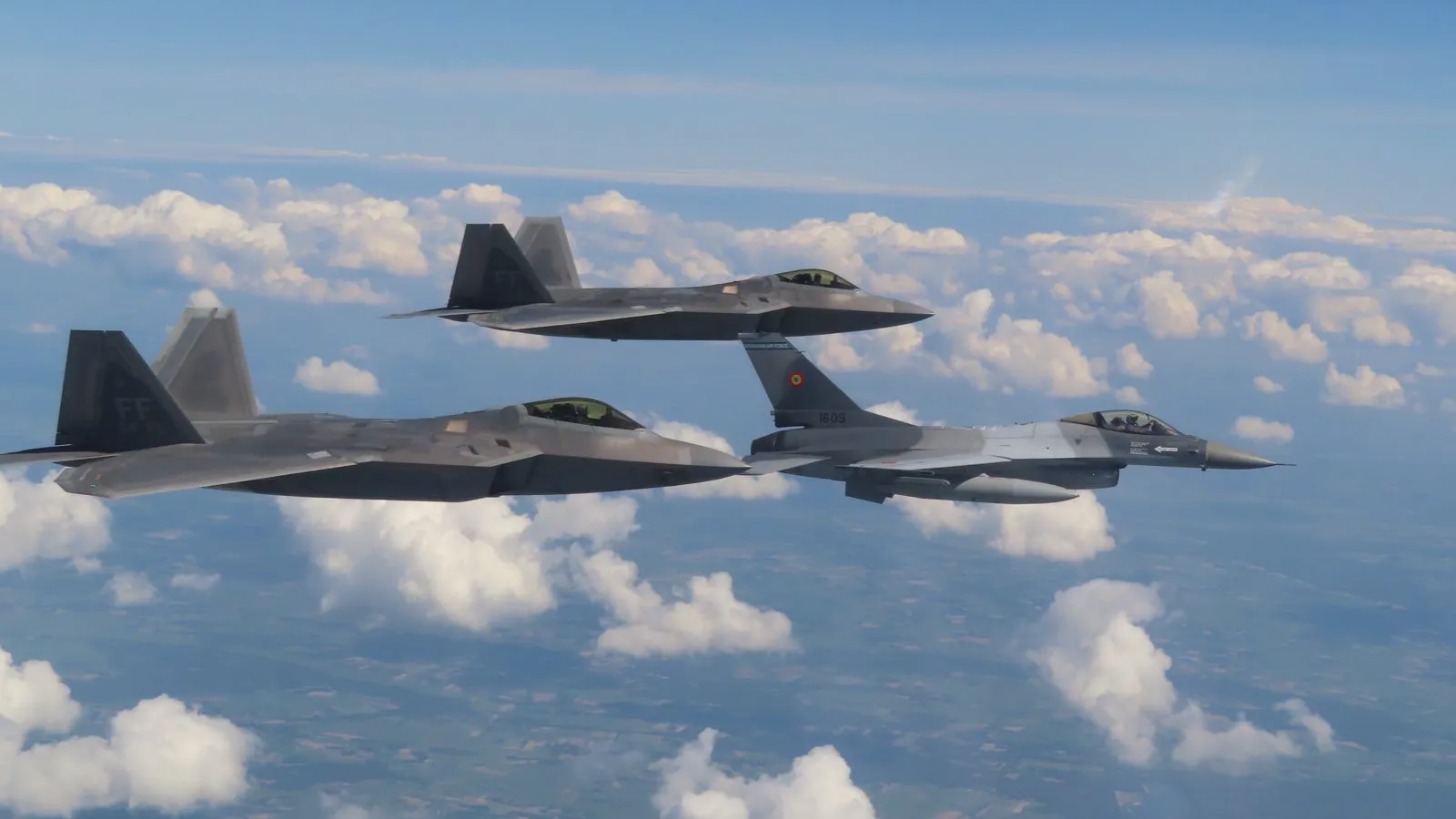
FLORIDA- The North American Aerospace Defense Command (NORAD) scrambled F-16 Fighting Falcon fighter jets on July 19, 2026, after more than 10 general aviation aircraft violated Temporary Flight Restriction (TFR) airspace over Bedminster and East Rutherford, New Jersey.
The restricted zone protected President Donald Trump and world leaders attending the FIFA World Cup Final near Newark Liberty International Airport (EWR), with the busy general aviation field at Teterboro Airport (TEB) sitting just inside the affected region.
Three of the intruding aircraft required direct interception, and F-16 crews deployed warning flares during 2 of those encounters. NORAD safely escorted every intercepted plane out of the restricted area, and no injuries or accidents were reported.
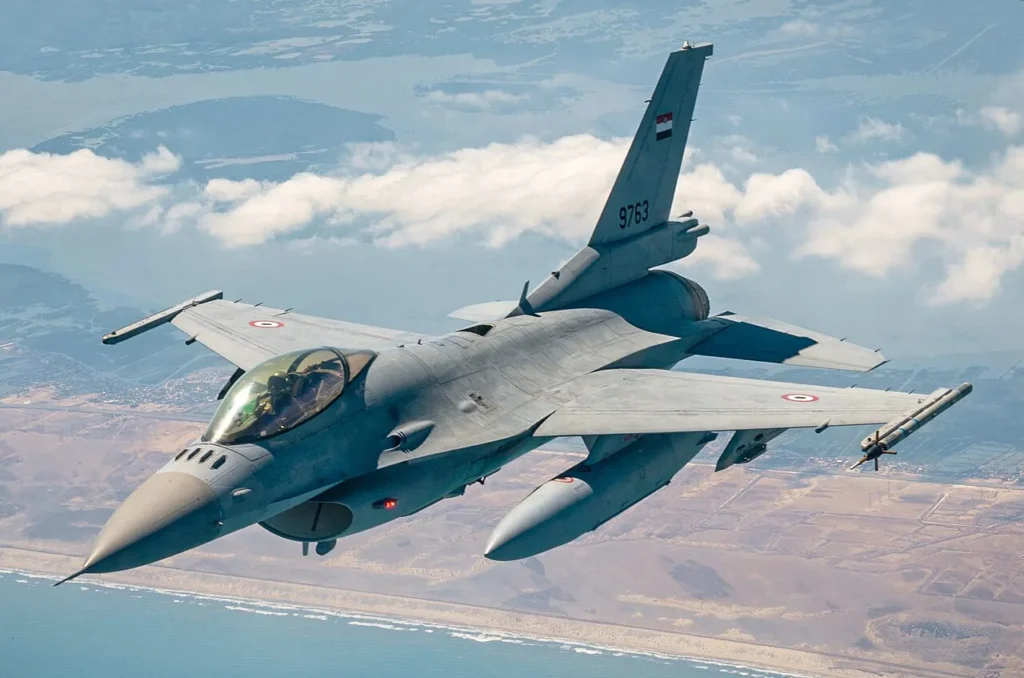
Inside NORAD’s Response Over New Jersey
More than 10 general aviation aircraft entered the restricted airspace on July 19, and three of those violations required intercepts by NORAD F-16 fighters.
Pilots followed internationally recognized procedures during each contact, starting with radio calls and visual signals before escalating when aircraft failed to respond.
According to Army Recognition, responding to that many incursions in a single day demonstrated the readiness of NORAD’s rapid-response fighter force and its ability to detect, identify, intercept, and resolve simultaneous violations without disrupting legitimate air traffic. Each unknown aircraft is treated as a potential threat until military pilots positively identify it.
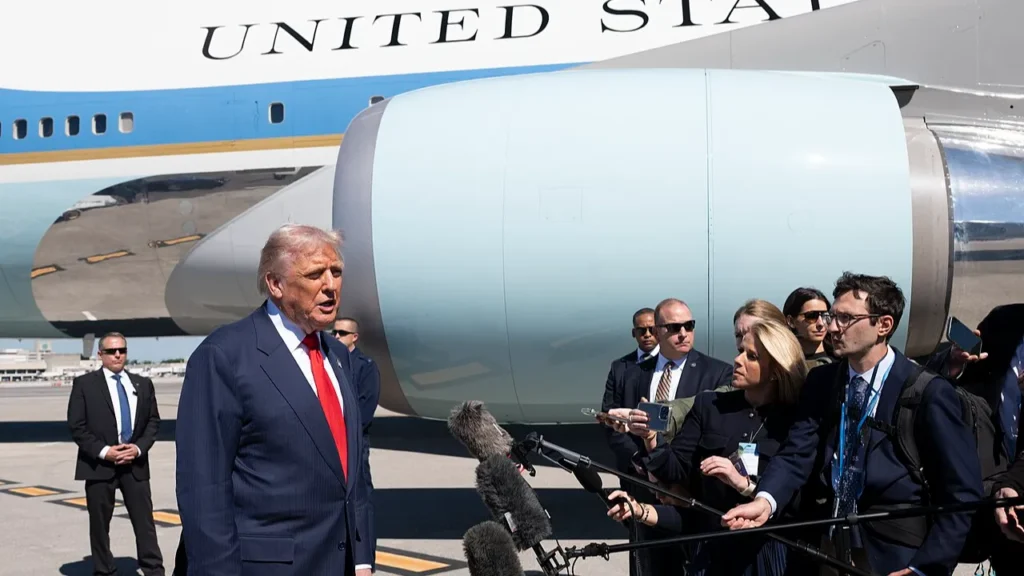
The FAA put the restricted airspace in place for security as President Donald Trump attended the World Cup Final at MetLife Stadium, joined by Canadian Prime Minister Mark Carney and Mexican President Claudia Sheinbaum.
Spain defeated Argentina 1-0 in the final, which drew foreign leaders, senior officials, and celebrities to the stadium in East Rutherford.
The overlap of presidential protection and a global sporting event produced one of the most complex domestic security environments in recent years.
Securing the zone required an expanded posture involving the Federal Aviation Administration (FAA), the US Secret Service, NORAD, and several federal agencies.
NORAD also routinely issues temporary flight restriction zones for President Trump’s Bedminster retreat and his Mar-a-Lago property in West Palm Beach, Florida.
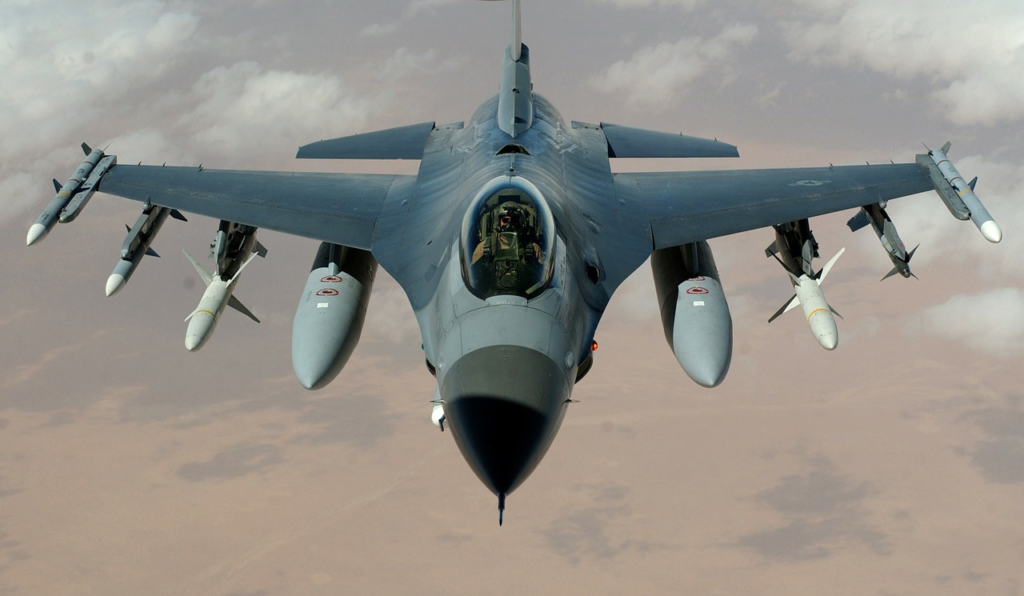
What Warning Flares Actually Do
During two of the interceptions, NORAD F-16s dispensed military flares after civilian pilots did not respond to standard procedures.
The command stressed that these are non-lethal visual warning devices meant only to draw a pilot’s attention.
The flares are employed with the highest regard for safety, burn out quickly and completely, and pose no danger to people on the ground. Residents on the ground may have seen them, which is why NORAD addressed them publicly.
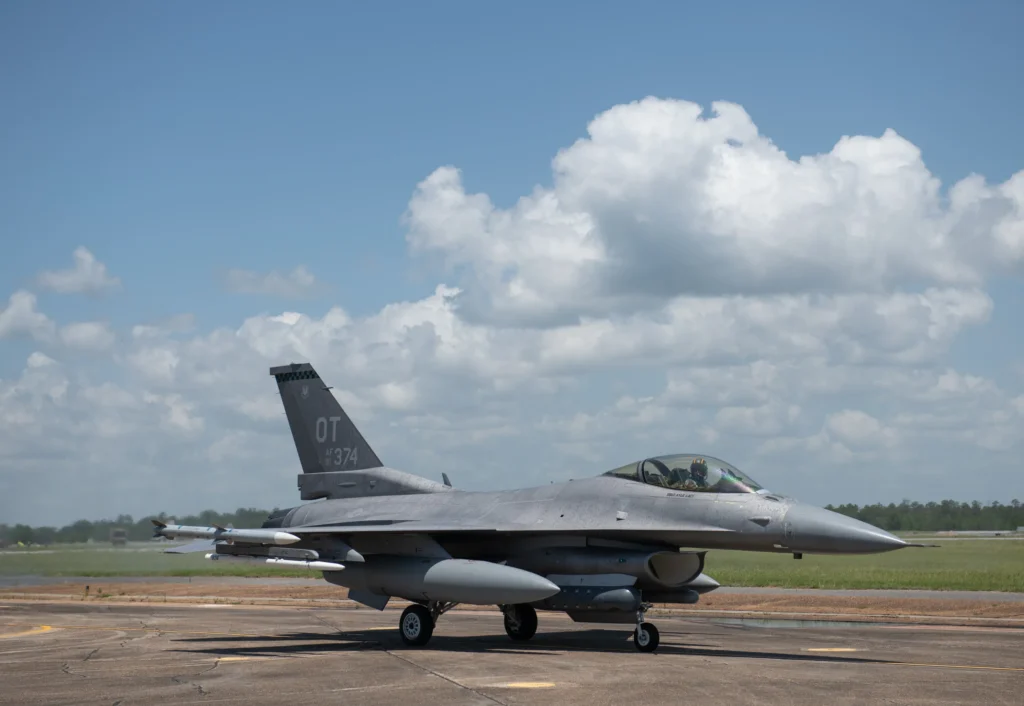
Why F-16 Anchors Homeland Defense
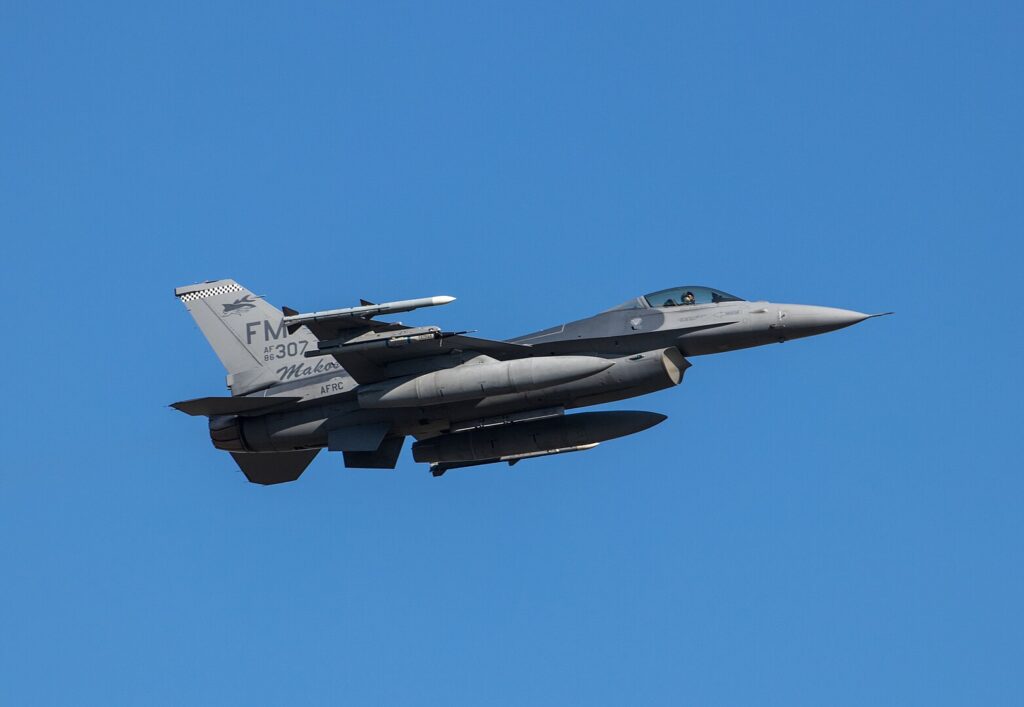
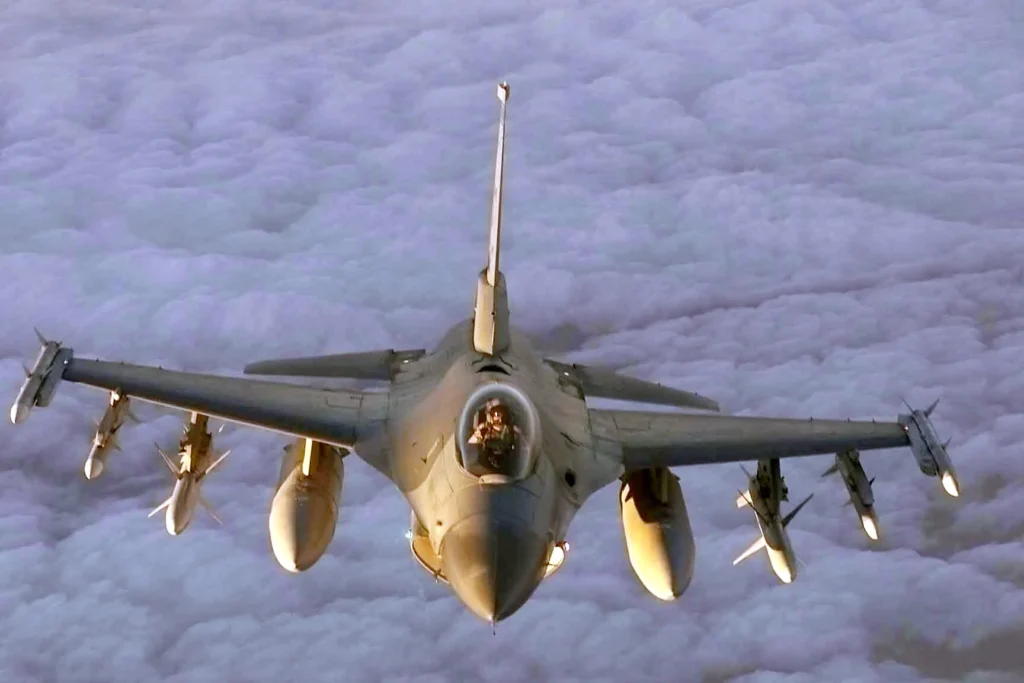
The US Air Force F-16 Fighting Falcon remains one of NORAD’s principal homeland defense aircraft because of its high speed, strong maneuverability, advanced radar, and ability to identify unknown aircraft quickly.
Interceptor crews begin with communication and visual signaling and move to warning flares only when necessary.
The goal is always to establish contact and guide the aircraft out of restricted airspace rather than use force.
Guidance for Intercepted Pilots
NORAD advised that a pilot intercepted by its aircraft should immediately come up on frequency 121.5 or 243.0 and reverse course until receiving additional instructions on one of those frequencies.
Both frequencies are monitored continuously during air defense operations, allowing crews to reach aircraft that may have entered the zone by mistake.
NORAD urged pilots to check their Notice to Airmen (NOTAMs) and FAA Temporary Flight Restrictions before flying.
How Presidential TFRs Work
Temporary Flight Restrictions have been a core part of US homeland security since the September 11 attacks, especially during presidential travel and major national events.
These restrictions are historically issued around large events such as the World Cup and past Olympics, particularly those that draw massive crowds and high-profile guests.
The FAA sets the zones through NOTAMs, typically creating an inner no-fly area of about 10 nautical miles surrounded by an outer security ring of up to 30 nautical miles where additional restrictions apply. Every pilot near these areas must review current NOTAMs before departure.
Consequences and Wider Security Picture
General aviation planes are any non-commercial aircraft, and it was not clear whether the violators were recreational planes, business jets, or something else.
Authorities have not announced penalties for the pilots involved, but investigations into the violations are underway.
Under FAA regulations communicated through NOTAMs, violating flight restrictions can result in sanctions, warnings, fines, or suspensions.
The interceptions were one part of a broader security effort around the tournament. Federal authorities charged four people as a World Cup drone crackdown topped 400 seizures across US host cities.
Most airspace violations happen because pilots skip a review of current restrictions or misread changing conditions, not because of deliberate breaches.
Even so, NORAD keeps aircraft and crews at immediate readiness around the clock. Intercepting three aircraft in a single day while securing both presidential movements and a global sporting event shows the value of persistent radar surveillance, immediate fighter response, and integrated coordination between military aviation, civil air traffic control, federal law enforcement, and intelligence agencies across North America’s aerospace defense network.
Stay tuned with us. Further, follow us on social media for the latest updates.
Join us on Telegram Group for the Latest Aviation Updates. Subsequently, follow us on Google News
