


LONDON– A British Airways (BA) Boeing 787-8 Dreamliner has remained grounded at Pittsburgh International Airport (PIT) in Pennsylvania for more than 70 days after reportedly suffering significant damage in a ground-handling incident.
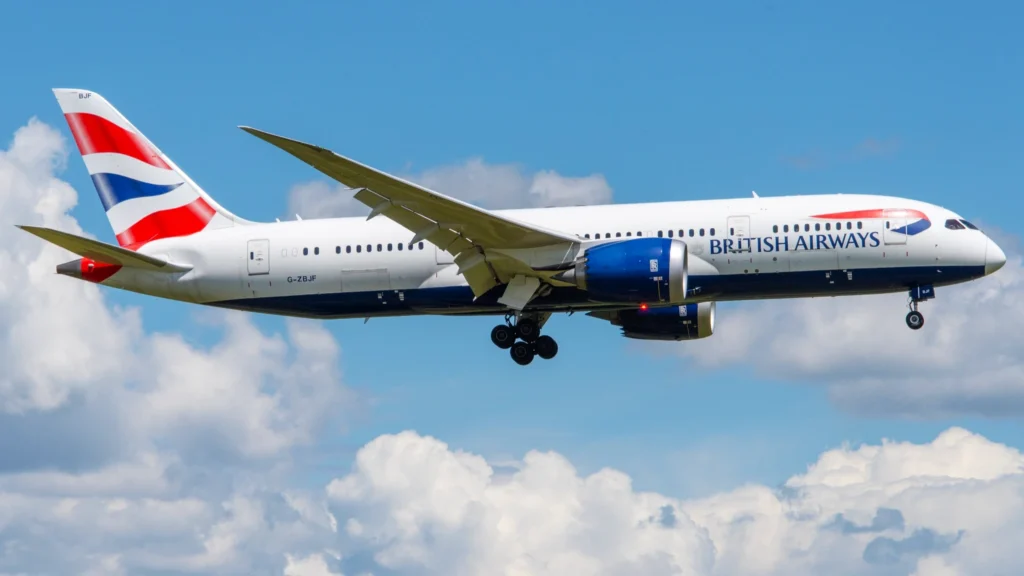
The 12-year-old aircraft, registered as G-ZBJF, arrived from London Heathrow Airport (LHR) on August 28, 2026, operating flight BA171. However, a reported collision with ground-handling equipment damaged the aircraft’s underside, leaving it unable to return to commercial service.
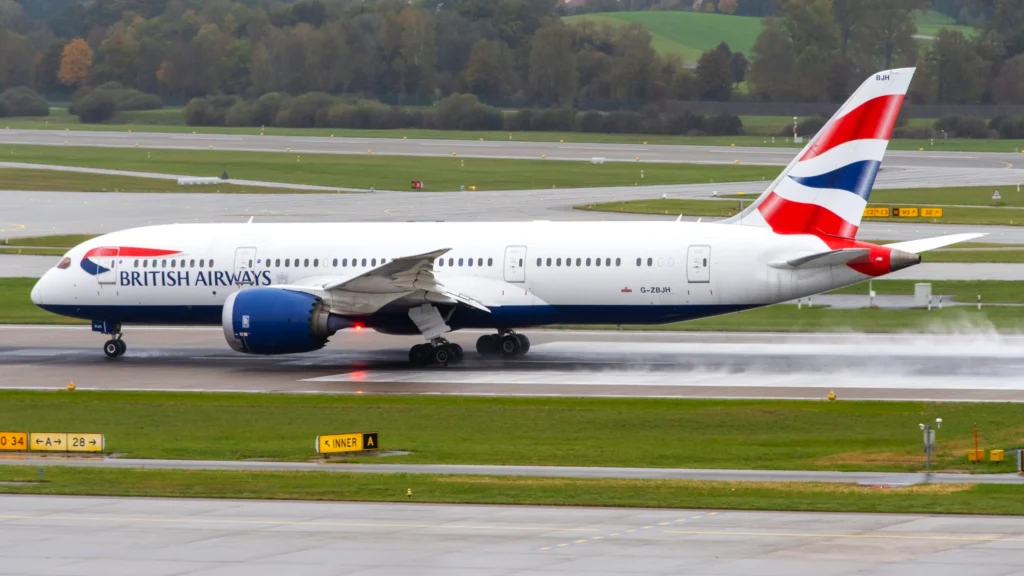
British Airways Boeing 787 Faces Complicated Repairs After Ground Collision
G-ZBJF completed its approximately 3,233-nautical-mile (5,987-kilometre) transatlantic journey from London Heathrow to Pittsburgh on August 28. Flight-tracking records show that the aircraft departed Heathrow at 16:35 BST and arrived in Pittsburgh at approximately 20:24 EDT.
The flight operated as BA171, but the aircraft did not return to London as expected. It remained at Pittsburgh following the reported ground-handling incident, with its prolonged absence from commercial operations raising questions about the extent of the damage and the complexity of the repair work.
According to reports and discussions among aviation enthusiasts, a mobile baggage belt loader reportedly struck the aircraft underneath one of its bulk cargo doors. The equipment, which ground crews use to transfer baggage between aircraft cargo holds and airport vehicles, allegedly penetrated the exterior fuselage.
The incident reportedly left an opening in the aircraft’s lower cargo section. However, British Airways has not publicly confirmed the precise circumstances or provided a detailed assessment of the damage.
The continued grounding suggests that the aircraft requires more than a routine repair. Structural inspections, engineering assessments and the availability of specialist maintenance equipment could all influence how quickly G-ZBJF returns to service.
Aircraft-tracking records identify G-ZBJF as a 12-year-old Boeing 787-8 and confirm its BA171 arrival at Pittsburgh.
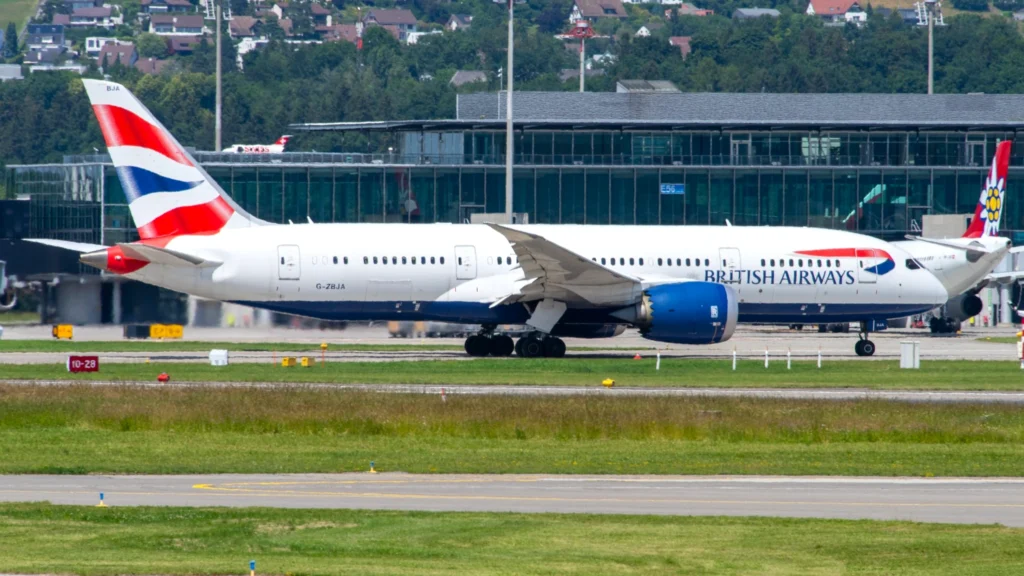
Boeing 787 Composite Structure Could Complicate Repairs
The Boeing 787-8’s construction could make the repair process more demanding than a conventional aircraft body repair. Unlike older airliners that rely heavily on aluminium structures, the Dreamliner uses extensive composite materials.
According to British Airways’ technical information, composite materials account for approximately 50% of the Boeing 787’s primary structure, including its fuselage and wings. These materials help reduce aircraft weight while providing strength and resistance to corrosion. British Airways’ 787 Dreamliner+1
Damage involving a composite fuselage section requires careful inspection to establish the extent of the structural impact. Engineers must determine whether the damage affects only the exterior surface or extends into deeper structural layers.
Depending on the assessment, British Airways could require specialised composite repair work before the aircraft receives approval to fly again. A temporary structural repair could also become necessary if engineers decide that the aircraft can safely fly to another maintenance facility for permanent repairs.
However, the precise repair procedure for G-ZBJF remains unknown because the airline has not published a detailed engineering assessment, Simple Flying reported.
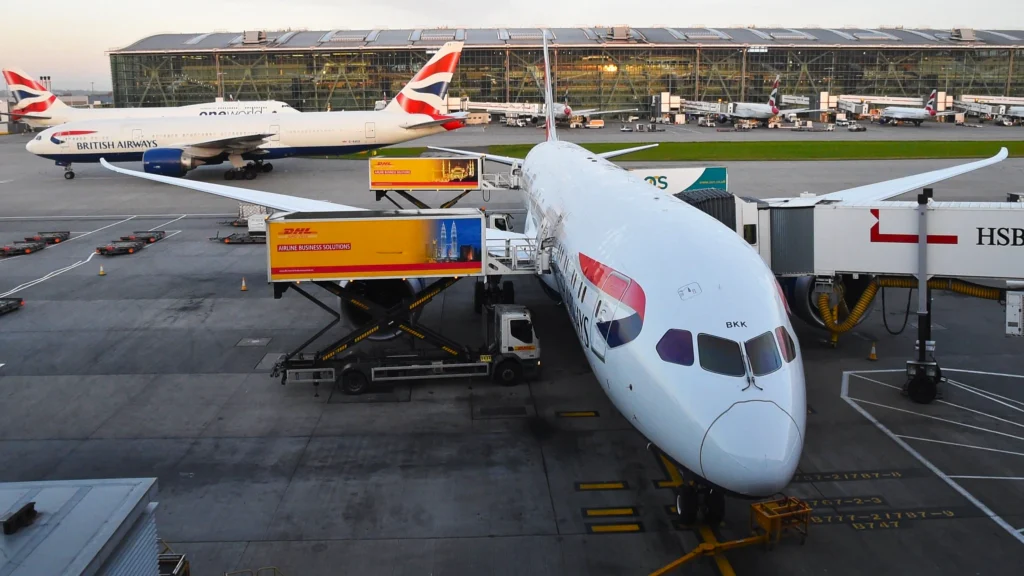
Possible Landing Gear Damage Adds to Repair Challenges
The aircraft’s prolonged grounding has also raised questions about possible damage beyond the initial fuselage impact.
According to a November 8 report, a commenter claiming experience as a British Airways engineer said technicians had made considerable progress with the repairs but encountered additional complications involving the aircraft’s landing gear system.
This account has not been independently verified, and British Airways has not confirmed any landing gear damage.
Nevertheless, a potential problem involving the landing gear could further complicate the aircraft’s recovery. Even after completing structural repairs, engineers would need to ensure that the landing gear and associated systems meet the required safety standards before approving a ferry flight.
The combination of possible structural and landing gear damage could explain why the aircraft has remained at Pittsburgh for more than two months. KhanList+1
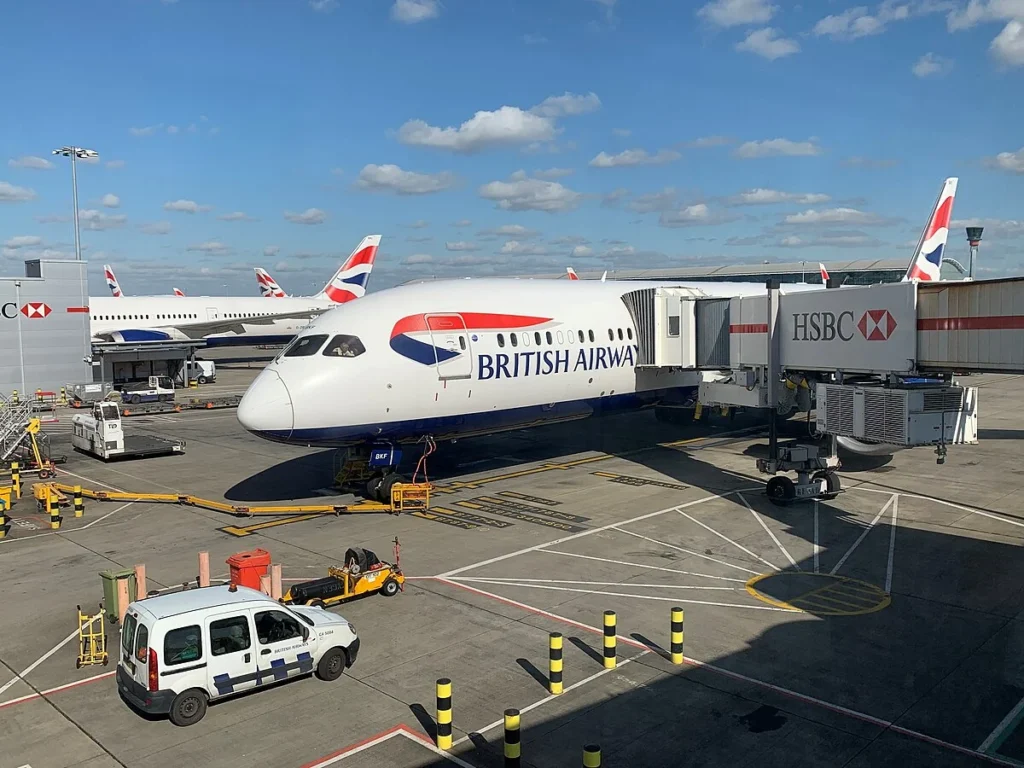
Cincinnati and Seattle Emerge as Possible Repair Destinations
Another important question concerns where British Airways will complete the permanent repairs.
Reports suggest that the airline could temporarily repair G-ZBJF at Pittsburgh before repositioning it to Cincinnati/Northern Kentucky International Airport (CVG). The proposed move could allow the aircraft to receive more extensive maintenance at a facility associated with FEAM Aero, a specialist aviation maintenance provider.
Another possible option involves transferring the aircraft to Boeing’s facilities in Seattle, Washington. Boeing has extensive experience with the 787 family and could provide specialist support for complicated composite structural repairs.
Neither destination has been confirmed by British Airways. The actual decision will depend on the aircraft’s condition, the repair requirements and the availability of suitable maintenance facilities. KhanList+1
FAA Special Flight Permit Could Be Necessary
Before moving the aircraft, engineers must establish whether G-ZBJF can safely operate a ferry flight.
Under Federal Aviation Administration (FAA) regulations, a Special Flight Permit (SFP) may be issued when an aircraft does not meet all applicable airworthiness requirements but remains capable of safe flight for an approved purpose.
One permitted purpose is transferring an aircraft to another location for repairs, alterations, maintenance or storage.
Therefore, British Airways could potentially seek an FAA Special Flight Permit if G-ZBJF requires a temporary repair before flying from Pittsburgh to Cincinnati or Seattle.
The aircraft would still need to meet the applicable safety conditions and any restrictions attached to the permit. The FAA’s rules also specify that a US special flight permit does not automatically authorise flights over another country. Federal Aviation Administration+1
British Airways Boeing 787 Fleet Faces Aircraft Availability Impact
The extended grounding also affects British Airways’ fleet availability.
According to the airline’s official fleet information, British Airways operates 12 Boeing 787-8 Dreamliners. The aircraft serve long-haul routes and provide capacity across the airline’s international network. British Airways’ 787 Dreamliner
G-ZBJF’s absence temporarily removes one aircraft from the available 787-8 fleet. British Airways must therefore manage its remaining aircraft to maintain scheduled operations and accommodate maintenance requirements.
Keeping a widebody aircraft grounded for several months can also create financial pressure through repair expenses, lost operating opportunities and airport-related charges.
However, the precise financial impact of the Pittsburgh incident remains unknown. There is no verified public breakdown of the aircraft’s repair bill, insurance settlement or accumulated parking costs.
British Airways Boeing 787 Previously Spent Eight Months at Cardiff
Interestingly, the Pittsburgh incident represents another extended period away from commercial operations for G-ZBJF.
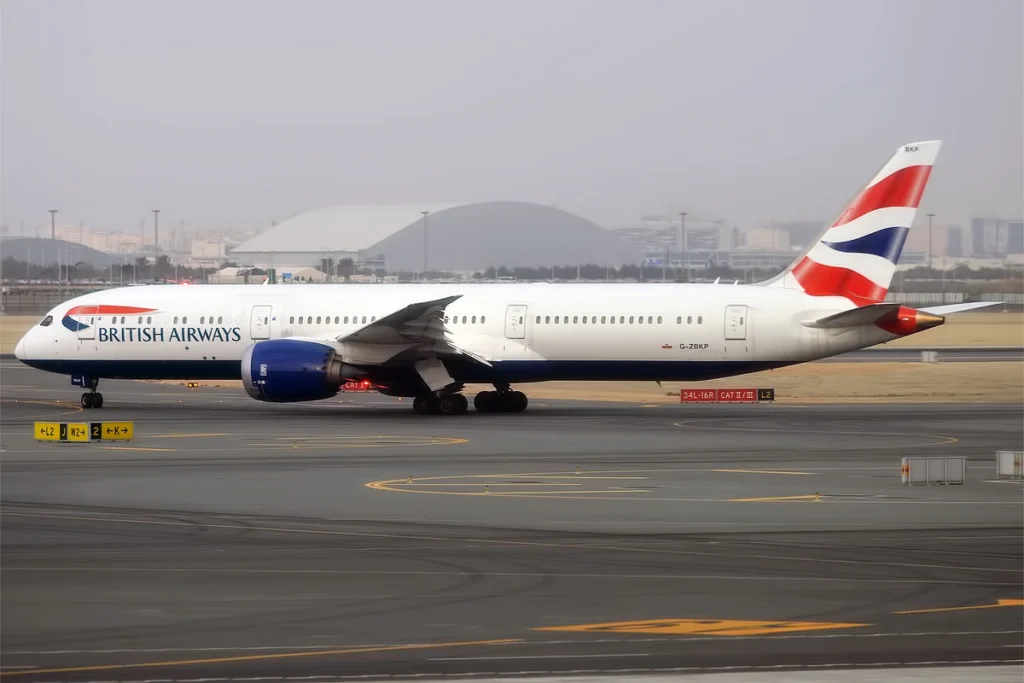
Before its latest grounding, the Boeing 787-8 spent nearly eight months at Cardiff Airport (CWL) in Wales, where British Airways operates its maintenance facility.
Aircraft records show that G-ZBJF arrived at Cardiff on December 19, 2025, and departed on August 6, 2026, following its extended maintenance period. The aircraft returned to commercial flying on August 7, only three weeks before its Pittsburgh incident. Planespotters+2
The following timeline outlines the aircraft’s recent operational history.
| Date | Aircraft history |
|---|---|
| December 19, 2025 | G-ZBJF arrives at Cardiff Airport for extended maintenance. |
| August 6, 2026 | Aircraft departs Cardiff following its maintenance period. |
| August 7, 2026 | Returns to commercial operations, operating BA221 from Heathrow to St. Louis. |
| August 28, 2026 | Operates BA171 from London Heathrow to Pittsburgh and subsequently becomes grounded following the reported ground collision. |
| November 9, 2026 | Remains grounded at Pittsburgh for more than 70 days. |
The timing makes the latest incident particularly unfortunate for British Airways. After spending almost eight months away from regular operations, G-ZBJF had only recently returned to passenger service before sustaining the reported damage in Pittsburgh.
When Will British Airways Boeing 787 G-ZBJF Return to Service?
As of November 9, 2026, G-ZBJF remains grounded at Pittsburgh International Airport, with no confirmed return-to-service date.
The aircraft’s recovery will depend on the extent of its structural damage, the reported landing gear complications and the availability of specialised repair facilities.
British Airways could complete the necessary repairs at Pittsburgh or arrange a ferry flight to another maintenance location after obtaining the required approvals.
The prolonged grounding highlights the challenges airlines face when modern composite aircraft sustain significant damage far from their primary maintenance bases. For British Airways, returning G-ZBJF to service will require a carefully managed engineering process rather than a routine maintenance intervention.
Stay tuned with us. Further, follow us on social media for the latest updates.
Join us on Telegram Group for the Latest Aviation Updates. Subsequently, follow us on Google News
