

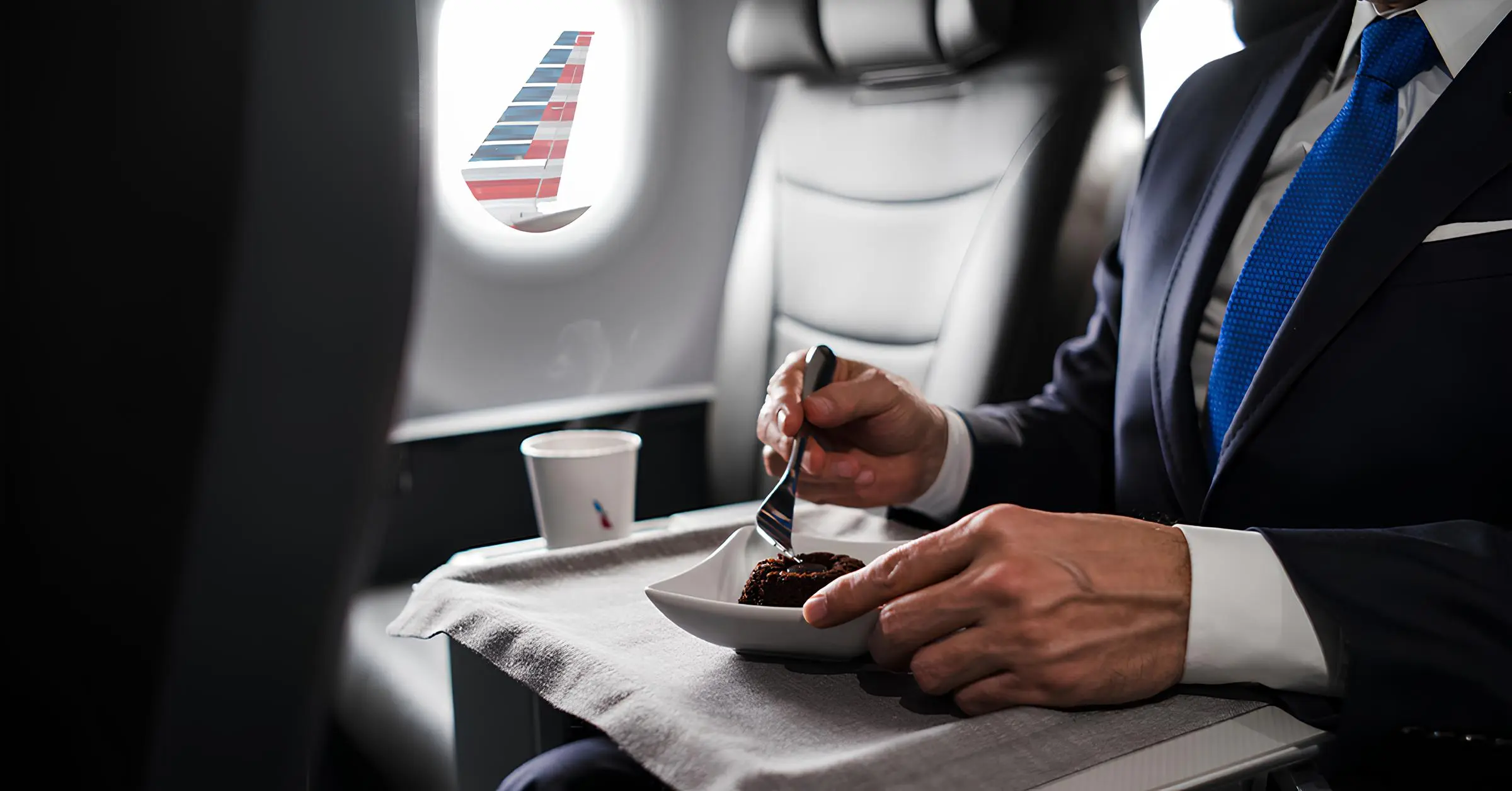
FORT WORTH- American Airlines (AA) flight attendants confiscated an untouched business class bread roll and dessert after a passenger carried the items back to his economy seat on a flight from Aruba (AUA) to Charlotte (CLT).
The passenger’s wife had received the only upgrade that cleared on the flight and could not eat either item because of gluten and dairy allergies. The crew told her husband that food could not cross between cabins and threw both items away.
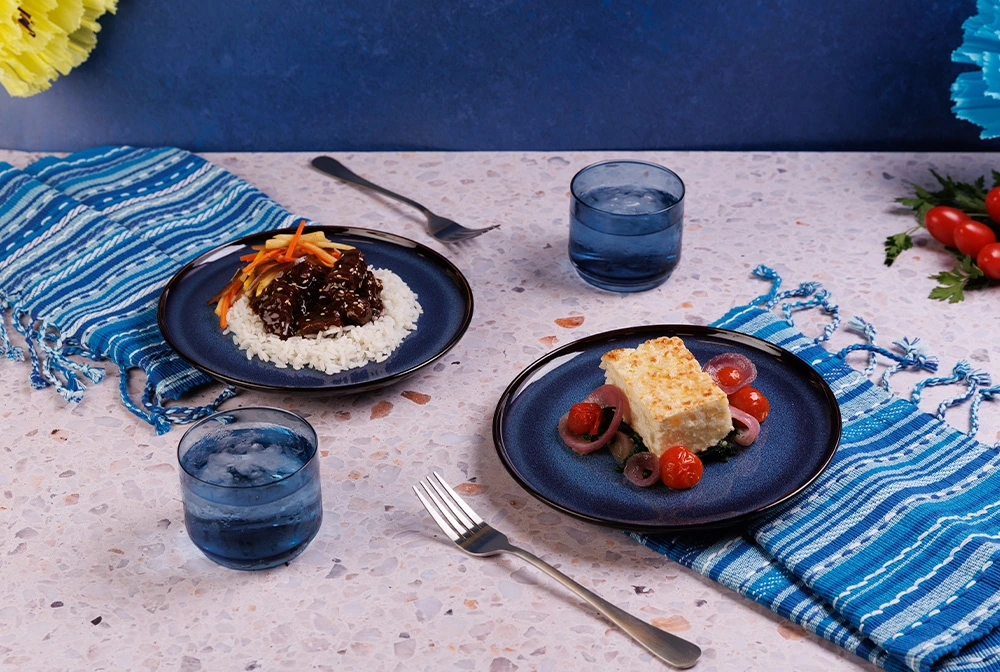
American Airline Passenger Dessert Confiscated
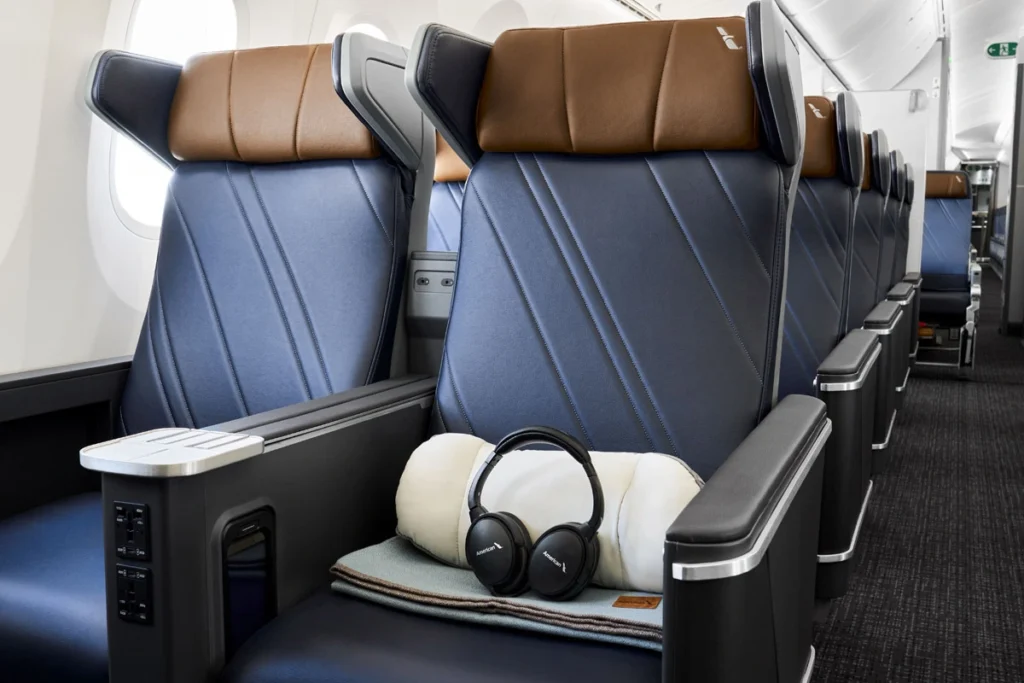
The couple flew together from Queen Beatrix International Airport (AUA) to Charlotte Douglas International Airport (CLT). Only one upgrade seat became available, and the wife took it, seated in 1D. Her husband stayed in Main Cabin Extra seat 9D.
During the meal service, the wife texted her husband to ask whether he wanted the bread roll and the cake served with her business class meal. She could not eat either item because of her gluten and dairy allergies. Both items were untouched.
The husband walked forward, collected the food, and returned to his seat. A flight attendant then took the roll and the cake from him.
According to View from the Wing, the crewmember told the passenger that food could not be carried across the threshold between cabins, and the items went into the trash rather than back to the front of the aircraft.
The economy flight attendant then offered the passenger items from the buy on board menu. He declined the paid food and ate the free pretzels and cookies available to all main cabin passengers.
Two Separate Questions
The incident raises two distinct issues that carriers treat differently. The first is whether a premium cabin meal can be shared with a passenger seated in economy.
The second is whether two passengers can share a premium seat during a flight. The crew on this flight addressed both.

American Airlines Cabin Rule Covers Food
American Airlines does not publish a rule that stops food from moving between cabins. No food safety guidance covers the transfer of an untouched roll or dessert from a business class seat to an economy seat during a flight.
The meal had already been served and belonged to the passenger who received it. She was entitled to the food, could not eat it, and passed it to her husband on the same aircraft.
Flight attendants have long described an internal expectation that premium cabin food and amenities stay in the premium cabin.
Keeping service items in one section makes collection easier during the flight. It can also be awkward for a coach passenger to eat first class food while nearby passengers grow envious.
Cabin Movement Rules On Flights
Walking between cabins is not automatically against the rules. An economy passenger can move forward unless the crew restricts that movement.
On domestic flights, American Airlines has for years allowed passengers to use a lavatory in any cabin.
For many years, a Transportation Security Administration directive required airlines operating international flights into the United States to keep passengers in their ticketed cabin and direct them to the lavatories assigned to that cabin.
The directive carried exceptions for disability and other special needs. That requirement is reported to have been rescinded in 2023.

How Crews Handle It Differently
One published account illustrates how much the response depends on the individual crew. An aviation writer holding ConciergeKey status had a flight canceled and was rebooked onto the next departure, which American overbooked to accommodate him.
The airline was willing to pay denied boarding compensation to another passenger to clear the space.
He ended up in the last row of coach. A flight attendant offered him a spare first class meal but told him he would have to eat it in the forward galley so that other passengers would not see it. He declined the offer.
That condition points to presentation as the underlying concern. A visible business class dessert in an economy row invites questions from surrounding passengers, and crews often prefer to avoid that. Moving the roll and the cake discreetly, wrapped in a napkin, would have drawn less attention on the Aruba flight.
Seat Sharing Raises Different Problem
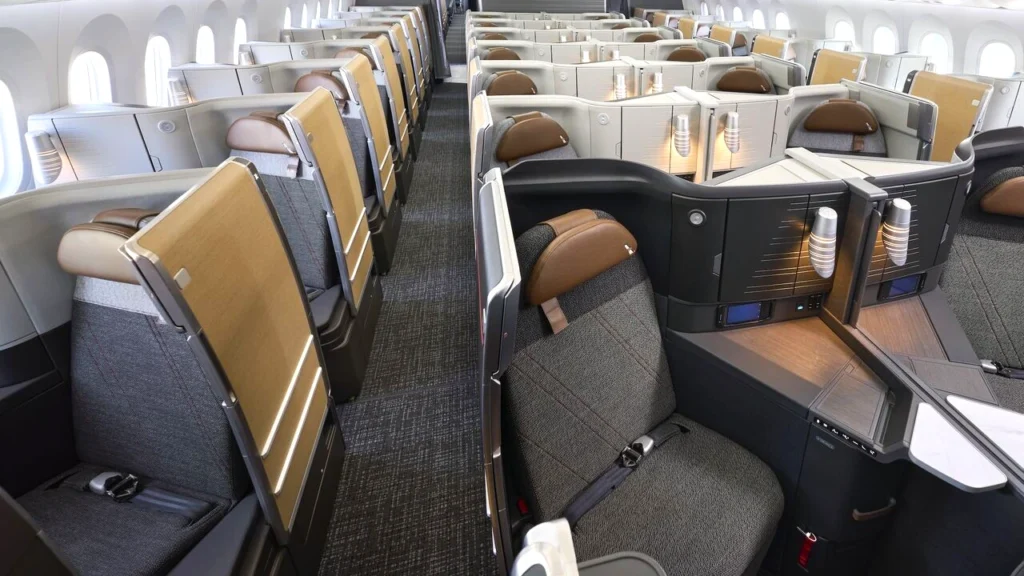
Sharing a premium seat is a separate matter from sharing a meal. Passengers cannot rotate use of a single business class seat during a flight. Rotation disrupts the service, turns one paid seat into a benefit for two travelers, and affects the experience of passengers seated nearby.
Several years ago, an American Airlines spokesperson said that passengers “can switch seats”, and that the airline’s only policy was that they should not do so during the meal service.
The practical guidance is simple. A passenger who wants to change seats should ask a flight attendant, make one switch, and stay in the new seat. That is what the crew offered the couple on this flight. Moving forward only to eat part of a premium meal before returning to economy falls outside that approach.
Readers Recall United Manicotti Case
The story drew an immediate comparison from one commenter, who wrote, “It’s the United manicotti all over again.”
That case involved United Airlines (UA) three years ago. A flight attendant brought a leftover premium cabin manicotti to a MileagePlus 1K member seated in economy. A second crewmember then confronted the passenger and threatened him with the no-fly list.
Both cases involved untouched food that would otherwise have been discarded, and both ended in confrontation. For passengers, the outcome is the same. Food served in a premium cabin may be blocked from moving backward, and the decision rests with the crew working the flight.
Stay tuned with us. Further, follow us on social media for the latest updates.
Join us on Telegram Group for the Latest Aviation Updates. Subsequently, follow us on Google News
