

CHICAGO- United Airlines (UA) is increasing enforcement against flight attendants accused of misusing seniority to secure high-demand trips and then selling them to coworkers. The airline says paid trip trading violates company policy, while the union argues investigations must be based on evidence rather than suspicion.
The latest dispute involves United Airlines (UA) and its flight attendants’ union, the Association of Flight Attendants (AFA-CWA). According to PYOK, the union has reported a sharp rise in employee terminations related to alleged trip trading violations, prompting it to challenge the airline’s disciplinary actions.
United Airlines Steps Up Enforcement Against Trip Trading
United Airlines has renewed its efforts to identify flight attendants who allegedly use their seniority to obtain desirable flight assignments with no intention of working them.
The airline alleges that some senior crew members bid for premium international routes and later transfer those trips to junior colleagues in exchange for money. These sought after assignments often include long-haul flights to destinations such as Paris and Rome, which are difficult for less senior employees to secure through the normal bidding process.
The Association of Flight Attendants (AFA-CWA), which represents United’s cabin crew, says it has seen a significant increase in members being terminated over alleged violations in recent months.
The union maintains that it negotiated flexible trip trading rules as part of previous labor agreements and even accepted tradeoffs in contract negotiations to secure those privileges for flight attendants.
What Is Trip Parking?
The practice at the center of the dispute is commonly known as trip parking.
Trip parking refers to senior flight attendants bidding for attractive flight assignments solely to transfer them later to another crew member. According to United, this becomes a policy violation when the transfer involves payment.
Junior flight attendants who want a specific day off or wish to operate premium international routes may agree to pay another employee for access to those trips.
United prohibits employees from using its trip trading system to generate personal income. While crew members may exchange trips under company rules, selling trips or days off is not permitted.
United Has Investigated Similar Cases Before
This is not the first time United has targeted alleged trip parking.
In 2019, the airline introduced internal software designed to analyze trip trading patterns and identify transactions that appeared suspicious. The system helps investigators review unusual trading activity that could indicate violations of company policy.
In 2020, United terminated 28 veteran flight attendants over alleged trip parking.
One of those employees, Anna Palova, later filed an age discrimination lawsuit against the airline after her dismissal. The legal case remains ongoing.
Union Challenges Recent Terminations
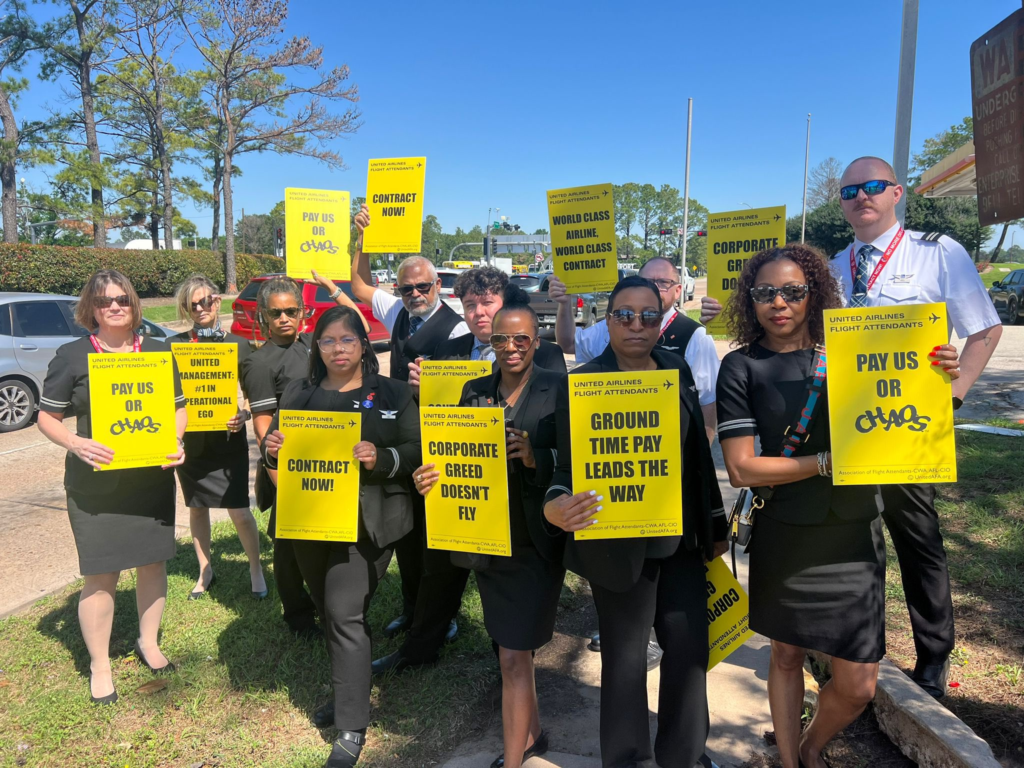
The Association of Flight Attendants says it intends to contest every recent termination connected to the alleged violations.
The union argues that disciplinary action should only occur after a proper investigation establishes clear evidence of wrongdoing. It has also called on United to provide employees with adequate notice regarding any changes in enforcement practices.
The union is seeking reinstatement for recently terminated flight attendants and insists that progressive discipline should be followed whenever appropriate.

Code Words Allegedly Used in Paid Trip Trades
According to reports, some flight attendants allegedly use coded language when advertising trips on internal trading platforms.
Terms such as cookies, hugs, and kisses have reportedly been used to signal that a trip or day off is available in exchange for payment.
Interested buyers then contact the seller privately to negotiate a price before completing the official trip swap through the company’s trading system.
How Other US Airlines Handle Paid Trip Trading
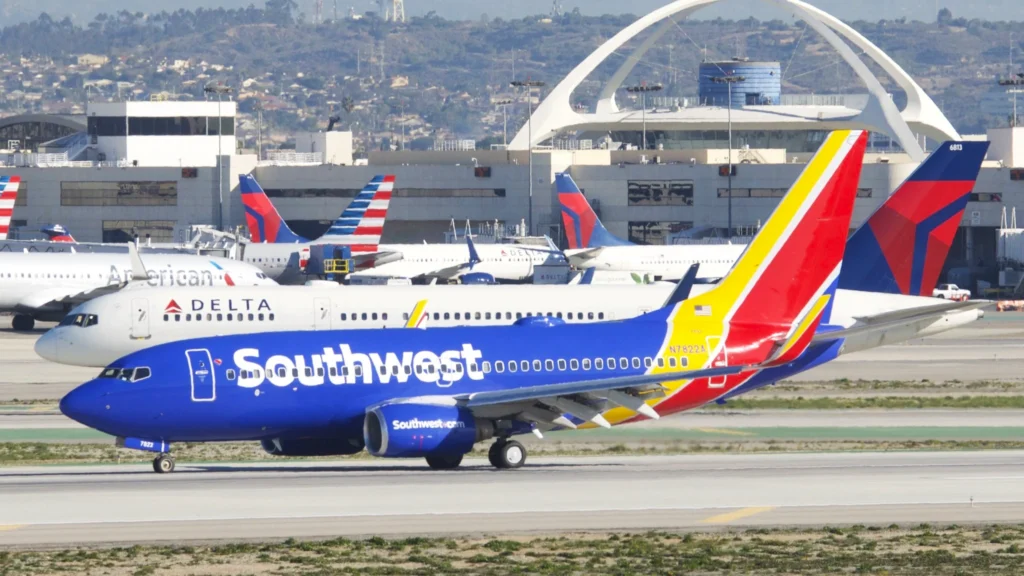
Policies on paid trip trading differ across the US airline industry.
American Airlines (AA), Delta Air Lines (DL), and United Airlines (UA) prohibit employees from exchanging trips for cash.
Southwest Airlines (WN) does not have the same restriction on paid trip trading.
Alaska Airlines (AS), Frontier Airlines (F9), and JetBlue Airways (B6) also do not have formal policies that specifically permit or prohibit flight attendants from trading trips for cash.
Stay tuned with us. Further, follow us on social media for the latest updates.
Join us on Telegram Group for the Latest Aviation Updates. Subsequently, follow us on Google News
